Rocky Mountain spotted fever (RMSF) is a severe tickborne disease that has seen increasing incidence in recent years, especially in the southern United States and northern Mexico1. This illness can progress rapidly and be fatal without early treatment, making prompt recognition and management critical2. Recent outbreaks linked to travel and residence in Tecate, Mexico, highlight the growing public health concern along the U.S.-Mexico border3.
Rocky Mountain Spotted Fever Rash
RMSF is caused by the bacterium Rickettsia rickettsii, transmitted primarily through the bite of infected ticks4. While the disease was initially associated with the Rocky Mountain region, cases now occur widely across the United States, particularly in southeastern and south-central states, as well as in northern Mexico56. The primary tick vectors in the U.S. are the American dog tick (Dermacentor variabilis) and the Rocky Mountain wood tick (Dermacentor andersoni), whereas in northern Mexico and parts of the southwestern U.S., the brown dog tick (Rhipicephalus sanguineus) plays a major role in transmission, especially in urban settings with free-roaming dogs789.
Early symptoms of RMSF are often nonspecific and can include fever, headache, muscle pain, and malaise, which complicates early diagnosis1112. A characteristic rash typically develops 2 to 4 days after the onset of fever, but not all patients develop a rash, and many do not recall a tick bite1112. The rash often begins as faint red macules on the arms and lower extremities and can progress to petechiae (small pinpoint hemorrhages) by days 5 or 6 of illness2. The appearance of the rash varies widely among patients and may involve the palms, soles, and oral mucosa2.
Children younger than 10 years old are five times more likely than adults to die from Rocky Mountain spotted fever. Doxycycline is the treatment of choice for patients of all ages, including young children2.
RMSF is a multisystem disease that can affect the lungs, heart, kidneys, and central nervous system, leading to severe complications such as cerebral edema, respiratory failure, and multiorgan damage if untreated2. Children under 10 years old are at significantly higher risk of death from RMSF compared to adults2. In northern Mexico, hyperendemic areas experience high case fatality rates, sometimes exceeding 40%, linked to intense tick infestations and free-roaming dog populations1314.
Key features of RMSF rash and symptoms:
- Rash usually appears 2–4 days after fever onset but may be absent in some cases11122
- Rash can start as red splotches and progress to petechiae, often involving palms and soles2
- Early symptoms include fever, headache, myalgia, nausea, vomiting, and abdominal pain11122
- Tick bites often go unnoticed, complicating diagnosis1112
- Severe cases may develop altered mental status, coma, and multiorgan failure2
RMSF Treatment and Prevention
Early diagnosis and treatment of RMSF are essential to prevent severe illness and fatalities. Doxycycline is the treatment of choice for patients of all ages, including children and pregnant women, and should be initiated immediately when RMSF is suspected, without waiting for laboratory confirmation111516. Treatment is most effective if started within the first five days of symptom onset; delays increase the risk of severe complications and death1716.
The typical doxycycline dosage is 100 mg every 12 hours for adults and 2.2 mg/kg twice daily for children under 45 kg (100 lbs), continued for at least 3 days after fever subsides and clinical improvement is evident, with a minimum treatment duration of 5 to 7 days16. Severely ill patients may require longer treatment16. Resistance to doxycycline or relapses after treatment have not been documented16.
In cases of severe doxycycline allergy, rapid desensitization in an inpatient setting may be considered, weighing the risks and benefits carefully with infectious disease specialists16. Chloramphenicol is an alternative but is associated with higher mortality and significant adverse effects and is not widely available in the U.S.16. Sulfa-containing drugs and most other broad-spectrum antibiotics are ineffective and may worsen outcomes16.
Post-tick bite antibiotic prophylaxis is not recommended; instead, individuals should monitor for symptoms and seek medical care promptly if fever, rash, or other signs develop within two weeks of a tick bite16.
Prevention focuses on avoiding tick bites and controlling tick populations, especially in areas with high RMSF risk such as northern Mexico and the southwestern U.S.91418. Key preventive measures include:
- Avoiding tick habitats such as wooded and brushy areas, especially during warmer months (April to September) when ticks are most active1118
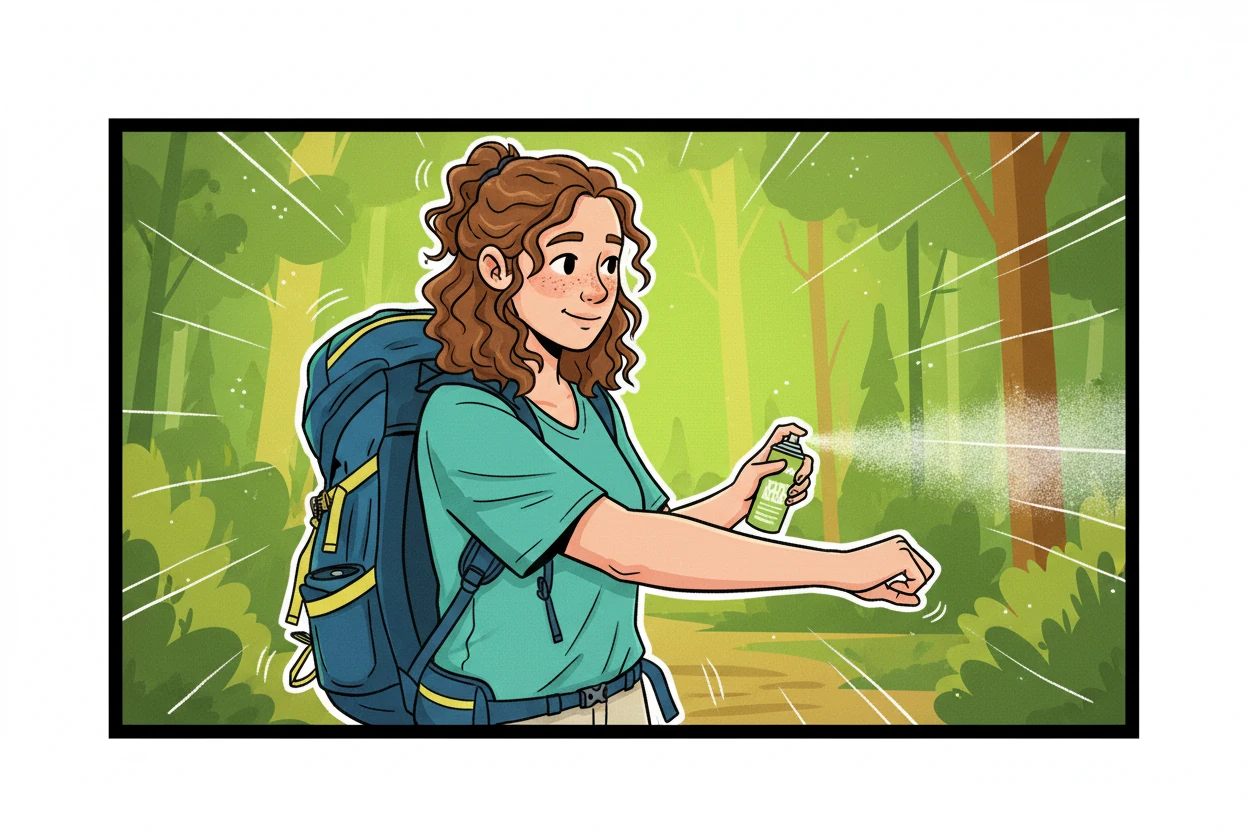
- Using insect repellents on exposed skin and clothing11918
- Performing thorough tick checks on yourself, children, and pets after outdoor activities11918
- Promptly removing attached ticks with fine-tipped tweezers19
- Using tick preventatives on dogs and controlling free-roaming dog populations to reduce brown dog tick infestations91014
Early treatment with doxycycline saves lives. Do not delay treatment pending laboratory confirmation2.
The recent outbreak of severe and fatal RMSF cases linked to travel to Tecate, Baja California, Mexico, underscores the importance of awareness among healthcare providers and travelers23. Since July 2023, six confirmed cases were reported in California, including three deaths, with all patients exposed in Tecate within two weeks of illness onset3. Four of these patients were children under 18 years old, highlighting the vulnerability of young populations3.
Cross-border collaboration between U.S. and Mexican public health agencies has been critical in identifying this emerging risk and coordinating prevention efforts, including healthcare provider education and community-level tick control23. Climate change and urbanization may further influence tick distribution and RMSF emergence, emphasizing the need for ongoing surveillance and integrated One Health approaches20218.
| Treatment Aspect | Details | Source(s) |
|---|---|---|
| Antibiotic of choice | Doxycycline for all ages, including children and pregnant women | 1116 |
| Dosage | Adults: 100 mg every 12 hours; Children: 2.2 mg/kg twice daily | 16 |
| Treatment duration | Minimum 5–7 days; continue 3 days after fever subsides and clinical improvement | 16 |
| Alternative treatment | Chloramphenicol (higher risk, limited availability) | 16 |
| Prophylaxis after tick bite | Not recommended; monitor symptoms and seek care if illness develops | 16 |