Many people who test positive for COVID-19 may continue to test positive for weeks, but this does not always mean they are contagious1. Understanding when retesting is necessary can help prevent unnecessary isolation and reduce the risk of spreading the virus to others2. This article explains the current guidelines and expert opinions on retesting after a positive COVID-19 result, focusing on when and why retesting should be considered1.
Immediate Steps After a Positive COVID-19 Test
If you test positive for COVID-19, the Centers for Disease Control and Prevention (CDC) recommends isolating at home for at least five days starting from the day your symptoms began (day 0), or from the date of your positive test if you have no symptoms2. During isolation, it is important to wear a high-quality mask around others through day 10 to reduce transmission risk2. Symptoms such as gastrointestinal issues, muscle aches, and loss of smell or taste are common and may persist beyond the isolation period2. If you initially test positive without symptoms but develop symptoms within 10 days, you should restart a new five-day isolation period beginning from the first day of symptoms2.
Key steps to take after a positive test include:
- Isolate at home for 5 days from symptom onset or positive test date if asymptomatic2.
- Wear a well-fitting mask around others through day 102.
- Monitor symptoms closely and seek medical care if severe symptoms develop, such as difficulty breathing or chest pain3.
- Avoid contact with people at higher risk for severe COVID-19, including older adults and immunocompromised individuals, for 10 days4.
- Continue good hygiene practices such as handwashing and cleaning frequently touched surfaces3.
Isolation can end after five days if symptoms have improved and you have been fever-free for at least 24 hours without medication2. However, masking and physical distancing remain important preventive measures through day 102.
CDC Retesting Guidelines Following COVID-19
The CDC does not generally recommend retesting after the initial five-day isolation period if symptoms have resolved or are improving2. However, antigen testing may be used to potentially shorten the duration of mask use before day 102. Two negative antigen tests taken 48 hours apart can allow earlier removal of masks, but if antigen testing is unavailable or not performed, masking through day 10 is advised2.
For people with severe illness or those who are immunocompromised, extended isolation and additional testing are recommended to ensure safety before ending isolation2. In these cases, consultation with a healthcare provider is encouraged to tailor retesting plans2.
Important CDC retesting points include:
- Retesting is optional and not mandated after isolation if symptoms improve2.
- Antigen tests can guide decisions on when to stop masking before day 102.
- Extended isolation and testing may be necessary for severe or immunocompromised cases2.
- Healthcare provider guidance is important for individualized retesting strategies2.
Medical Expert Views on COVID-19 Retesting
Some medical experts, including the American Medical Association (AMA), have expressed concerns that CDC guidelines allowing isolation to end without a negative test may lead to infectious individuals returning to public settings prematurely1. Studies suggest that approximately 31% of people remain infectious after five days, which raises the risk of ongoing transmission1.
Experts emphasize that ending isolation without confirming non-infectiousness through testing can contribute to the spread of COVID-191. Retesting is primarily advised if new symptoms develop or if required by employer policies1. However, expert opinions sometimes differ from CDC recommendations, reflecting the complexity of balancing public health safety with practical considerations1.
“I would highly, highly, highly recommend people not listen to the five-day-to-exit-isolation recommendation. That was based on old data.”
— Epidemiologist Michael Mina5
Retesting for New COVID-19 Symptoms
Reinfection with COVID-19 can occur within 90 days of the initial infection, although it is relatively uncommon1. If new symptoms develop during this period, retesting is recommended to distinguish reinfection from other causes1. Healthcare providers should be consulted to evaluate symptoms and decide on the necessity of retesting1.
Key considerations for retesting with new symptoms:
- Retest if new symptoms arise after initial recovery from COVID-191.
- Reinfection is possible within three months of the first infection1.
- Medical advice should be sought to assess symptoms and testing needs1.
- Retesting helps differentiate between reinfection and other illnesses1.
Workplace Requests for COVID-19 Retesting
The CDC does not support employer requirements for negative COVID-19 tests after the five-day isolation period2. However, employers are encouraged to facilitate access to free testing to support retesting when clinically or operationally indicated2. This approach balances workplace safety with practical considerations and respects current public health guidance2.
Workplace retesting guidance includes:
- Employers should not mandate negative tests to end isolation2.
- Access to free testing sites should be expanded to support retesting when needed2.
- Retesting may be required if workplace policies or specific job roles demand it1.
- Retesting helps ensure safety in high-risk work environments2.
Confirming COVID-19 Test Results
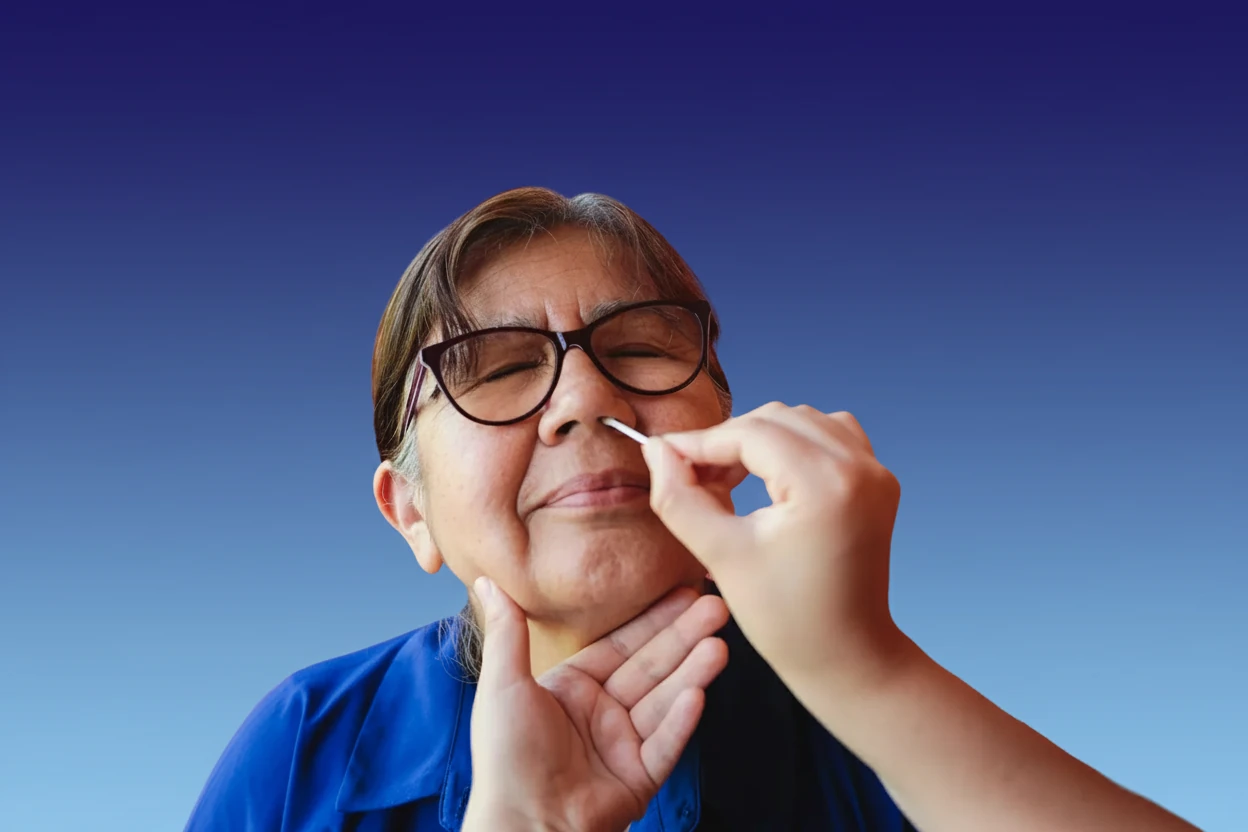
PCR tests are highly sensitive and can detect viral RNA fragments long after infectiousness ends, leading to prolonged positive results that do not necessarily indicate contagiousness1. Antigen tests are less sensitive and may produce false negatives but can indicate lower viral loads1. A negative antigen test at day five post-infection suggests reduced viral presence but does not guarantee non-infectiousness, so masking remains important1.
Important facts about test results:
- PCR tests may remain positive for weeks or months after infection due to non-viable viral RNA1.
- Antigen tests have higher false negative rates compared to PCR tests1.
- Negative antigen tests do not confirm absence of infectiousness; continued masking is essential1.
- Persistent positive PCR results can occur despite low infectious risk1.
Practical Application of Retesting Guidance
Retesting is most useful when symptoms persist, exposure occurs, or frequent contact with others is expected1. The CDC prioritizes time and symptom improvement over testing to end isolation, reflecting clinical experience that most individuals are not infectious five days after symptom onset2. Excessive retesting can lead to misleading results and unnecessary isolation2.
Practical tips for retesting include:
- Retesting intervals shorter than three days are not recommended to avoid false results2.
- Use antigen testing optionally at the end of isolation to assess viral load2.
- Healthcare provider clearance is the most reliable indicator for safely ending isolation2.
- Continue mask use in public, preferably with N95 respirators for superior protection2.
- Retesting is advisable if symptoms persist, new exposure occurs, or frequent social contact is expected1.
“If you are still positive late in your disease or even though you’re symptom-free, that test is indicating that you still are shedding something.”
— Dr. Diana Cardona, College of American Pathologists6
Key Takeaways on COVID-19 Retesting
- Isolation can end after five days if symptoms improve and no fever is present for 24 hours without medication2.
- Mask use should continue through day 10 post-infection or symptom onset2.
- Retesting is optional and should not be done more frequently than every three days2.
- Extended isolation beyond 10 days may be necessary for severe or immunocompromised cases2.
- Medical consultation is advised to tailor isolation and retesting decisions2.