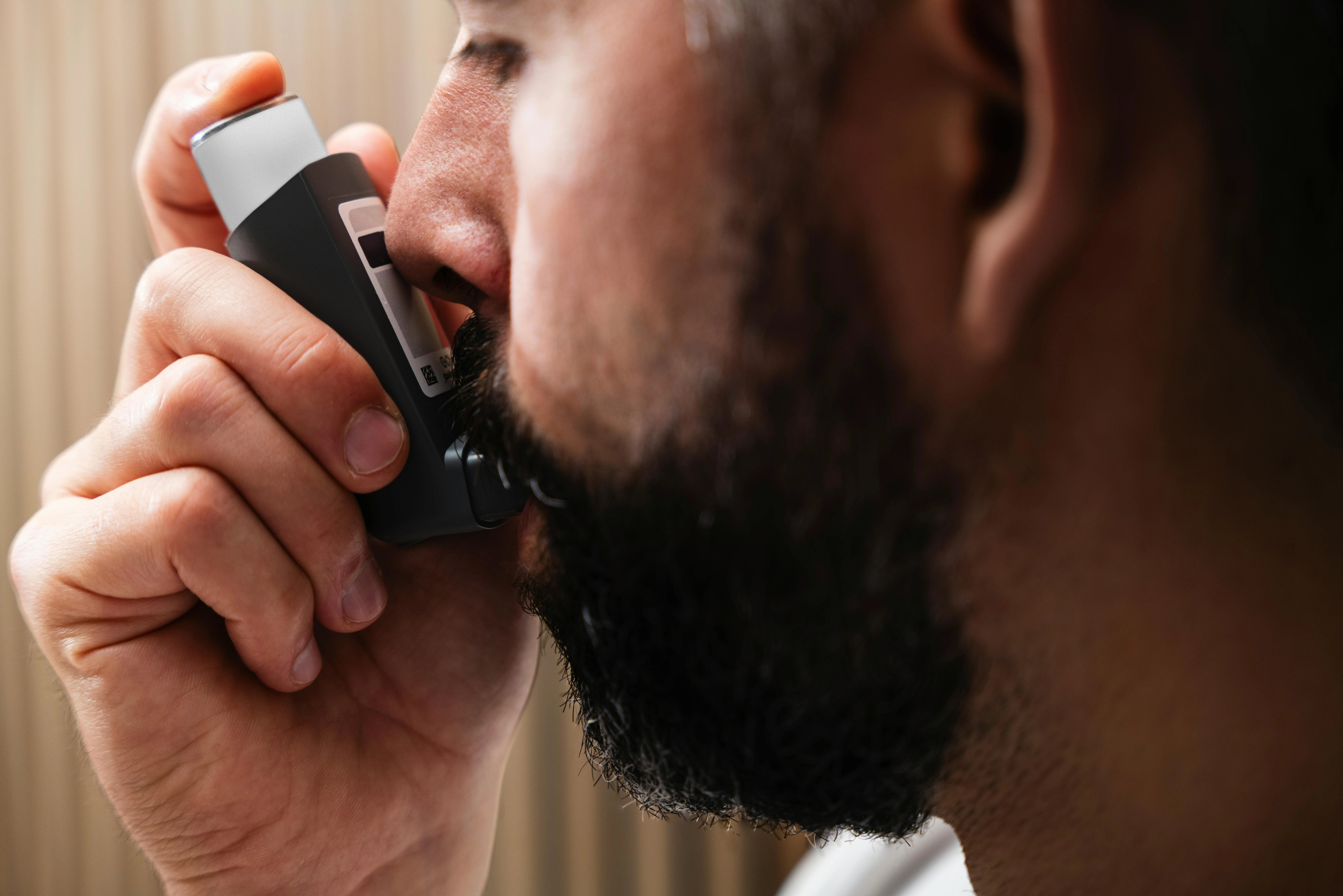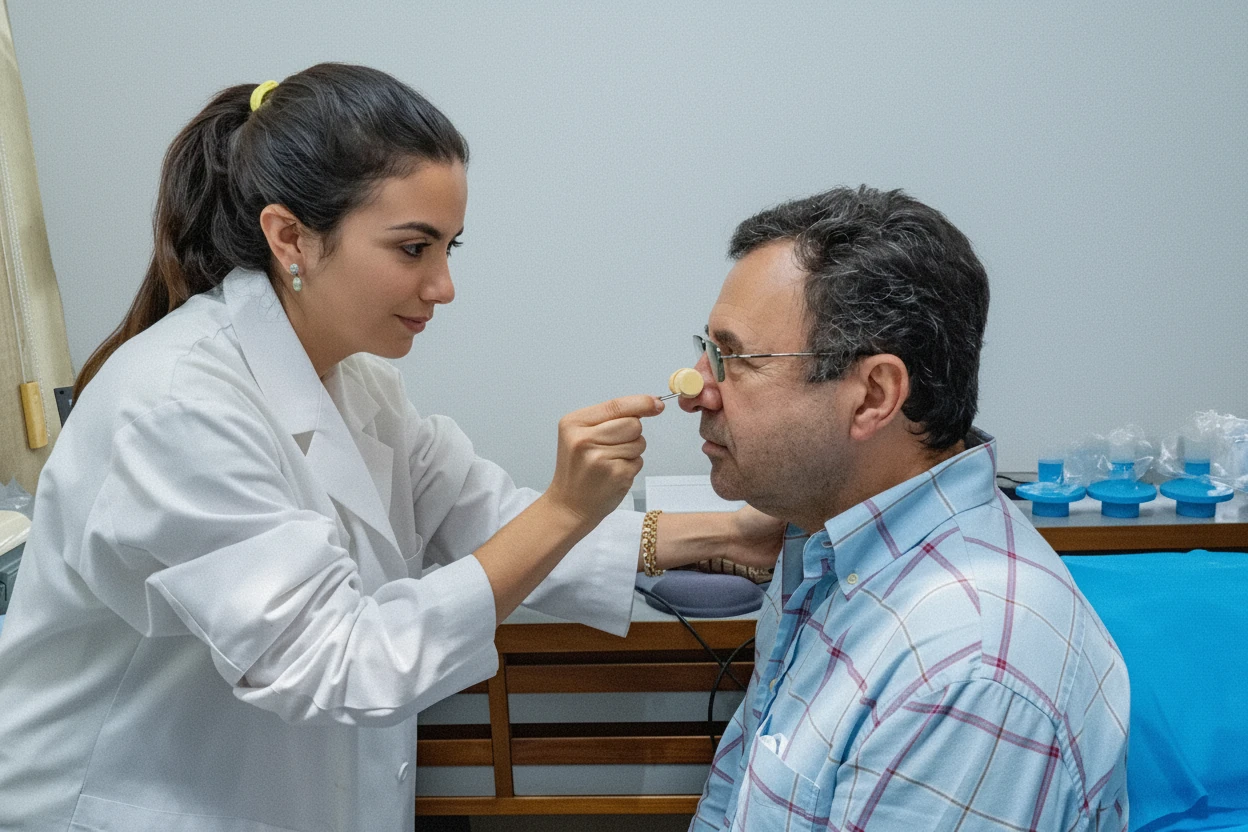
Pulmonary function tests (PFTs) are essential tools used by healthcare providers to evaluate how well the lungs work. These tests measure lung volume, airflow, and gas exchange, helping diagnose and manage respiratory conditions such as asthma, chronic obstructive pulmonary disease (COPD), and pulmonary fibrosis1. PFTs are non-invasive, safe, and provide valuable information about lung health by comparing individual results to predicted values based on age, sex, height, and ethnicity2.
Purpose of Pulmonary Function Tests
Pulmonary function tests are valuable investigations in managing patients with suspected or diagnosed respiratory diseases3. They help diagnose and monitor a broad spectrum of respiratory disorders, including asthma, COPD, and interstitial lung disease4. PFTs also guide treatment decisions by monitoring response to therapy and assessing disease progression3. In addition, these tests are used preoperatively to quantify surgical risk and identify acute respiratory problems5. Occupational health uses PFTs to detect early lung or airway damage from environmental exposures3. Patients with symptoms such as wheezing, chest tightness, or shortness of breath often undergo PFTs, as do those with systemic diseases like connective tissue disorders that may affect lung function3.
Appropriate resources, time, and expertise are needed to run an efficient pulmonary function laboratory capable of performing high-quality testing11.
Types of Pulmonary Function Tests
Pulmonary function tests include several types, each providing unique insights into lung health. The three main categories are spirometry, lung plethysmography, and lung diffusion tests4.
Spirometry
Spirometry is the most common pulmonary function test. It measures the forced vital capacity (FVC), which is the volume of air that can be forcibly exhaled after a maximal inhalation, and the forced expiratory volume in one second (FEV1), which is the volume of air exhaled in the first second of a forced breath4. Spirometry assesses airflow and helps diagnose obstructive lung diseases like asthma and COPD by measuring how quickly air can be exhaled6.
Lung Plethysmography
Lung plethysmography measures lung volumes, including total lung capacity (TLC) and residual volume (RV)4. TLC is the total amount of air in the lungs after a maximal inhalation, while RV is the air remaining after maximal exhalation4. This test is useful for diagnosing restrictive lung diseases, which are characterized by reduced lung volumes and decreased lung expansion4. Plethysmography provides direct measurements of lung volumes and assesses lung compliance (the lung’s ability to stretch and expand)4.
Lung Diffusion Test
The lung diffusion test measures how well gases like oxygen transfer from the lungs into the mcv blood test results meaning and normal range. It uses a small amount of carbon monoxide inhaled by the patient to calculate the diffusing capacity of the lung for carbon monoxide (DLCO)7. This test helps evaluate the efficiency of gas exchange across the alveolar-capillary membrane and can detect diseases affecting the lung tissue or pulmonary blood vessels4.
How Pulmonary Function Tests Work
Pulmonary function tests involve several steps before, during, and after testing to ensure accurate and meaningful results.
Before the Test
Proper preparation is crucial for reliable PFT results. Patients are advised to avoid smoking for at least six hours before the test, refrain from heavy meals for two hours, and avoid intense exercise for 30 minutes prior3. Wearing loose-fitting clothing allows unrestricted chest movement3. Patients should inform their healthcare provider about all medications, especially bronchodilators, which may need to be withheld before testing to avoid skewing results3. Dentures should be worn during the test to ensure a proper seal with the mouthpiece3.
During the Test: Spirometry
During spirometry, the patient wears a soft clip on the nose to ensure breathing occurs through the mouth. They breathe into a mouthpiece connected to a spirometer, which measures airflow and volume1. The test involves three phases: maximal inspiration, a rapid and forceful exhalation (blast), and continued complete exhalation until no more air can be expelled7. The test may be repeated after administering a bronchodilator to assess airway reversibility7. Spirometry typically takes about 10 to 15 minutes to complete3.
During the Test: Lung Plethysmography
In lung plethysmography, the patient sits or stands inside a clear, airtight box and breathes through a mouthpiece8. The box measures changes in pressure and volume as the patient breathes, allowing calculation of lung volumes such as TLC and RV4. The test usually lasts about 15 minutes8. This method is considered the gold standard for lung volume measurement, especially in patients with obstructive diseases like COPD or asthma7.
During the Test: Lung Diffusion Test
The lung diffusion test requires the patient to inhale a gas mixture containing a small amount of carbon monoxide and hold their breath for a few seconds8. The amount of carbon monoxide exhaled is measured to determine how effectively gas transfers from the lungs to the bloodstream7. This test takes approximately 15 minutes8. It is particularly useful for detecting early lung tissue damage or pulmonary vascular disease7.
After the Test
After completing the tests, patients can usually resume their normal activities and medications unless otherwise instructed1. Some may experience transient dizziness, lightheadedness, or coughing, which typically resolve quickly3. Healthcare providers will analyze the results and discuss them with the patient during a follow-up appointment, usually within a few days3. Proper preparation and patient cooperation during testing are essential for accurate results3.
Risks and Precautions
Pulmonary function tests are non-invasive and generally safe, with minimal risks3. The tests require patient effort and cooperation to ensure quality results9. Some patients may experience transient dizziness, shortness of breath, or coughing during or after testing, but these symptoms usually resolve quickly3. PFTs are contraindicated in patients with recent myocardial infarction, unstable cardiac conditions, or recent pneumothorax due to potential risks3. Proper patient instruction and coaching are important to minimize risks and improve test accuracy9.
Preparing for a Pulmonary Function Test
To prepare for a pulmonary function test, patients should:
- Avoid smoking for at least six hours before the test3.
- Refrain from heavy meals for two hours before testing3.
- Avoid intense exercise for at least 30 minutes prior3.
- Wear loose-fitting, comfortable clothing3.
- Inform the healthcare provider about all medications, especially bronchodilators, which may need to be withheld3.
- Arrive on time and follow any additional instructions provided by the healthcare team10.
PFTs are contraindicated for patients who have had a recent heart attack, unstable heart disease, or recent pneumothorax3. Patients with these conditions should discuss alternatives with their healthcare provider3.
Understanding Test Results
Pulmonary function test results are compared to predicted values based on the patient’s age, sex, height, and ethnicity to determine normalcy3. Results outside the normal range suggest the presence of lung disease but do not provide a specific diagnosis3. PFTs help differentiate between obstructive and restrictive lung diseases3.
Interpreting the Results
- Obstructive lung diseases show airflow limitation, making it difficult to exhale air quickly. This is indicated by a reduced FEV1 and a low FEV1/FVC ratio (less than 0.70)37.
- Restrictive lung diseases are characterized by reduced lung volumes and decreased lung expansion, often shown by a low TLC (less than 80% of predicted)47.
- A significant bronchodilator response is an increase in FEV1 or FVC by at least 10% of predicted values, suggesting reversible airway obstruction, as seen in asthma7.
- Low diffusion capacity (DLCO) may indicate lung tissue damage, pulmonary vascular disease, or emphysema7.
- Normal PFT results fall within a certain range of predicted means for the patient’s demographic and indicate healthy lung function3.
Healthcare providers use PFT results alongside clinical history and other tests to diagnose and manage lung diseases3.
Pulmonary function tests (PFTs) are imperative to the diagnosis of people with respiratory symptoms and lung disease and to disease management. PFTs require expertise to obtain both high-quality tests and proficiency in test interpretation11.
Summary of Pulmonary Function Tests
Pulmonary function tests are non-invasive, safe, and essential tools for evaluating lung health. They provide detailed information about lung volumes, airflow, and gas exchange, helping diagnose and monitor respiratory diseases such as asthma, COPD, and interstitial lung disease1243. The main types of PFTs include spirometry, lung plethysmography, and lung diffusion tests, each offering unique insights into lung function4. Proper patient preparation and cooperation are vital for accurate results3. Healthcare providers interpret PFT results by comparing them to predicted values based on demographic factors, aiding in disease diagnosis and management3.
- PFTs help detect airway narrowing, assess lung tissue and vascular health, and guide treatment decisions1.
- Spirometry measures airflow and lung capacity, useful for diagnosing obstructive diseases6.
- Lung plethysmography measures lung volumes, important for identifying restrictive diseases4.
- Lung diffusion tests evaluate gas transfer efficiency from lungs to blood7.
- PFTs are generally well-tolerated and take between 10 and 45 minutes to complete3.
Pulmonary function testing is a cornerstone of respiratory medicine, requiring specialized equipment and trained personnel to ensure high-quality testing and interpretation11.