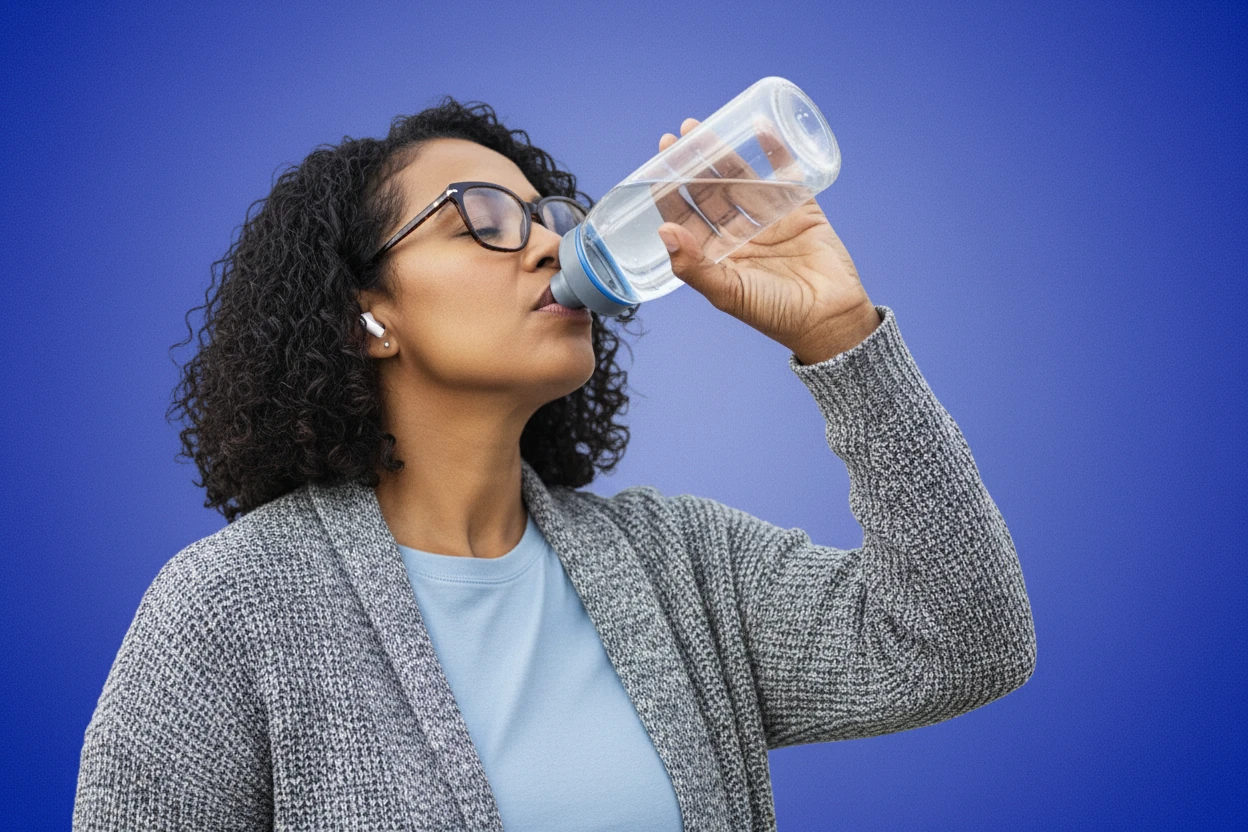
Polydipsia is a medical condition characterized by excessive thirst and fluid intake that persists despite adequate hydration1. It can last for days, weeks, or even longer, and often signals an underlying health problem such as diabetes mellitus or diabetes insipidus2. Understanding the causes, symptoms, and treatment options for polydipsia is essential to prevent complications and improve patient outcomes3.
Causes of Polydipsia
Polydipsia arises when the body's thirst mechanism is abnormally activated or when fluid loss triggers excessive drinking beyond normal physiological needs3. It is broadly classified into primary and secondary polydipsia based on the presence or absence of an identifiable physical cause.
Primary Polydipsia
Primary polydipsia refers to excessive fluid intake without an identifiable physical cause4. It includes two main subtypes: psychogenic polydipsia and dipsogenic polydipsia, each with distinct underlying mechanisms5.
-
Psychogenic polydipsia is commonly associated with psychiatric disorders such as schizophrenia and mood disorders6. It affects approximately 6% to 20% of psychiatric patients, especially those with schizophrenia7. Patients compulsively drink water without physiological stimuli, often as a behavioral response or a way to self-treat62. Certain medications, including antipsychotics, may exacerbate this condition8.
-
Dipsogenic polydipsia results from a lowered osmotic threshold for thirst due to hypothalamic dysfunction9. This subtype can also develop in health-conscious individuals who overconsume water believing it is beneficial10. It is characterized by compulsive overconsumption of water beyond physiological needs5.
Primary polydipsia can lead to polyuria with diluted urine and, if unchecked, may cause hyponatremia due to water intoxication1.
Secondary Polydipsia
Secondary polydipsia occurs as a symptom of an underlying medical condition or as a side effect of medications6. Common causes include:
-
Diabetes mellitus: High mcv blood test results meaning and normal range sugar levels cause osmotic diuresis, leading to dehydration and increased thirst2. Both type 1 and type 2 diabetes mellitus can present with polydipsia11.
-
Diabetes insipidus: A disorder of antidiuretic hormone (ADH) secretion or action, resulting in impaired water reabsorption by the kidneys and excessive urination1213.
-
Dehydration: Loss of bodily fluids through vomiting, diarrhea, or excessive sweating triggers thirst to restore fluid balance14.
-
Medications: Drugs such as anticholinergics, diuretics, phenothiazines, and demeclocycline can induce polydipsia15.
-
Other medical conditions: Kidney disease, Addison’s disease, hyperthyroidism, and cystic kidney disease may also cause excessive thirst215.
Water intake normally varies according to diet, physical activity, and environmental conditions, but persistent excessive thirst beyond these factors is abnormal and may indicate polydipsia3.
Polydipsia Symptoms and Signs
Polydipsia is characterized by persistent thirst that does not resolve despite adequate hydration6. Differentiating normal thirst from polydipsia requires clinical assessment of fluid intake and associated symptoms3.
Key symptoms and signs include:
-
Persistent dry mouth and an unquenchable urge to drink fluids2.
-
Polyuria (excessive urination), often exceeding 10 liters per day compared to the normal 1.5 to 2 liters13. Adults passing more than 2.5 liters of urine daily may be considered to have polyuria15.
-
Dilute, clear urine due to high fluid intake, contrasting with concentrated, dark-colored urine seen in dehydration13.
-
Symptoms related to the underlying disorder, such as fatigue, weight changes, neurological signs, blurred vision, or numbness32.
-
In psychogenic polydipsia, patients may exhibit compulsive water drinking without physiological stimuli6.
Urine volume and concentration tests help distinguish polydipsia from normal thirst and other causes of polyuria13. Normal thirst typically resolves once fluid deficits are corrected, whereas polydipsia persists6.
Polydipsia Treatment Options
Treatment of polydipsia focuses on identifying and managing the underlying cause to prevent complications from excessive fluid intake62.
-
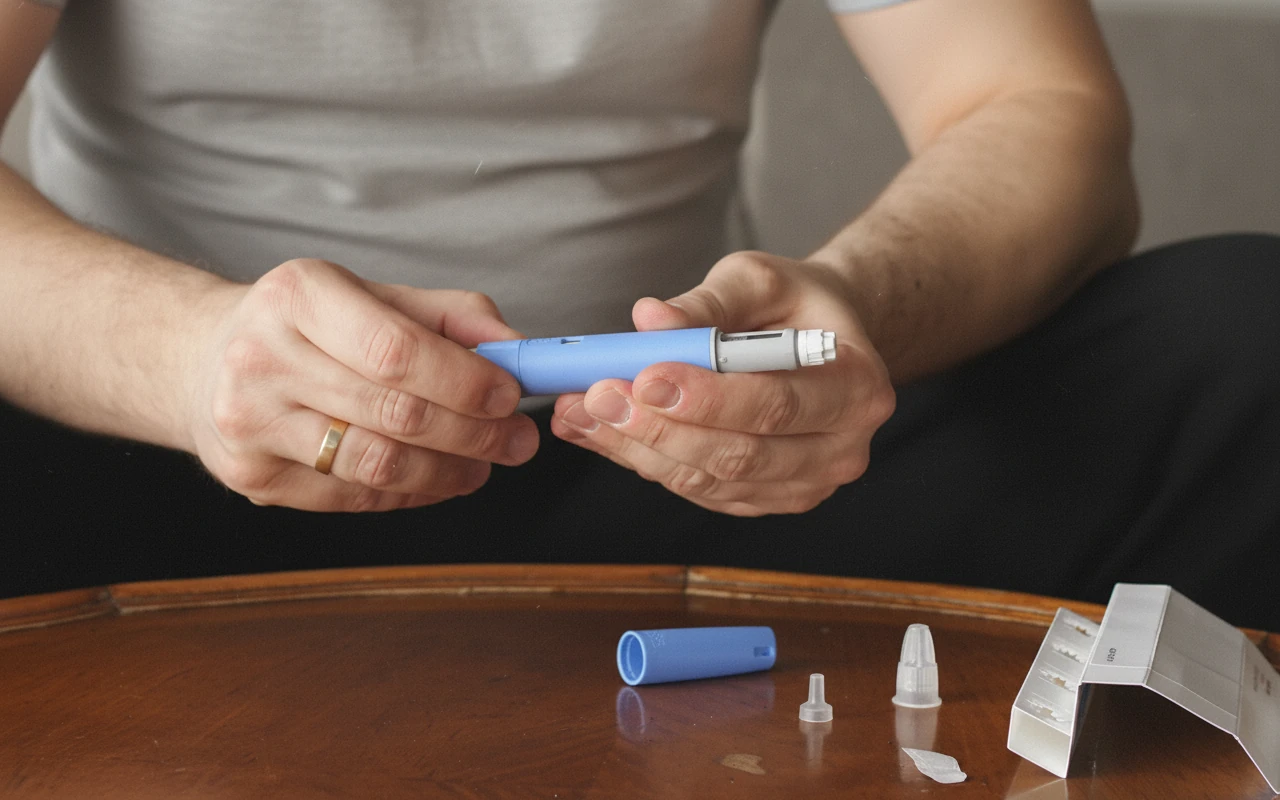
Diabetes mellitus: Management includes lifestyle modifications such as diet and physical activity, along with pharmacologic treatment to control blood glucose levels11. Insulin therapy is standard for type 1 diabetes, while metformin and other medications are commonly used for type 2 diabetes11.
-
Diabetes insipidus: Desmopressin, a synthetic vasopressin analogue, is used to replace deficient ADH13. It can be administered via nasal spray, oral tablets, or injections13. Patients are advised to maintain adequate hydration to prevent dehydration2.
-
Psychogenic polydipsia: Treatment involves psychiatric care, including counseling and behavioral therapy to control compulsive drinking816. Medication adjustments may be necessary if antipsychotics exacerbate symptoms8.
-
Medication-induced polydipsia: Adjusting or changing medications that contribute to excessive thirst can alleviate symptoms15.
-
General measures: Monitoring fluid intake and output, correcting electrolyte imbalances, and educating patients about appropriate hydration are important components of care2.
“Psychogenic polydipsia is a challenging condition that requires a multidisciplinary approach, including psychiatric support and careful monitoring of fluid intake to prevent life-threatening complications.”
— Hurwit et al.17
Potential Complications of Polydipsia
If untreated, polydipsia can lead to serious complications affecting multiple organ systems6.
-
Hyponatremia: Excessive water intake can overwhelm the kidneys' ability to excrete water, leading to dilutional hyponatremia (low sodium levels)17. This condition may cause neurological symptoms such as headache, confusion, seizures, and can be fatal if untreated18.
-
Water intoxication: Severe overhydration can cause swelling of brain cells, resulting in neurological impairment and potentially death1718.
-
Renal overload: Chronic polydipsia may strain the kidneys, leading to renal dysfunction3.
-
Cardiovascular complications: Fluid overload can precipitate heart failure in susceptible individuals3.
-
Bone complications: Electrolyte imbalances may affect bone health3.
-
Urinary incontinence and nocturnal enuresis: Particularly observed in psychogenic polydipsia19.
Early diagnosis and management are crucial to prevent these adverse outcomes3.
| Aspect | Details |
|---|---|
| Types | Primary (psychogenic, dipsogenic), Secondary (medical causes like diabetes mellitus) |
| Psychiatric Association | Up to 20% prevalence in psychiatric patients, especially schizophrenia |
| Diagnostic Tools | Urine and blood tests, water deprivation test, copeptin measurement |
| Major Complication | Hyponatremia leading to neurological symptoms and potential death |
| Sources:123419 | |
When to Seek Medical Care
Persistent, unexplained excessive thirst warrants prompt medical evaluation6.
Seek medical care if you experience:
-
Excessive thirst that does not improve after drinking fluids14.
-
Frequent or excessive urination, especially if urine output exceeds 4.75 liters per day15.
-
Symptoms such as blurred vision, fatigue, headache, confusion, or muscle weakness214.
-
Signs of dehydration or electrolyte imbalance, including dizziness, sluggishness, or confusion14.
-
Known psychiatric illness with compulsive water drinking19.
A healthcare provider will perform a detailed history, physical examination, and order laboratory tests such as blood chemistry, urine studies, and possibly imaging to identify the cause1315. Early intervention can prevent life-threatening complications like hyponatremia and water intoxication17.
Persistent excessive thirst despite adequate fluid intake is a red flag for underlying disease and requires medical attention. Early diagnosis and treatment can prevent serious complications such as neurological damage from hyponatremia.1318
Polydipsia Summary and Key Points
-
Polydipsia is excessive thirst and fluid intake that persists beyond normal physiological needs3.
-
It is classified as primary (without physical cause) or secondary (due to medical or psychiatric conditions)4.
-
Psychogenic polydipsia is common in psychiatric patients, especially those with schizophrenia, and involves compulsive water drinking67.
-
Secondary causes include diabetes mellitus, diabetes insipidus, dehydration, medications, and other medical disorders215.
-
Symptoms include persistent thirst, polyuria, dilute urine, and signs related to the underlying condition136.
-
Treatment targets the underlying cause, such as blood sugar control in diabetes or psychiatric care in psychogenic polydipsia118.
-
Complications like hyponatremia and water intoxication can be life-threatening and require urgent management1718.
-
Early medical evaluation is essential when excessive thirst is unexplained or accompanied by other concerning symptoms14.