Polio, once a widespread and devastating disease causing paralysis and death, has been nearly eradicated worldwide thanks to effective vaccination efforts. Since 1988, global polio cases have dropped dramatically from over 350,000 to fewer than 100 cases of wild poliovirus, now mainly limited to Afghanistan and Pakistan1. Despite this success, polio remains a threat because vaccine-derived poliovirus cases still occur, and immunity can wane over time, making vaccination and boosters important tools for continued protection23.
Polio Vaccine Protection Duration
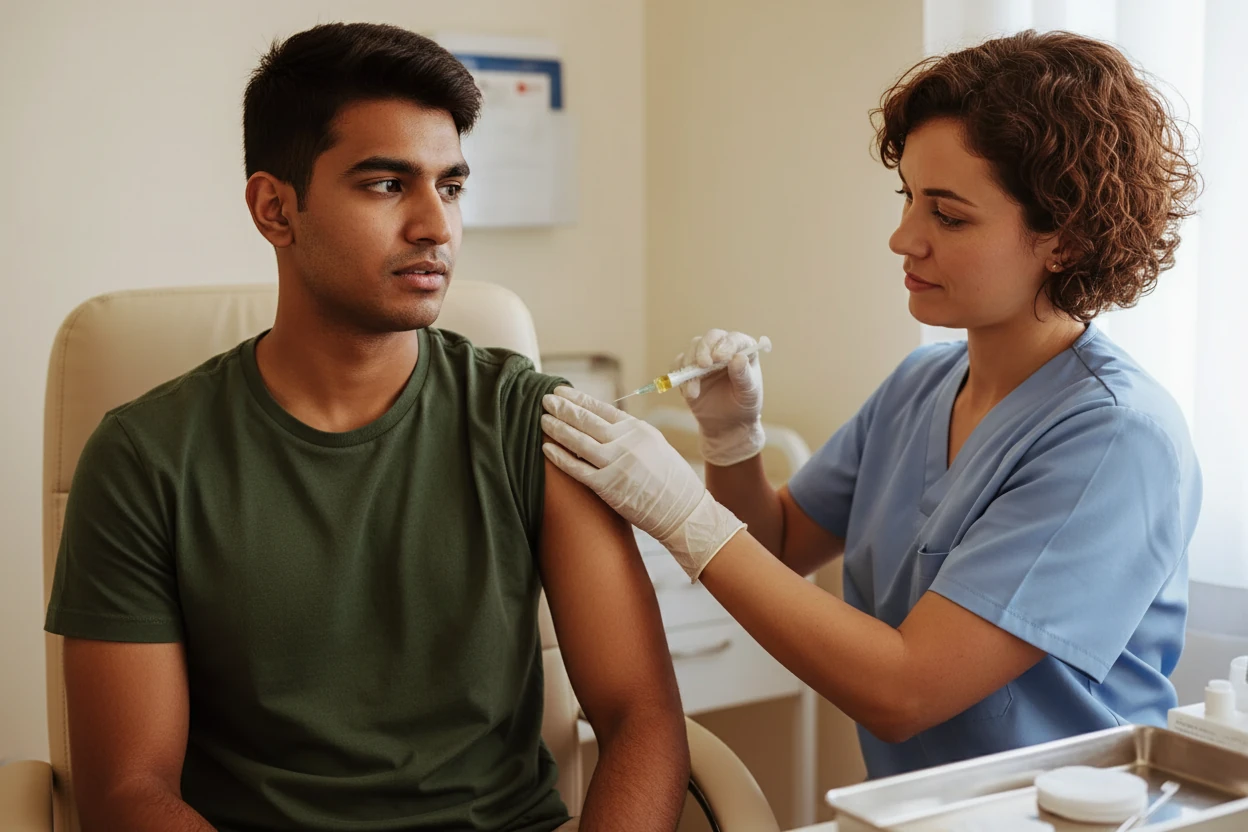
The inactivated polio vaccine (IPV) is the cornerstone of polio prevention in the United States. It is administered exclusively as a series of four doses during childhood, given at 2 months, 4 months, 6–18 months, and 4–6 years of age45. This vaccine uses killed virus particles, which cannot cause infection but stimulate the immune system to develop protection.
Two doses of IPV provide at least 90% protection against polio, and three doses increase that protection to at least 99%2. The vaccine induces both humoral immunity (antibodies circulating in the mcv blood test results meaning and normal range) and cellular immunity, including memory B cells, which help the body respond quickly if exposed to poliovirus later2. Although the exact duration of protection after completing the IPV series is not definitively known, long-term immunity is expected, likely lasting many years53.
Waning immunity over time may allow poliovirus transmission, but most infections in vaccinated individuals are mild or asymptomatic, reducing the risk of severe disease and paralysis2. The IPV has been highly effective in preventing paralytic polio, a severe form of the disease that can cause permanent disability53.
The oral polio vaccine (OPV), which contains live weakened virus, is still used in some countries but is not part of the U.S. immunization program due to its rare risk of causing vaccine-derived poliovirus outbreaks2. In contrast, the IPV used in the U.S. has an excellent safety profile and cannot cause polio infection56.
💡 Did You Know?
CDC recommends that all children get 4 doses of polio vaccine as part of the routine childhood vaccination schedule. Most adults born and raised in the United States can assume they were vaccinated for polio7.
| Dose Number | Age at Administration | Protection Level | Notes |
|---|---|---|---|
| 1 | 2 months | Initial immunity | Start of immune response |
| 2 | 4 months | ≥90% protection | Significant immunity gain |
| 3 | 6–18 months | ≥99% protection | Near-complete protection |
| 4 | 4–6 years | Long-term immunity | Booster for lasting effect |
| Sources:452 | |||
Who Should Get a Polio Booster
Most adults in the United States do not need a polio booster because they were vaccinated as children and are presumed protected9. However, certain groups of people may benefit from receiving a single lifetime booster dose of IPV to maintain immunity, especially if they are at increased risk of exposure to poliovirus56.
- Adults traveling to countries where polio is still endemic or where outbreaks are occurring should receive a single lifetime IPV booster dose before travel5.
- Laboratory workers who handle specimens that might contain polioviruses are advised to get a booster to reduce the risk of infection56.
- Healthcare workers or caregivers who have close contact with someone who could be infected with poliovirus may need a booster dose5.
- Adults identified by public health authorities as part of a group at increased risk due to a local outbreak should receive a booster5.
- Bone marrow transplant recipients should be revaccinated with IPV regardless of their previous vaccination status, as their immune systems may not respond adequately to past vaccines5.
The polio vaccine prevents a disease that can cause paralysis and even death. Most adults in the U.S. were vaccinated as children and remain protected, but travelers to polio-affected areas and certain healthcare workers may need a booster dose to stay safe1036.
Additional doses of IPV are safe and can be administered if there is uncertainty about a person's vaccination history5. Adults who have never been vaccinated or who have an incomplete vaccination series should receive the full IPV series of three doses to ensure protection53.
| Adult Group | Recommendation | Notes |
|---|---|---|
| Fully vaccinated, low risk | No booster needed | Presumed protected |
| Fully vaccinated, increased risk | One lifetime IPV booster dose | Travelers, lab and healthcare workers |
| Unvaccinated or incomplete series | Complete 3-dose IPV series | First dose anytime, second 1–2 months later, third 6–12 months after second53 |
| Bone marrow transplant recipients | Revaccination regardless of history | Due to immune system compromise |
The Centers for Disease Control and Prevention (CDC) maintains up-to-date information on polio activity worldwide, which travelers and healthcare providers should consult when considering the need for a booster5.
Although the IPV series provides strong protection, immunity can wane over time, especially in adults who have not had recent exposure to poliovirus. Boosters help maintain immunity in those at risk of encountering the virus, preventing potential outbreaks and paralysis23.
Polio infections can be disabling or life-threatening, and there is no cure, making vaccination the best defense10. Even in countries where polio is rare, travelers and certain professionals face increased exposure risks, so boosters are a critical preventive measure56.