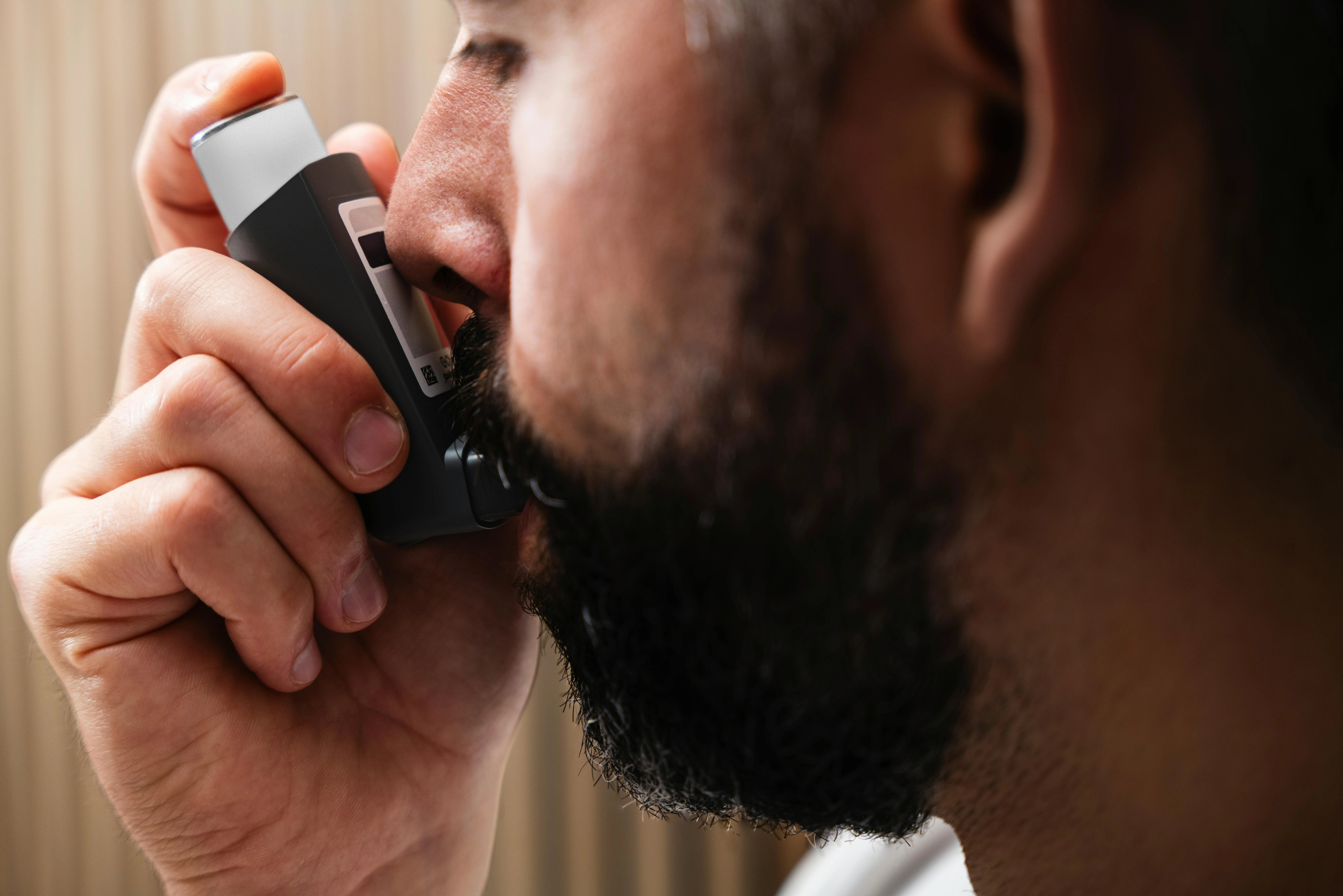
asthma-symptoms-causes-and-treatmentasthma-symptoms-causes-and-treatmentasthma-types-classifications-triggers-and-severityasthma-types-classifications-triggers-and-severityAsthma affects millions of children in the United States, with urban areas like Philadelphia experiencing especially high rates. In Philadelphia, about one in four children suffer from asthma, a rate more than three times the national average1. This chronic condition disproportionately impacts Black and Hispanic children, who face higher rates of asthma-related hospitalizations and emergency visits due to environmental and social factors2. Addressing asthma in these communities requires targeted interventions that focus on improving home environments and reducing exposure to asthma triggers3.
Root Causes of Childhood Asthma Symptoms
Asthma is a chronic respiratory condition characterized by inflammation of the airways, leading to narrowing and obstruction that cause breathing difficulties4. Exposure to certain environmental triggers worsens airway inflammation and can precipitate asthma attacks5. Common indoor triggers include cockroach allergens, dust mites, mold, pet dander, and tobacco smoke, all of which are frequently found in substandard housing6. These triggers are especially prevalent in older homes with poor ventilation, water damage, and pest infestations, conditions common in many Philadelphia neighborhoods1.
Children spend approximately 90% of their time indoors, making the home environment a critical factor in asthma control5. Poor housing quality, including issues such as pest infestations, water leaks, and old carpeting, contributes significantly to asthma morbidity, particularly among low-income and minority children7. Historical and ongoing discriminatory housing policies have led to disproportionate exposure to these environmental hazards in communities of color8. Additionally, indoor air pollutants like nitrogen dioxide from gas stoves exacerbate asthma symptoms and disproportionately affect Black, Hispanic, and Indigenous families9.
Severe asthma exacerbations triggered by these environmental factors often require emergency department visits or hospitalizations10. Preventive interventions that target these triggers aim to reduce such acute healthcare utilization and improve overall asthma control11.
- Asthma causes airway inflammation that narrows airways and obstructs airflow4.
- Exposure to indoor triggers such as cockroaches, dust mites, mold, pet dander, and tobacco smoke worsens asthma symptoms6.
- Poor housing conditions, including pest infestations and water damage, increase exposure to asthma triggers7.
- Indoor nitrogen dioxide from gas stoves is linked to increased asthma symptoms in children9.
- Children spend most of their time indoors, making home environment interventions essential5.
How the CAPP and CAPP+ Programs Work
The Community Asthma Prevention Program (CAPP) was established in 1997 at the Children's Hospital of Philadelphia (CHOP) to address childhood asthma through home-based interventions1213. CAPP uses community health workers (CHWs) who visit families in their homes to provide asthma education, conduct environmental assessments, and offer supplies to reduce exposure to asthma triggers1415. These supplies often include mattress covers, pest control tools, and hypoallergenic cleaning products that help families manage common indoor allergens515.
💡 Did You Know?
The Lead and Healthy Homes Program in Philadelphia works alongside asthma programs to improve housing health and safety by providing information, referrals, and home remediation services for eligible families20.
CAPP+ is an expansion of the original program that addresses the root causes of asthma triggers by providing home repairs and renovations616. During home visits, CAPP staff identify structural issues such as holes in walls, plumbing leaks, mold growth, and old carpeting that cannot be adequately managed with supplies alone17. CAPP+ tackles these problems by repairing roofs, fixing plumbing, removing carpeting, sealing gaps to prevent pest entry, and improving ventilation with fans in kitchens and bathrooms1617. The program spends an average of $13,000 to $15,000 per home to make these repairs16.
This comprehensive approach aligns with evidence-based guidelines that emphasize trigger reduction and patient-centered care for asthma management5. Early evidence from CAPP+ shows reductions in parent-reported asthma symptoms and emergency healthcare utilization among children living in renovated homes17.
- CAPP provides free asthma education and home visits by community health workers to assess and reduce triggers1314.
- Home visits include environmental assessments and education on avoiding triggers15.
- Families receive supplies such as allergen-proof bedding and pest control tools5.
- CAPP+ expands services to include home repairs targeting structural causes of asthma triggers16.
- Repairs include roof and plumbing fixes, carpet removal, sealing holes, and ventilation improvements17.
Community Asthma Prevention Partnerships
Home-based asthma interventions that involve community health workers have demonstrated success in reducing emergency department visits and hospitalizations by providing tailored education, environmental assessments, and trigger mitigation supplies1418. Eligibility for programs like CAPP and CAPP+ typically includes children who have had recent asthma-related emergency visits or hospitalizations and who live in targeted high-risk areas of Philadelphia112.
💡 Did You Know?
The Community Asthma Prevention Program (CAPP) serves children, their parents, and asthma caregivers in many Philadelphia communities by offering free asthma education, home visits, and training to school personnel and primary care providers13.
Community health workers play a key role in linking families to education and support services, conducting home visits to identify triggers such as pests, mold, and dust, and teaching families strategies to avoid these triggers1415. They also provide supplies like mattress covers and cleaning tools to help families reduce allergen exposure515. When significant environmental hazards are found, families are referred to CAPP+ for home repairs that address structural problems contributing to asthma triggers62.
These integrated approaches improve asthma control and reduce healthcare utilization, easing the burden on families and the healthcare system19. Partnerships with community-based organizations and minority- and women-owned contractors help ensure culturally appropriate services and support local economic development23.
- Community health workers provide personalized asthma education and home assessments14.
- Eligibility often requires recent emergency visits or hospitalizations and residence in high-risk areas11.
- Home visits identify environmental triggers and teach avoidance strategies15.
- Families receive supplies such as allergen-proof bedding and pest control tools5.
- CAPP+ partners with local nonprofits and contractors to perform home repairs at no cost to families23.