Lung cancer remains the leading cause of cancer death worldwide, with non-small cell lung cancer (NSCLC) accounting for the majority of cases1. Accurate diagnosis and staging are critical for effective treatment, and PET scans have become a cornerstone imaging tool in lung cancer management2. By detecting metabolic activity in tissues, PET scans provide detailed insights that help guide diagnosis, treatment planning, and monitoring34.
PET Scan Purpose for Lung Cancer
PET/CT scans are essential in lung cancer care for several reasons. They help determine the stage of the disease, detect recurrent or residual cancer, evaluate response to therapy, and provide prognostic information2. PET scans are particularly useful in characterizing solitary pulmonary nodules and diagnosing primary lung cancer4.
In locally advanced NSCLC, PET/CT is recommended as the initial staging imaging to accurately assess the extent of disease5. This imaging modality combines metabolic information from PET with anatomical details from CT, offering a comprehensive view that aids in optimal disease assessment and guides biopsy site selection3.
While PET/CT excels in staging and treatment planning, MRI is primarily reserved for detecting isolated distant metastases, and CT remains the preferred tool for evaluating the local tumor6. PET scans also play a prognostic and predictive role by assessing tumor response to neoadjuvant and combined-modality therapies in NSCLC7.
“A positron emission tomography (PET) scan is an imaging exam that shows how your tissues and organs are working. PET scans can cause anxiety for some people. But knowing what to expect and following the recommended prep can make a big difference.”
— Aaron Jessop, M.D., MD Anderson Cancer Center8
Preparing for Your PET Scan
Proper preparation is crucial to ensure accurate PET scan results. Patients are typically asked to fast for at least 4 to 6 hours before the scan to optimize tracer uptake4. Drinking water is allowed and encouraged, but consuming any food or drinks containing calories can interfere with the test.
Diabetic patients require special preparation because elevated blood glucose levels can reduce the uptake of the radioactive tracer, potentially causing false-negative results94. Your healthcare provider will advise you on managing blood sugar and may provide specific instructions regarding diet and medication on the day of the scan.
Before the scan, inform your healthcare provider about any medications, supplements, allergies, or illnesses you have110. It is also important to notify them if you are pregnant, breastfeeding, or suspect you might be pregnant, as radiation exposure can be harmful to the baby and breastmilk110.
On the day of the scan, avoid wearing metal items such as jewelry or sunglasses, as these can interfere with imaging110.
- Fast for 4–6 hours before the scan; only water is allowed4
- Inform your provider if you have diabetes for special blood sugar management94
- Disclose all medications, supplements, allergies, and illnesses110
- Notify if pregnant, breastfeeding, or suspect pregnancy110
- Remove all metal objects before the scan110
PET Scan Procedure Explained
During the Test
The PET scan procedure begins with an intravenous injection of a radioactive sugar tracer, most commonly fluorodeoxyglucose (FDG)4. This tracer accumulates in areas of the body with high glucose metabolism, such as cancer cells, which emit positrons detected by the PET scanner11. The scanner then creates images showing metabolic activity, highlighting areas of increased tracer uptake that may indicate cancer4.
After the injection, you will rest quietly for 30 to 60 minutes to allow the tracer to distribute and be absorbed by your tissues110. During this time, it is important to remain calm and avoid movement or talking, as muscle activity can affect tracer distribution.
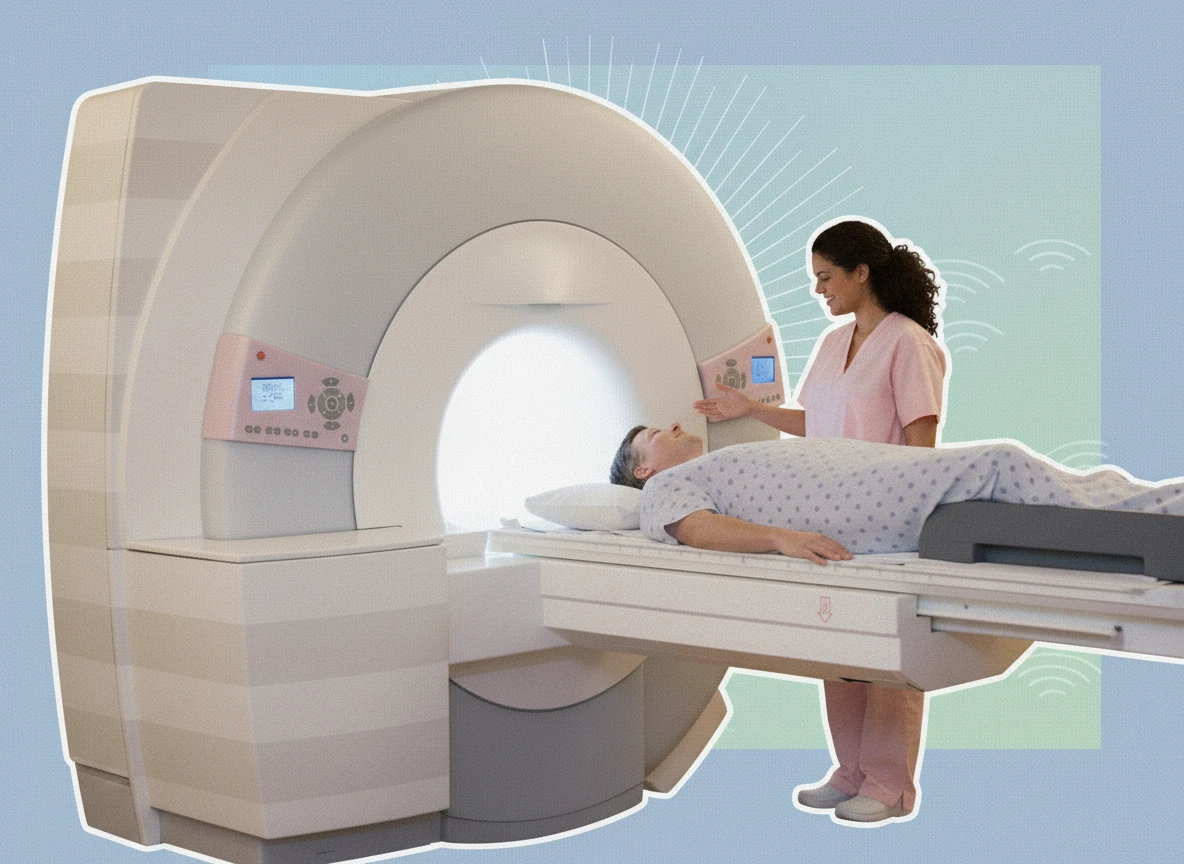
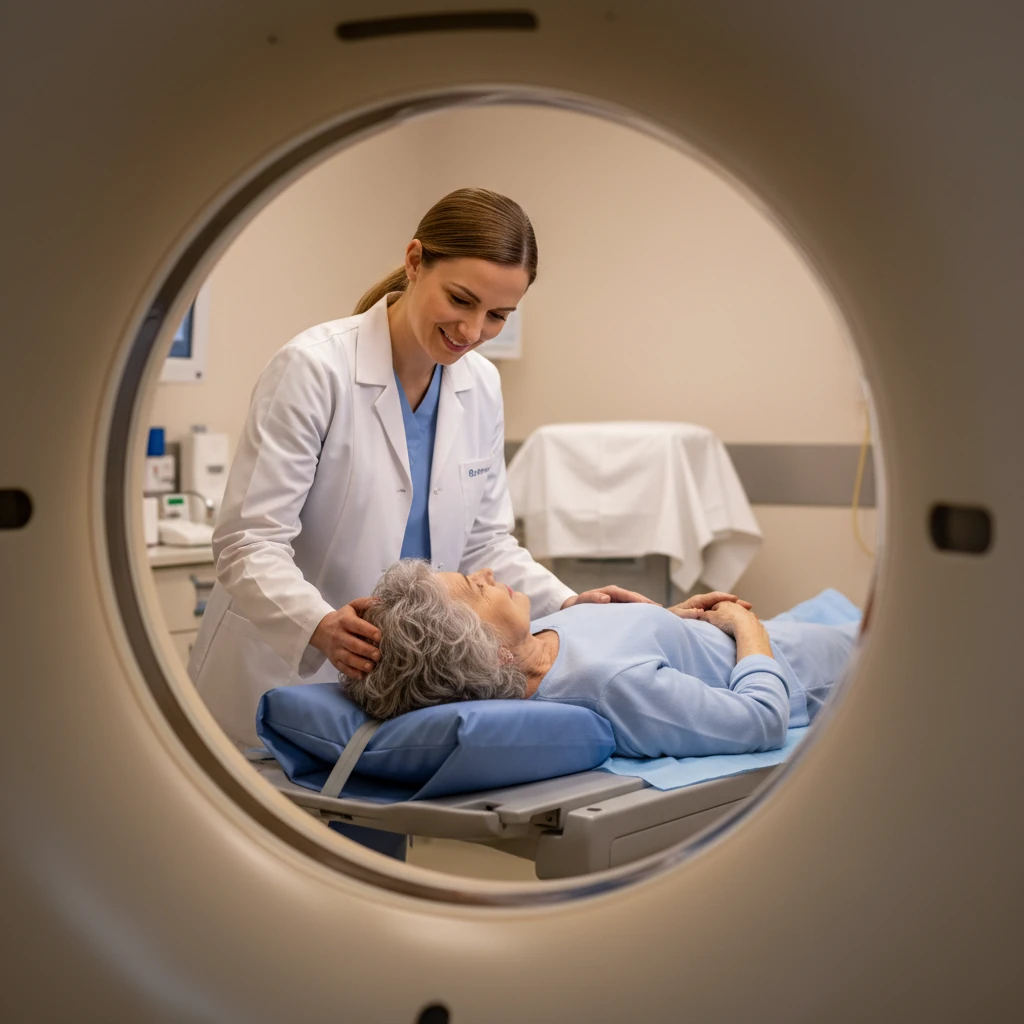
Once the uptake period is complete, you will lie on an exam table that slowly moves into the doughnut-shaped PET scanner110. The scan itself takes about 20 to 30 minutes. You must lie still during this time to prevent blurring of the images. The technologist will monitor the process from an adjacent room and can communicate with you via intercom if needed110.
After the Test
After the scan, the radioactive tracer remains in your body but will gradually leave within two to ten hours110. Drinking plenty of water helps flush the tracer out through your urine110. You can resume normal activities, eat, and drink as usual unless your healthcare provider advises otherwise.
If you experience any discomfort, such as slight pain at the injection site or difficulty lying still during the scan, these symptoms are typically mild and temporary110. In rare cases, some patients may have an allergic reaction to the tracer; if you develop symptoms like fever or severe reactions, notify your healthcare provider immediately110.
PET Scan Risks and Safety
PET scans are generally safe and involve only a small amount of radiation, which is typically undetectable and does not pose significant health risks110. The radioactive tracer used emits gamma rays that the scanner detects, but the exposure level is low and transient110.
Pregnant or breastfeeding women should avoid PET scans unless absolutely necessary, as radiation can harm the developing fetus or pass into breastmilk110. Minor risks include discomfort from the IV insertion and the rare possibility of an allergic reaction to the tracer110.
Healthcare teams take precautions to minimize risks and ensure patient safety throughout the procedure. If you have concerns about claustrophobia or anxiety during the scan, discuss these with your provider beforehand, as mild sedatives may be offered1213.
Understanding PET Scan Results
Interpreting Your Results
PET scans produce images that highlight areas of increased metabolic activity. Cancer cells, which have higher glucose metabolism, absorb more of the radioactive tracer, appearing as bright or "hot" spots on the images114.
Results can be classified as:
“A PET scan can catch minute changes in glucose metabolism, making it the most powerful tool to stage lung cancer. It is typically always performed prior to treatment to ensure the most accurate possible staging.”
— Dr. Darko Pucar, Lung Cancer Imaging Expert16
- Positive: Areas of increased FDG uptake suggest active cancer cells4.
- Negative: No abnormal tracer uptake indicates no metabolically active tumor4.
- Indeterminate: Unclear findings may require further testing due to possible false positives or negatives4.
False-positive results can occur due to inflammation or infection, which also show increased metabolic activity14. Conversely, false negatives may happen with small or low-grade tumors that do not absorb enough tracer to be detected15. Therefore, positive PET findings often require biopsy or additional imaging to confirm the diagnosis11.
A radiologist with specialized training analyzes the PET images and sends a detailed report to your healthcare provider, who will discuss the results and next steps with you, usually within a few days110.
PET Scan Summary
- PET scans are a vital tool in lung cancer diagnosis, staging, and treatment monitoring, combining metabolic and anatomical imaging to detect cancer activity with high accuracy32.
- Preparation for a PET scan involves fasting and maintaining blood sugar control, especially for diabetic patients, to ensure clear imaging results4.
- The procedure includes injection of a radioactive tracer, a waiting period for absorption, and a 20- to 30-minute scan requiring the patient to remain still110.
- Risks associated with PET scans are minimal, with low radiation exposure and rare allergic reactions110.
- PET scan results typically arrive within a few days and help guide clinical decisions such as biopsy, treatment planning, and monitoring therapy response110.
- By providing detailed insights into tumor metabolism and spread, PET scans improve lung cancer management and patient outcomes57.