covid-test-accuracy-for-eg5-and-ba286-variants">covid-test-accuracy-for-eg5-and-ba286-variants">COVID-19 rebound refers to the return of symptoms or a positive viral test after initial recovery from COVID-19. This phenomenon has been observed in patients treated with Paxlovid as well as those who did not receive antiviral therapy1. Rebound typically occurs between 2 and 8 days after completing treatment or after symptom resolution, with symptoms generally being mild and short-lived2. Understanding this rebound is important for managing patient expectations and public health measures3.
💡 Did You Know?
COVID-19 rebound has been reported to occur between 2 and 8 days after initial recovery and is characterized by a recurrence of COVID-19 symptoms or a new positive viral test after having tested negative1.
Understanding COVID-19 Rebound
COVID-19 rebound is defined as the recurrence of COVID-19 symptoms or a new positive viral test after a period of improvement or negative testing2. It usually happens between 2 and 8 days after initial recovery1. While rebound has been reported in people treated with Paxlovid, it also occurs in untreated individuals, suggesting it may be part of the natural course of SARS-CoV-2 infection rather than a direct effect of the drug4.
Clinical trial data indicate that rebound after Paxlovid treatment occurs in about 1–2% of patients, but real-world studies suggest higher rates, especially during periods dominated by Omicron subvariants567. The symptoms during rebound are generally mild and often resemble or improve upon the initial illness78. Importantly, no hospitalizations or deaths have been reported during rebound episodes79.
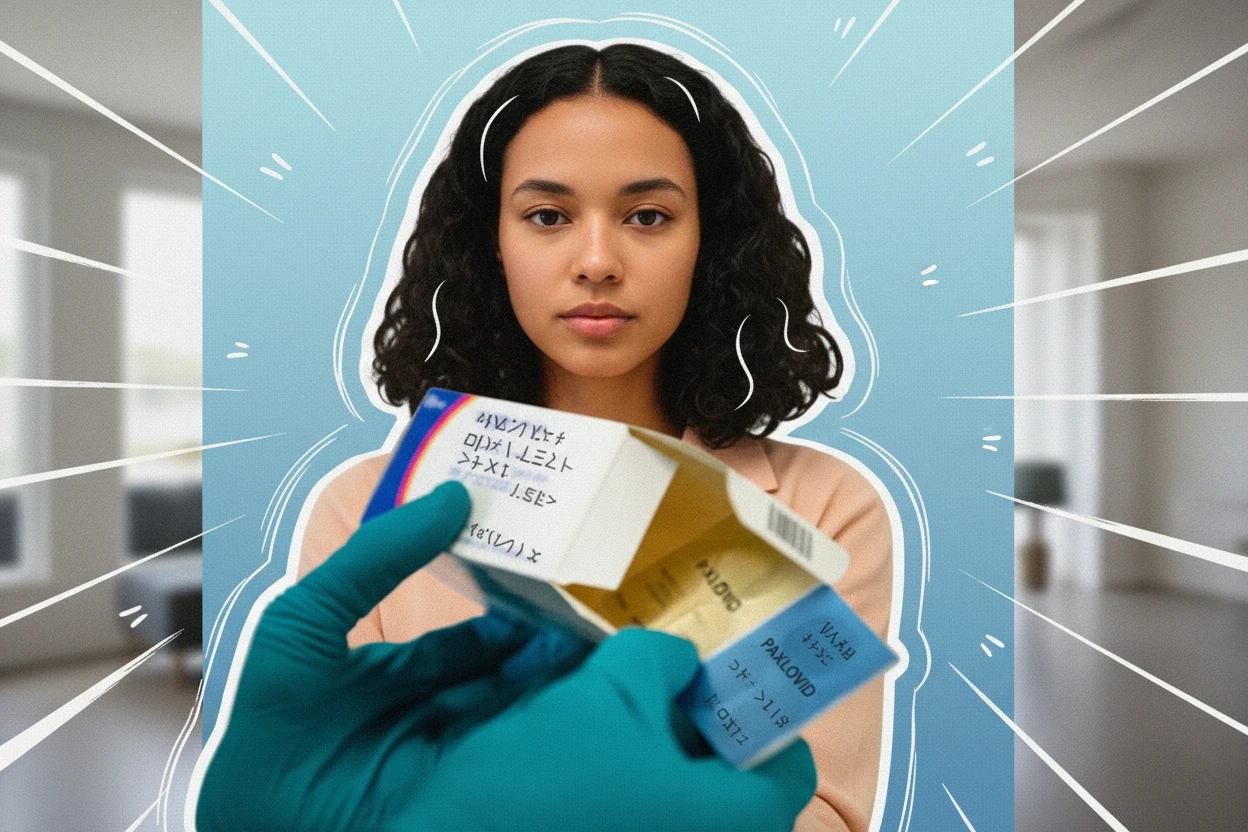
Paxlovid, a combination of nirmatrelvir and ritonavir, is authorized for early treatment of mild-to-moderate COVID-19 in patients at risk of severe disease. It is taken twice daily for five days9. Despite concerns about rebound, Paxlovid remains effective in reducing hospitalization and death among high-risk patients710.
- COVID-19 rebound can occur with or without antiviral treatment42.
- Rebound symptoms typically appear 2 to 8 days after symptom resolution or negative test15.
- Incidence in clinical trials is low (~1–2%), but real-world rates may be higher567.
- Symptoms during rebound are mild and self-limited78.
- No severe outcomes or deaths have been linked to rebound79.
COVID-19 Rebound Symptoms
“One in five individuals taking nirmatrelvir-ritonavir therapy (Paxlovid) experienced virologic rebound with positive test results and shedding of live potentially contagious virus after initial recovery. Viral rebound occurred in 20.8% of Paxlovid users compared to 1.8% of non-users.”25
— Study published in Clinical Infectious Diseases, 2023
Symptoms of COVID-19 rebound are generally mild and resemble those experienced during the initial illness. Commonly reported symptoms include sore throat, headache, fatigue, and other mild upper respiratory signs8. Patients often notice initial improvement followed by a return of symptoms within a few days after completing Paxlovid treatment8.
Rebound symptoms tend to be less severe than the initial infection and usually resolve within about three days711. Both vaccinated and unvaccinated individuals have experienced rebound symptoms, and it can affect a wide range of ages and immune statuses128.
- Mild upper respiratory symptoms such as sore throat and headache are common8.
- Fatigue and general malaise may also recur7.
- Symptom recurrence usually lasts around three days711.
- Rebound symptoms are typically milder than the initial illness8.
- Rebound occurs in both vaccinated and unvaccinated individuals12.
Causes of COVID-19 Rebound
The exact cause of COVID-19 rebound remains unclear. Studies have ruled out reinfection and antiviral drug resistance as causes1213. Mathematical models suggest that early treatment with Paxlovid may preserve susceptible cells but not completely clear the virus, allowing viral replication to resume after treatment ends141516. This incomplete viral clearance is considered the leading hypothesis for rebound1718.
Rebound symptoms and viral shedding have also been observed in untreated COVID-19 cases, indicating that rebound may be part of the natural disease process rather than solely a consequence of antiviral therapy19. Rebound has been reported across different ages and immune statuses without clear risk factors1220.
- Reinfection and antiviral resistance are unlikely causes of rebound1213.
- Incomplete viral clearance during treatment allows viral replication to resume post-therapy141516.
- Persistence of residual virus after treatment is the leading hypothesis1718.
- Rebound can occur in untreated COVID-19 cases, suggesting it may be a natural viral fluctuation19.
- No clear risk factors such as age or immune status have been identified for rebound1220.
No consistent association between treatment and rebound was identified. Viral rebound can occur in persons who do and do not receive antiviral treatment and might reflect viral fluctuation that is part of the natural disease process early in the course of illness4.
Managing a COVID-19 Rebound
Current clinical guidelines recommend supportive care during rebound episodes, as symptoms are generally mild and self-limiting8. There is no evidence supporting additional antiviral treatment or extended courses of Paxlovid to prevent or treat rebound71115. A single five-day course remains the standard of care7.
“Paxlovid rebound typically happens within a week after you've taken Paxlovid to treat COVID-19. The main concern is spreading the virus to others. The benefits of Paxlovid far outweigh any risk of a rebound.”24
Because patients experiencing rebound can be contagious, the CDC advises resuming isolation until symptoms resolve and antigen tests are negative to prevent transmission7921. Viral culture studies confirm contagiousness during rebound, justifying isolation and masking precautions2122. The CDC recommends a combined isolation and masking period of 10 days during rebound episodes9.
Reporting rebound cases to Pfizer and health authorities is encouraged to support ongoing safety monitoring208. Despite the possibility of rebound, Paxlovid’s benefits in preventing severe COVID-19 outcomes far outweigh the risks1023.
- Supportive care only; no additional antiviral treatment recommended8.
- Standard Paxlovid course is five days; longer treatment not supported715.
- Resume isolation until symptoms resolve and antigen tests are negative921.
- Patients with rebound can be contagious; masking and distancing advised2122.
- Reporting rebound cases helps pharmacovigilance and safety monitoring208.