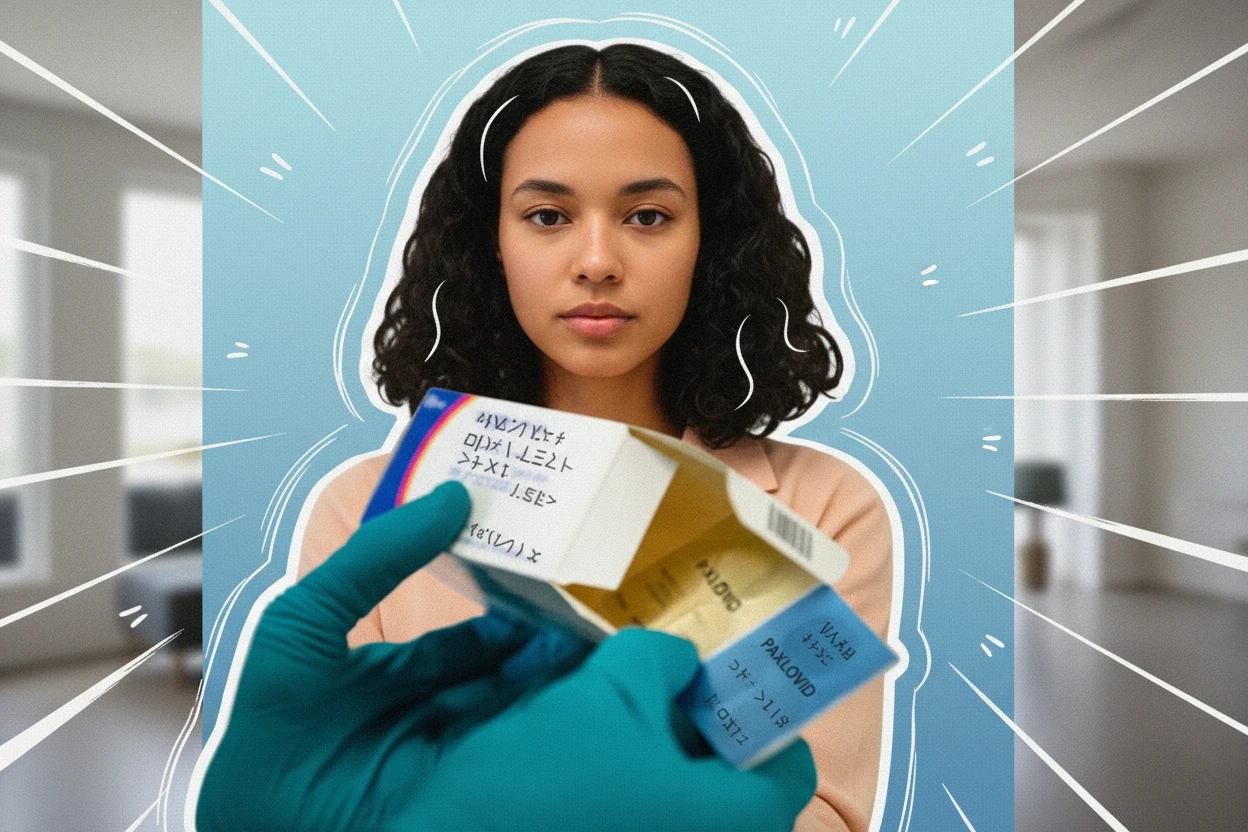
Paxlovid is a prescription oral antiviral medication that has become a key treatment option for mild-to-moderate covid-test-accuracy-for-eg5-and-ba286-variants">covid-test-accuracy-for-eg5-and-ba286-variants">COVID-19 in patients at high risk of severe illness1. It is designed to reduce the risk of hospitalization and death when taken early in the course of infection1. Access to Paxlovid is available through healthcare providers and qualified pharmacists, making timely treatment more achievable2. Understanding who should take Paxlovid, how to use it properly, and managing potential drug interactions are essential for maximizing its benefits2.
Paxlovid Overview
Paxlovid is a co-packaged oral antiviral therapy combining nirmatrelvir and ritonavir tablets3. Nirmatrelvir works by inhibiting the SARS-CoV-2 main protease (Mpro), an enzyme critical for viral replication, thereby preventing the virus from multiplying in the body4. Ritonavir acts as a pharmacokinetic booster by inhibiting the liver enzyme CYP3A4, which increases plasma concentrations of nirmatrelvir and enhances its antiviral effect5.
The medication is authorized for use in patients aged 12 years and older who weigh at least 40 kilograms (88 pounds)6. Treatment consists of taking the medication twice daily for five days, and it must be initiated within five days of symptom onset to achieve optimal efficacy76. Paxlovid received Emergency Use Authorization (EUA) in December 2021 for mild-to-moderate COVID-19 in high-risk patients and gained full FDA approval for adults in May 2023876.
Clinical studies have demonstrated that Paxlovid reduces the risk of COVID-19-related hospitalization and death by approximately 87-89% when started early in high-risk patients19. Real-world data also support its effectiveness in lowering hospitalization rates among adults with COVID-191. Despite reports of symptom rebound after treatment, the overall benefit of Paxlovid in preventing severe outcomes remains clear10.
How To Get Paxlovid
Paxlovid is available by prescription from healthcare providers and qualified pharmacists who meet state-specific prescribing criteria211. Patients seeking Paxlovid should promptly consult a healthcare professional after testing positive for COVID-19, especially if they have risk factors for severe disease2. Pharmacists can prescribe Paxlovid if they have sufficient patient information to assess eligibility and safety11.
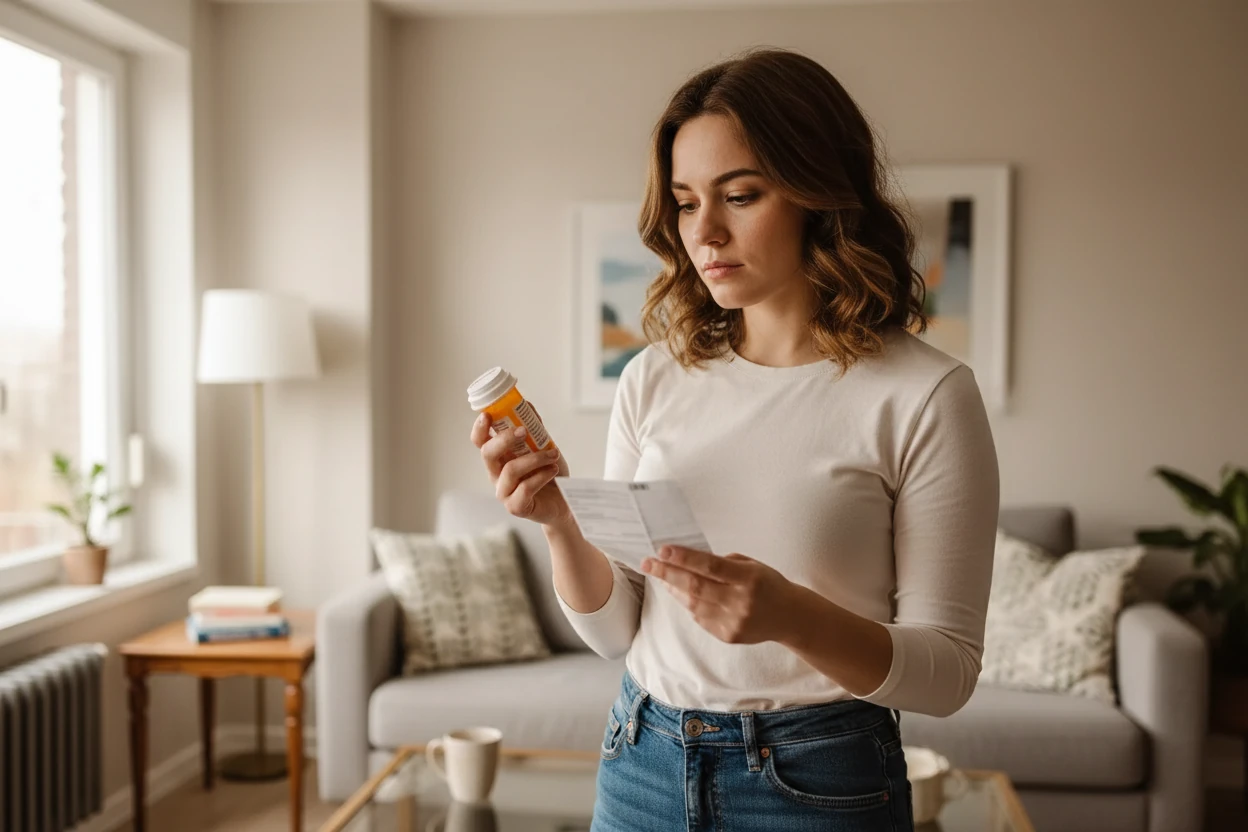
To facilitate safe prescribing, patients must provide a complete list of current medications, including over-the-counter drugs and supplements, to avoid harmful drug interactions122. Recent health records and laboratory tests assessing liver and kidney function are important for determining appropriate dosing and ensuring patient safety132. If pharmacists lack adequate information or identify potential contraindications, they will refer patients to physicians or other authorized prescribers2.
Patient assistance programs and manufacturer support are available to help reduce or eliminate the cost of Paxlovid for eligible individuals, including those who are uninsured or underinsured14. Early access is critical since treatment must begin within five days of symptom onset to be effective6.
Who Should Take Paxlovid
Paxlovid is indicated for patients with mild-to-moderate COVID-19 who are at high risk of progressing to severe disease, including hospitalization or death156. Eligibility includes individuals aged 12 years and older weighing at least 40 kg (88 pounds)6. High-risk factors recognized by the CDC and healthcare providers include:
- Age 50 years and older, with those 65 years and above at greatest risk1617
- Chronic lung diseases such as chronic obstructive pulmonary disease (COPD), asthma, bronchiectasis, and pulmonary hypertension1617
- Diabetes mellitus (type 1 and type 2)1617
- Cardiovascular diseases including heart failure and coronary artery disease1617
- Chronic kidney and liver diseases, with severe liver disease being a contraindication1617
- Immunocompromised states due to organ transplantation, chemotherapy, or immunosuppressive medications17
- Mental health conditions such as mood disorders and schizophrenia spectrum disorders17
- Physical, mental, and developmental disabilities that increase vulnerability17
- Lifestyle factors including obesity, smoking, and substance use disorders17
Patients should disclose all health conditions and medications to their healthcare professional to ensure safe and effective treatment217. Pregnant or breastfeeding individuals should discuss risks and benefits with their provider, as safety data are limited in these populations17.
“It's really our first efficacious oral antiviral pill for this virus. It shows clear benefit, and it really can prevent hospitalization and death in people who are at high risk.”
— Scott Roberts, MD, Yale Medicine18
Paxlovid Dosage Instructions
Paxlovid is taken orally twice daily for five days. The standard dosing regimen for patients with normal kidney function or mild renal impairment (estimated glomerular filtration rate [eGFR] ≥60 mL/min) is:
- 2 tablets of nirmatrelvir (150 mg each) plus 1 tablet of ritonavir (100 mg) taken together in the morning and evening19.
For patients with moderate renal impairment (eGFR 30 to <60 mL/min), the dose is reduced to:
- 1 tablet of nirmatrelvir (150 mg) plus 1 tablet of ritonavir (100 mg) twice daily for five days19.
Paxlovid is not recommended for patients with severe renal impairment (eGFR <30 mL/min) or severe liver disease19. For patients on hemodialysis, dosing adjustments are made, and the medication should be taken after dialysis sessions19.
Key administration tips include:
- Take all tablets in each dose together, swallowing them whole with water20.
- Paxlovid can be taken with or without food20.
- Maintain consistent timing for morning and evening doses to keep effective drug levels2.
- Do not stop treatment early, even if symptoms improve, to ensure maximal antiviral effect6.
- If a dose is missed by less than 8 hours, take it as soon as possible; if more than 8 hours, skip the missed dose and continue as scheduled20.
| Patient Group | Dose per Administration | Frequency | Duration | Notes |
|---|---|---|---|---|
| Normal/mild renal impairment | 2 nirmatrelvir + 1 ritonavir tablets | Twice daily | 5 days | Standard dose |
| Moderate renal impairment | 1 nirmatrelvir + 1 ritonavir tablet | Twice daily | 5 days | Dose reduction required |
| Severe renal impairment | 2 nirmatrelvir + 1 ritonavir (Day 1), then 1+1 tablets daily | Once daily (after dialysis) | 5 days | Not recommended generally |
| Sources:19 | ||||
Paxlovid Drug Interactions
Due to ritonavir’s potent inhibition of the CYP3A4 enzyme, Paxlovid has significant potential for drug-drug interactions125. These interactions can increase or decrease the levels of other medications, leading to serious or life-threatening effects12. It is essential to provide a complete medication list, including prescription, over-the-counter, and herbal supplements, to healthcare providers before starting Paxlovid122.
Key drug classes with notable interactions include:
- Anticoagulants such as warfarin and apixaban1221
- Antiarrhythmic agents including amiodarone and flecainide1221
- Phosphodiesterase type 5 (PDE5) inhibitors like sildenafil and tadalafil1221
- Cholesterol-lowering statins such as simvastatin and lovastatin1221
- Certain immunosuppressants, anticonvulsants, and neuropsychiatric medications21
Management strategies for drug interactions may involve:
- Temporarily holding or adjusting doses of interacting medications during Paxlovid treatment21.
- Close monitoring for adverse effects or toxicity21.
- Referral to a physician if safe management of interactions is not feasible221.
Pharmacists and prescribers use specialized tools and guidelines to evaluate and manage these interactions safely12221.
The FDA recommends holding lovastatin or simvastatin 12 hours before starting Paxlovid and during the 5-day treatment, with resumption 5 days after completion21.
Understanding Paxlovid Rebound
Paxlovid rebound refers to the recurrence of COVID-19 symptoms or a new positive viral test after completing the five-day course of treatment10. This phenomenon typically occurs within 2 to 8 days after finishing Paxlovid10. The incidence of rebound is estimated at approximately 1-2% of treated patients10.
Rebound symptoms are generally mild and less severe than the initial illness, and hospitalization is uncommon10. The Centers for Disease Control and Prevention (CDC) states that rebound does not indicate antiviral resistance or reinfection10. Current evidence suggests that rebound may be part of the natural course of SARS-CoV-2 infection in some individuals, regardless of antiviral treatment810.
Patients experiencing rebound should continue to isolate to prevent transmission and consult their healthcare provider if symptoms worsen822. Additional treatment beyond the initial Paxlovid course is not routinely recommended at this time10.
Paxlovid Summary
Paxlovid is an effective oral antiviral treatment for mild-to-moderate COVID-19 in patients at high risk of severe disease1. When started within five days of symptom onset, it significantly reduces the risk of hospitalization and death19. The medication combines nirmatrelvir, which blocks viral replication, with ritonavir, which boosts nirmatrelvir levels45.
Access to Paxlovid is available through healthcare providers and pharmacists, who assess patient eligibility based on risk factors and potential drug interactions211. Proper dosing and adherence to the full five-day course are critical for treatment success620. Due to ritonavir’s CYP3A4 inhibition, careful review of all medications is necessary to avoid serious interactions1221.
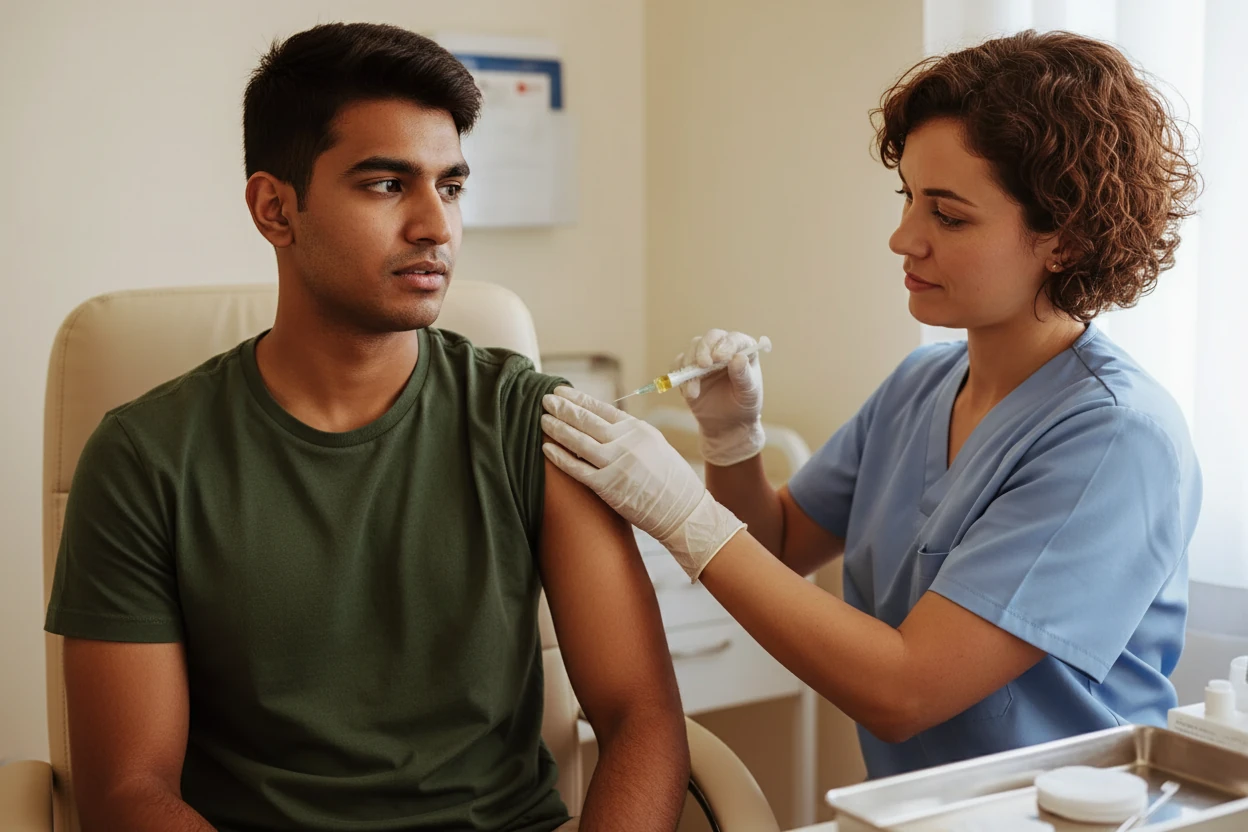
Although Paxlovid rebound can occur in a small percentage of patients, it does not diminish the overall benefits of treatment10. Vaccination remains a key preventive measure, and Paxlovid is not a substitute for COVID-19 vaccines923.
“Paxlovid was found to reduce the proportion of people with COVID-19 related hospital admission or death by about 88% compared to the placebo treatment arm.”
— Elisa Choi, MD, American Medical Association9
- Paxlovid is authorized for patients aged 12 and older weighing at least 40 kg with mild-to-moderate COVID-19 at high risk of severe disease617.
- Treatment must begin within five days of symptom onset and continue twice daily for five days76.
- Ritonavir in Paxlovid can cause significant drug interactions; full medication disclosure is essential122.
- Paxlovid rebound occurs in about 1-2% of patients but is usually mild and does not require additional treatment10.
- Early treatment with Paxlovid reduces hospitalization and death, especially in unvaccinated or high-risk patients19.