Pancreatic cancer is a serious disease that ranks as the third leading cause of cancer deaths in the United States, with nearly 60,000 new cases diagnosed annually12. It often goes undetected until advanced stages due to subtle early symptoms, making timely diagnosis and treatment challenging2. Understanding the types, symptoms, causes, and treatment options is crucial for improving outcomes and quality of life for patients32.
Types of Pancreatic Cancer
Pancreatic cancer is broadly classified based on the type of cells from which the tumor originates. The two main categories are exocrine pancreatic cancer and neuroendocrine pancreatic cancer4.
Exocrine Pancreatic Cancer
Exocrine pancreatic cancers arise from the cells that produce digestive enzymes and secrete them into the pancreatic ducts4. The most common form is pancreatic ductal adenocarcinoma (PDAC), which accounts for about 90% of all pancreatic cancers41. PDAC originates in the ductal cells of the exocrine pancreas and is known for its aggressive behavior and poor prognosis4.
Other rare exocrine tumors include acinar cell carcinoma, signet ring cell carcinoma, and undifferentiated carcinomas with giant cells45. These subtypes vary in their biological behavior and malignancy but are much less common than PDAC5.
Neuroendocrine Pancreatic Cancer (PNETs)
Pancreatic neuroendocrine tumors (PNETs) develop from the endocrine cells of the pancreas, specifically the islet cells that secrete hormones such as insulin and glucagon to regulate blood sugar4. These tumors represent approximately 5% of all pancreatic cancers and are classified based on hormone secretion4. PNETs tend to have a more diverse biological behavior and may have a better prognosis than exocrine tumors4.
Signs and Symptoms of Pancreatic Cancer
Early pancreatic cancer often causes no symptoms, which contributes to delayed diagnosis32. When symptoms do appear, they are frequently nonspecific and can be mistaken for other gastrointestinal conditions3. Common signs and symptoms include:
- Jaundice (yellowing of the skin and eyes), especially in tumors located in the pancreatic head36
- Abdominal and back pain, often radiating to the back or arms36
- Unintentional weight loss and loss of appetite36
- Steatorrhea, characterized by pale, greasy, foul-smelling stools due to pancreatic exocrine insufficiency3
- Epigastric discomfort or burning sensation3
- Deep and superficial venous thrombosis (blood clots), sometimes presenting as swelling and pain in the legs36
- Gastric outlet obstruction causing nausea and vomiting3
- Increased abdominal girth and depression3
Additional symptoms may include dark urine, light-colored stools, and itchy skin caused by bile duct obstruction6. New-onset diabetes or worsening control of existing diabetes can also be an early indicator of pancreatic cancer6.
Pancreatic cancer symptoms often appear late and are nonspecific, making early detection difficult. Persistent abdominal pain, jaundice, and unexplained weight loss should prompt medical evaluation36.
Pancreatic Cancer Causes and Risk Factors
Pancreatic cancer develops due to genetic alterations that cause uncontrolled cell growth in the pancreas3. While the exact causes of these mutations are not fully understood, several risk factors have been identified.
Risk Factors
- Smoking: Tobacco use approximately doubles the risk of developing pancreatic cancer32.
- Obesity: Being overweight increases pancreatic cancer risk by about 20%32.
- Chronic pancreatitis: Long-term inflammation of the pancreas is linked to higher cancer risk, especially in smokers3.
- Diabetes: Both long-standing type 2 diabetes and new-onset diabetes can increase risk36.
- Family history: Having first-degree relatives with pancreatic cancer raises risk, accounting for about 10% of cases37.
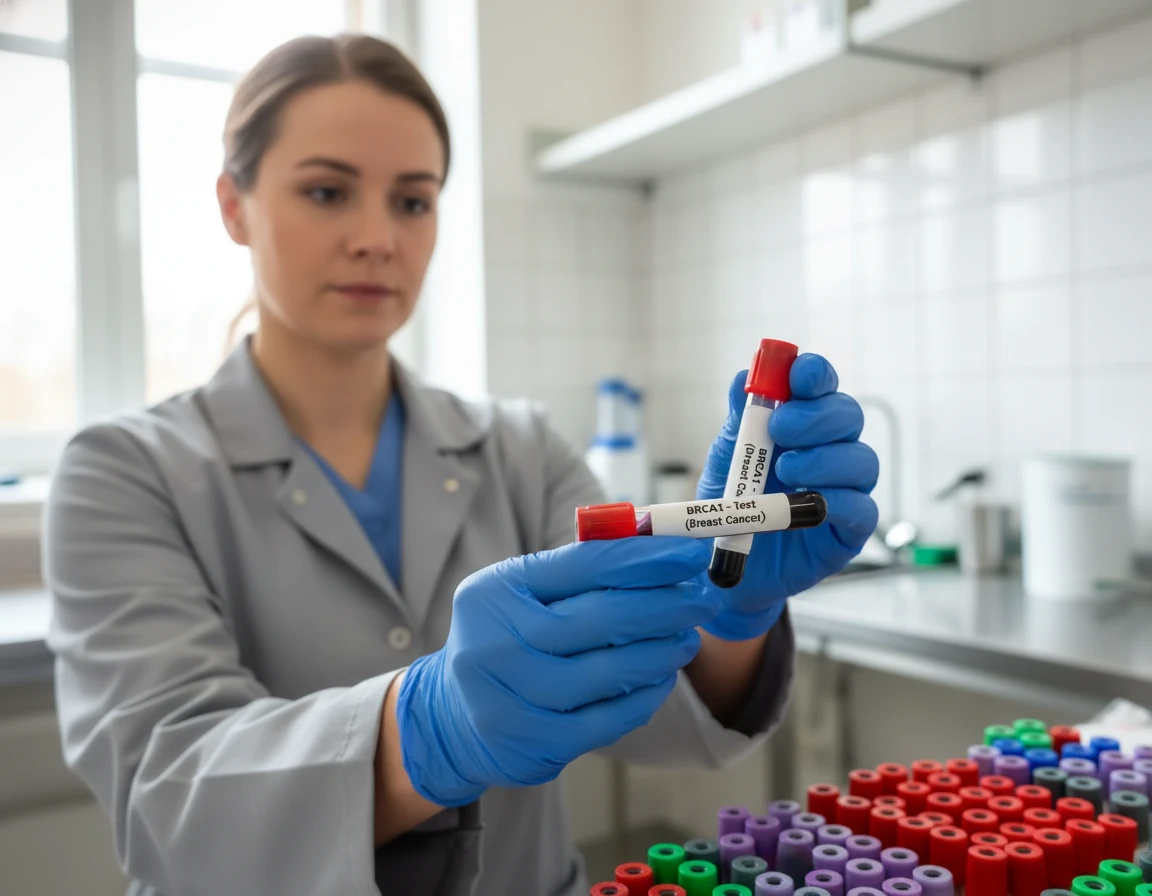
- Inherited genetic syndromes: Mutations in genes such as BRCA1, BRCA2, Lynch syndrome genes, and familial atypical multiple mole melanoma (FAMMM) syndrome increase susceptibility37.
- Age: Risk increases sharply after age 55, with most diagnoses occurring between 65 and 74 years32.
- Race: African-Americans have a higher incidence compared to other ethnic groups2.
- Diet: High-fat diets and excessive alcohol consumption may contribute to risk3.
Not everyone with these risk factors develops pancreatic cancer, but awareness and monitoring are important for early detection32.
Diagnosing Pancreatic Cancer
Diagnosis involves a combination of clinical evaluation, imaging studies, laboratory tests, and tissue biopsy32. Early medical evaluation is critical for individuals with symptoms or risk factors.
Physical examination may reveal jaundice, abdominal distension, or an enlarged gallbladder or liver36. Diagnostic tests include:
- Imaging: CT scans, MRI, ultrasound, and PET scans help visualize pancreatic tumors and assess spread32.
- Endoscopic ultrasound (EUS): A camera-equipped endoscope is passed into the stomach to obtain detailed images and perform biopsy2.
- Endoscopic retrograde cholangiopancreatography (ERCP): Visualizes pancreatic and bile ducts; can place stents to relieve obstructions38.
- Percutaneous transhepatic cholangiography (PTC): Used to evaluate the biliary system and obtain tissue samples3.
- Laboratory tests: Include liver function tests, tumor markers such as CA 19-9, and blood counts32.
- Biopsy: Confirms the presence of cancer cells and determines tumor type3.
Stages of Pancreatic Cancer
Staging is essential for treatment planning and prognosis. The TNM system classifies cancer based on tumor size (T), lymph node involvement (N), and presence of metastasis (M)3. Stages range from I (localized) to IV (distant spread). Early-stage cancers confined to the pancreas have better outcomes, while advanced stages indicate spread to nearby tissues or distant organs such as the liver and lungs32.
| Stage | Description | 5-Year Survival Rate |
|---|---|---|
| I | Tumor limited to pancreas | ~44%3 |
| II | Regional lymph node involvement | ~15%3 |
| III | Involvement of major vessels | Lower than II |
| IV | Distant metastasis (e.g., liver) | ~3%3 |
Pancreatic Cancer Treatment Options
Treatment depends on cancer stage, tumor location, and patient health. Options include surgery, radiation therapy, chemotherapy, targeted therapy, and immunotherapy32.
Surgery
Surgical removal is the only potentially curative treatment but is feasible in only about 20% of patients due to late diagnosis32. Surgery aims to remove the tumor and surrounding tissues while preserving pancreatic function when possible.
- Whipple procedure (pancreaticoduodenectomy): Removes the pancreatic head, gallbladder, bile duct, part of the stomach, and lymph nodes, followed by reconstruction to restore digestive flow3.
- Distal pancreatectomy: Removes the body and tail of the pancreas, sometimes including the spleen3.
- Total pancreatectomy: Complete removal of the pancreas and adjacent organs; patients require lifelong insulin and enzyme replacement7.
Surgical candidates are carefully selected based on tumor resectability and absence of major vessel or distant organ involvement32.
Radiation Therapy
Radiation uses high-energy beams to kill cancer cells and shrink tumors3. It may be used before surgery (neoadjuvant), after surgery (adjuvant), or for palliation in advanced disease32. Advanced techniques like stereotactic body radiation therapy (SBRT) allow precise targeting to minimize damage to healthy tissue2.
Chemotherapy
Chemotherapy employs drugs to kill cancer cells systemically3. It is used in combination with surgery or radiation or alone in advanced cases to improve survival and quality of life32. Common agents include gemcitabine and FOLFIRINOX (a combination of several drugs)9. Side effects vary and require careful management3.
Targeted Therapy
Targeted therapies focus on specific molecular pathways involved in pancreatic cancer growth10. These treatments are emerging and may be used based on genetic profiling of tumors11. Examples include drugs targeting DNA repair pathways in patients with BRCA mutations7.
Immunotherapy
Immunotherapy aims to boost the body's immune response against cancer cells12. While still experimental in pancreatic cancer, some patients with specific genetic markers may benefit from immune checkpoint inhibitors13. Clinical trials are ongoing to expand these options2.
Pancreatic Cancer Prevention Strategies
Although most pancreatic cancers cannot be prevented, lifestyle changes can reduce risk37. Recommended strategies include:
- Avoiding tobacco use and quitting smoking32
- Maintaining a healthy weight through balanced diet and regular physical activity32
- Limiting alcohol consumption3
- Managing diabetes and chronic pancreatitis effectively3
- Eating a diet rich in fruits, vegetables, and whole grains while reducing processed and high-fat foods3
Screening may be considered for individuals at very high risk, such as those with strong family history or genetic mutations, using imaging tests like MRI and endoscopic ultrasound7.
Potential Complications of Pancreatic Cancer
Pancreatic cancer can cause several complications that affect digestion, metabolism, and quality of life3.
- Pancreatic exocrine insufficiency (PEI): Reduced enzyme production leads to malabsorption, steatorrhea, weight loss, and nutritional deficiencies3.
- Diabetes: Damage to insulin-producing cells can cause new-onset diabetes or worsen existing diabetes36.
- Metastasis: Commonly spreads to the liver, lungs, and bones, complicating treatment and prognosis32.
- Severe pain: Tumor growth and nerve compression cause abdominal and back pain requiring multidisciplinary pain management3.
- Jaundice: Bile duct obstruction leads to yellowing of skin and eyes, dark urine, and pale stools36.
Managing these complications requires coordinated care involving nutritionists, pain specialists, and endocrinologists315.
Living With Pancreatic Cancer
Living with pancreatic cancer involves managing symptoms, treatment side effects, and emotional challenges32. Supportive care focuses on maintaining nutrition, physical activity, and psychological well-being.
- A diet rich in fruits, vegetables, and whole grains supports overall health3.
- Avoiding tobacco and alcohol reduces further health risks3.
- Emotional support from family, friends, and support groups helps patients cope with the disease316.
- Participation in clinical trials offers access to new therapies and contributes to research progress215.
The Pancreatic Cancer Action Network has collected survivors' favorite quotes about living well and facing the challenges of pancreatic cancer, highlighting the importance of hope and resilience16.
Pancreatic Cancer FAQs
Can pancreatic cancer be cured?
Early-stage pancreatic cancer can be cured with surgical resection, but most cases are diagnosed at advanced stages when cure is unlikely32.
What are the early signs of pancreatic cancer?
Early signs are often absent or nonspecific. Symptoms like jaundice, abdominal pain, weight loss, and new-onset diabetes warrant medical evaluation36.
Is pancreatic cancer hereditary?
About 10% of pancreatic cancers are linked to inherited genetic mutations. Family history and genetic counseling are important for risk assessment37.
Can I live without a pancreas?
Yes, but patients will require lifelong insulin therapy and pancreatic enzyme replacement to manage diabetes and digestion7.
Are there new treatments available?
Research is ongoing in targeted therapies and immunotherapy, with clinical trials providing access to innovative treatments13122.