Semaglutide-based medications have become a breakthrough in managing type 2 diabetes and obesity, conditions affecting millions worldwide. Both Ozempic and Wegovy contain semaglutide but are approved for different uses, with Wegovy specifically targeting weight management and Ozempic focusing on glycemic control in diabetes12. The choice between these drugs depends on factors such as dosage, effectiveness, side effects, and individual health goals34.
Key Differences
Effectiveness
Ozempic and Wegovy both contain semaglutide, a glucagon-like peptide-1 (GLP-1) receptor agonist that works by increasing insulin secretion in response to glucose, suppressing glucagon release, slowing gastric emptying, and reducing appetite through brain receptor activation156. This leads to improved blood sugar control and weight loss.
- Wegovy is FDA-approved for chronic weight management in adults with obesity or overweight with at least one weight-related condition, showing an average weight loss of about 15% of body weight over 68 weeks in clinical trials23.
- Ozempic is FDA-approved for type 2 diabetes management and cardiovascular risk reduction, with weight loss as a secondary benefit; typical weight loss averages around 4.7 kg (about 10.4 pounds) over approximately 36 weeks73.
- Real-world data indicate median weight loss after six months is slightly higher with Wegovy (8.25 kg) compared to Ozempic (7.8 kg), reflecting Wegovy’s higher maintenance dose5.
- Both drugs reduce HbA1c levels effectively, with Ozempic lowering HbA1c by about 1.2% in adults with type 2 diabetes7.
A summary comparison of weight loss outcomes:
| Medication | Typical Maintenance Dose | Average Weight Loss | Indication |
|---|---|---|---|
| Ozempic | Up to 2 mg weekly | ~4.7 kg (10.4 lbs) | Type 2 diabetes173 |
| Wegovy | Up to 2.4 mg weekly | ~15% body weight | Obesity/weight management23 |
| Sources:12357 | |||
Dose and Administration
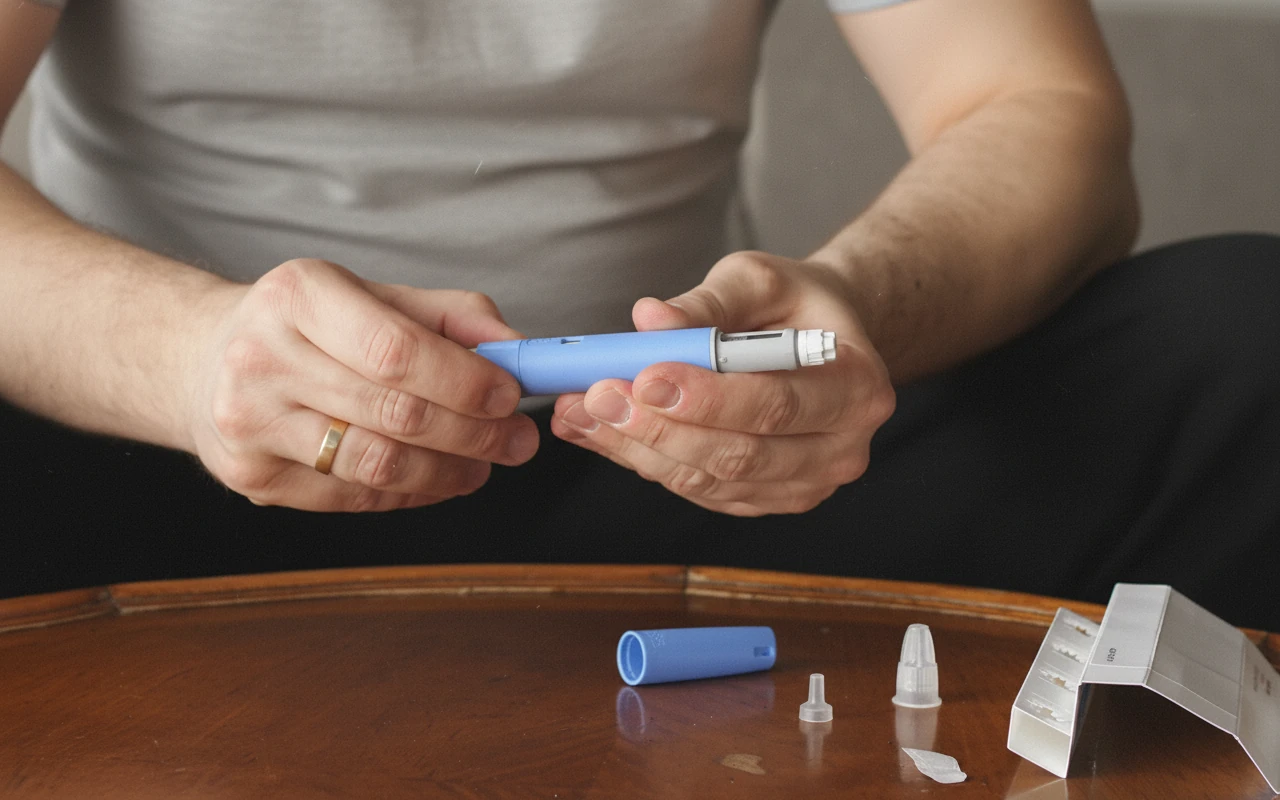
- Both medications are administered as once-weekly subcutaneous injections, typically in the abdomen, thigh, or upper arm13.
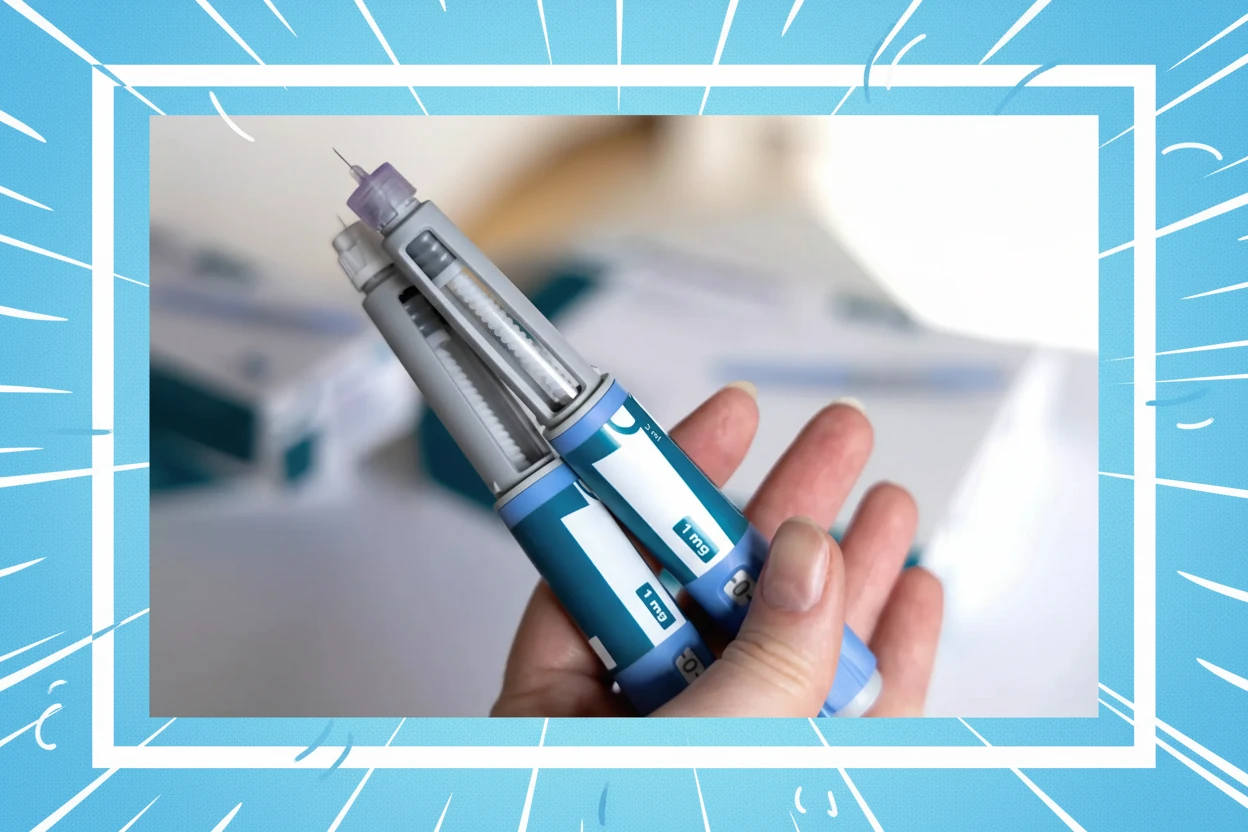
- Ozempic pens are multi-dose, allowing several injections per pen, whereas Wegovy pens are single-use and discarded after one injection13.
- Dose titration is essential to minimize gastrointestinal side effects; patients start at a low dose and gradually increase to the maintenance dose over several weeks83.
- Wegovy’s higher maximum dose (2.4 mg) is specifically designed for weight loss, while Ozempic’s maximum dose is 2 mg, targeting glycemic control13.
Risks and Side Effects
Both drugs share similar side effect profiles due to their active ingredient, but the higher dose of Wegovy may increase the likelihood and severity of side effects:
- Common side effects include nausea, vomiting, diarrhea, constipation, abdominal pain, headache, and dizziness39.
- Gastrointestinal symptoms are more frequent and intense with Wegovy, especially during dose escalation3.
- Both drugs carry a boxed warning for a potential risk of thyroid C-cell tumors, although this has been observed only in animal studies9.
- Serious but rare side effects include pancreatitis, gallbladder disease, kidney injury, and diabetic retinopathy complications in patients with diabetes39.
- Hypoglycemia risk is higher in patients with type 2 diabetes, especially when combined with other glucose-lowering agents3.
- Some patients report "Ozempic face," a gaunt facial appearance due to rapid fat loss, though this is anecdotal and varies individually8.
Cost
- Wegovy is generally more expensive than Ozempic, with cash prices averaging around $1,349 per month compared to approximately $997 for Ozempic3.
- Manufacturer savings programs and insurance coverage vary; Ozempic is more likely to be covered for diabetes treatment, while Wegovy coverage for weight loss is less consistent3.
- Novo Nordisk offers a reduced-cost home delivery program for Wegovy at about $499 per month for eligible uninsured or underinsured patients3.
- Both drugs are brand-name only, with no generic versions currently available3.
Main Similarities
- Both Ozempic and Wegovy contain semaglutide, a GLP-1 receptor agonist that mimics the body's natural incretin hormone to regulate appetite, insulin secretion, and blood sugar levels156.
- They are administered once weekly via subcutaneous injection1.
- Both medications reduce appetite and increase satiety by acting on GLP-1 receptors in the brain, contributing to weight loss510.
- They slow gastric emptying, which helps prolong feelings of fullness after meals6.
- Both drugs have demonstrated cardiovascular risk reduction benefits in patients with type 2 diabetes2.
- Neither medication is a cure for diabetes or obesity; they are intended as adjuncts to lifestyle modifications such as diet and exercise1112.
Both Ozempic and Wegovy have transformed the treatment landscape for diabetes and obesity by targeting appetite regulation and improving metabolic health. However, their differences in dosing, indications, and side effects mean that personalized medical advice is essential to optimize outcomes123.
Choosing the Right Medication
Selecting between Ozempic and Wegovy depends on individual health status, treatment goals, and FDA-approved indications:
- Ozempic is preferred for adults with type 2 diabetes who need glycemic control and cardiovascular risk reduction13.
- Wegovy is indicated for adults and children aged 12 and older with obesity or overweight plus weight-related health conditions, focusing on chronic weight management13.
- Patients with obesity but without diabetes may benefit more from Wegovy due to its higher dose and demonstrated weight loss efficacy23.
- Cost and insurance coverage can influence choice, as Wegovy is typically more expensive and less likely to be covered for weight loss than Ozempic is for diabetes3.
- Side effect tolerance and patient preference regarding injection pens (multi-dose vs. single-use) may also guide decision-making13.
“Ozempic and Wegovy contain the same active ingredient, semaglutide. The dosage for Wegovy is higher, but otherwise, they are the same drug.”
— Dr. Sue Decotiis, TB2.Health13
Switching Between Ozempic and Wegovy
- Switching between Ozempic and Wegovy is possible but should be done under medical supervision due to differences in dosing and indications141.
- There are no direct head-to-head clinical trials comparing the two drugs for the same indication, so individual response and treatment goals should guide switching decisions1.
- Dose titration and monitoring are necessary when transitioning between these medications to minimize side effects and maintain efficacy14.
- Concurrent use of both drugs or other GLP-1 receptor agonists is not recommended due to overlapping mechanisms and increased risk of adverse effects14.
- A healthcare provider can assess risks, benefits, and patient preferences to determine the best approach for switching1.
Summary and Key Takeaways
- Ozempic and Wegovy are semaglutide-based GLP-1 receptor agonists with different FDA-approved uses: Ozempic for type 2 diabetes and Wegovy for weight management13.
- Wegovy’s higher dose (2.4 mg weekly) generally results in greater weight loss compared to Ozempic’s maximum dose of 2 mg523.
- Both drugs require once-weekly subcutaneous injections with gradual dose escalation to reduce gastrointestinal side effects18.
- Side effects are similar but more common and severe with Wegovy due to the higher dose3.
- Cost and insurance coverage vary, with Ozempic often being more affordable and covered for diabetes, while Wegovy is more costly and less consistently covered for weight loss3.
- Choosing the right medication depends on individual health conditions, treatment goals, side effect tolerance, and financial considerations13.