Wearing a mask remains an important tool in reducing the risk of COVID-19 infection, even when others around you are not masked1. One-way masking, where only the susceptible individual wears a mask, can provide significant protection by filtering respiratory droplets and airborne particles2. The level of protection depends heavily on the type of mask, its fit, and consistent use3. Combining masking with other preventive measures enhances overall protection against SARS-CoV-24.
Effectiveness of One-Way Masking
One-way masking refers to situations where only the susceptible person wears a mask, while others do not2. Although universal masking offers the greatest reduction in COVID-19 spread, one-way masking still provides meaningful protection for the wearer5. Studies show that people who consistently wear well-fitting, comfortable masks are less likely to contract COVID-19 than those who do not5.
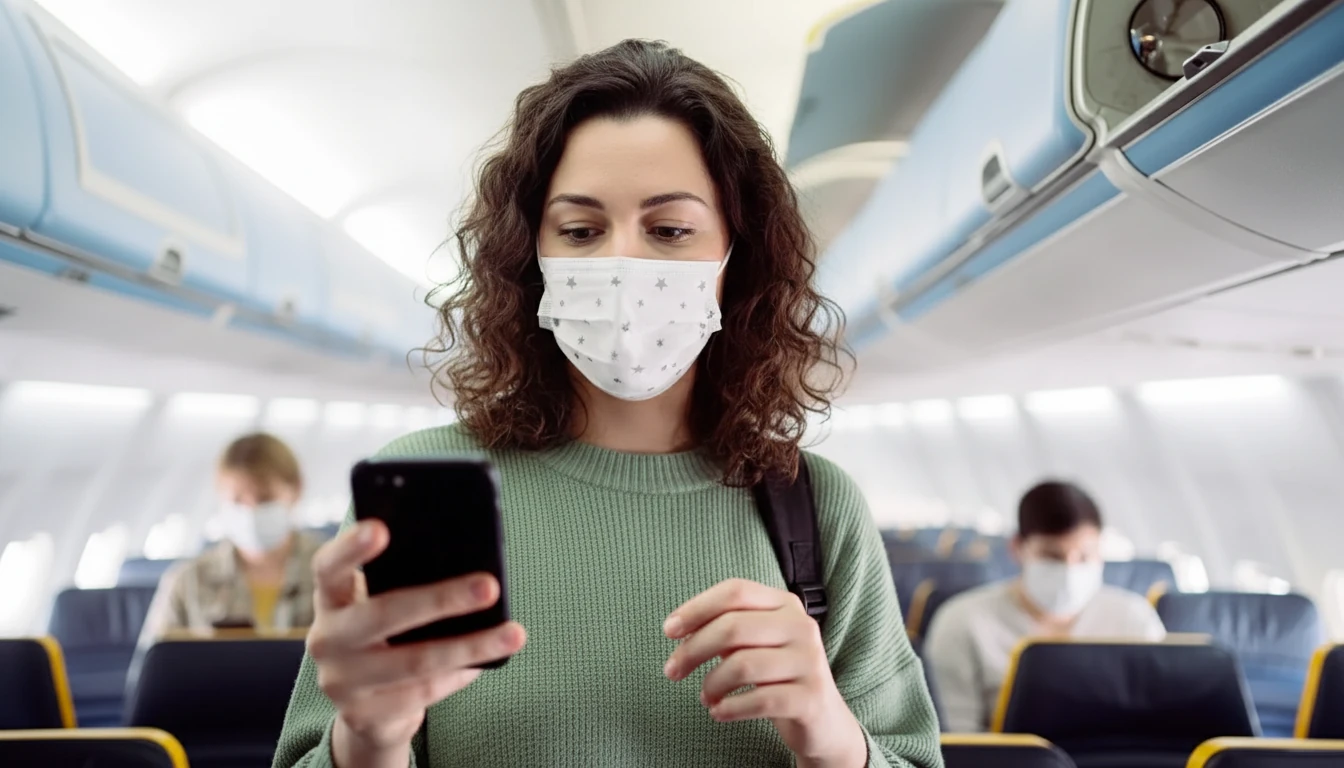
Masks act as filters that reduce the number of infectious respiratory particles inhaled by the wearer4. The effectiveness of one-way masking depends on the mask’s filtration efficiency and fit, as well as the duration and setting of exposure5. For example, wearing a mask on airplanes reduced the risk of infection by up to 54% from an infected passenger nearby5. However, one-way masking does not eliminate risk, especially in crowded indoor spaces with poor ventilation5.
Risk assessment is crucial for one-way maskers. Factors such as the level of virus circulation in the community, time spent indoors, and the type of activity (e.g., talking loudly, singing) influence infection risk5. Using a high-quality respirator like an N95 or KN95 significantly lowers the risk even when others are unmasked5.
“One-way masking isn’t doing that [maximizing benefits], but if you plan to continue wearing a mask, you can still get substantial protection as the sole mask-wearer if you do it right.”
— Malaka Gharib, NPR5
Importance of Mask Type
The type of mask worn is a key factor in the level of protection achieved. High-filtration respirators such as N95 and KN95 masks provide the greatest protection by filtering at least 95% of airborne particles when properly fitted3. Surgical masks offer moderate protection, filtering 45–97% of particles depending on material and fit6. Cloth masks generally provide the least protection, with wide variability depending on fabric and layers6.
💡 Did You Know?
Experts emphasize that wearing a mask to protect yourself is still worthwhile, even if others do not wear masks. While public health messaging often focuses on protecting others, the right mask also protects the wearer1.
Fit is critical for mask effectiveness. Gaps between the mask and face allow unfiltered air to bypass the mask, reducing protection4. Layering masks can improve fit and filtration but may not proportionally increase protection and can affect comfort6. Proper use, including covering both nose and mouth and avoiding wet or dirty masks, is essential3.
| Mask Type | Filtration Efficiency | Protection Level (Real-World) | Notes |
|---|---|---|---|
| N95/KN95 | ≥95% | Highest | Requires good fit; some models may be uncomfortable36 |
| Surgical Mask | 45–97% | Moderate | Loose fit reduces effectiveness6 |
| Cloth Mask | Variable (<45%) | Lowest | Depends on fabric and layers6 |
| Sources:36 | |||
N95/KN95 respirators provide superior protection even when others are unmasked, making them the best choice for one-way masking3. Surgical masks offer some wearer protection but are less effective than respirators6. Cloth masks are better than no mask but should be upgraded when possible7.
Additional Protection Strategies
Masking is most effective when combined with other preventive measures in a layered approach recommended by the CDC and WHO4. No single intervention is fully protective, but together they maximize risk reduction, especially for high-risk individuals4.
Key additional strategies include:
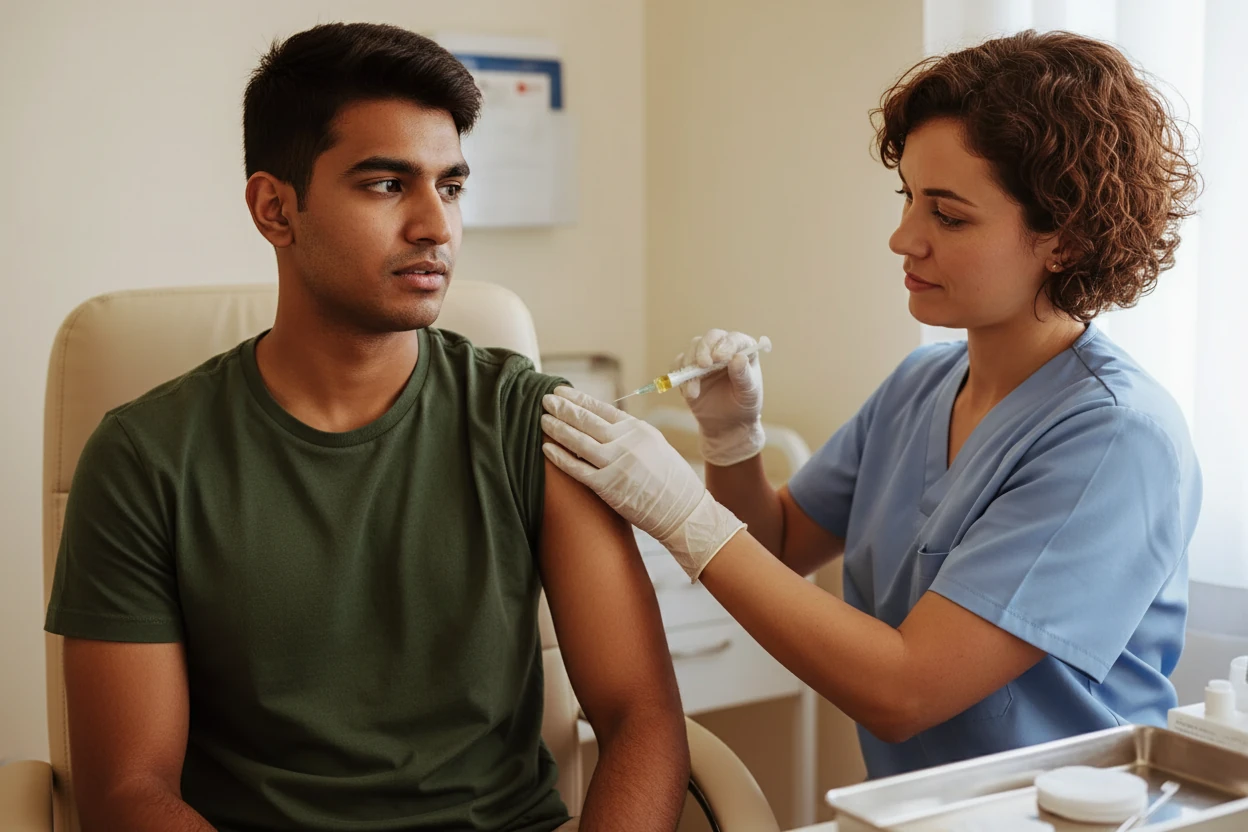
- Vaccination and staying up to date with booster shots remain the most effective ways to prevent severe COVID-19 outcomes84.
- Improving indoor ventilation by opening windows, using fans, or portable HEPA air filters reduces airborne virus concentration4.
- Physical distancing, especially in crowded or poorly ventilated spaces, lowers the risk of close-contact transmission4.
- Practicing respiratory hygiene, such as covering coughs and sneezes, reduces droplet spread4.
- Regular hand hygiene with soap and water or alcohol-based hand sanitizers decreases contact transmission4.
- Isolating symptomatic individuals limits household and community spread4.
These measures are particularly important during periods of high community transmission or when interacting with vulnerable populations49.
Masks can reduce your risk of getting infected, but they aren’t perfect. If you are the only person in a crowded room wearing one, you’ll get less protection than you would if everyone wore one9.
Key Takeaways
- One-way masking provides meaningful protection for the wearer, but universal masking offers the greatest reduction in COVID-19 transmission25.
- High-filtration respirators (N95/KN95) offer the highest level of protection and are recommended for one-way masking, especially in high-risk settings35.
- Proper mask fit and consistent use are essential to maximize protection; gaps and improper wear reduce effectiveness64.
- Masking should be combined with vaccination, ventilation improvements, physical distancing, and hygiene practices for optimal COVID-19 prevention4.
- Strategic masking—wearing a mask in high-risk situations—can help individuals protect themselves and others while balancing comfort and practicality9.