Despite widespread immunity from vaccination and prior infection, covid-test-accuracy-for-eg5-and-ba286-variantscovid-test-accuracy-for-eg5-and-ba286-variants">COVID-19 remains a significant health threat, causing tens of thousands of deaths annually in the United States1. The virus continues to evolve, with Omicron subvariants such as XBB and JN.1 dominating recent circulation2. In response, U.S. health authorities have shifted toward an annual COVID-19 vaccination model, aiming to simplify recommendations and improve protection against severe disease during seasonal surges31.
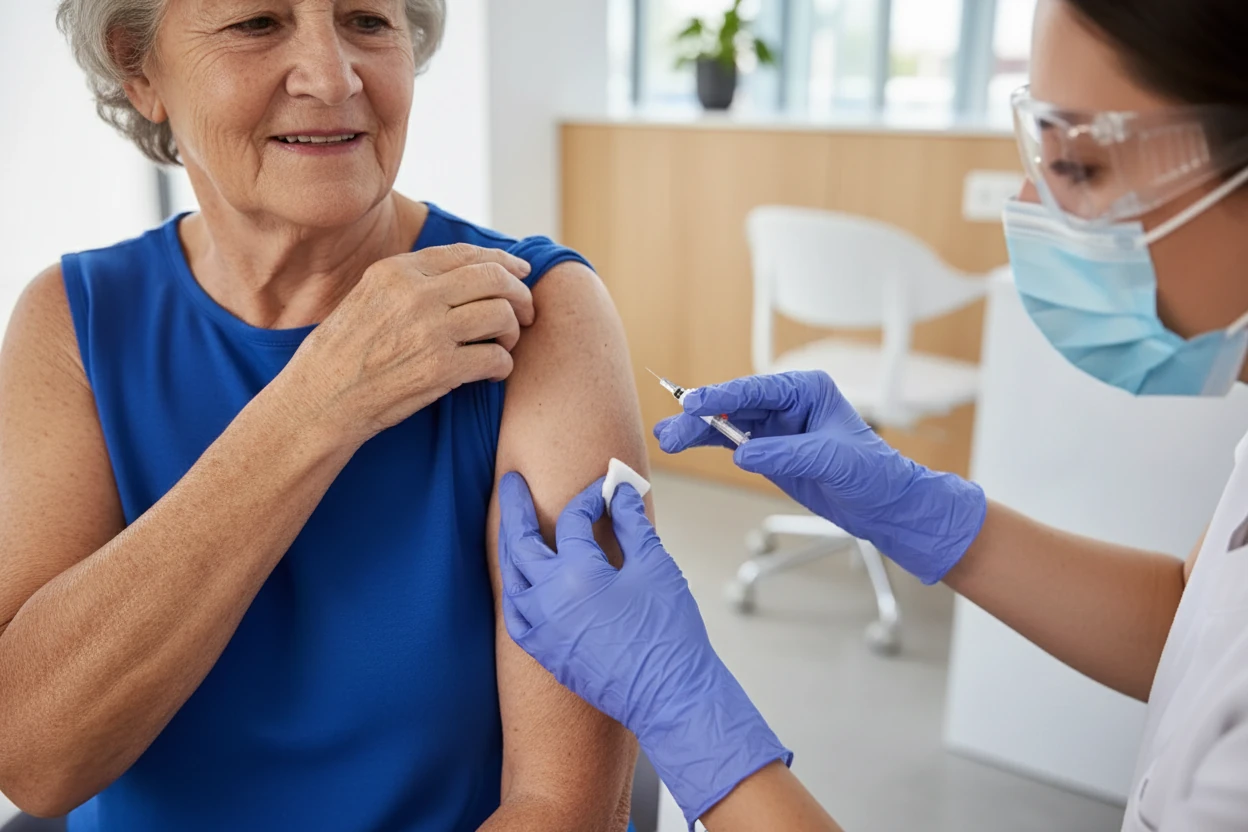
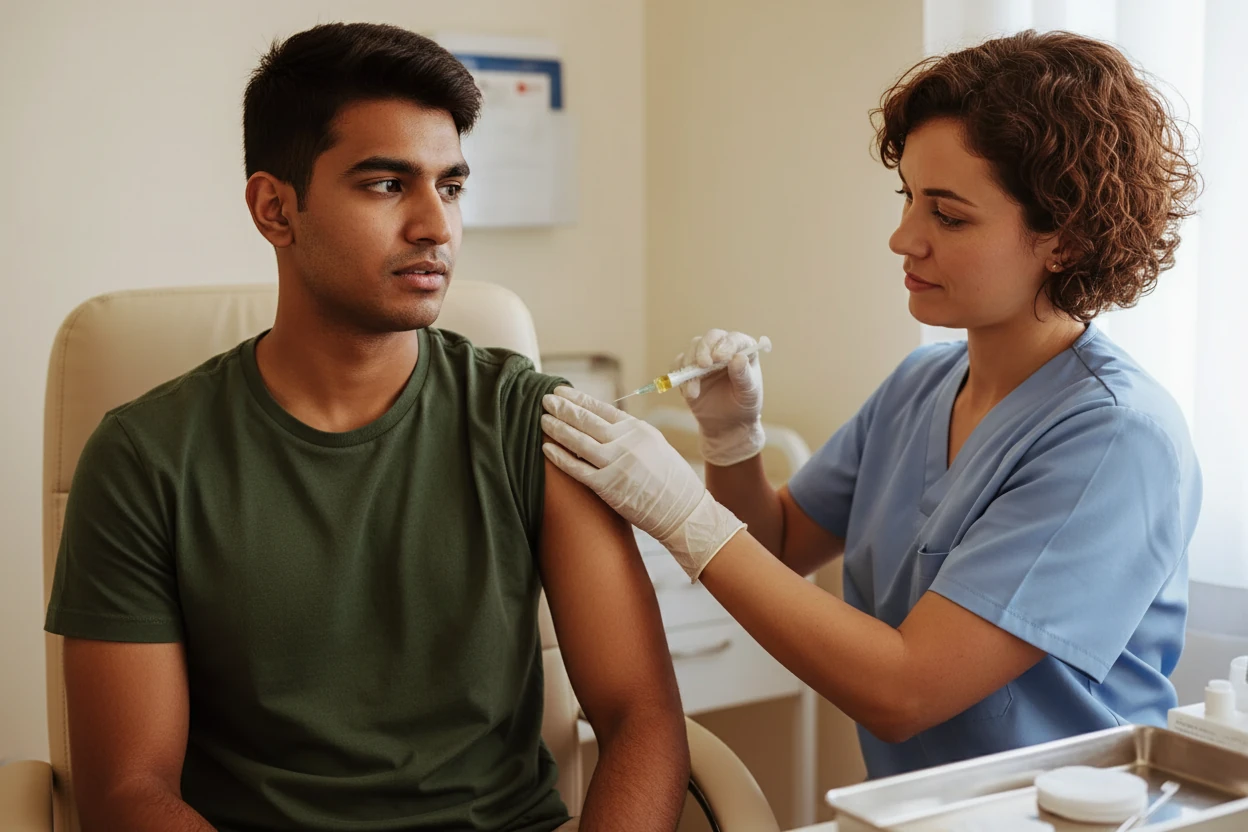
Seasonal respiratory illnesses like COVID-19 and influenza often surge together in fall and winter. Timely vaccination with updated COVID boosters and flu shots provides the best defense against severe disease and hospitalization during these high-risk months17222.
Bivalent Vaccines Offer Longer-Lasting Protection
SARS-CoV-2 has undergone continuous evolution since the pandemic began, with Omicron and its subvariants dominating since late 20212. This viral evolution involves antigenic drift—a gradual change in viral proteins that allows the virus to partially evade immune recognition but still permits cross-protection from vaccines and prior infection4. This concept, well established in influenza, underpins the rationale for updating COVID-19 vaccines annually to maintain effective immunity4.
Bivalent vaccines, which target both the ancestral SARS-CoV-2 strain and Omicron variants, have demonstrated superior immune responses compared to the original monovalent vaccines. These updated vaccines elicit stronger neutralizing antibody responses that remain effective against multiple Omicron subvariants for several months after vaccination56. They also provide improved protection against symptomatic infection and severe disease, reducing hospitalizations especially in populations with prior vaccination or hybrid immunity from infection and vaccination376.
Recent studies show that vaccine effectiveness wanes over time, with significant reduction in protection observed 3 to 6 months after booster doses89. However, bivalent boosters restore and extend immunity, particularly in older adults and immunocompromised individuals310. The circulating Omicron subvariants such as XBB.1.5 and JN.1 exhibit antigenic drift but not drastic antigenic shifts, supporting the strategy of annual vaccine updates rather than more frequent reformulations211.
A Stanford Medicine modeling study highlights that annual boosters significantly reduce severe COVID-19 infections in high-risk groups. For example, yearly boosters in people over 75 years reduced severe infections from approximately 1,400 to 1,200 cases per 100,000 people, with even greater benefits seen with twice-yearly boosters12. Younger, healthy adults benefit less from frequent boosters but still gain protection against non-severe disease12.
“At this stage of the pandemic, data support simplifying the use of the authorized mRNA bivalent COVID-19 vaccines and the agency believes that this approach will help encourage future vaccination.”
— Peter Marks, M.D., Ph.D., director of the FDA’s Center for Biologics Evaluation and Research13
Key benefits of bivalent COVID-19 vaccines:
- Target both ancestral and Omicron strains for broader immunity56.
- Induce durable neutralizing antibodies effective against multiple Omicron subvariants56.
- Reduce risk of symptomatic infection and severe outcomes, including hospitalization37.
- Address antigenic drift by updating vaccine composition annually42.
- Provide enhanced protection for older adults and immunocompromised populations310.
Simplifying Vaccination With an Annual Shot
The U.S. government and public health authorities have adopted an annual COVID-19 vaccination strategy to simplify guidance and improve vaccine uptake1415. The Advisory Committee on Immunization Practices (ACIP) recommends annual COVID-19 vaccination for most age groups, aligning the timing of COVID boosters with the influenza vaccination schedule where possible141511.
This approach addresses challenges posed by complex vaccine recommendations and changing eligibility criteria, which have previously hindered public understanding and vaccine delivery16. The introduction of bivalent vaccines enables a more standardized annual booster approach, similar to the well-established influenza vaccination program17.
The FDA has amended emergency use authorizations to simplify vaccine use, authorizing bivalent vaccines for all doses administered to individuals aged 6 months and older, including additional doses for certain high-risk groups13. Monovalent vaccines are no longer authorized in the U.S.13. Most individuals who have received monovalent vaccines but not a bivalent dose may receive a single bivalent dose, while those 65 years and older may receive an additional bivalent dose at least four months after their initial bivalent booster13.
Despite these advances, vaccine hesitancy and disparities in access remain significant barriers to achieving high booster coverage1816. The Department of Health and Human Services (HHS) and the Centers for Disease Control and Prevention (CDC) have implemented outreach programs and funding support to improve vaccine access and reduce barriers1416. However, without additional COVID-19 funding from Congress, vaccine purchase and distribution could be compromised in upcoming seasons19.
Clear and consistent public health messaging is critical to set expectations for annual COVID-19 vaccination and to enhance acceptance16. Managing COVID-19 as an endemic virus with seasonal vaccination strategies aligns with long-term mitigation goals16.
“We're in the fourth year of the pandemic now, and we're shifting toward more long-term mitigation strategies.”
— Hailey Park, Stanford Medicine research data scientist12
Highlights of the annual COVID-19 vaccination strategy:
- ACIP recommends annual COVID-19 vaccination for most individuals aged ≥6 months1411.
- Bivalent vaccines are authorized for all doses, replacing monovalent vaccines13.
- Additional doses recommended for adults ≥65 years and immunocompromised persons141013.
- Vaccination schedules aligned with influenza vaccine timing to simplify delivery1715.
- Public health efforts focus on outreach, access, and addressing vaccine hesitancy1816.
Get Your COVID Booster and Flu Shot Now
Seasonal surges of COVID-19 cases are expected during fall and winter, coinciding with influenza and respiratory syncytial virus (RSV) seasons217. Vaccine-induced immunity wanes over months, making timely booster doses essential to maintain protection89. Public health authorities recommend receiving the updated bivalent COVID-19 booster and the seasonal influenza vaccine in early fall to maximize immunity during the respiratory virus season1720.
“We know that the youngest children, those 6 to 23 months, are at risk for more severe infection.”
— Kristina Bryant, MD, professor of pediatrics at the University of Louisville School of Medicine22
Co-administration of COVID-19 and influenza vaccines is safe and effective, with no increase in adverse events beyond mild local reactions1721. Immunological studies confirm no interference in immune response when both vaccines are given simultaneously1721. This strategy facilitates protection against two major respiratory viruses and improves vaccine uptake by reducing the number of healthcare visits needed1721.
The CDC advises influenza vaccination by the end of October to optimize protection through peak flu season17. Despite the availability of effective vaccines, fewer than half of Americans receive the influenza vaccine annually, even though flu causes thousands of deaths each year, including among children22. Similarly, COVID-19 vaccination coverage remains suboptimal, underscoring the need for clear communication and access1822.
Certain populations are at higher risk for severe COVID-19 and influenza and should prioritize vaccination. These include adults aged 65 and older, young children (especially ages 6 to 23 months), pregnant and lactating people, and individuals with underlying health conditions221. The American Academy of Pediatrics (AAP) and the American Academy of Family Physicians (AAFP) recommend COVID vaccination for young children and high-risk groups, emphasizing the importance of protection in these vulnerable populations22.
Tips for maximizing protection this respiratory season:
- Get the updated bivalent COVID-19 booster and flu shot early in fall1720.
- Vaccines can be safely administered at the same visit1721.
- Prioritize vaccination for high-risk groups: older adults, young children, pregnant people, and those with chronic conditions221.
- Schedule vaccination to allow four weeks for full COVID vaccine effectiveness before expected surges22.
- Seek medical advice for antiviral treatments if infected with flu or COVID-19 to reduce severity22.