Norovirus is the leading cause of acute gastroenteritis in the United States, responsible for an estimated 19 to 21 million illnesses annually1. This highly contagious virus causes sudden vomiting and diarrhea, which can lead to dehydration, especially in young children, older adults, and people with weakened immune systems2. Understanding the different strains, symptoms, transmission routes, and prevention strategies is key to managing and reducing the impact of norovirus infections3.
Norovirus Strains
Noroviruses belong to the Caliciviridae family and are genetically diverse RNA viruses4. They are classified into genogroups GI through GVII, with genogroups GI, GII, and to a lesser extent GIV, causing most human infections5. Among these, GII strains are the most common cause of outbreaks, especially in healthcare settings and during winter months6. The GII.4 strain is particularly prevalent worldwide and is responsible for the majority of norovirus outbreaks, especially in crowded institutional settings such as nursing homes and schools78.
Recent surveillance data indicate an increased detection of other GII strains, including GII.2, GII.3, and GII.6, which also contribute to outbreaks7. Variants of GII.4 have been named after cities where outbreaks were first identified, such as Minerva and Laurens9. These genetic variations contribute to the virus’s ability to cause repeated infections in individuals, as immunity to one strain may not protect against others10.
Common Norovirus Symptoms
Symptoms of norovirus infection typically begin 12 to 48 hours after exposure and usually last 1 to 3 days11. The main symptoms include:
- Nausea11
- Vomiting, reported in about 50% of cases during outbreaks12
- Diarrhea, often watery or loose stools11
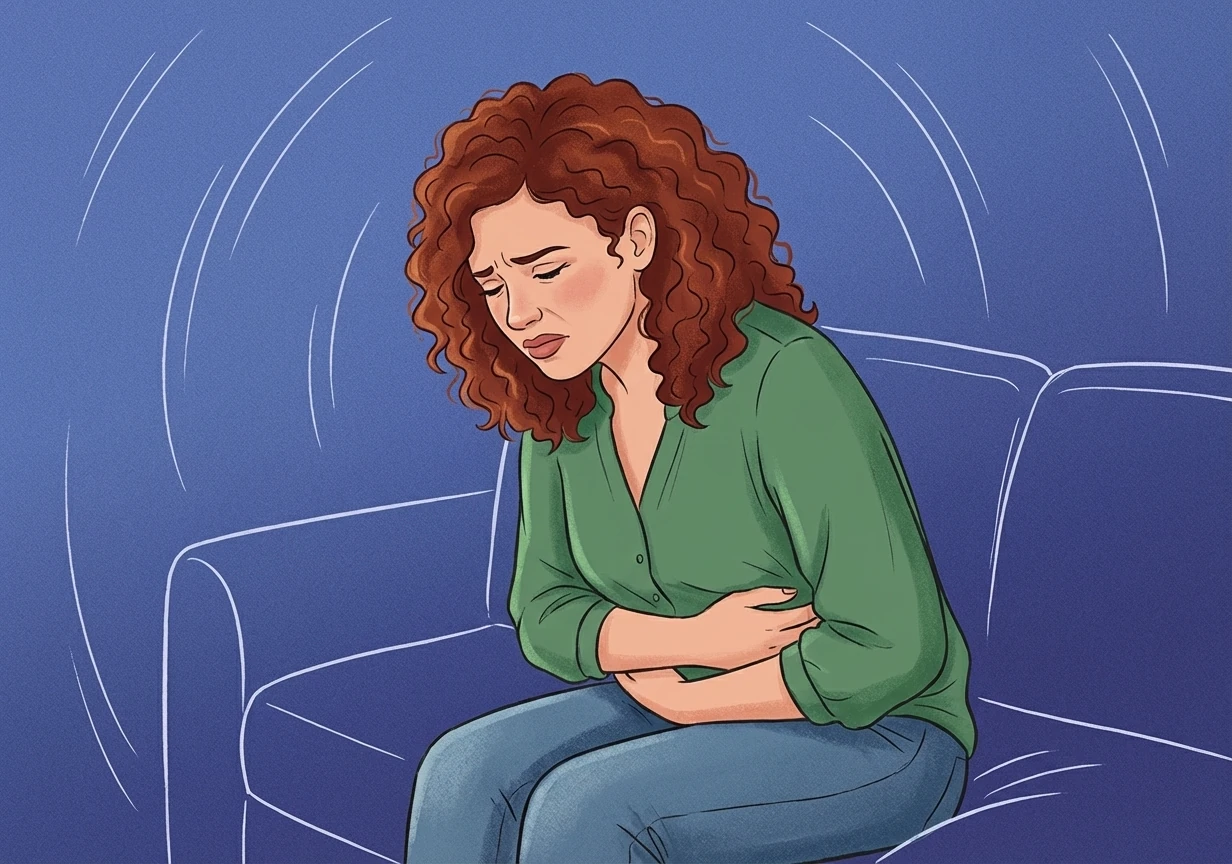
- Abdominal cramps or stomach pain, affecting around 40% of cases1211
Other symptoms may include low-grade fever, headache, muscle aches, and fatigue3. While most people recover without complications, symptoms can be more severe in vulnerable populations such as young children and older adults11. Vomiting and diarrhea can be frequent and intense, leading to dehydration if fluids are not adequately replaced3.
Transmission and Causes
Norovirus spreads primarily through the fecal-oral route13. It is highly contagious and requires a very low infectious dose—fewer than 100 viral particles can cause infection3. Transmission occurs via several routes:
- Eating contaminated food or drinking contaminated water11
- Touching contaminated surfaces or objects and then touching the mouth13
- Direct contact with infected individuals, including sharing food, utensils, or caring for someone who is ill11
- Exposure to aerosolized particles from vomit or feces14
Norovirus is highly stable in the environment and can survive on surfaces for days or even weeks if not properly disinfected153. This environmental persistence facilitates rapid spread, especially in closed and crowded settings such as nursing homes, schools, childcare centers, hospitals, and cruise ships14.
Risk Factors
Certain factors increase the risk of contracting norovirus or experiencing severe illness:
- Age: Children under 5 years and adults over 65 years are at higher risk for severe symptoms and complications11
- Immunocompromised status: People with weakened immune systems may have prolonged and more severe infections11
- Living or working in crowded or closed environments, such as nursing homes, schools, and cruise ships11
- Consumption of raw or undercooked shellfish, particularly oysters, which can harbor norovirus from contaminated water113
Diagnosing Norovirus
Diagnosis of norovirus infection is primarily clinical, based on symptoms and exposure history11. Laboratory confirmation is generally reserved for severe cases, outbreaks, or when complications are suspected11. The gold standard for detecting norovirus in clinical samples is reverse transcription polymerase chain reaction (RT-PCR), which identifies viral RNA in stool or vomit samples16.
In some cases, mcv blood test results meaning and normal range tests such as a comprehensive metabolic panel (CMP) may be ordered to assess electrolyte imbalances caused by dehydration11. However, routine testing is often unnecessary because symptoms typically resolve within a few days without specific treatment11.
Norovirus Treatment Options
There is no specific antiviral treatment for norovirus infection11. Management focuses on supportive care to relieve symptoms and prevent dehydration. Key treatment strategies include:
- Oral rehydration with fluids containing electrolytes to replace losses from vomiting and diarrhea11
- Rest to support recovery11
- Over-the-counter medications may be used to alleviate symptoms such as nausea and diarrhea, but they do not cure the infection11
Severe cases, especially those involving significant dehydration, may require hospitalization for intravenous (IV) fluid administration and close monitoring11. Signs of dehydration include dry mouth, absence of tears when crying (in children), dizziness, fatigue, and decreased urine output11. Prompt medical attention is essential for individuals showing these signs.
Norovirus Prevention Strategies
Preventing norovirus infection relies heavily on hygiene and infection control measures11. Because the virus spreads easily and can survive on surfaces, thorough handwashing and proper disinfection are critical. Effective prevention strategies include:
- Washing hands thoroughly with soap and water for at least 20 seconds, especially after using the toilet, changing diapers, and before preparing or eating food14
- Avoiding the use of alcohol-based hand sanitizers as they are less effective against norovirus compared to soap and water11
- Disinfecting contaminated surfaces with bleach-based cleaners or other disinfectants proven effective against norovirus11
- Washing fruits and vegetables thoroughly before consumption and cooking seafood, especially shellfish, thoroughly11
- Avoiding food preparation or handling for others while symptomatic and for at least 48 hours after symptoms resolve11
- Isolating infected individuals during illness and for 2 to 3 days after recovery to reduce transmission risk11
💡 Did You Know?
Norovirus Prevention and Control Guidelines for Healthcare Settings recommend enhanced hygiene measures that can reduce transmission potential by up to 85%18.
Potential Complications
Although norovirus infection is usually self-limiting, complications can occur, particularly in vulnerable populations11. The most common complication is dehydration due to fluid loss from vomiting and diarrhea11. Severe dehydration can lead to electrolyte imbalances such as hypokalemia (low potassium) and hyponatremia (low sodium), which may cause cardiac complications11.
Rare but serious complications include:
- Colon perforation11
- Hemolytic uremic syndrome11
- Acute kidney injury from severe dehydration11
- Sepsis in cases of severe infection11
Prolonged illness may also result in malnutrition and metabolic alkalosis due to ongoing vomiting and fluid loss11. Hospitalization is sometimes necessary to manage these complications, especially in young children, older adults, and immunocompromised individuals11.
Norovirus infection can cause severe vomiting and diarrhea that start suddenly and commonly spread through contaminated food, water, or surfaces14.
Key Takeaways
- Norovirus is the leading cause of acute gastroenteritis and foodborne illness in the United States, causing millions of cases annually1.
- The GII.4 strain is the most common norovirus genotype responsible for outbreaks worldwide, especially in healthcare and institutional settings8.
- Symptoms include sudden onset of nausea, vomiting, diarrhea, and abdominal cramps, typically lasting 1 to 3 days11.
- Transmission occurs through contaminated food, water, surfaces, and close contact with infected individuals; the virus is highly stable in the environment13.
- Prevention relies on thorough handwashing with soap and water, proper food handling, surface disinfection, and isolation during illness and recovery11.
Norovirus FAQs
Can I get norovirus more than once?
Yes, norovirus has many different strains, and infection with one type does not provide complete immunity against others. People can get norovirus multiple times throughout their lives10.
How long am I contagious if I have norovirus?
You are most contagious from the time symptoms begin until at least 48 hours after symptoms resolve. Some people may shed the virus for weeks after recovery, remaining contagious during that time11.
Is there a vaccine for norovirus?
Currently, there is no licensed vaccine available for norovirus, although research is ongoing11.
What should I do if I suspect norovirus infection?
Most cases resolve with supportive care at home. Drink plenty of fluids to prevent dehydration and rest. Seek medical attention if you cannot keep fluids down, have severe symptoms, or belong to a vulnerable group such as young children or older adults2.