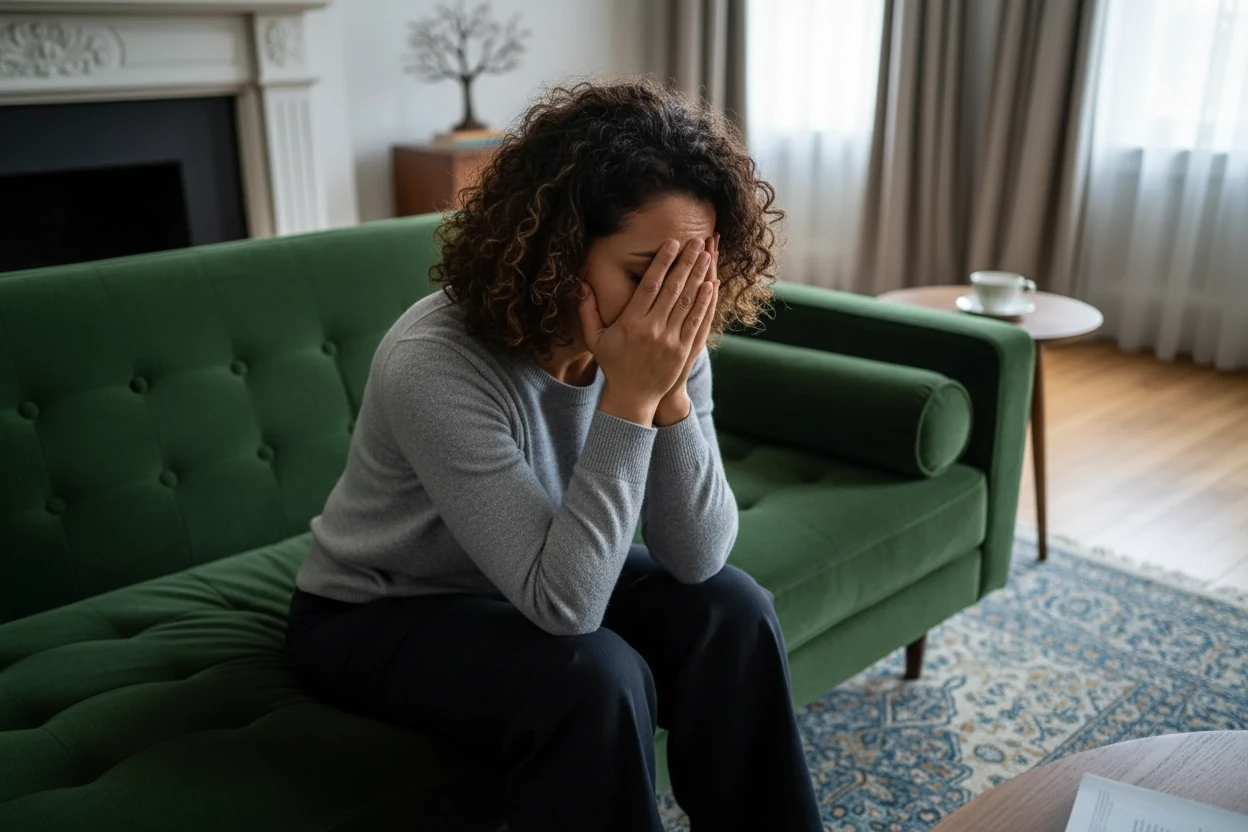
Nighttime depression-7-helpful-choicesdepression-7-helpful-choicesdepression-reliefdepression-reliefdepression affects many individuals, often worsening as the day ends and distractions fade away. This increase in depressive symptoms at night can be linked to biological rhythms and environmental factors that influence mood and sleep quality1. Understanding these causes and implementing targeted strategies can help ease nighttime depression and improve overall mental health2.
Causes of Worsening Depression at Night
Depression symptoms often intensify at night due to a combination of physiological and psychological factors. The body’s internal clock, or circadian rhythm, regulates hormone secretion, neurotransmitter levels, and sleep-wake cycles, all of which influence mood34. The suprachiasmatic nucleus in the hypothalamus coordinates these rhythms, responding primarily to light exposure35. Disruptions in this system can lead to mood instability and increased depressive symptoms during evening hours5.
One key mechanism is the shift in neurochemical activity at night. Brain serotonin levels, which play a critical role in mood regulation, decline in the evening, correlating with worsening depressive symptoms6. Additionally, the natural hormonal cycle involves a morning surge in cortisol, which supports alertness and cognitive function, followed by an evening rise in melatonin that facilitates sleep onset and mood changes7. When this cortisol-melatonin balance is disrupted, mood disturbances can worsen7.
Environmental factors also contribute. Reduced exposure to natural daylight and increased fatigue at night amplify negative emotions such as sadness and loneliness8. The decrease in external stimuli during nighttime can lead to rumination—repetitive negative thinking—which exacerbates feelings of hopelessness and worthlessness91. Evening inactivity further increases vulnerability to negative mood states9.
Moreover, artificial light exposure at night, especially blue light from screens, suppresses melatonin production, disrupting circadian rhythms and worsening both sleep quality and mood310. People with evening chronotypes (those naturally inclined to be active later in the day) or those experiencing circadian misalignment are at higher risk of more severe depression symptoms at night111213.
| Factor | Effect on Mood at Night | Evidence Source(s) |
|---|---|---|
| Serotonin decrease | Increased negative feelings | 146 |
| Cortisol-melatonin shift | Regulates alertness and mood fluctuations | 47 |
| Fatigue and low light | Amplifies negative emotions | 108 |
| Blue light exposure | Melatonin suppression, sleep disruption | 310 |
| Chronotype alignment | Influences mood and depression risk | 111213 |
“There is a theory called ‘mind after midnight,’ which is this idea that after midnight, your brain makes choices it wouldn’t make at noon.”
— Jamie Zeitzer, PhD, Stanford Medicine15
These combined biological and environmental influences explain why many people experience a worsening of depressive symptoms as night falls.
Managing Nighttime Depression Symptoms
Effective management of nighttime depression involves aligning daily activities with biological rhythms, developing calming routines, addressing negative thoughts, maintaining social connections, practicing body awareness, and seeking professional help when needed. These strategies target both the physiological and psychological contributors to nighttime mood dips.
Align Your Day With Your Circadian Rhythm
Following a schedule consistent with your natural circadian preference, or chronotype, can improve mood regulation and treatment outcomes16. For example, morning types may benefit from early wake and sleep times, while evening types should aim to gradually adjust their schedule to avoid circadian misalignment111213.
Therapeutic approaches such as chronotherapy and light therapy aim to reset circadian rhythms, improving depressive symptoms by restoring hormonal and neurotransmitter balance171819. Reducing exposure to artificial blue light in the evening supports melatonin secretion and sleep quality310.
Develop a Nighttime Routine
Establishing consistent pre-sleep habits reduces overstimulation and prepares the body for restful sleep9. Calming activities such as reading or gentle stretching help decrease physiological arousal, improving sleep onset and quality9. Using warm ambient lighting in the evening supports circadian rhythm regulation and mood stabilization18.
Avoiding bright screens and limiting caffeine or heavy meals before bedtime further enhance sleep readiness220. A comfortable sleep environment, including a cool and quiet bedroom, also promotes restorative sleep1.
Manage Negative Thoughts
Nighttime often brings fewer distractions, allowing negative thoughts and rumination to surface, which can worsen mood91. Writing down worries before bed can help externalize concerns and reduce their impact during the night1. Cognitive behavioral therapy (CBT) techniques are effective in identifying and changing negative thought patterns linked to depression2.
Mindfulness and relaxation exercises may also reduce stress and interrupt cycles of rumination, fostering a calmer mental state before sleep2.
Stay Connected
Maintaining supportive social connections during the day helps buffer feelings of loneliness and isolation that can intensify at night2. Engaging with trusted friends or family members provides emotional support and distraction from negative thoughts2. Social interaction also promotes positive affect, which can improve overall mood and resilience16.
Practice Body Awareness
Paying attention to physical sensations and stress signals can help manage nighttime depression. Relaxation techniques such as deep breathing, progressive muscle relaxation, or gentle yoga can reduce tension and promote a sense of calm2. Regular physical activity during the day improves sleep quality and mood, further supporting emotional well-being2.
“This is an important reminder of how our casual activities, such as a sleepless night, can fundamentally alter the brain in as little as a few hours.”
— Yevgenia Kozorovitskiy, Northwestern University22
Seek Professional Help
If nighttime depression symptoms persist or worsen, it is important to seek help from a healthcare professional. Treatments may include psychotherapy, such as CBT, and antidepressant medications tailored to individual needs220. Newer options like esketamine offer alternatives for treatment-resistant cases21.
Sleep specialists can assess for underlying sleep disorders, such as insomnia or sleep apnea, which often co-occur with depression and exacerbate symptoms20. Cognitive behavioral therapy for insomnia (CBT-I) is an effective approach that targets both sleep and mood disturbances20.