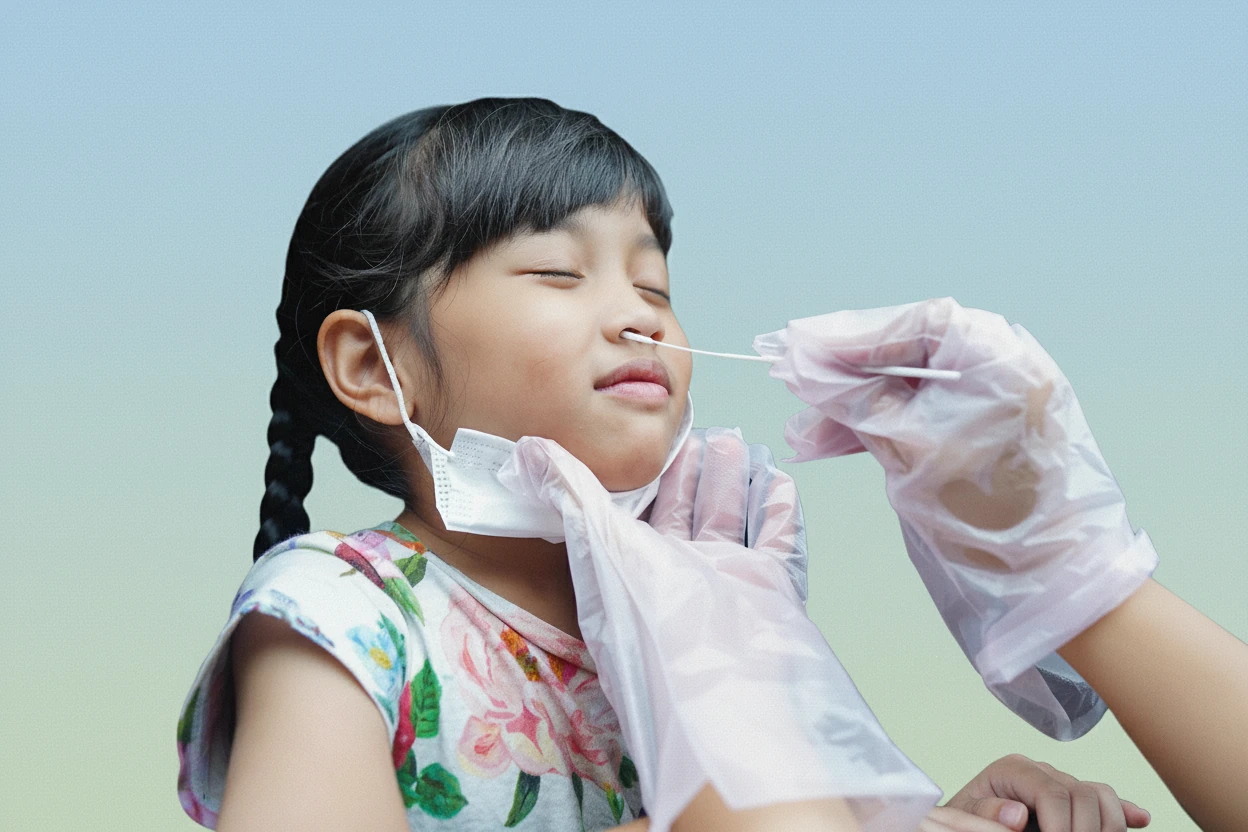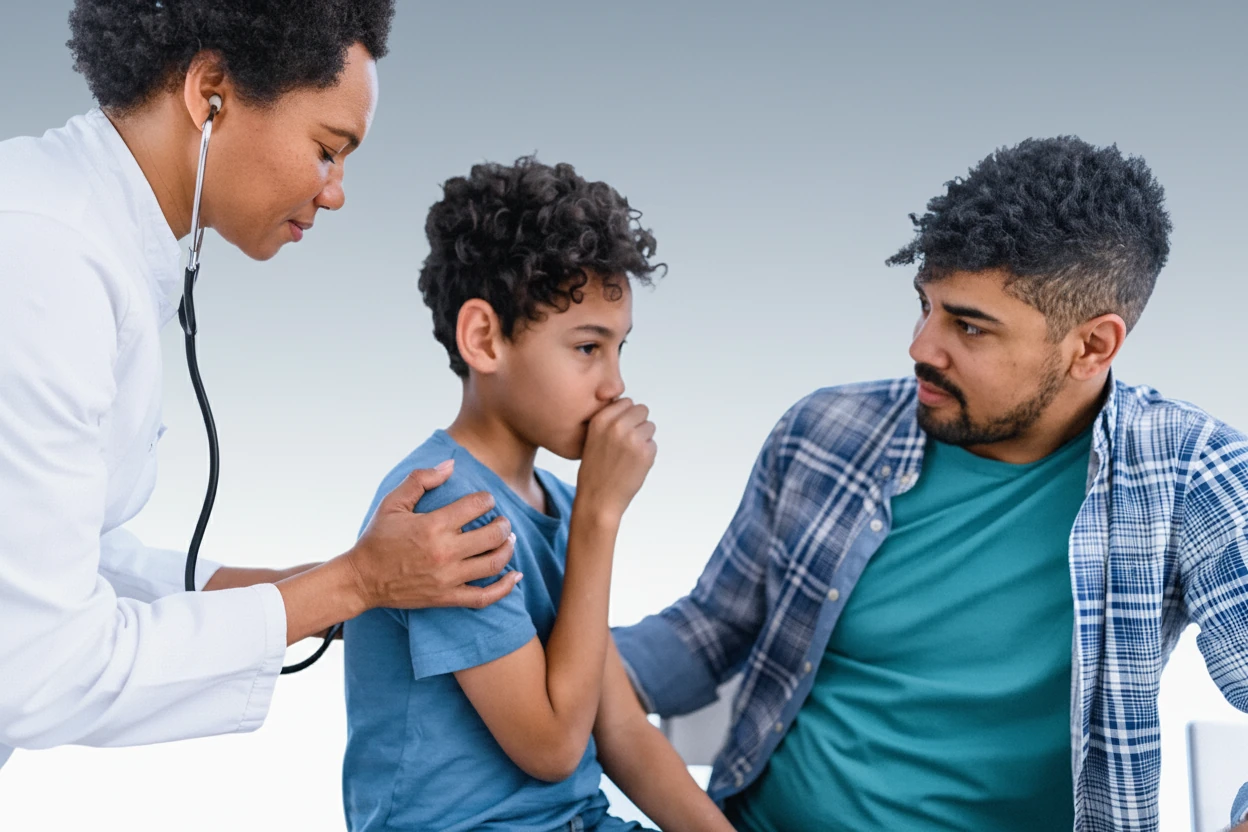
Poliovirus is a highly contagious viral disease that can cause paralysis and even death, primarily affecting children under five years old1. In 2022, New York State identified a case of paralytic polio in an unvaccinated adult, the first in nearly a decade, linked to vaccine-derived poliovirus type 2 (VDPV2)2. This case, along with detection of poliovirus in wastewater samples, revealed sustained local transmission and prompted urgent public health responses34. Despite being largely controlled in the United States since 1979, the re-emergence of polio underscores the critical need for vaccination and surveillance5.
“The fact that it is still around decades after the vaccine was created shows you just how relentless it is. Do the right thing for your child and the greater good of your community and have your child vaccinated now.”
— County Executive Ed Day, Rockland County8
Governor's Executive Order for Polio Vaccination
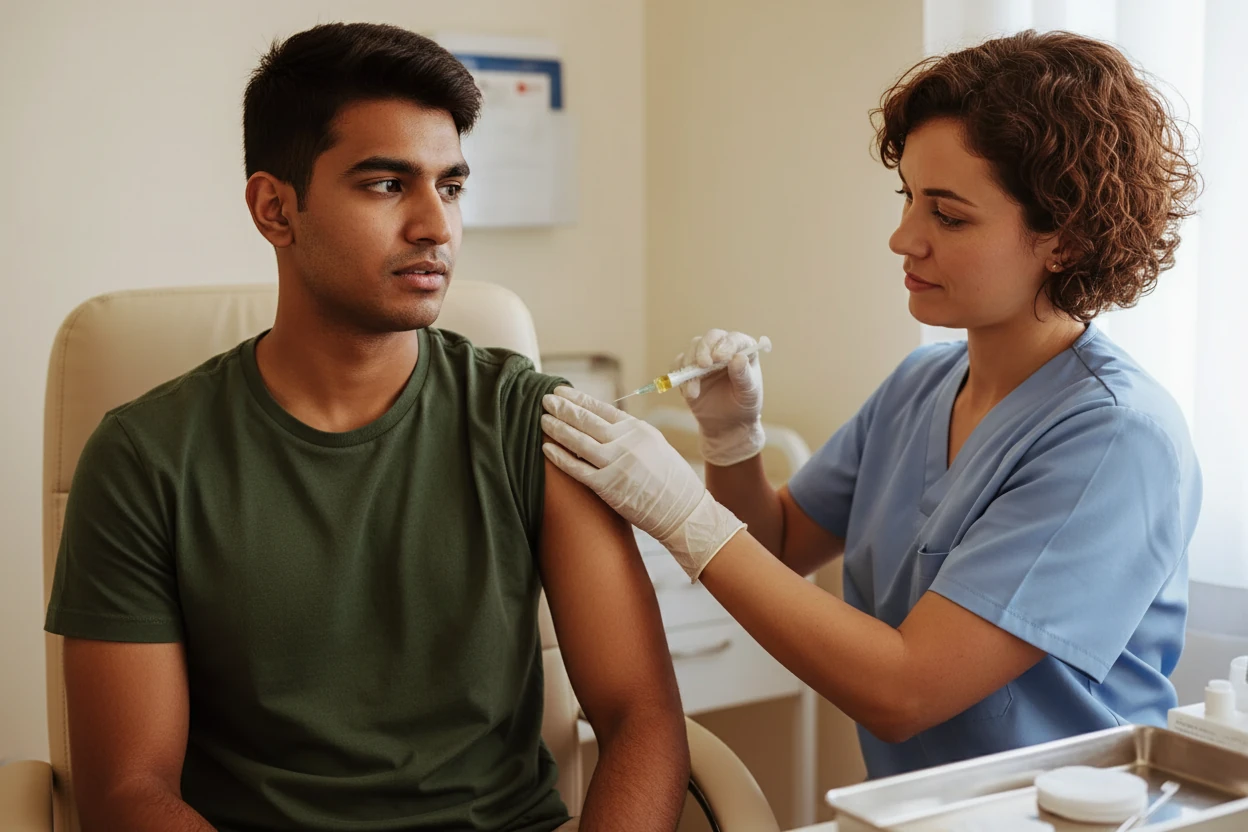
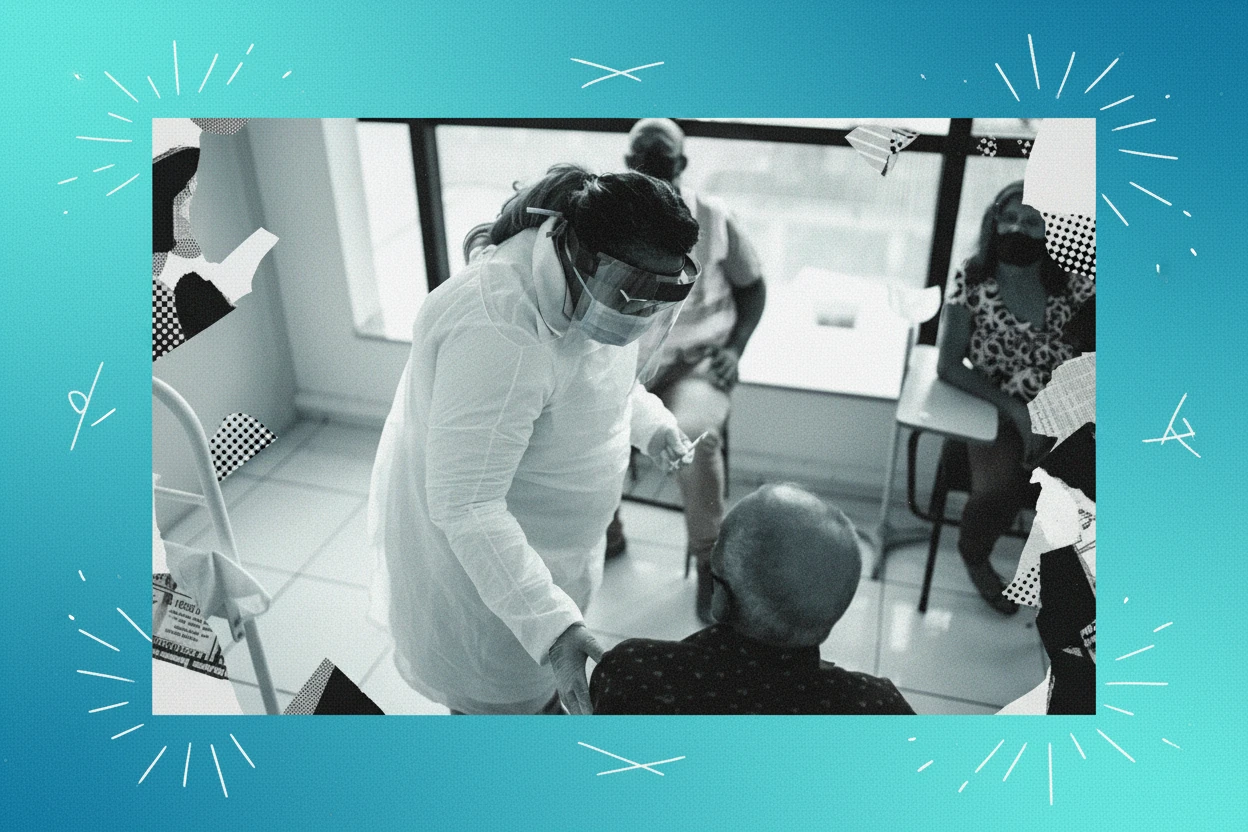
In response to the growing polio outbreak, Governor Kathy Hochul declared a state of emergency in New York to enhance immunization and containment efforts6. This executive order enables the mobilization of resources and expands the authority to administer polio vaccines beyond traditional healthcare providers4. Emergency medical service (EMS) personnel, pharmacists, and midwives are now authorized to vaccinate individuals, increasing access and coverage across the state76. Additionally, physicians and nurse practitioners can issue standing orders to facilitate timely vaccine delivery4.
Governor Kathy Hochul declared a state of emergency over the growing polio outbreak. The order allows emergency service workers, midwives, and pharmacists to administer the polio vaccine6.
The emergency declaration also mandates the reporting of polio vaccination data to the New York State Department of Health (NYSDOH). This data collection aims to optimize targeted immunization strategies by identifying under-vaccinated populations and geographic areas at higher risk7. The state of emergency is set to remain in effect until October 9, providing a defined timeframe for intensified public health actions4.
The executive order reflects a comprehensive approach to controlling the outbreak by:
- Expanding vaccine administration authority to include EMS personnel, pharmacists, and midwives7.
- Allowing healthcare providers to issue standing orders for vaccination, streamlining access4.
- Mandating vaccination data reporting to improve surveillance and response7.
- Mobilizing state resources to enhance vaccination and poliovirus monitoring efforts4.
- Setting a clear timeline for emergency measures, scheduled to end on October 94.
Urgent Polio Vaccine Recommendation for Unvaccinated
Poliovirus is a highly infectious virus that primarily affects young children but can infect anyone who is unvaccinated1. The virus spreads mainly through fecal-oral contact and, less efficiently, via respiratory droplets8. The 2022 case in Rockland County involved an unvaccinated adult who developed paralytic polio caused by a vaccine-derived poliovirus type 2 strain, genetically linked to the oral polio vaccine (OPV) used outside the U.S.2108. OPV contains weakened live virus that can mutate and circulate in undervaccinated communities, potentially causing paralysis5. In contrast, the U.S. uses the inactivated polio vaccine (IPV), which contains no live virus and cannot cause polio11.
The IPV provides 99–100% protection after the full recommended series and is safe for both children and adults21211. The Centers for Disease Control and Prevention (CDC) recommends a four-dose IPV schedule for children beginning at 2 months of age, with booster doses advised for adults and at-risk groups213. Vaccination coverage in some New York counties, such as Rockland, remains below the desired threshold, with only about 60% of children under 2 fully vaccinated, compared to the statewide average of 79%6. Health officials aim to increase vaccination rates above 90% to prevent further spread6.
Unvaccinated individuals remain at the highest risk for paralytic poliomyelitis, which occurs in about 1 in 200 infections and carries a fatality rate of 2–10% among paralytic cases1415. Pregnant individuals and those with incomplete vaccination histories are strongly encouraged to receive the polio vaccine to protect themselves and their communities13.
“The polio vaccine is safe and effective, protecting against this potentially debilitating disease, and it has been part of the backbone of required, routine childhood immunizations recommended by health officials and public health agencies nationwide.”
— Dr. Mary T. Bassett, New York State Department of Health8
| Group | Vaccination Recommendation | Reason for Booster |
|---|---|---|
| Children | Four doses of IPV at 2 months, 4 months, 6 months, and 4–6 years12 | Routine immunization schedule |
| Adults (unvaccinated/incomplete) | Complete a three-dose IPV series regardless of interval timing1213 | Ensure primary immunity |
| Close contacts of poliovirus cases | Lifetime IPV booster13 | Potential exposure |
| Healthcare providers | Lifetime IPV booster13 | Exposure to virus or specimens |
| Wastewater-exposed workers | Lifetime IPV booster13 | Occupational exposure |
| Sources:1213 | ||
Polio can spread silently in communities, with many infected individuals showing no symptoms. For every one case of paralytic polio observed, there may be hundreds of others infected. This highlights the importance of widespread vaccination and surveillance to prevent outbreaks1634.
Health authorities emphasize immediate vaccination for all unvaccinated individuals starting at 2 months of age7. Adults who are unvaccinated or have uncertain vaccination status should complete the IPV series promptly13. A lifetime IPV booster is advised for people at increased risk of exposure, including healthcare workers, close contacts of confirmed cases, and workers exposed to wastewater13.
- Poliovirus remains a threat in undervaccinated communities, with recent cases linked to vaccine-derived strains25.
- The inactivated polio vaccine (IPV) is safe, effective, and the only polio vaccine used in the U.S. since 2000911.
- Immediate vaccination of all unvaccinated individuals, including children from 2 months old and adults with incomplete immunization, is critical713.
- Expanded vaccination authority and mandatory data reporting under the state of emergency aim to increase coverage and control transmission47.
- Booster doses are recommended for individuals at higher risk of exposure to poliovirus to maintain immunity13.