Mumps is a contagious viral infection that primarily affects the salivary glands, causing painful swelling and discomfort. Although widespread vaccination has dramatically reduced its incidence, outbreaks still occur, especially among unvaccinated populations and in close-contact settings such as schools and college campuses12. The illness typically begins with mild, nonspecific symptoms and progresses to the hallmark swelling of the parotid glands, with most people recovering fully within two weeks13.
Recognizing Mumps Symptoms
Early Symptoms
Mumps infection usually starts with nonspecific symptoms that can be mistaken for other viral illnesses. Common early signs include fever, headache, muscle aches, fatigue, and loss of appetite456. These prodromal symptoms typically last 2 to 3 days before the more distinctive features of mumps appear57. The incubation period—the time from exposure to symptom onset—is about 15 to 24 days, averaging 16 to 18 days857.
Parotitis Symptoms
The hallmark symptom of mumps is parotitis, which is the painful swelling of the parotid glands located near the jaw and in front of the ears452. This swelling can be unilateral (one side) or bilateral (both sides), often causing noticeable facial asymmetry or puffiness453. The swollen glands are usually tender and painful to touch, and severe swelling may obscure normal facial landmarks such as the jawline and ears59. Parotid swelling typically peaks within 1 to 3 days and resolves within 7 to 10 days after onset47. Alongside parotitis, regional lymph nodes may become inflamed, contributing to discomfort104.
Other symptoms related to salivary gland inflammation include difficulty chewing and mild pain in the front of the neck or around the ears113. Some infected individuals may not develop parotitis but can still be contagious27.
“Mumps is a contagious viral infection that can be serious. Common symptoms include painful swelling of the jaw, fever, tiredness, appetite loss, and headache.”1
Mumps Virus Causes and Transmission
Mumps is caused by the mumps virus, a single-stranded, negative-sense RNA virus belonging to the Paramyxoviridae family, which also includes parainfluenza and respiratory syncytial viruses452. The virus primarily replicates in the upper respiratory tract mucosal epithelium before spreading to regional lymph nodes and causing systemic infection27.
The virus spreads easily from person to person through respiratory droplets produced by coughing, sneezing, or talking452. It can also be transmitted via direct contact with saliva or contaminated objects such as utensils, cups, or water bottles511. The infectious period begins approximately two days before the onset of symptoms and lasts up to five days after parotid swelling starts27.
Risk Factors
Certain groups are at higher risk of contracting mumps and experiencing complications:
- Unvaccinated or under-vaccinated children and adolescents, especially those aged 5 to 15 years452.
- Individuals living or working in close-contact settings, such as dormitories, military barracks, sports teams, and schools512.
- Immunocompromised persons, who have weakened immune systems and are more vulnerable to infection and severe disease45.
- Pregnant women without immunity to mumps, who face increased risks of infection and complications4.
- International travelers to areas where mumps remains common or where outbreaks are ongoing511.
Lack of measles-mumps-rubella (MMR) vaccination is the most significant risk factor for mumps infection42.
Mumps is endemic worldwide with epidemic outbreaks occurring approximately every 5 years in unvaccinated regions. The mumps virus is highly infectious and transmissible through direct contact with respiratory droplets, saliva, and household fomites.2
Diagnosing Mumps Infection
Diagnosis of mumps is often clinical, based on the characteristic swelling of the parotid glands and patient history, including vaccination status and exposure risk513. However, laboratory confirmation is important, especially during outbreaks or atypical presentations.
Key diagnostic methods include:
- Reverse transcriptase-polymerase chain reaction (RT-PCR) testing of buccal (cheek) swabs to detect mumps virus RNA, which provides rapid and specific confirmation1415.
- Serologic testing for mumps-specific immunoglobulin M (IgM) and immunoglobulin G (IgG) antibodies, useful particularly in later stages of infection or for retrospective diagnosis1415.
- Occasionally, viral culture or urine testing may be used but are less common13.
Differential diagnosis is important because other viral infections, such as Epstein-Barr virus, cytomegalovirus, and other paramyxoviruses, can cause similar salivary gland swelling5.
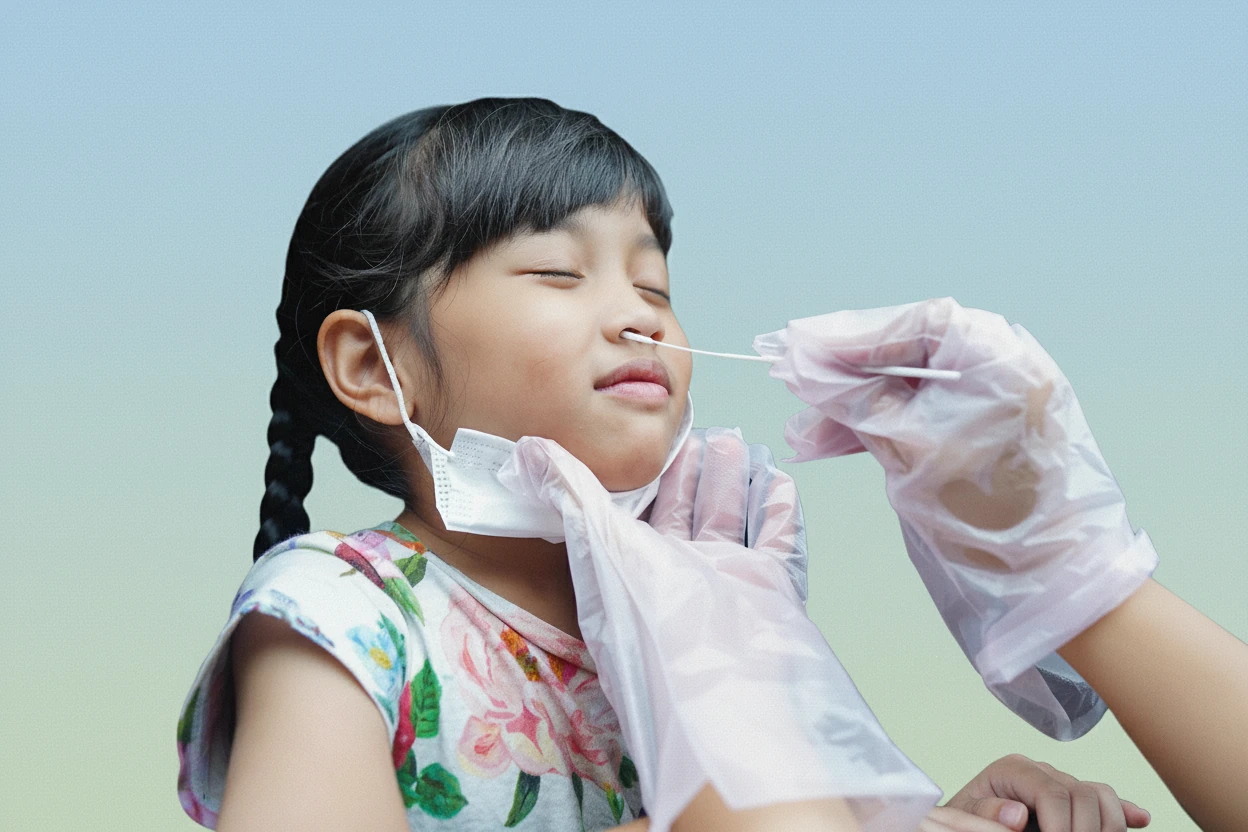
“A care provider may diagnose mumps based on typical symptoms and known exposure. Tests include mouth swabs for the virus and mcv blood test results meaning and normal range tests for antibodies.”13
Mumps Treatment Options
There is no specific antiviral treatment for mumps; management is primarily supportive and focuses on relieving symptoms and preventing complications452.
Treatment recommendations include:
- Adequate rest to support the immune system during recovery4.
- Pain relief using acetaminophen or ibuprofen; aspirin is avoided in children due to the risk of Reye’s syndrome45.
- Soft, bland diets to reduce pain during chewing when salivary glands are swollen53.
- Application of warm or cold compresses to the swollen glands to alleviate discomfort52.
- For orchitis (testicular inflammation), scrotal elevation and cold packs help reduce swelling and pain4.
Most patients recover fully within 7 to 14 days without complications51. Monitoring for serious complications such as meningitis or encephalitis is important, especially in high-risk individuals4.
Mumps is typically a benign illness that is self-resolving. Treatment primarily involves providing supportive care for the symptoms presented. Analgesic medications and cold or warm compresses for parotid swelling are beneficial.2
Mumps Prevention Strategies
Vaccination with the measles-mumps-rubella (MMR) vaccine is the primary and most effective preventive measure against mumps4215. The vaccine is usually administered in two doses: the first between 12 and 15 months of age and the second between 4 and 6 years39.
Additional prevention strategies include:
- Maintaining high vaccination coverage to achieve herd immunity, which protects vulnerable populations416.
- Isolation of infected individuals for 5 to 9 days after parotitis onset to reduce transmission risk171815.
- Practicing good respiratory hygiene, including frequent handwashing and covering the mouth and nose when coughing or sneezing4.
- Avoiding sharing personal items such as cups, utensils, and water bottles during outbreaks511.
Despite vaccination, occasional breakthrough infections may occur, but these cases tend to be milder with fewer complications163.
“The incidence of mumps in the United States dropped by more than 99% after the introduction of the mumps vaccine in 1967.”1
Potential Mumps Complications
Before widespread vaccination, up to half of mumps cases experienced complications5. Although rare today, complications still occur, especially in unvaccinated individuals or those with weakened immune systems45.
Common complications include:
- Orchitis (inflammation of the testicles), affecting about 15-30% of post-pubertal males with mumps, causing significant pain and sometimes testicular atrophy45.
- Oophoritis (inflammation of the ovaries) and mastitis (inflammation of the mammary glands) in females4.
- Aseptic meningitis, occurring in 5-10% of cases, usually with mild symptoms4.
- Encephalitis, a rare but serious brain inflammation, occurring in approximately 0.1% of cases5.
- Pancreatitis, causing abdominal pain and digestive symptoms4.
- Sensorineural hearing loss, a rare but permanent complication45.
Neurological symptoms require immediate medical evaluation5. Complications are more frequent and severe among unvaccinated individuals5.
| Complication | Approximate Frequency | Notes |
|---|---|---|
| Orchitis | 15-30% (post-pubertal males)4 | May cause testicular atrophy but rarely infertility5 |
| Aseptic meningitis | 5-10%4 | Usually mild symptoms |
| Encephalitis | 0.1%5 | Serious, requires urgent care |
| Pancreatitis | Rare4 | Causes abdominal symptoms |
| Hearing loss | Rare45 | Permanent, more common in unvaccinated |
| Sources:45 | ||
Key Points Summary
- Mumps is a contagious viral infection caused by a paramyxovirus, primarily affecting the salivary glands and causing parotitis452.
- Early symptoms include fever, headache, muscle aches, fatigue, and loss of appetite, followed by painful swelling of the parotid glands456.
- The virus spreads through respiratory droplets, saliva, and contaminated objects, with an incubation period of about 16-18 days845.
- Diagnosis is clinical but can be confirmed by RT-PCR of buccal swabs or serologic testing for mumps antibodies1413.
- There is no specific antiviral treatment; management is supportive with rest, pain relief, and symptom care452.
- Vaccination with the MMR vaccine is the most effective prevention, significantly reducing incidence and complications41615.
- Complications, though rare today, include orchitis, meningitis, encephalitis, pancreatitis, and hearing loss, mostly affecting unvaccinated individuals45.