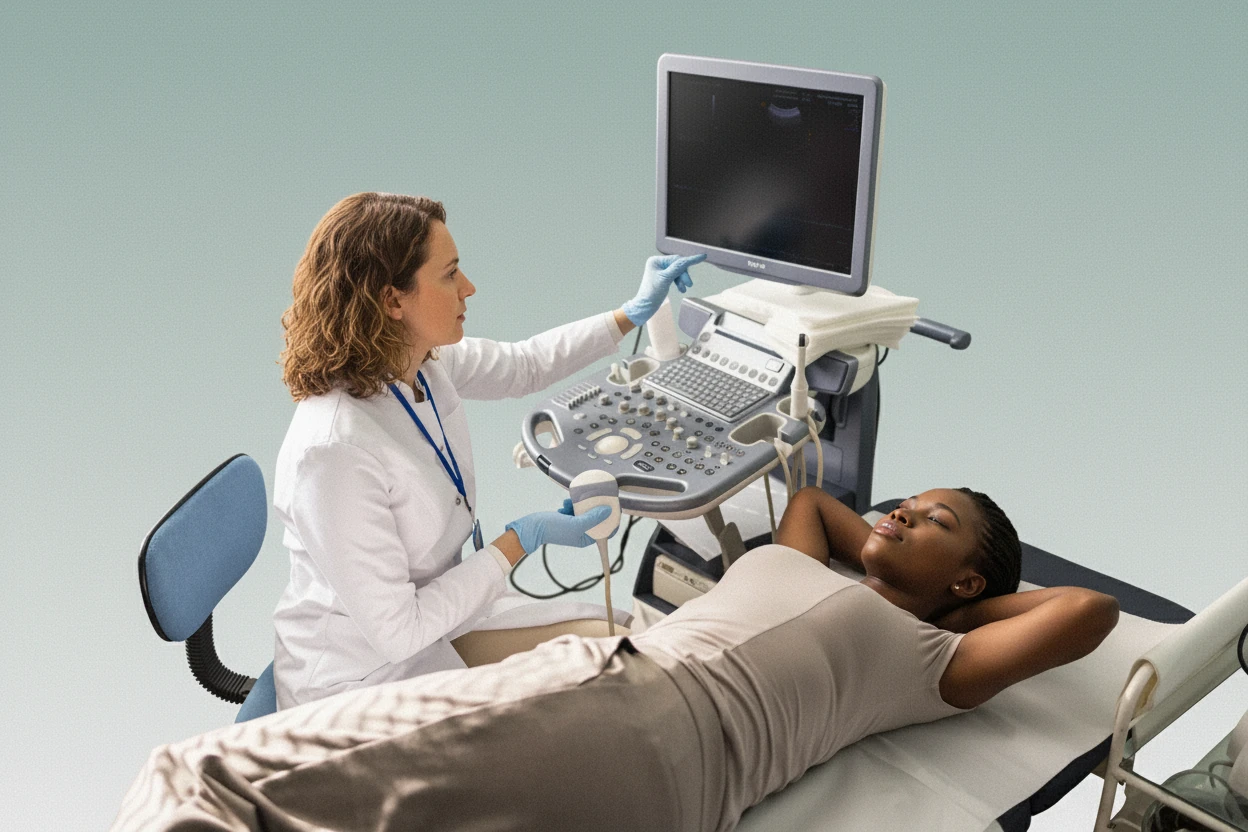
Metastatic breast cancer (MBC), also known as stage IV breast cancer, represents the most advanced stage of the disease where cancer has spread beyond the breast and nearby lymph nodes to other parts of the body12. Approximately 6% of new breast cancer cases are diagnosed at this stage, often referred to as de novo metastatic breast cancer, while the majority of MBC cases result from metastatic recurrence after initial treatment of early-stage disease23. Diagnosing MBC requires a comprehensive approach involving clinical evaluation, blood tests, imaging scans, biopsy, and genetic testing to confirm metastasis and guide treatment45.
Diagnosing Metastatic Breast Cancer
The diagnosis of metastatic breast cancer integrates clinical symptoms, imaging, pathology, and molecular testing to establish the presence and extent of metastases54. Patients may present with symptoms such as bone pain, persistent cough, fatigue, headaches, or neurological changes depending on the metastatic sites involved, which commonly include bone, liver, lungs, and brain67. However, symptoms can be subtle or nonspecific, making early detection challenging8.
Metastatic breast cancer can be categorized as:
- De novo metastatic breast cancer: Metastasis present at the initial diagnosis of breast cancer, accounting for about 6% of new cases23.
- Metastatic recurrence: Cancer that returns and spreads after initial treatment of early-stage breast cancer36.
Diagnosis begins with a thorough clinical evaluation by an oncologist, who orders appropriate diagnostic tests based on symptoms or abnormal findings from routine follow-up49. Regular whole-body scans are not typically performed unless symptoms suggest metastasis7. Early detection of metastases is important for timely management, although studies indicate that earlier detection does not necessarily improve survival outcomes10.
“Patients often fear that treatments won’t do any good. In fact, there are things we can do to improve both the quality and quantity of life.”
— Jenna Canzoniero, Oncologist7
Blood Tests for Diagnosis
Blood tests play a supportive role in diagnosing metastatic breast cancer by assessing organ function and detecting markers that may suggest metastatic spread4. While no blood test alone can confirm metastatic disease, they provide valuable clues and help monitor the patient's overall health.
Common blood tests used include:
- Complete Blood Count (CBC): Evaluates red and white blood cells and platelets to detect anemia or immune compromise, which may indicate bone marrow involvement by cancer or treatment effects4.
- Serum Chemistry Tests: Assess organ function and electrolyte balance. Elevated calcium levels (hypercalcemia) often suggest bone metastases, while abnormal liver enzymes may indicate liver involvement4.
- Tumor Markers: Proteins such as CA 15-3 and carcinoembryonic antigen (CEA) may be elevated in metastatic breast cancer but are not diagnostic on their own4.
- Circulating Tumor Cells (CTCs): Detection of cancer cells circulating in the blood reflects metastatic potential and disease progression. Although promising, CTC testing remains experimental1112.
These tests help identify complications of metastases, such as bone marrow suppression or liver dysfunction, and guide further diagnostic imaging or biopsy4.
💡 Did You Know?
Tests for metastatic breast cancer include blood tests with tumor markers, whole-body bone scans, MRI of the spine or brain, and CT scans of the chest, abdomen, pelvis, or brain13.
Imaging Scans for Detection
Imaging is essential to visualize metastatic lesions, determine their location, and assess the extent of disease spread4. Common metastatic sites include bone, liver, lungs, and brain, and imaging modalities are selected based on suspected involvement.
Standard imaging techniques include:
- Bone Scan (Bone Scintigraphy): Uses radiotracers that accumulate in areas of increased bone turnover, highlighting metastatic bone lesions as "hot spots." It is highly sensitive for detecting bone metastases, the most common site of spread4612.
- Chest X-Ray: Detects pulmonary metastases and is often used as an initial screening tool for lung involvement412.
- Computed Tomography (CT) Scan: Provides detailed anatomical views of the chest, abdomen, and pelvis, useful for detecting metastases in lungs, liver, and lymph nodes. Contrast dye is often used to enhance visualization47.
- Magnetic Resonance Imaging (MRI): Particularly valuable for evaluating brain and spinal metastases. Contrast-enhanced MRI offers high-resolution images to assess tumor extent and response to therapy47.
- Positron Emission Tomography (PET) and PET/CT: Detects areas of increased glucose metabolism typical of cancer cells, sometimes identifying metastases missed by other imaging1415.
These imaging tests are typically ordered based on clinical suspicion rather than routine screening, except in cases of de novo metastatic breast cancer or symptomatic patients47.
Imaging tests for metastatic breast cancer include bone scans, chest X-rays, CT scans, MRI, and PET scans. These tools help locate metastatic lesions and guide treatment decisions1213.
Biopsy Procedures
A tissue biopsy is the definitive method to confirm metastatic breast cancer and to characterize tumor biology, including receptor status and tumor grade1617. Biopsy confirmation is critical because metastatic tumors may differ biologically from the primary tumor, affecting treatment choices175.
Biopsy methods vary depending on the metastatic site and patient condition:
- Image-Guided Needle Biopsy: Minimally invasive and commonly used for accessible metastatic sites such as superficial lymph nodes or liver lesions. Imaging guidance improves accuracy and safety16.
- Laparoscopic or Thoracoscopic Biopsy: Minimally invasive surgical techniques used to sample abdominal or thoracic metastases not reachable by needle biopsy16.
- Open Surgical Biopsy: Reserved for difficult-to-access or larger lesions requiring more extensive tissue sampling. The surgical approach is tailored to tumor location and patient health16.
Pathological examination of biopsy samples determines the presence of cancer cells, tumor type, grade, and hormone receptor and HER2 status, which guide systemic therapy decisions1618.
| Biopsy Method | Typical Use | Advantages | Limitations |
|---|---|---|---|
| Image-Guided Needle Biopsy | Accessible metastatic sites (e.g., liver, lymph nodes) | Minimally invasive, accurate | Limited tissue sample size |
| Laparoscopic/Thoracoscopic | Abdominal or thoracic metastases | Minimally invasive, good access | Requires anesthesia |
| Open Surgical Biopsy | Difficult-to-access or large lesions | Larger tissue sample | More invasive, longer recovery |
| Sources:1618 | |||
Genetic Testing Options
Genetic testing is recommended for patients with metastatic breast cancer, especially those with a family history or high risk, to identify germline mutations that influence prognosis and treatment1920. Testing typically detects mutations in genes such as BRCA1 and BRCA2, which can guide targeted therapies.
“The field is exploding, with a number of promising advancements and effective new drugs developing over the past five years. It’s amazing what we can treat now.”
— Jenna Canzoniero, Oncologist7
Key points about genetic testing:
- Samples are collected via blood or saliva for laboratory analysis19.
- Positive results for BRCA mutations may qualify patients for PARP inhibitor therapies, which have shown progression-free survival benefits in HER2-negative metastatic breast cancer21.
- Genetic findings also inform risk assessment and screening strategies for family members19.
- Genetic counseling is advised to help patients understand the implications of test results19.
Genomic profiling of metastatic tumors is an evolving area that may reveal additional mutations associated with treatment resistance or new therapeutic targets228.
Diagnosis Summary
The diagnosis of metastatic breast cancer is a multidisciplinary process combining clinical evaluation, blood tests, imaging, biopsy, and genetic testing to confirm metastasis and guide personalized treatment54. Early recognition of symptoms and prompt diagnostic work-up are crucial for managing disease progression and maintaining quality of life.
Key components of the diagnostic process include:
- Clinical assessment of symptoms suggestive of metastasis7.
- Blood tests to evaluate organ function and detect tumor markers4.
- Imaging scans such as bone scans, CT, MRI, and PET/CT to locate metastatic lesions414.
- Biopsy confirmation of metastatic sites to determine tumor biology and receptor status1716.
- Genetic testing to identify germline mutations influencing therapy2120.
Managing metastatic breast cancer involves shifting the clinical focus from cure to control, aiming to slow disease progression, alleviate symptoms, and maximize quality of life8. Patients are encouraged to stay informed, communicate openly with their healthcare team, and participate actively in their care23.