meningitis-symptoms-causes-and-treatmentMeningitis is a serious inflammation of the membranes surrounding the brain fog causes symptoms and treatment and spinal cord, known as the meninges. It affects people of all ages and can progress rapidly, often leading to severe complications or death if not treated promptly1. Early symptoms frequently resemble common viral illnesses, which can delay diagnosis and treatment2. Recognizing the key signs and symptoms is crucial for timely medical intervention and improved outcomes3.
Common Meningitis Symptoms
Meningitis typically presents with a constellation of symptoms that develop quickly over hours to days4. The most common signs include fever, headache, neck stiffness, and altered mental status, with up to 95% of patients exhibiting at least two of these symptoms5. Early symptoms often mimic influenza or other viral infections, complicating early recognition3. Additional symptoms such as back or abdominal pain, loss of appetite, and increased thirst may also occur but are less specific to meningitis67.
Because meningitis symptoms overlap with other infections, clinical vigilance is essential to avoid diagnostic delays3. The rapid progression of symptoms underscores the need for urgent evaluation when meningitis is suspected4.
- Fever and headache are often sudden and severe1.
- Neck stiffness is a hallmark symptom indicating meningeal irritation5.
- Altered mental status ranges from confusion to drowsiness4.
- Back or abdominal pain may be reported but are nonspecific6.
- Loss of appetite and dehydration are common systemic signs8.
Neurological and Cognitive Signs
Neurological symptoms in meningitis result from inflammation of the meninges, which impairs brain function5. Early neurological signs often include visual disturbances such as diplopia (double vision) and photophobia (sensitivity to light)3. Altered consciousness, ranging from drowsiness to coma, indicates disease progression and severity4. Seizures may develop as a serious complication, particularly in bacterial meningitis5.
These neurological manifestations reflect the severity of central nervous system (CNS) involvement and require immediate medical attention to prevent permanent damage4.
- Meningeal inflammation disrupts normal neurological and sensory functions3.
- Visual disturbances such as blurred vision and diplopia are common early signs6.
- Photophobia is a classic symptom associated with meningeal irritation3.
- Altered consciousness, including difficulty waking, signals worsening disease4.
- Seizures and coma indicate severe CNS involvement and poor prognosis4.
“Neurological signs may be the first clear indication of meningitis in some patients, highlighting the importance of early recognition.”
— Klein et al., 20234
Meningitis Rash and Skin Signs
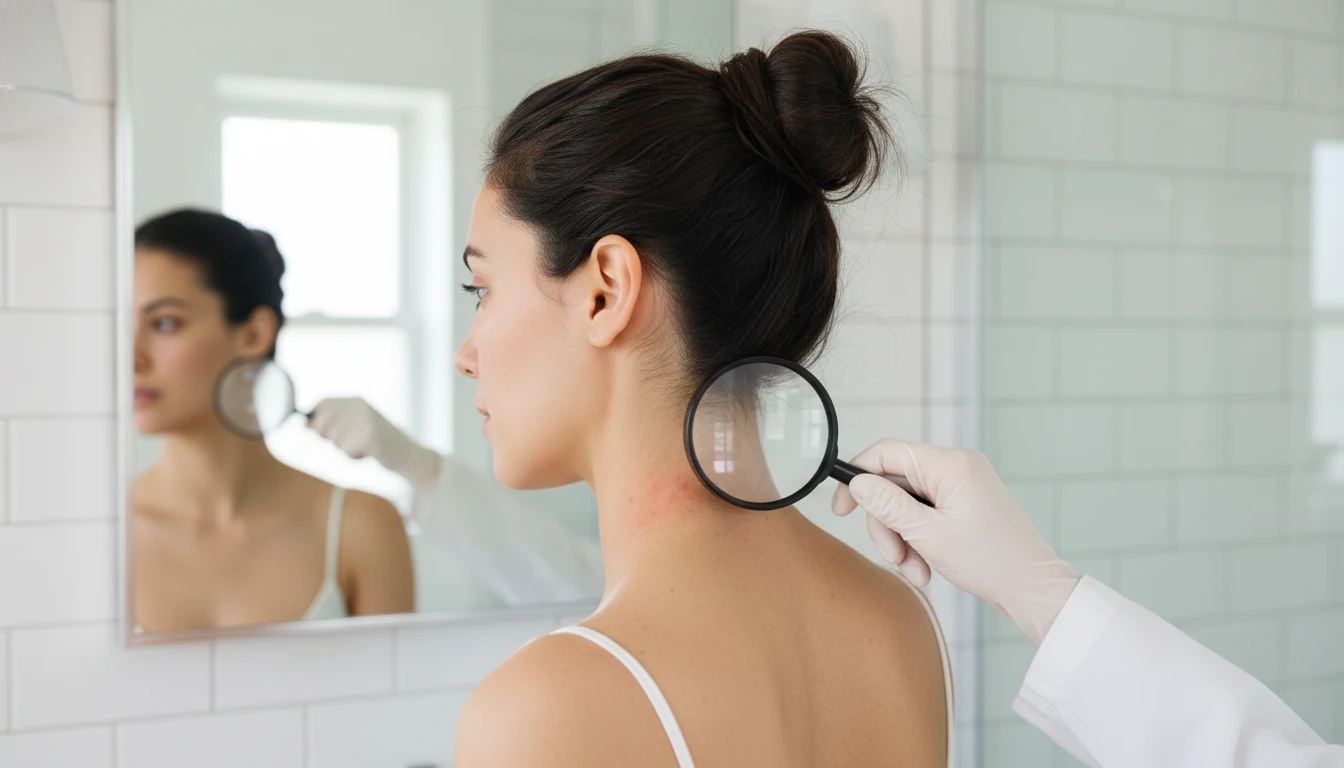
A distinctive rash is often associated with bacterial meningitis, especially meningococcal infections. This rash results from bacterial invasion causing capillary damage and hemorrhage9. It typically begins as small red or purple pinpricks called petechiae and may progress to larger purpuric or ecchymotic lesions10. A key diagnostic feature is that the rash is non-blanching, meaning it does not fade when pressed, which helps differentiate it from other skin conditions510.
The rash frequently appears on the face, trunk, and back but can become generalized9. Its presence is a critical clinical clue to meningococcal disease and sepsis, warranting immediate medical evaluation10.
- The meningitis rash usually starts as petechiae and progresses to purpura10.
- It is characteristically non-blanching under pressure10.
- Rash distribution includes the face, trunk, back, and extremities10.
- Rash presence is more common in bacterial meningitis than viral forms10.
- Non-blanching rash may indicate meningococcal sepsis, a medical emergency11.
The appearance of a non-blanching rash in a patient with fever and neurological symptoms should prompt urgent medical assessment for meningococcal disease11.
Meningitis Symptoms in Children
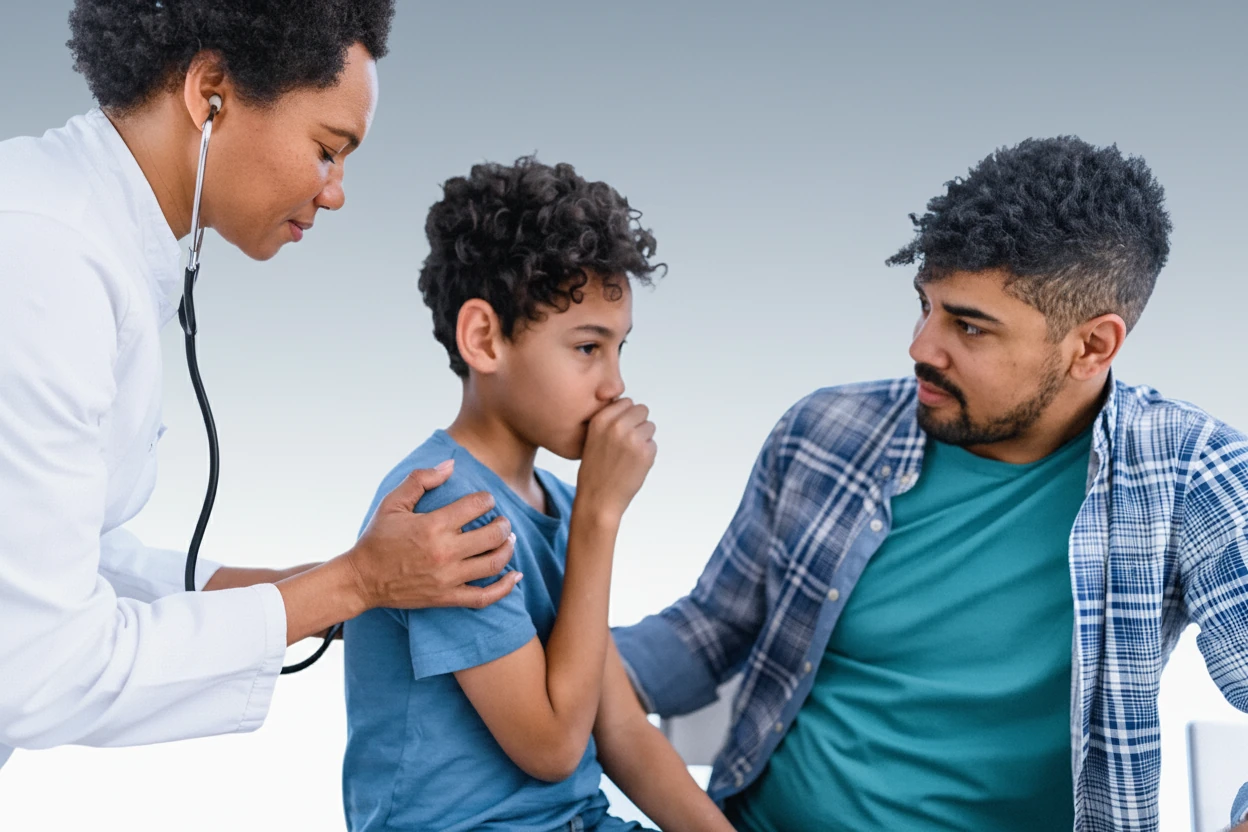
In infants and young children, meningitis symptoms often differ from adults and may be nonspecific, making diagnosis challenging12. Common early signs include irritability, excessive crying, lethargy, and poor feeding1213. Neurological signs such as photophobia and visual disturbances are less common in this group7. A bulging anterior fontanelle (soft spot on the head) is an important clinical sign indicating increased intracranial pressure12.
Because symptoms overlap with other common pediatric infections, high clinical suspicion is necessary to avoid delayed diagnosis13.
- Irritability and excessive crying are frequent early signs in infants12.
- Lethargy or decreased activity is common in pediatric meningitis13.
- Poor feeding and vomiting may be present12.
- Bulging fontanelle suggests raised intracranial pressure12.
- Neurological signs like photophobia are less frequent but important when present7.
When to Seek Medical Care
Immediate medical attention is critical when meningitis is suspected due to its rapid progression and potential severity14. Persistent fever and systemic symptoms that do not improve with home care warrant urgent evaluation3. Neurological symptoms such as neck stiffness, altered mental status, and visual disturbances require prompt medical assessment4.
In children, signs such as lethargy, irritability, poor feeding, or motor difficulties should trigger immediate healthcare consultation13. Early diagnosis and treatment significantly reduce morbidity and mortality14.
- Seek care for persistent high fever and systemic symptoms3.
- Neurological signs including neck stiffness and photophobia require urgent evaluation4.
- Children with lethargy, irritability, or feeding difficulties need immediate assessment13.
- Delayed treatment increases risk of brain damage and death4.
- Close contacts of meningitis patients may need preventive antibiotics1.
“Early recognition and treatment of meningitis are essential to prevent severe complications and improve outcomes.”
— McMahon & Conrick-Martin, 20235
Meningitis Symptoms Summary
Meningitis is a medical emergency characterized by inflammation of the meninges, often caused by bacterial or viral infections5. The disease typically presents with fever, headache, neck stiffness, and altered mental status, progressing rapidly over hours to days4. Neurological symptoms such as photophobia, visual disturbances, seizures, and coma indicate severe CNS involvement34. A non-blanching rash is a hallmark of meningococcal meningitis and sepsis10.
Meningitis symptoms can escalate quickly, and early recognition by caregivers and healthcare providers is crucial to prevent severe outcomes14.
In infants and young children, symptoms may be nonspecific, including irritability, lethargy, poor feeding, and bulging fontanelle, requiring high clinical suspicion1213. Prompt medical evaluation and treatment are vital to reduce the risk of death and long-term neurological damage14.
| Symptom Category | Common Signs and Symptoms | Notes |
|---|---|---|
| Systemic | Fever, headache, loss of appetite, back/abdominal pain | Rapid progression over hours to days46 |
| Neurological | Neck stiffness, altered mental status, photophobia, seizures | Indicates meningeal inflammation and CNS involvement54 |
| Skin | Non-blanching petechial or purpuric rash | Typical of meningococcal meningitis10 |
| Pediatric-specific | Irritability, lethargy, poor feeding, bulging fontanelle | Symptoms often nonspecific in infants1213 |
- Early symptoms often resemble influenza or viral infections, complicating diagnosis3.
- Rapid symptom progression necessitates urgent medical care4.
- Neurological signs may be the first clear indication of meningitis4.
- Non-blanching rash is a critical diagnostic feature in bacterial meningitis10.
- Children require careful assessment due to atypical presentations12.