Meningitis is a serious infection that causes inflammation of the membranes surrounding the brain and spinal cord. A distinctive rash appears in over half of meningococcal bloodstream infection cases, often starting as tiny red or purple spots and potentially progressing to larger bruises12. Recognizing this rash and other symptoms early is critical because bacterial meningitis can rapidly lead to life-threatening complications without prompt treatment13.
Understanding Meningitis Rash
A meningitis rash is not a typical skin rash but rather a sign of bleeding under the skin caused by bacterial infection, primarily from Neisseria meningitidis23. When these bacteria enter the bloodstream—a condition called meningococcemia—they damage mcv blood test results meaning and normal range vessels, leading to leakage of blood into the skin and organs14. This vascular injury triggers a clotting response known as disseminated intravascular coagulation (DIC), which can cause shock, multi-organ failure, and tissue death12.
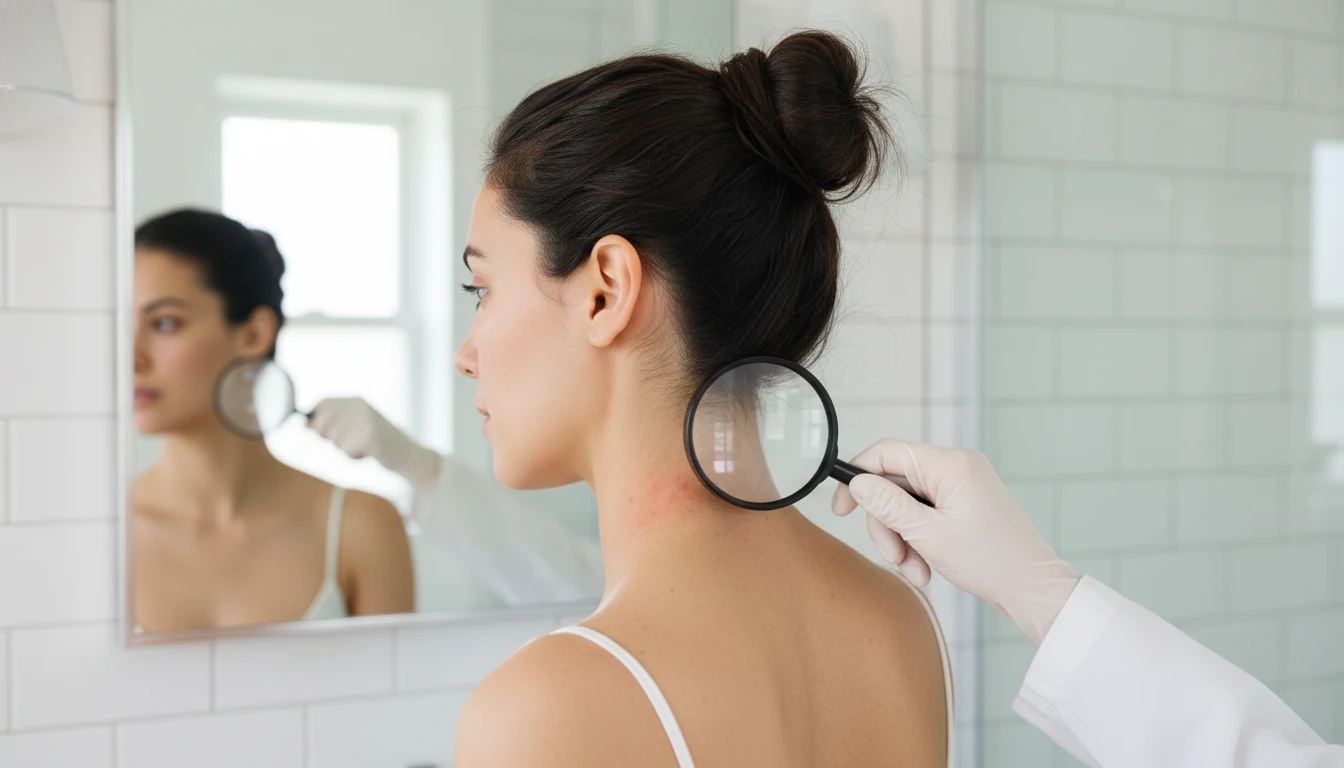
The rash can appear anywhere on the body, including the face, trunk, and extremities56. It often starts as small pinpoint spots called petechiae and can quickly evolve into larger purplish bruises known as purpura13. In severe cases, blood vessel damage and clotting can cause ischemia (lack of oxygen) and necrosis (tissue death), sometimes leading to gangrene and the need for amputations15.
Key features of meningitis rash include:
- Petechial rash: small, non-blanching red or purple spots caused by bleeding under the skin13.
- Purpuric rash: larger, bruise-like areas indicating more extensive bleeding13.
- Rapidly spreading purpura is a medical emergency signaling severe infection4.
- Rash distribution often clusters around pressure points such as waistbands and sock lines12.
- The rash may be less visible on darker skin tones, requiring careful examination of paler areas like palms, soles, and mucous membranes13.
Identifying Meningitis Rash Signs
The meningitis rash can vary widely in appearance and progression among individuals13. Early on, the rash may be faint and blanch (fade) under pressure but typically progresses to a non-blanching rash that remains visible when pressed12. This non-blanching characteristic is a hallmark of meningococcal infection and indicates bleeding beneath the skin12.
Because the rash can be subtle or hard to detect, especially on darker skin, it is important to check less pigmented areas such as the palms, soles, inside the eyelids, and roof of the mouth137. The rash often appears as:
- Pinpoint red or purple spots (petechiae), about 1 to 2 mm in diameter, sometimes clustered18.
- Larger, bruise-like blotches (purpura) that may darken and spread rapidly13.
- Areas of pale, mottled, or blotchy skin indicating poor circulation7.
The rash is usually not raised or itchy and does not feel rough or bumpy because it results from blood leaking under the skin rather than skin inflammation9.
The Glass Test for Meningitis Rash
The glass test, also known as the tumbler test, is a simple bedside method to help distinguish a meningitis rash from other skin rashes110. To perform the test, press the side of a clear glass firmly against the rash and observe whether the rash fades (blanches) or remains visible.
- A blanching rash fades under pressure and is usually less concerning210.
- A non-blanching rash does not fade when pressed, indicating bleeding under the skin and suggesting meningococcal infection1210.
However, the glass test is not foolproof. Early in the illness, the rash may blanch temporarily, potentially giving false reassurance1911. Waiting for a non-blanching rash to appear before seeking medical care can be dangerous because the disease may progress rapidly9. Therefore, the glass test should be used as an aid but not as a definitive diagnostic tool.
Because the rash can be difficult to see on darker skin, it is advisable to perform the glass test on paler areas such as the palms, soles, abdomen, or inside the mouth137.
The glass test can alert you to a potential emergency, but it cannot diagnose or rule out meningitis on its own. Early medical evaluation is critical if meningitis is suspected, regardless of rash appearance9.
Other Bacterial Meningitis Symptoms
While a rash is a key sign of meningococcal disease, not all bacterial meningitis cases present with a rash13. Other common symptoms include:
- Sudden high fever712.
- Severe headache17.
- Stiff neck and neck pain17.
- Nausea or vomiting17.
- Sensitivity to light (photophobia)1312.
- Confusion or difficulty concentrating17.
- Seizures or convulsions in severe cases712.
- Cold hands and feet, pale or blotchy skin7.
Symptoms in Babies and Small Children
Infants and young children may show less specific signs, making diagnosis challenging113. Symptoms to watch for include:
- Excessive irritability or inconsolable crying113.
- Poor feeding or refusal to eat113.
- Abnormal arching of the back, neck, and spine (opisthotonos)13.
- Bulging of the soft spot on the head (fontanelle), indicating increased intracranial pressure113.
- Floppy or stiff body movements13.
- Difficulty waking or extreme drowsiness13.
- Vomiting and rapid breathing13.
Because infants may not develop a rash or classic symptoms early, any signs of severe illness warrant immediate medical attention113.
“Meningitis is treatable when caught early. With timely medical care, most children make a full recovery.”
— Sabrina Ma, MD9
Conditions Similar to Meningitis
Several other diseases can cause fever, rash, and headache, mimicking meningitis symptoms and complicating diagnosis141. These include:
- Rocky Mountain spotted fever (RMSF)14.
- Scarlet fever14.
- Infectious mononucleosis (mono)14.
- Viral infections such as enterovirus and parvovirus B1913.
- Drug reactions and blood disorders like idiopathic thrombocytopenic purpura (ITP)13.
- Vasculitis and other inflammatory conditions13.
Because many conditions can cause a petechial or purpuric rash, it is important to consider other symptoms and seek urgent medical evaluation when meningitis is suspected113.
When to Seek Emergency Care
Meningitis can progress rapidly to severe complications including shock, coma, and death without prompt treatment12. Immediate medical attention is essential if meningitis is suspected, especially if a rash develops or other symptoms worsen17.
Seek emergency care if you or someone you care for has:
- A sudden high fever with a non-blanching rash17.
- Severe headache and stiff neck17.
- Confusion, difficulty waking, or seizures7.
- Cold, pale, or blotchy skin and rapid breathing7.
- Bulging soft spot in infants or persistent vomiting113.
Trust your instincts and do not wait for all symptoms or rash to appear before seeking help17.
Several diseases mimic meningitis symptoms, making early diagnosis challenging. If you suspect meningitis, seek urgent medical evaluation without delay141.
Meningitis Prevention Strategies
Vaccination is the most effective way to prevent bacterial meningitis caused by Neisseria meningitidis1215. The meningococcal vaccine is recommended for children and adolescents, with booster doses to maintain immunity115. However, vaccines do not guarantee complete protection, so other preventive measures remain important12.
Additional prevention strategies include:
- Practicing good hand hygiene by washing hands regularly with soap and water1215.
- Avoiding close contact with people who are sick1215.
- Covering the mouth and nose when coughing or sneezing1215.
- Avoiding cigarette smoke exposure, which can increase risk15.
- Ensuring adequate rest to support immune function1.
These measures help reduce the spread of respiratory pathogens that cause meningitis and other infections12.
Key Takeaways
- A meningitis rash is caused by bleeding under the skin due to blood vessel damage from Neisseria meningitidis infection12.
- The rash often starts as small red or purple spots (petechiae) and can progress to larger bruises (purpura) that do not fade under pressure13.
- The glass test can help identify a non-blanching rash but is not a definitive diagnostic tool; early medical evaluation is critical1109.
- Other symptoms of bacterial meningitis include fever, headache, stiff neck, vomiting, and altered consciousness; infants may show less specific signs1137.
- Vaccination and good hygiene practices are key preventive measures to reduce the risk of meningococcal disease1215.