Measles is a highly contagious viral disease that remains a major global health concern, causing an estimated 107,500 deaths worldwide in 2023, mostly among unvaccinated children under five years old1. The disease spreads easily through respiratory droplets and can lead to severe complications including pneumonia-symptoms-and-treatmentpneumonia-symptoms-and-treatmentpneumonia, encephalitis, and death2. Vaccination is the most effective way to prevent measles and its serious outcomes3.
Measles Signs and Symptoms
Measles infection progresses through three distinct phases over approximately two weeks. The incubation period lasts 7 to 14 days after exposure, during which no symptoms are apparent4. The prodromal phase follows, characterized by high fever often exceeding 104°F (40°C), cough, runny nose (coryza), and conjunctivitis (red, watery eyes)56. A hallmark sign during this phase is the appearance of Koplik spots—small white lesions inside the mouth—typically emerging 2 to 3 days after fever onset and persisting for several days789.
The final rash phase usually begins about 3 to 5 days after initial symptoms, starting at the hairline or face and spreading downward across the body1011. The rash consists of flat red spots that may become slightly raised and typically lasts 5 to 6 days before fading1213. Symptoms tend to be more severe in infants and young children, who are at higher risk for complications1415.
💡 Did You Know?
Measles vaccination averted more than 60 million deaths worldwide between 2000 and 20232.
Measles Causes and Transmission
Measles is caused by the measles virus, a highly contagious airborne virus that spreads through respiratory droplets when an infected person coughs, sneezes, or breathes146. The virus can remain infectious in the air or on surfaces for up to two hours, allowing it to infect people who enter a contaminated environment even after the infected individual has left16. The basic reproduction number (R0) of measles ranges from 12 to 18, meaning one infected person can infect 12 to 18 others in a susceptible population17.
Risk factors
- Being unvaccinated or under-vaccinated is the primary risk factor for contracting measles16.
- Infants and young children, especially those under 5 years old, are more vulnerable to severe disease2.
- Immunocompromised individuals have a higher risk of infection and complications9.
- Pregnant women are at increased risk for adverse pregnancy outcomes if infected7.
- Travelers to regions where measles is endemic or where outbreaks occur are at elevated risk9.
Nine out of 10 unimmunized children who are in contact with an infected person will contract the virus. The virus can linger in the air for about two hours after a person with measles has left the room. It can infect those who enter the room if they are unimmunized16.
Diagnosing Measles
Diagnosis of measles is primarily clinical, based on characteristic symptoms such as fever, cough, conjunctivitis, and the distinctive rash18. Koplik spots inside the mouth are pathognomonic but may not always be present17. Laboratory confirmation is done by detecting measles-specific IgM antibodies or viral RNA through polymerase chain reaction (PCR) testing89.
Early recognition is crucial to prevent further spread, especially in areas with low incidence where healthcare providers may be less familiar with the disease4. Travel history and vaccination status are important factors guiding suspicion and testing19.
Measles Treatment Options
There is no specific antiviral treatment for measles. Management focuses on supportive care to relieve symptoms and prevent complications1417. Key treatment components include:
- Adequate rest to support recovery4.
- Maintaining hydration to prevent dehydration19.
- Good nutrition to support immune function7.
- Use of antipyretics such as ibuprofen to reduce fever and discomfort8.
- Vitamin A supplementation is recommended by the World Health Organization (WHO) for all children with measles, as it reduces the risk of severe complications and mortality510.
Isolation of infected individuals during the contagious period, which spans from four days before to four days after rash onset, is essential to control outbreaks89.
The measles vaccine is extremely safe. Some children—about 10 percent—will develop a fever about six to 12 days after vaccination, and an even smaller percentage will have a rash that can last a few hours to a day or two. In extremely rare cases, the fever can precipitate a seizure in children predisposed to fever-induced seizures. Scientific research has shown unequivocally that the measles vaccine does NOT cause autism or other permanent neurologic or developmental problems.
— Aaron Milstone, Johns Hopkins Medicine16
Measles Prevention Strategies
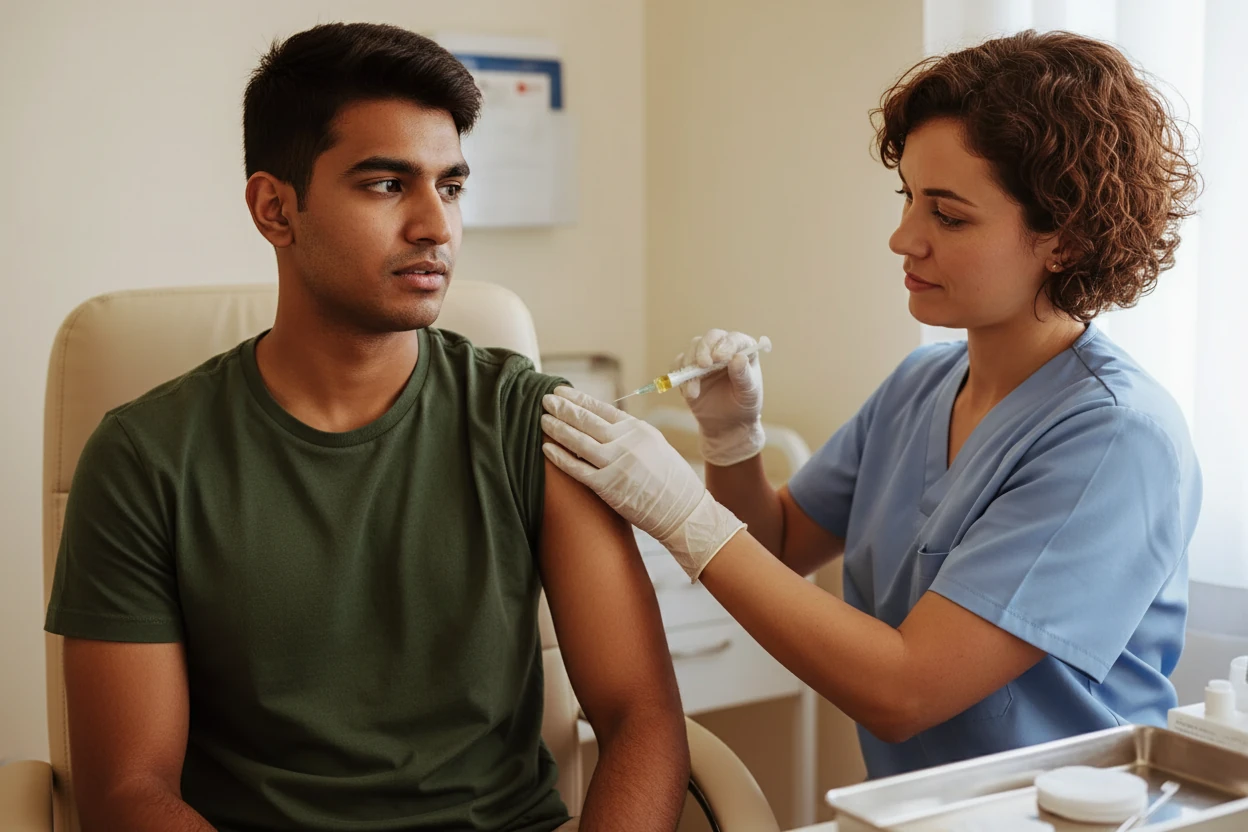
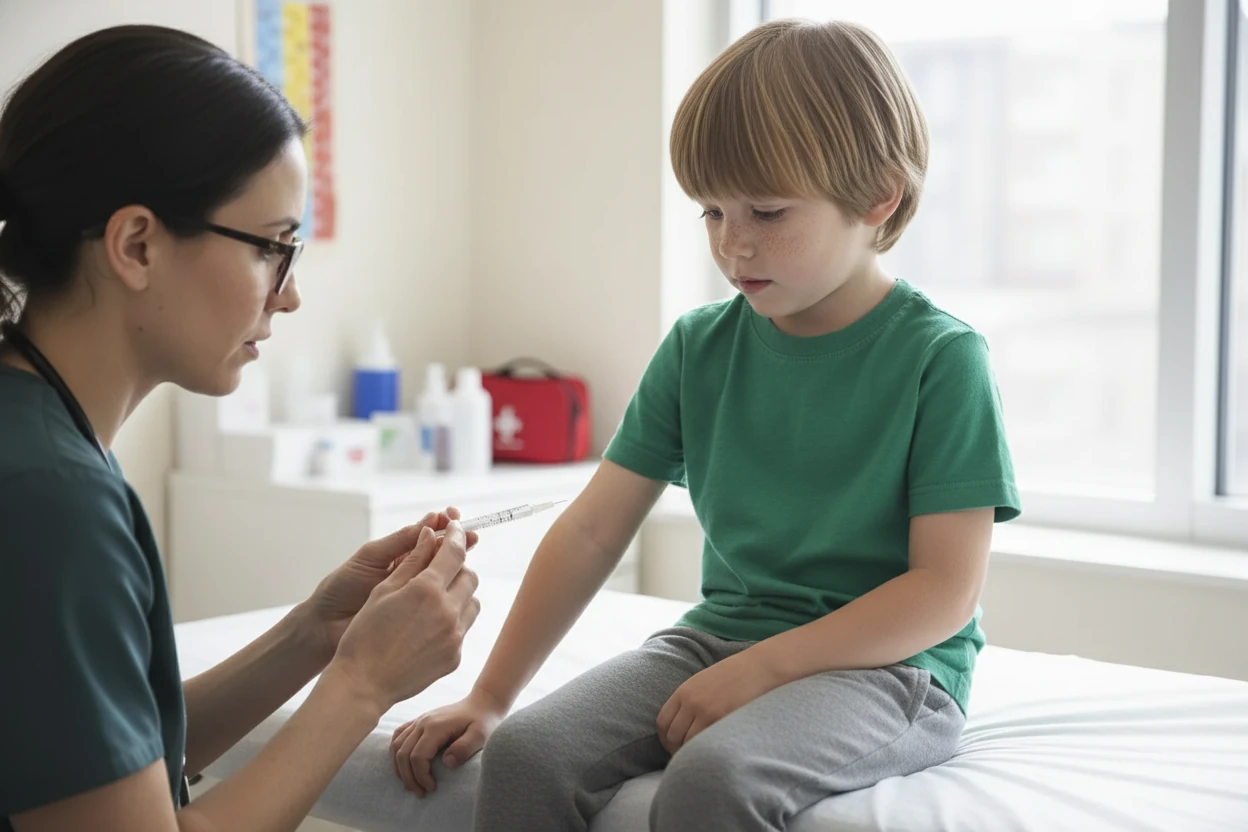
Vaccination is the most effective way to prevent measles infection and its spread4. The measles vaccine is included in the MMR (measles, mumps, rubella) and MMRV (measles, mumps, rubella, varicella) vaccines206. The Centers for Disease Control and Prevention (CDC) recommends:
- Two doses of MMR vaccine for children: the first dose at 12 to 15 months of age and the second dose at 4 to 6 years of age206.
- Adults and adolescents should ensure they are up to date with their MMR vaccinations, especially before traveling to endemic areas20.
The vaccine is about 97% effective after two doses and provides lasting immunity1920. Post-exposure prophylaxis with MMR vaccine within 72 hours of exposure or immunoglobulin within six days can help prevent or reduce disease severity in susceptible individuals20.
Community-wide vaccination coverage of at least 95% is necessary to achieve herd immunity and prevent outbreaks173.
Measles Complications and Risks
Measles can cause serious complications, particularly in young children, immunocompromised persons, and pregnant women72. Common complications include:
- Pneumonia, the leading cause of measles-related death21.
- Otitis media (ear infections)4.
- Diarrhea and dehydration4.
- Encephalitis (brain inflammation), which can cause permanent neurological damage5.
- Subacute sclerosing panencephalitis (SSPE), a rare but fatal late complication occurring years after infection, especially in children infected before age 218.
Pregnant women with measles have an increased risk of miscarriage, preterm birth, and low birth weight infants7.
Global vaccination programs have dramatically reduced measles incidence and mortality since the 1970s, but outbreaks still occur, especially in undervaccinated communities121322.
Measles Key Facts
| Fact | Details |
|---|---|
| Contagiousness | One of the most contagious viruses; R0 of 12-1817 |
| Transmission | Airborne respiratory droplets; virus remains infectious up to 2 hours in air or on surfaces16 |
| Incubation period | 7 to 14 days after exposure4 |
| Vaccine effectiveness | ~97% after two doses of MMR vaccine1920 |
| Recommended vaccination schedule | 1st dose at 12-15 months; 2nd dose at 4-6 years206 |
| Complications | Pneumonia, encephalitis, diarrhea, otitis media, SSPE1821 |
| Mortality | Estimated 107,500 deaths globally in 2023, mostly in unvaccinated children under 51 |
Measles FAQs
Q: How soon do measles symptoms appear after exposure?
Symptoms typically appear 7 to 14 days after exposure to the virus46.
Q: Can vaccinated people still get measles?
Yes, but it is rare and usually results in a milder illness. Two doses of the vaccine provide about 97% protection1916.
Q: Is there a cure for measles?
No specific antiviral treatment exists. Care focuses on supportive measures such as hydration, nutrition, and vitamin A supplementation145.
Q: How long is a person contagious with measles?
Individuals can spread the virus from 4 days before to 4 days after the rash appears8.
Q: Who is most at risk for severe measles?
Unvaccinated young children, immunocompromised individuals, and pregnant women are at highest risk for severe disease and complications27.