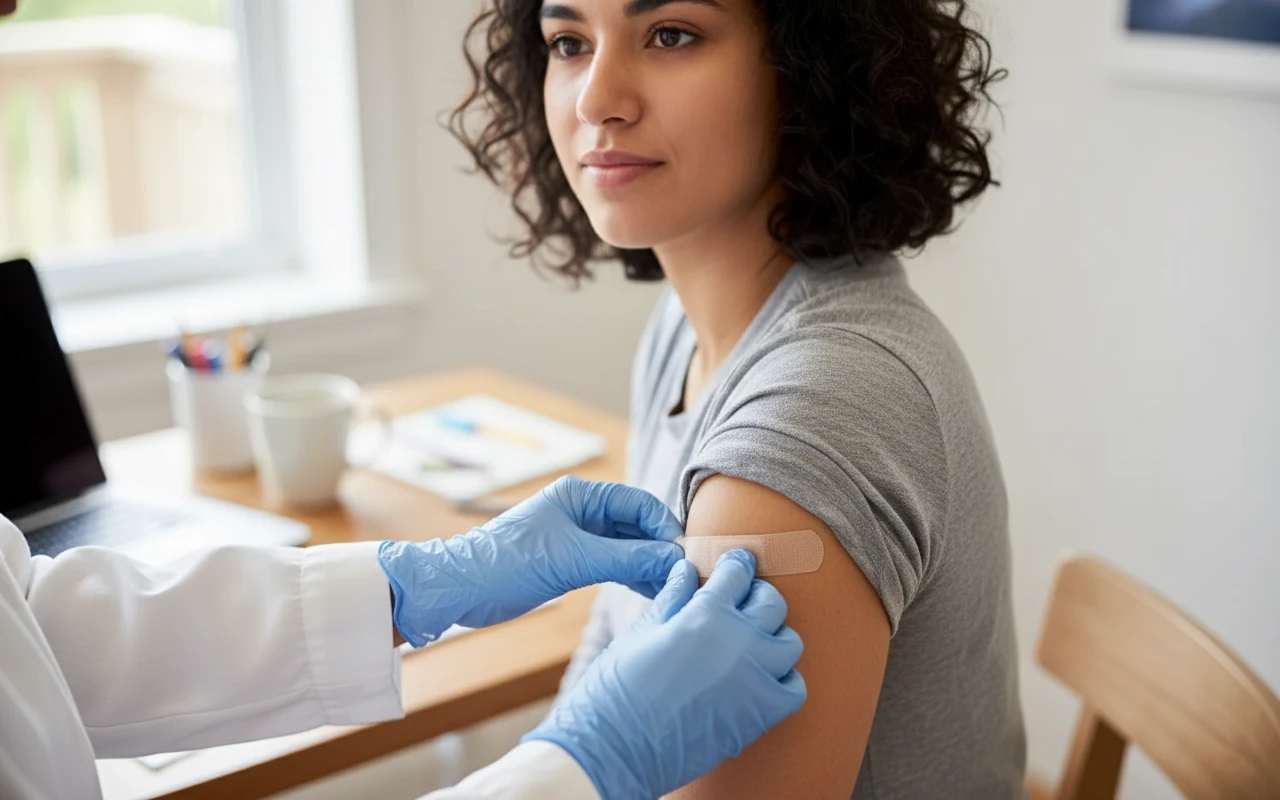
Measles is an extremely contagious viral disease that has seen a resurgence in recent years, with the United States reporting more cases in the first half of 2025 than in any single year since the disease was declared eliminated1. Most measles infections occur in unvaccinated individuals, and the disease can lead to serious complications including pneumonia, encephalitis, and death, especially in young children and immunocompromised people2. Vaccination remains the most effective way to prevent measles, with two doses of the MMR vaccine providing about 97% protection and typically lifelong immunity3.
Measles Vaccine Guidelines
Measles is a highly contagious viral disease characterized by symptoms such as fever, cough, conjunctivitis, and a widespread rash4. It spreads easily through respiratory droplets and airborne transmission, with a basic reproductive number (R0) between 12 and 18, making it one of the most contagious diseases known51. Before the introduction of the vaccine, measles caused approximately 2.6 million deaths worldwide annually6.
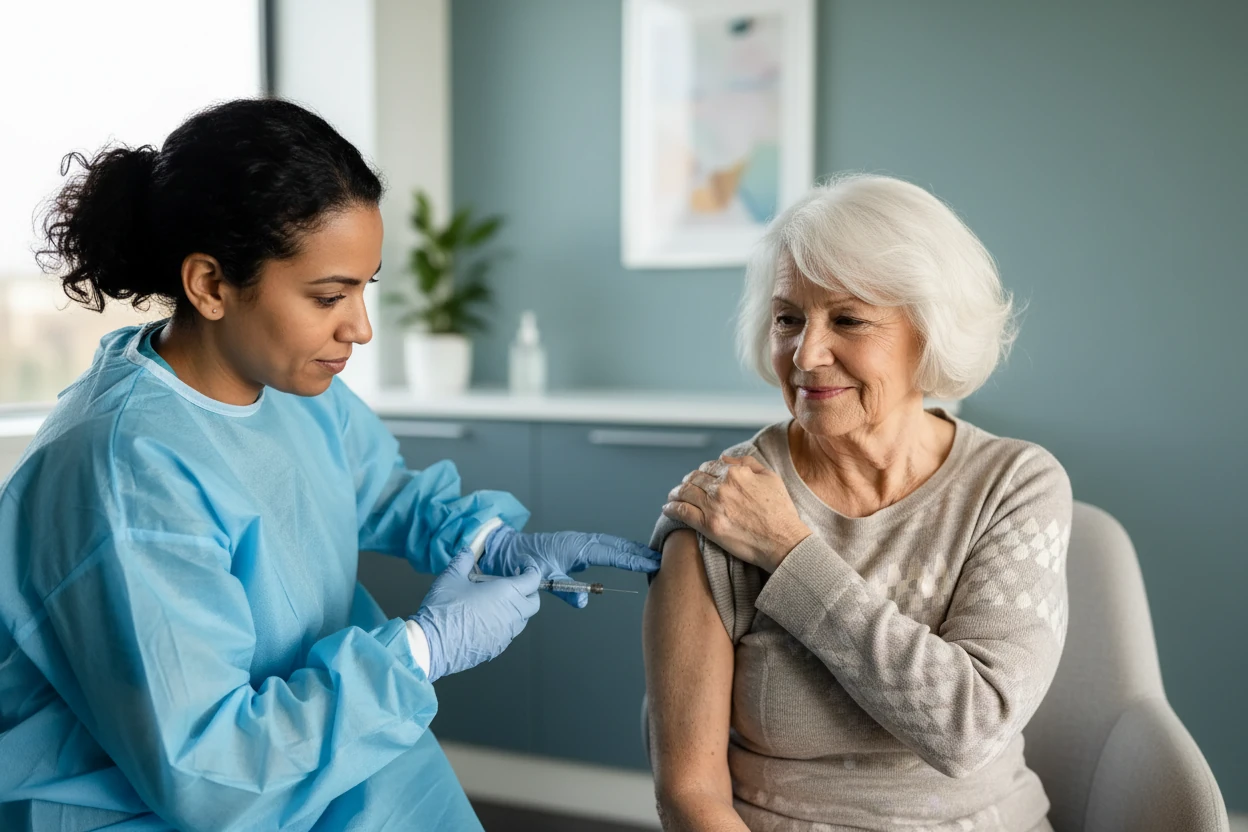
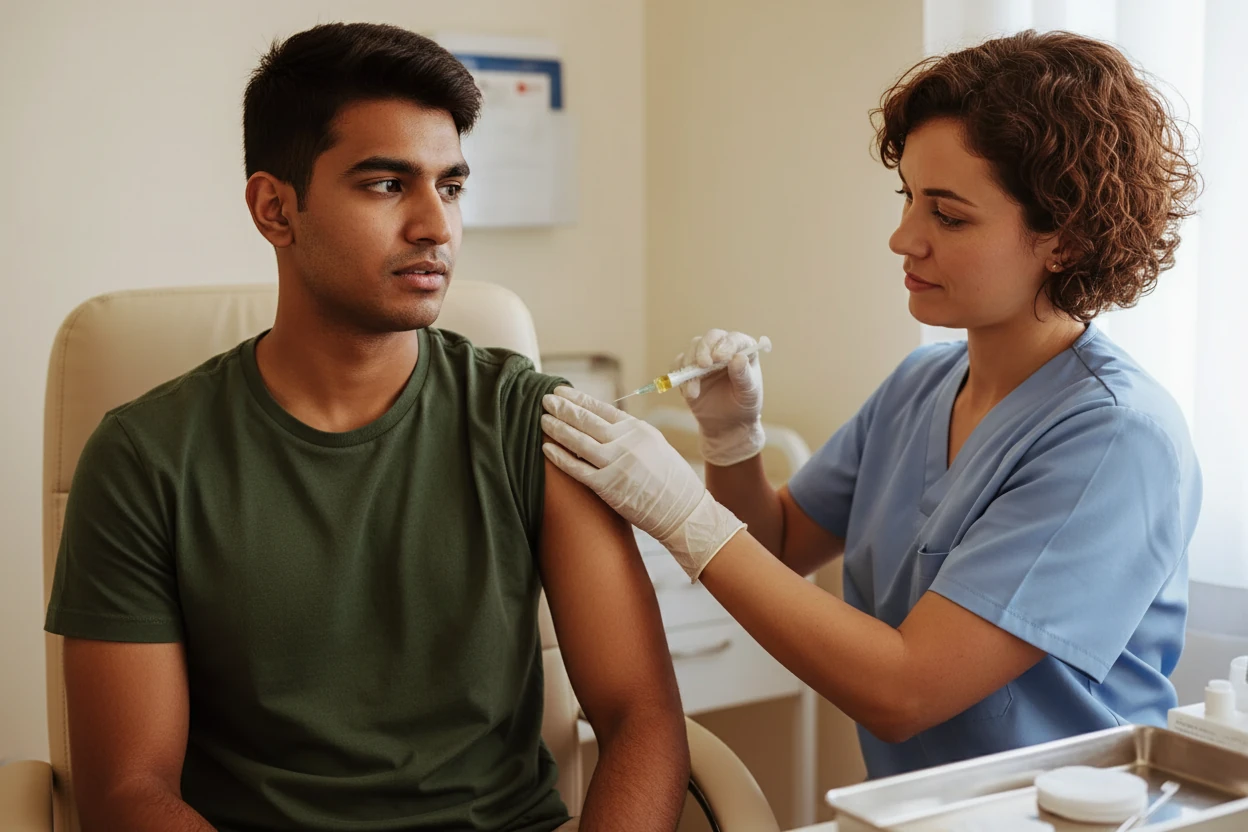
The combined measles, mumps, and rubella (MMR) vaccine is the primary tool for measles prevention4. The Advisory Committee on Immunization Practices (ACIP) recommends routine childhood vaccination with two doses of the MMR vaccine: the first dose at 12 to 15 months of age and the second dose at 4 to 6 years78. During outbreaks, the second dose may be administered at least 28 days after the first dose to provide earlier protection9.
Adults without documented evidence of immunity should receive at least one dose of the MMR vaccine, which is safe and effective1011. Persons born before 1957 are generally considered immune due to natural infection during childhood and typically do not require vaccination108. However, adults vaccinated between 1963 and 1967 may have received an inactivated measles vaccine, which was less effective, and are advised to get at least one dose of the live MMR vaccine412.
Certain groups are recommended to receive two doses of MMR vaccine regardless of age if they lack evidence of immunity. These include:
- Students at post-secondary institutions
- Healthcare personnel
- International travelers aged 6 months and older
- Women of childbearing age before pregnancy
- Close contacts of immunocompromised individuals812
💡 Did You Know?
The measles virus can linger in the air or on surfaces for up to two hours, making it highly contagious even after an infected person leaves the area1.
Testing for Measles Immunity
Measles immunity is most reliably determined by documented vaccination history or laboratory evidence of immunity9. Although measles IgG antibody titers can be measured through serologic testing, routine testing is not generally recommended for the general population due to the high effectiveness of the two-dose MMR vaccination and the reliability of vaccination records139.
“There was a single, flawed study in the United Kingdom in the late 1990s involving 11 or 12 children. The conclusion of this research—that vaccines were linked to autism—has been proven totally false.”
— Samuel Katz, MD, Duke Children's Hospital15
Serologic testing is primarily reserved for individuals at increased risk of exposure who have uncertain vaccination histories, such as healthcare workers or people in outbreak settings9. It is important to note that serologic tests may not always detect protective immunity even when it is present, which limits their utility in some cases13.
The vaccine effectiveness of the MMR vaccine is approximately 93% after one dose and 97% after two doses, with immunity generally considered lifelong49. Therefore, documentation of two doses of MMR vaccine is usually preferred over serologic testing to confirm immunity9.
People uncertain about their vaccination status should consult a healthcare provider to determine whether serologic testing or vaccination is appropriate9.
Measles Booster Shot Requirements
Routine booster doses of the MMR vaccine are not recommended for the general population because two doses typically provide long-lasting, often lifelong immunity413. However, certain individuals may require additional doses based on their vaccination history or exposure risk.
Persons vaccinated before 1968 with the inactivated measles vaccine should be revaccinated with the live MMR vaccine to ensure adequate protection49. Individuals without reliable vaccination records are advised to receive MMR vaccination rather than undergo serologic testing, as additional doses are safe even if immunity is already present910.
| Group | Booster Recommendation | Reason/Notes |
|---|---|---|
| Vaccinated before 1968 | Revaccination with live MMR vaccine | Original vaccine was inactivated and less effective49 |
| Healthcare personnel | Two doses, especially during outbreaks | High exposure risk; protection critical8 |
| Individuals with uncertain history | Receive MMR vaccination rather than serologic testing | Safe to vaccinate even if immune910 |
| General population | No routine booster recommended | Two doses provide long-lasting immunity413 |
“The problem with measles is that it is so contagious. It’s one of the most contagious diseases in existence.”
— Scott Roberts, MD, Yale Medicine1
During measles outbreaks, ensuring that individuals are up to date with their MMR vaccinations is critical to prevent infection and transmission9. Healthcare workers, regardless of birth year, are recommended to have two doses of MMR vaccine during outbreaks to maintain protection8.
Although breakthrough measles infections can occur in a small percentage of fully vaccinated individuals (approximately 3%), these cases tend to be less severe and less contagious than infections in unvaccinated people4. Maintaining high community vaccination coverage is essential to achieve herd immunity and prevent outbreaks, as no vaccine is 100% effective145.