Mass shootings have steadily increased over the past decades, profoundly affecting millions of Americans beyond the immediate victims1 . These tragic events cause a cascade of collective traumas, leading to widespread psychological distress and long-lasting mental health consequences for survivors, their families, and entire communities2 3. Understanding effective coping strategies is essential to support recovery and resilience in the aftermath of such violence4 .
Express Your Emotions
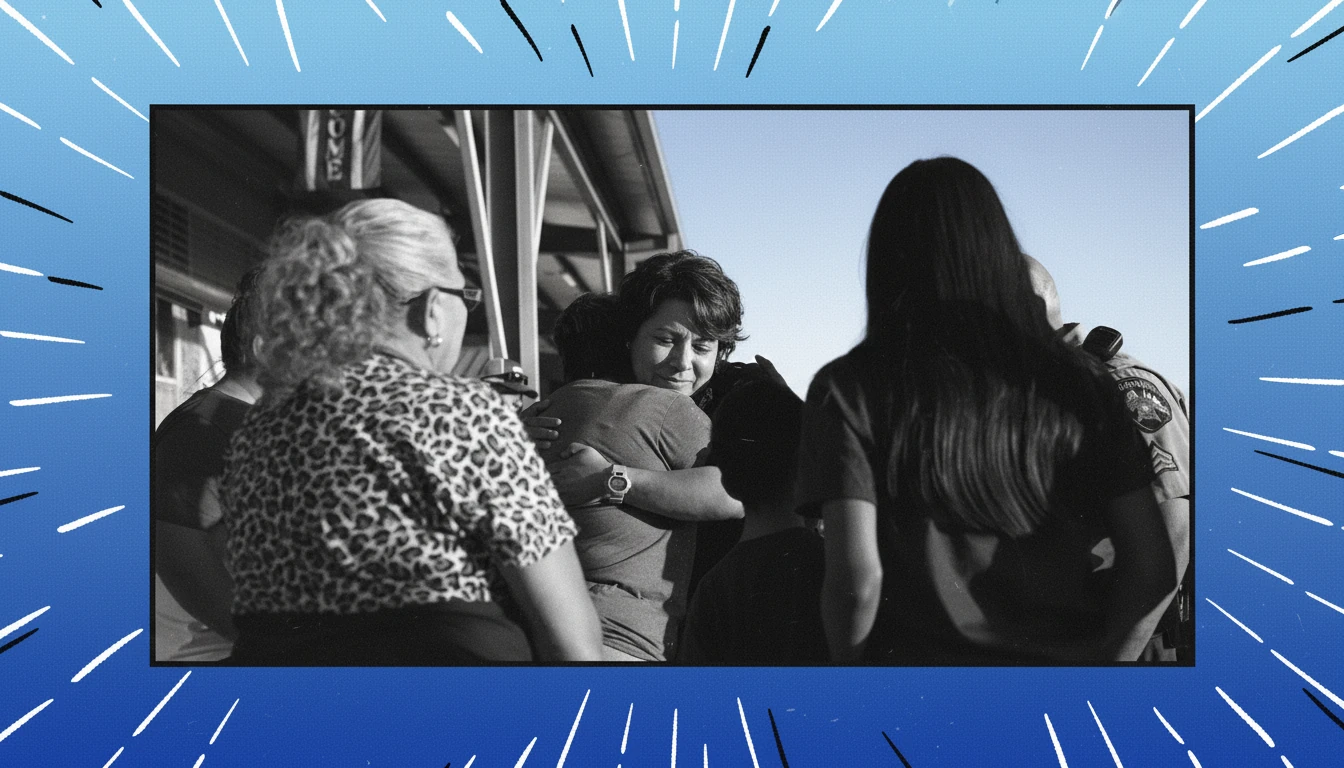
Mass shootings often trigger intense emotional responses such as fear, anger, sadness, guilt, and helplessness, which are normal reactions to traumatic events5 . Expressing these feelings by talking with others or through creative outlets helps validate your experience and fosters connection, reducing feelings of isolation6 7. Open communication supports emotional regulation and coping by allowing individuals to process trauma-related emotions like outrage and powerlessness7 8.
Social support is a critical protective factor that mitigates symptoms of anxiety and posttraumatic stress disorder (PTSD) following mass trauma6 9. Sharing your thoughts and feelings with friends, family, or trusted advisors can improve psychological outcomes and promote healing5 . Even those indirectly exposed to mass shootings may experience secondary trauma, which can be alleviated by discussing concerns with others and acknowledging the impact5 .
- Talking about traumatic events helps normalize your reactions and fosters resilience6 7.
- Expressing emotions through conversation or creative activities supports mental health7 8.
- Social support reduces anxiety and PTSD symptoms after mass shootings6 9.
- Secondary trauma from media exposure or knowing affected individuals is common and manageable through communication5 .
- Avoiding substance misuse is important, as it can worsen psychological distress5 .
“The reality is that people with mental illness account for a very small proportion of perpetrators of mass shootings in the U.S.”
— Ragy Girgis, MD, Columbia University Department of Psychiatry and New York State Psychiatric Institute10
Maintain Daily Routines
Maintaining a daily routine is a foundational element in trauma recovery because it helps individuals regain a sense of control and stability during chaotic times6 . Routine activities provide grounding that supports emotional regulation and reduces distress7 8. This is especially important for children and adolescents, who are particularly vulnerable to disruptions and may struggle with anxiety and depression following exposure to mass shootings11 12.
Engaging in self-care and stress-relief activities is associated with better mental health outcomes after mass violence exposure7 9. Healthy behaviors such as eating balanced meals, getting adequate rest, and building coping mechanisms enhance resilience and the ability to manage excessive stress13 .
- Stick to regular sleep and meal schedules to support physical and emotional health6 13.
- Engage in enjoyable and relaxing activities to reduce anxiety and depression symptoms7 9.
- Maintain work, school, or household routines to foster normalcy and stability7 8.
- Encourage children and teens to follow consistent daily patterns to promote resilience11 12.
- Practice healthy behaviors like balanced nutrition and sufficient rest to strengthen coping capacity13 .
💡 Did You Know?
Engage in healthy behaviors to enhance your ability to cope with excessive stress. Eat well-balanced meals, get plenty of rest and build healthy coping mechanisms13 .
Reduce News Consumption
Exposure to media coverage of mass shootings can increase acute stress and PTSD symptoms, even among individuals not directly affected by the event14 4. Social media sharing of violent content amplifies these effects, fueling ongoing worry and distress14 . Public health experts recommend balancing awareness with mental health preservation by moderating media consumption during and after crises15 7.
Limiting exposure to disturbing news reduces the risk of mental health deterioration and helps break the cycle of distress caused by repeated trauma reminders15 7. This is particularly important for individuals prone to anxiety or those with prior trauma histories5 . Taking intentional breaks from news and social media can protect emotional well-being and support recovery5 .
- Excessive media exposure to mass violence events increases acute stress and worry14 4.
- Repeated viewing of traumatic content can worsen PTSD symptoms and physical health14 15.
- Limit time spent on news and social media to reduce mental health risks15 7.
- Take breaks from coverage during crises to protect emotional well-being15 7.
- Recognize secondary trauma from media exposure and seek support if distress persists5 .
News reports about shootings in communities around the world can cause stress and anxiety for people. The regularity of mass shootings is affecting Americans' mental health—heightening stress and dulling compassion. Balancing awareness with self-care is key to preserving mental health after such events15 16.
Seek Professional Support
If trauma symptoms such as sleep difficulties, recurring fears, or avoidance persist beyond a few weeks, consulting a licensed mental health professional is advised6 8. Early intervention and access to counseling reduce long-term psychological sequelae and improve recovery outcomes for survivors and affected communities8 17. Community-based and crisis services play a vital role in addressing widespread mental health needs after mass shootings15 18.
Mental health service utilization increases following mass shootings, especially among individuals with preexisting emotional dysregulation or trauma symptoms19 20. Confidential support and referrals are available through various organizations and crisis lines, helping people navigate their recovery journey21 .
- Seek professional help if trauma symptoms persist beyond several weeks6 8.
- Early counseling reduces the risk of chronic PTSD and depression8 17.
- Crisis lines offer confidential support and guidance for those affected15 7.
- Community mental health services provide resources for survivors and families15 18.
- Balance discussion of traumatic events with self-care and routine to support healing7 8.
211
211 is a free, confidential service that connects individuals to local mental health resources, crisis intervention, and support services21 .
American Counseling Association
The American Counseling Association provides access to licensed counselors and therapists specializing in trauma and crisis recovery21 .
National Alliance on Mental Illness
NAMI offers education, support groups, and advocacy for individuals and families affected by mental health challenges related to trauma21 .
National Suicide Prevention Lifeline
This lifeline offers 24/7 crisis support for individuals experiencing suicidal thoughts or emotional distress, including those affected by mass shootings21 .
Substance Abuse and Mental Health Services Administration
SAMHSA provides resources and treatment referrals for trauma, substance misuse, and mental health disorders21 .
💡 Did You Know?
Know where to get help when you need it. Use resources for coping with the impact of gun violence21 .
Online Therapy Resources
Online platforms offer accessible therapy options for individuals seeking support remotely, which can be especially helpful after mass trauma21 .