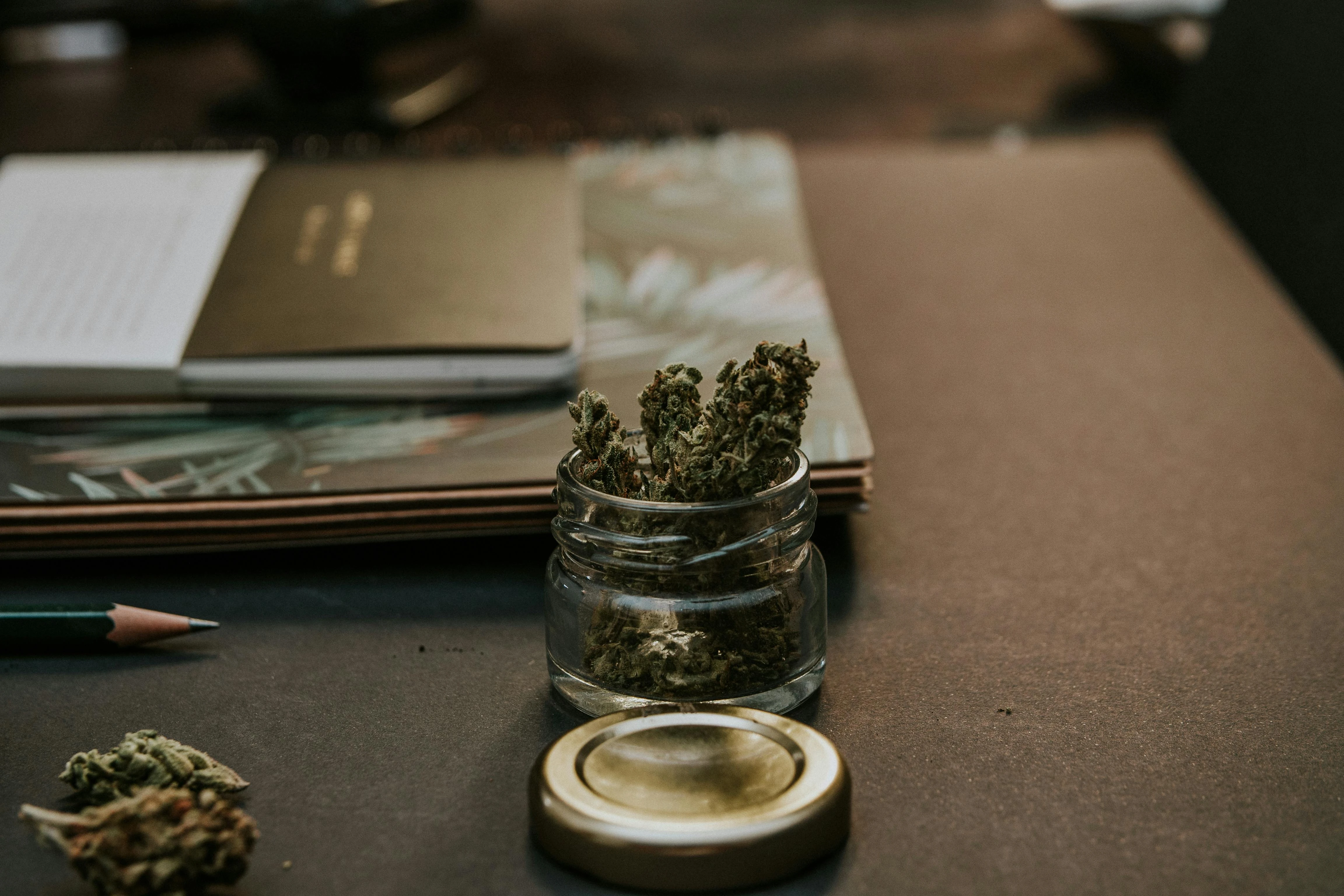
Marijuana use is becoming more common as legalization spreads, affecting people across various age groups1. Research shows that cannabis users, even younger and otherwise healthy adults, face significantly higher risks of heart attack and stroke compared to non-users2. The frequency of marijuana use strongly influences cardiovascular risk, with daily users experiencing notably increased chances of adverse heart events3.
Daily Cannabis Use and Heart Failure Risk
Daily marijuana use has been linked to a substantial increase in the risk of heart failure. A large cohort study involving approximately 157,000 participants from the NIH All of Us Research Program followed individuals with an average age of 54 years over four years to assess cardiovascular outcomes1. During this period, about 3% of participants developed incident heart failure. Notably, daily cannabis users had a 34% higher risk of developing heart failure compared to those who never used marijuana, independent of demographic factors and smoking status1.
Cannabis affects the cardiovascular system through several mechanisms. Tetrahydrocannabinol (THC), the main psychoactive compound in marijuana, has hemodynamic effects that can increase heart rate and oxygen demand in the heart muscle, potentially leading to ischemic injury4. THC also activates platelets, promoting a procoagulant state that may increase the risk of thrombosis, contributing to myocardial infarction and stroke5. Additionally, marijuana use can cause endothelial dysfunction, impairing the ability of blood-pressureblood-pressureblood-pressure-effective-strategies-and-tipsblood-pressure-effective-strategies-and-tipsblood vessels to relax and expand, which disrupts normal blood flow2.
The route of cannabis administration plays a role in cardiovascular risk. Smoking marijuana exposes users to combustion toxins and particulate matter, which can exacerbate vascular inflammation and oxidative stress1. In contrast, oral ingestion of cannabis may reduce some of these risks by avoiding inhalation-related toxins, although it is not without cardiovascular effects1. However, the study did not distinguish between inhalation and ingestion routes, which may influence the overall cardiovascular risk profile1.
People who use cannabis daily are also more likely to experience other adverse cardiovascular outcomes, including myocardial infarction and stroke. Daily cannabis use has been associated with a 25% increased likelihood of heart attack and a 42% increased likelihood of stroke compared to non-use6. Among individuals who have never smoked tobacco, daily cannabis use was linked to even higher odds of myocardial infarction and stroke, suggesting that cannabis itself contributes to cardiovascular risk beyond tobacco-related effects4.
Key cardiovascular effects of daily cannabis use include:
- Increased heart rate and oxygen demand on the heart muscle4
- Activation of platelets, promoting blood clot formation5
- Endothelial dysfunction leading to impaired blood vessel relaxation2
- Exposure to combustion toxins when smoked, increasing oxidative stress1
- Elevated risk of heart failure, myocardial infarction, and stroke16
“The fact that there’s a dose response makes it seem like it probably is, in fact, the cannabis that is causing the bad outcome.”
— Deepak Bhatt, MD, Mount Sinai Fuster Heart Hospital3
Marijuana's Cardiac Effects in Older Adults
Older adults with existing cardiovascular risk factors face heightened dangers from marijuana use. An analysis of the 2019 National Inpatient Sample database examined over 29,000 seniors diagnosed with cannabis use disorder alongside comorbid conditions such as hypertension, diabetes, or hyperlipidemia78. This group was compared to more than 10 million adults with similar cardiovascular profiles but no cannabis use. Hospitalized older adults with cannabis use disorder had a 20% increased likelihood of experiencing major adverse cardiac and cerebrovascular events (MACCE) compared to non-users78.
Among these older cannabis users, there was a modestly elevated risk of myocardial infarction during hospitalization. Hypertension and hyperlipidemia were correlated with worse cardiovascular outcomes in cannabis users, although a direct causal link between marijuana use and these events has not been definitively established78. The complex interplay between cannabis, pre-existing conditions, and cardiovascular health requires further investigation.
Cannabinoids may influence vascular biology through effects on vascular tone, platelet function, and inflammation, but the precise mechanisms remain incompletely understood1. Tobacco smoking is known to destabilize atherosclerotic plaques and promote vascular remodeling, increasing the risk of plaque rupture and myocardial infarction9. While marijuana’s vascular effects are less clear, smoking cannabis likely adds to cardiovascular risk through similar pathways involving oxidative stress and inflammation1.
THC, or tetrahydrocannabinol, one of the main compounds in cannabis, has harmful effects on our health—especially our hearts14.
Older adults and those with existing heart conditions are particularly vulnerable to adverse outcomes from cannabis use. Regular users of edible cannabis showed reduced vascular function by more than 55% compared to non-users, indicating that even non-inhaled forms of marijuana can impair cardiovascular health10. This vascular impairment is associated with increased risks of heart arrhythmia, high blood pressure, and heart failure10.
Cardiovascular risks for older cannabis users include:
- 20% higher risk of major adverse cardiac and cerebrovascular events during hospitalization78
- Increased likelihood of myocardial infarction78
- Correlation of hypertension and hyperlipidemia with worse outcomes78
- Significant reduction in vascular function with edible cannabis use10
- Greater vulnerability due to pre-existing cardiovascular conditions10
Research Gaps and Safety Recommendations
Despite growing evidence linking marijuana use to cardiovascular risks, significant research gaps remain. The exact biological mechanisms by which cannabinoids affect the heart and blood vessels are not fully elucidated, and causality has yet to be firmly established in many cases1. Further mechanistic studies and randomized controlled trials are needed to clarify how cannabis influences vascular biology, platelet function, and inflammatory pathways1.
Clinicians currently advise caution when recommending cannabis, especially for individuals with known cardiovascular risk factors112. Medical guidance often suggests preferring edible cannabis over inhalation to reduce exposure to combustion toxins, which are known to exacerbate cardiovascular harm112. However, edibles are not without risk, as THC itself can activate platelets and promote a procoagulant state513.
“Asking about cannabis use should be part of clinicians' workup to understand patients' overall cardiovascular risk, similar to asking about smoking cigarettes.”
— Ibrahim Kamel, MD, Boston University Chobanian & Avedisian School of Medicine2
The cardiovascular effects of cannabis appear to be dose-dependent, with heavier use associated with higher odds of adverse outcomes such as myocardial infarction, stroke, and heart failure4. Smoking cannabis adds additional risk due to inhalation of particulate matter and other toxins, similar to tobacco smoking4. This highlights the importance of considering the route of administration when evaluating cardiovascular risk.
Current safety recommendations and research priorities include:
- Advising patients to avoid or limit cannabis use if they have cardiovascular risk factors112
- Preferring oral cannabis products over smoking or vaping to reduce toxin exposure112
- Conducting further studies to understand cannabinoid effects on vascular and platelet function1
- Investigating safer cannabis consumption methods to minimize cardiovascular harm112
- Incorporating cannabis use screening into cardiovascular risk assessments2