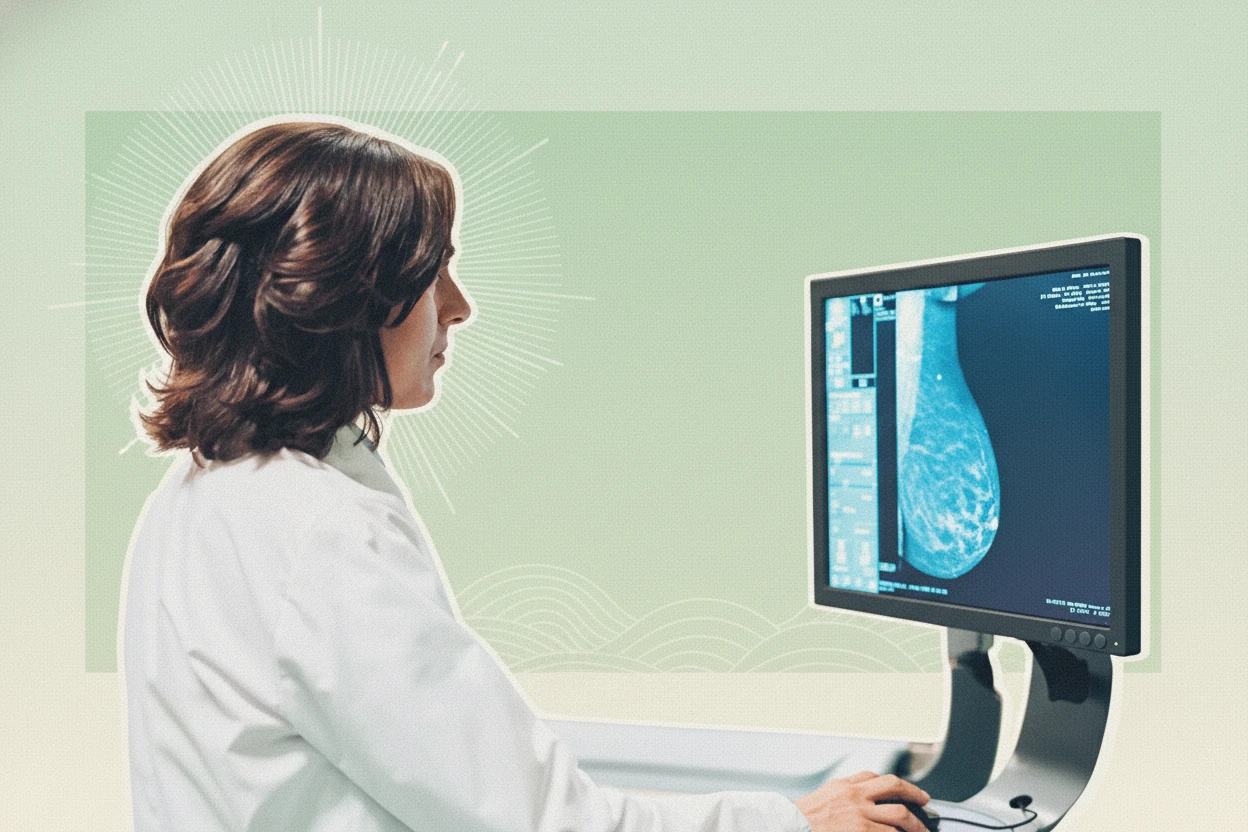
Breast cancer is the second most common cancer and cause of cancer death among U.S. women, with over 43,000 deaths reported in 20221. Recent data reveal a rising incidence of breast cancer in women aged 40 to 49, leading to updated recommendations that encourage earlier screening to improve outcomes23. Starting mammogram screening at age 40 has the potential to reduce mortality and address disparities, particularly among Black women who face higher risks and more aggressive disease43.
Why Mammogram Age Recommendation Changed
Historically, breast cancer screening guidelines varied, with the U.S. Preventive Services Task Force (USPSTF) recommending biennial mammograms starting at age 50 for average-risk women in 20165. Other organizations, such as the American College of Obstetricians and Gynecologists (ACOG), have long advocated beginning screening at age 406. The recent shift to recommend starting mammograms at age 40 reflects new evidence and changing breast cancer patterns.
Key reasons for this change include:
- An increasing incidence of invasive breast cancer among women aged 40 to 49, with rates rising approximately 2% annually from 2015 to 201923.
- Modeling studies using data from the National Cancer Institute support lowering the screening age to 40 to maximize mortality reduction4.
- Recognition that earlier screening aligns with recommendations from other expert groups, reducing confusion among patients and providers78.
- The need to address racial disparities, as Black women are more likely to be diagnosed younger and with aggressive tumor types3.
The USPSTF now recommends biennial mammography screening for average-risk women aged 40 to 74 years, moving away from individualized decisions for women in their 40s to a universal recommendation starting at 409. Shared decision-making remains important, especially for women with higher risk factors such as family history, who may benefit from even earlier screening610.
“The USPSTF recommends that women aged 50 to 74 years get screened for breast cancer every two years. For women aged 40 to 49 years, the decision to start screening should be an individual one.”
— U.S. Preventive Services Task Force (USPSTF)9
Benefits of Earlier Breast Cancer Screening
Starting mammogram screening at age 40 offers significant benefits in reducing breast cancer mortality, particularly for populations at higher risk. Early detection allows for treatment at less advanced stages, improving survival and potentially reducing the need for aggressive therapies.
Key benefits include:
- Screening beginning at age 40 may prevent approximately 1.3 additional breast cancer deaths per 1,000 women screened compared to starting at age 504.
- Among Black women, who experience earlier onset and more aggressive breast cancers, earlier screening could prevent up to 1.8 deaths per 1,000 screened, reflecting a mortality reduction of about 24%3.
- Overall, earlier screening is estimated to reduce breast cancer mortality by approximately 19%4.
- Early detection often leads to less invasive treatments and better quality of life1112.
- Screening mammography has been proven to reduce breast cancer mortality across age groups, including women aged 40 to 491.
The benefits of earlier screening must be balanced against potential harms such as false positives, overdiagnosis, and overtreatment. False positives can lead to additional testing, biopsies, and anxiety, while overdiagnosis refers to detection of cancers that may never cause symptoms or harm511. However, the USPSTF concludes that the net benefit of biennial screening from age 40 outweighs these risks for average-risk women9.
| Screening Aspect | Recommendation/Status | Notes |
|---|---|---|
| Screening interval | Biennial for ages 40–74 | Annual screening not conclusively superior59 |
| Dense breasts | Insufficient evidence for routine supplemental MRI/ultrasound | Supplemental screening may improve detection but increases false positives69 |
| Women aged 75 and older | Insufficient evidence to recommend routine screening | Individualized decisions advised149 |
| Sources:56914 | ||
It is important that experts keep up with the latest research and continue to update their recommendations11.
Mammogram Frequency, Dense Breasts, and Older Women
The USPSTF recommends biennial (every two years) mammography screening for women aged 40 to 74 at average risk9. While some organizations advocate for annual screening, evidence does not conclusively show that annual mammograms improve outcomes compared to biennial screening135. Annual screening may increase cancer detection but also raises false positive rates and overtreatment risks5.
Dense breasts are common, affecting over 40% of women undergoing mammography, and are associated with both increased breast cancer risk and reduced mammogram sensitivity69. Women with dense breasts may benefit from supplemental imaging such as breast ultrasound or magnetic resonance imaging (MRI), but current evidence is insufficient to recommend routine supplemental screening69.
Evidence is insufficient to assess the balance of benefits and harms of screening mammography in women aged 75 years or older149. Some experts suggest continuing screening up to age 79 based on individual health status and life expectancy, but the USPSTF does not make a firm recommendation for this age group69.
- Biennial screening mammography is recommended for average-risk women aged 40 to 749.
- Annual screening may detect more cancers but increases false positives and overtreatment5.
- Dense breast tissue complicates mammogram interpretation and increases cancer risk; supplemental screening is under investigation69.
- Screening decisions for women over 75 should be personalized, considering health status and preferences149.