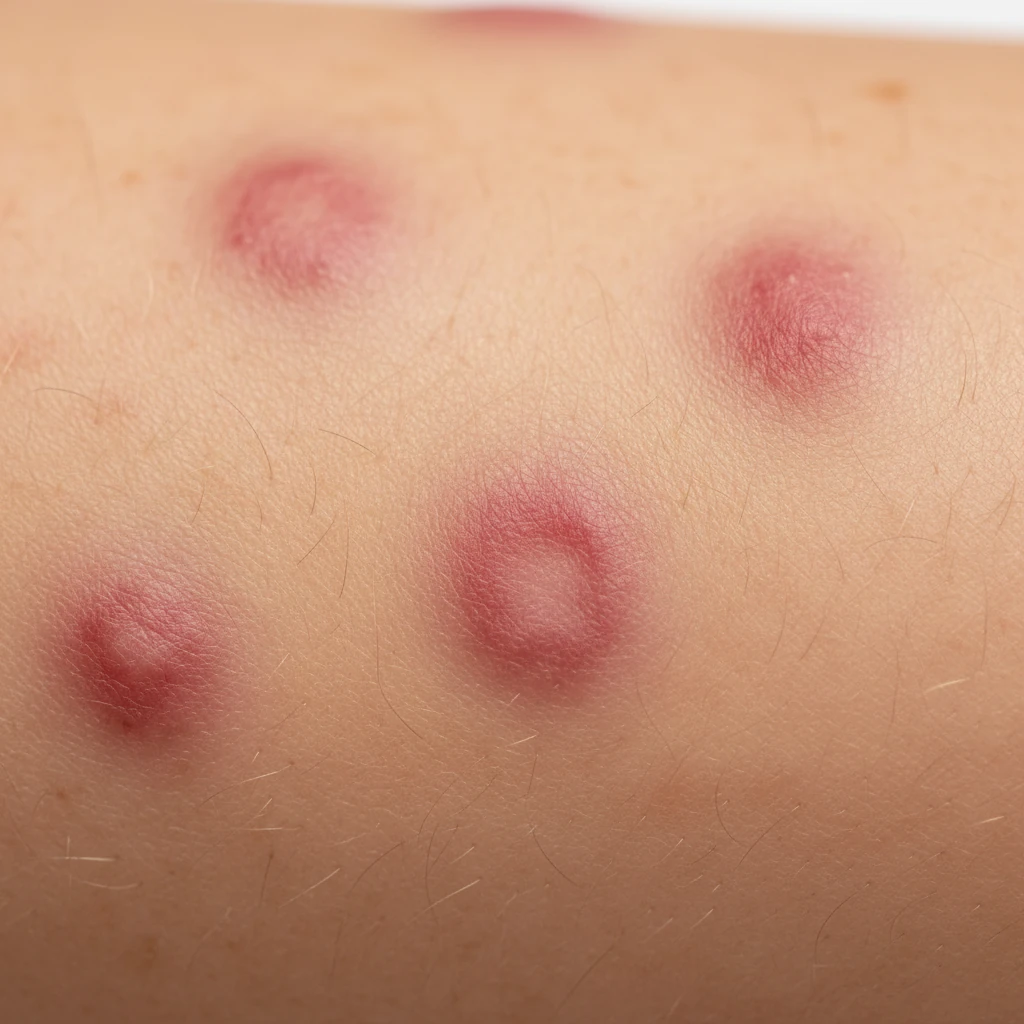
Lymphoma is a type of cancer that affects the lymphatic system, which plays a crucial role in the body's immune defense. Each year, thousands of new lymphoma cases are diagnosed worldwide, highlighting the importance of recognizing early warning signs1. Symptoms can vary widely and often overlap with other common illnesses, making timely medical evaluation essential for accurate diagnosis and improved outcomes2. Understanding the key symptoms can help individuals seek care promptly and increase the chances of successful treatment2.
“If you have multiple B symptoms that last more than two weeks, see your doctor right away. If you only have one symptom, but it’s inconsistent, just make your doctor aware of it.”
— Lymphoma Specialist, MD Anderson Cancer Center16
Lymphoma Symptoms Overview
Lymphoma originates in lymphocytes, a type of white blood cell produced in the bone marrow and lymphoid tissues such as lymph nodes and the spleen31. There are two main categories: Hodgkin lymphoma and non-Hodgkin lymphoma, each with distinct features but overlapping symptoms31. The clinical presentation is heterogeneous, meaning symptoms differ widely among patients and can be nonspecific, often mimicking other diseases34. Common systemic symptoms, known as "B symptoms," include fever, night sweats, and unexplained weight loss, which also carry prognostic significance35. Extranodal involvement, where lymphoma affects organs outside lymph nodes like the gastrointestinal tract, liver, spleen, or skin, occurs in about 40% of non-Hodgkin lymphoma cases67. Because symptoms overlap with many other conditions, no single symptom confirms lymphoma, and professional evaluation is necessary28.
“Gen-Xers and Millennials need to be aware of these trends to modify their risk as much as possible and to be vigilant with cancer screening. This study emphasizes the critical need to study what drives cancer development, particularly in younger people.”
— Lan Coffman, MD, PhD, University of Pittsburgh School of Medicine10
The rise in cancer among younger adults is multifactorial, involving lifestyle, environmental, and early-life exposures that together increase risk. This complexity challenges the traditional focus on single risk factors and calls for broader research approaches78.
Swollen Lymph Nodes
One of the most common and earliest signs of lymphoma is painless swelling of lymph nodes, particularly in the neck, armpits, or groin349. Lymph nodes normally enlarge in response to infections due to immune cell proliferation, but in lymphoma, swelling results from malignant lymphocyte accumulation within the nodes314. Unlike infection-related swelling, lymphoma-related lymphadenopathy is typically painless, though some patients may experience discomfort or aching34. Enlarged lymph nodes may feel firm or rubbery and persist for weeks without improvement910. Because swollen lymph nodes are common in many benign conditions, their presence alone is insufficient for diagnosis28. Early medical consultation is advised if lymph nodes remain enlarged without clear cause28.
Fever and Chills
Fever is a common symptom reflecting immune system activation, which can occur in infections or malignancies like lymphoma31. In lymphoma, fevers often arise without an obvious infection and may be persistent or intermittent3111. These fevers are part of the body's response to malignant lymphocytes and the cytokines they release31. Patients may also experience chills accompanying the fever912. Because fever is nonspecific, unexplained or persistent fevers warrant medical evaluation to identify underlying causes, including lymphoma2811. Prompt diagnosis can improve treatment outcomes28.
Severe Night Sweats
Night sweats, defined as drenching sweating episodes that require changing nightclothes or bedding, are a recognized symptom of lymphoma319. They may occur due to cytokine release by lymphoma cells, which affects the body's temperature regulation31. Night sweats often accompany nocturnal fevers and can be severe enough to disrupt sleep319. Although other conditions such as menopause and autoimmune diseases can cause night sweats, persistent and unexplained night sweats should prompt medical evaluation349. Night sweats are part of the "B symptoms" that have prognostic importance in lymphoma35.
Appetite Loss
Loss of appetite, early satiety (feeling full quickly), nausea, and vomiting can occur when lymphoma involves abdominal lymph nodes or lymphatic tissues in the liver or spleen3613. Enlarged spleen (splenomegaly) may compress the stomach, causing a sensation of fullness after eating small amounts313. Hepatic involvement can lead to fluid accumulation (ascites) and abdominal distension, further reducing appetite313. Gastrointestinal lymphoma may cause mucosal swelling, epigastric pain, and altered bowel habits such as diarrhea or constipation613. These symptoms reflect extranodal lymphoma involvement and should be assessed promptly613.
💡 Did You Know?
Lymphoma can affect lymph nodes, spleen, bone marrow, and other tissues throughout the body, with symptoms depending on the disease location and type17.
Persistent Fatigue
Fatigue is a common but nonspecific symptom in lymphoma patients, often described as overwhelming and persistent despite rest359. It frequently results from anemia caused by bone marrow infiltration by malignant lymphocytes, which impairs red blood cell production and oxygen delivery to tissues35. Anemia is defined as a decreased number of red blood cells or hemoglobin and is a frequent cause of fatigue in lymphoma35. Because fatigue can result from many other conditions, it should be evaluated in the context of other symptoms35.
Easy Bruising or Bleeding
Easy bruising, prolonged bleeding, nosebleeds, or petechiae (tiny blood spots under the skin) may indicate impaired blood clotting in lymphoma359. This occurs due to thrombocytopenia, a low platelet count caused by bone marrow infiltration by lymphoma cells, which reduces platelet production35. Platelets are essential for blood clotting, and their deficiency increases bleeding risk35. New onset of easy bruising or unexplained bleeding should prompt evaluation for hematologic malignancies including lymphoma35.
Chest Symptoms and Breathing Issues
Lymphoma involving the chest, especially mediastinal lymph nodes or the thymus gland, can cause symptoms such as cough, chest pressure, pain, and shortness of breath3149. Enlarged lymph nodes or masses may compress the windpipe or airways, leading to respiratory symptoms31415. Pleural effusions (fluid around the lungs) can also develop, worsening breathing difficulties314. Symptoms may worsen when lying down and can include loud breathing or retrosternal pain3149. Severe breathing problems require immediate medical attention9. Mediastinal lymphadenopathy is common in Hodgkin lymphoma and some non-Hodgkin lymphoma subtypes314.
Unexplained Weight Loss
Unintentional weight loss of 10% or more of body weight over six months is a concerning symptom that may indicate lymphoma or other malignancies359. This weight loss results from increased metabolic demands of rapidly growing cancer cells and systemic inflammation35. Aggressive lymphomas are more frequently associated with significant weight loss compared to indolent forms35. However, other causes such as infections, endocrine disorders, depression, or hyperthyroidism can also lead to unexplained weight loss35. Persistent unexplained weight loss should prompt medical evaluation35.
Skin Itching
Itchy skin (pruritus) without an obvious cause can be a paraneoplastic symptom of lymphoma359. Lymphoma-associated itching may be intense, sometimes accompanied by burning sensations or dysesthesia35. Cytokines released by lymphoma cells may sensitize nerve fibers in the skin, causing itchiness35. Pruritus may localize near affected lymph nodes, areas of skin lymphoma, or be generalized35. While dry skin and allergies are common causes of itching, persistent or widespread itching warrants medical evaluation to rule out lymphoma or other conditions35.
When to See a Doctor for Lymphoma Warning Signs
Many lymphoma symptoms overlap with other common illnesses, so having one symptom alone does not confirm lymphoma. However, persistent or multiple symptoms should prompt timely medical evaluation to improve outcomes1228.
Because lymphoma symptoms overlap with many other conditions, early medical consultation is crucial when suspicious symptoms arise28. You should see a healthcare provider if you experience:
- Persistent or unexplained swollen lymph nodes lasting more than two weeks28.
- Fever, night sweats, or weight loss that do not improve28}.
- Ongoing fatigue or unexplained bruising or bleeding35.
- Respiratory symptoms like cough or chest pressure, especially if worsening3149.
- Severe or persistent itching without clear cause35.
“Lymphoma symptoms vary from person to person. Some individuals may have no noticeable symptoms for a long time. However, recognizing potential warning signs can lead to earlier diagnosis and more effective treatment.”
— Doru Paul, MD, Medical Oncologist12
Key Takeaways
- Lymphoma symptoms are diverse and often nonspecific, making early medical evaluation essential32.
- Painless swollen lymph nodes in the neck, armpits, or groin are the most common early sign34.
- Systemic "B symptoms" include persistent fever, severe night sweats, and unexplained weight loss35.
- Fatigue and easy bruising may result from bone marrow involvement causing anemia and thrombocytopenia35.
- Chest symptoms such as cough and shortness of breath may indicate mediastinal lymphoma requiring urgent attention314.