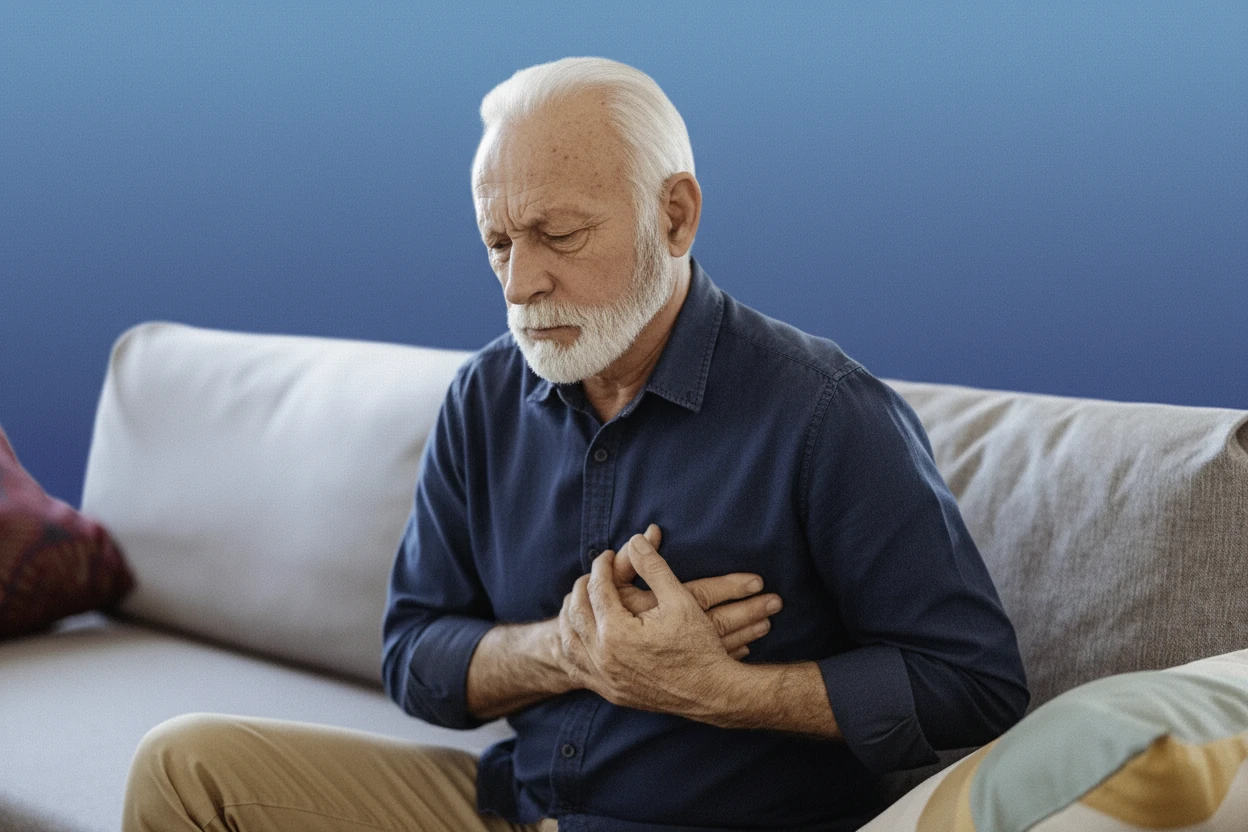
Lung cancer is the leading cause of cancer deaths deaths-effects-on-black-womencancer-effects-on-black-womencancer death in the United States, with smoking as the primary risk factor1. Early symptoms are often subtle or absent, which contributes to delayed diagnosis and poorer outcomes2. Recognizing the signs of lung cancer from early to late stages is crucial for timely medical evaluation and treatment3.
Early Lung Cancer Symptoms
Lung cancer often causes no pain in its early stages because the lungs have few sensory nerve endings4. Early symptoms can be subtle or mimic other common conditions, making detection challenging5. A worsening cough is one of the earliest signs of lung cancer6. Chest pain or discomfort, especially when breathing deeply, coughing, or laughing, can also occur early6. Nail clubbing, characterized by bulbous fingertips and changes in nail curvature, is a physical sign linked to lung cancer and hypoxia (low oxygen levels)78.
Other early symptoms may include:
- A new or persistent cough that does not go away or worsens over time9
- Coughing up blood or rust-colored sputum (phlegm)1
- Shortness of breath or wheezing3
- Frequent lung infections such as bronchitis or pneumonia that do not resolve10
- Hoarseness or changes in voice11
Awareness of these symptoms remains moderate in many populations, with cough and chest pain being the most recognized212. Because early lung cancer symptoms are often non-specific or absent, high-risk individuals should be vigilant and seek medical advice if symptoms persist5.
Advanced Lung Cancer Symptoms
As lung cancer progresses, symptoms tend to worsen and new symptoms may appear5. Tumor growth can obstruct airways, leading to recurrent respiratory infections such as bronchitis or pneumonia613. Chest pain aggravated by breathing or coughing becomes more common in advanced stages6. Fatigue and unexplained weight loss are frequent systemic symptoms in progressive lung cancer14.
Local invasion and paraneoplastic syndromes may cause additional signs, including:
- Facial swelling due to superior vena cava syndrome, where a tumor compresses a major vein causing blood to back up in the face, neck, and upper chest610
- Neurological symptoms such as Horner syndrome from tumors at the lung apex (Pancoast tumors), presenting with drooping eyelid (ptosis), constricted pupil (miosis), and decreased sweating (anhidrosis) on one side of the face615
- Paraneoplastic syndromes affecting various organs, which may produce metabolic or neurological symptoms4
Effective cancer treatment can alleviate many of these symptoms, improving quality of life4.
- Worsening cough and breathlessness5
- Recurrent lung infections due to airway obstruction13
- Chest pain worsened by breathing or coughing6
- Fatigue and unexplained weight loss14
- Facial swelling from superior vena cava syndrome6
Late-Stage Lung Cancer Symptoms
Late-stage or metastatic lung cancer symptoms depend on the sites of spread, commonly including bones, brain, and liver5. These symptoms reflect systemic disease and contribute to overall decline14.
Bone metastases often cause localized pain, especially in the spine or pelvis615. Brain metastases may lead to headaches, seizures, confusion, weakness, or numbness in limbs515. Liver involvement can cause jaundice (yellowing of skin and eyes), abdominal discomfort, nausea, and swelling615.
Other late-stage symptoms include:
- Swollen lymph nodes in the neck or above the collarbone15
- Loss of appetite and severe fatigue14
- Difficulty walking or balance problems due to neurological involvement15
Pleural effusion, the accumulation of fluid around the lungs, can cause breathlessness and cough15. Spinal cord compression from bone metastases is a medical emergency presenting with leg weakness, numbness, or loss of bladder/bowel control15.
Hospice and palliative care focus on symptom management during this stage, prioritizing patient comfort and quality of life16.
“Hospice care provides crucial support for patients with end-stage lung cancer, focusing on symptom control and emotional well-being.”
— VITAS Healthcare16
When to See a Doctor
Early medical evaluation of lung cancer symptoms improves diagnosis and treatment outcomes5. Individuals, especially those at high risk such as smokers or those exposed to environmental carcinogens, should seek medical advice if they experience:
- A persistent or worsening cough lasting more than three weeks9
- Coughing up blood or rust-colored sputum1
- Chest pain or discomfort aggravated by breathing or coughing6
- Shortness of breath or wheezing3
- Unexplained weight loss or loss of appetite11
- Recurrent lung infections that do not resolve10
- Swelling in the face, neck, or upper chest6
Because lung cancer symptoms often mimic other conditions like bronchitis, pneumonia, or chronic obstructive pulmonary disease (COPD), timely evaluation is essential to rule out or confirm cancer11.
Early recognition and prompt evaluation, especially in smokers, are essential to improve survival and quality of life2.
Screening with low-dose CT scans is recommended for high-risk adults aged 50 to 80 who currently smoke or have quit within the past 15 years and have a significant smoking history3. Early detection through screening can catch lung cancer when it is most treatable17.
Lung Cancer Symptoms Summary
Lung cancer symptoms evolve from subtle early signs to more severe and systemic manifestations as the disease progresses. Early symptoms include a persistent cough, chest pain, and nail clubbing. Advanced symptoms involve worsening respiratory issues, fatigue, weight loss, and paraneoplastic syndromes. Late-stage symptoms reflect metastatic spread, causing bone pain, neurological deficits, and jaundice.
| Stage | Common Symptoms | Notes |
|---|---|---|
| Early | Persistent cough, chest pain, nail clubbing | Often subtle or absent; lungs have few nerves768 |
| Advanced | Recurrent infections, facial swelling, Horner syndrome | Tumor invasion and paraneoplastic effects6413 |
| Late-Stage | Bone pain, headaches, jaundice, neurological symptoms | Reflects metastases to bone, brain, liver5615 |
Common Lung Cancer Questions
What causes lung cancer?
Lung cancer results from uncontrolled growth of lung cells, often triggered by DNA mutations caused by tobacco smoke and environmental carcinogens like radon and asbestos34.
Can lung cancer cause pain early on?
No, early lung cancer usually does not cause pain because the lungs have few sensory nerve endings4.
What is nail clubbing?
Clubbing is a physical change where fingertips become bulbous and nails curve, often linked to lung cancer and low oxygen levels in the blood8.
What are paraneoplastic syndromes?
These are symptoms caused by substances produced by lung tumors that affect other organs, leading to metabolic or neurological problems4.
How fast does lung cancer spread?
Small cell lung cancer tends to spread faster than non-small cell lung cancer, often presenting with advanced symptoms at diagnosis11.
Symptoms tend to worsen and new symptoms appear as lung cancer progresses, highlighting the importance of timely diagnosis6.
Lung Cancer FAQs
Q: Can non-smokers get lung cancer?
Yes, up to 20% of lung cancer cases occur in people who have never smoked, often due to other risk factors like environmental exposures or genetic mutations3.
Q: What are the signs of metastatic lung cancer?
Symptoms depend on the site of spread and may include bone pain, neurological changes such as headaches or seizures, jaundice, and swollen lymph nodes515.
Q: Is a cough always a sign of lung cancer?
No, a cough can be caused by many conditions, but a new or worsening cough lasting more than three weeks should be evaluated9.
Q: How can I reduce my risk of lung cancer?
The most effective way is to avoid smoking and secondhand smoke, reduce exposure to environmental carcinogens, and undergo recommended screening if at high risk18.
Q: When should I get screened for lung cancer?
Screening is recommended for adults aged 50 to 80 with a significant smoking history who currently smoke or quit within the last 15 years3.