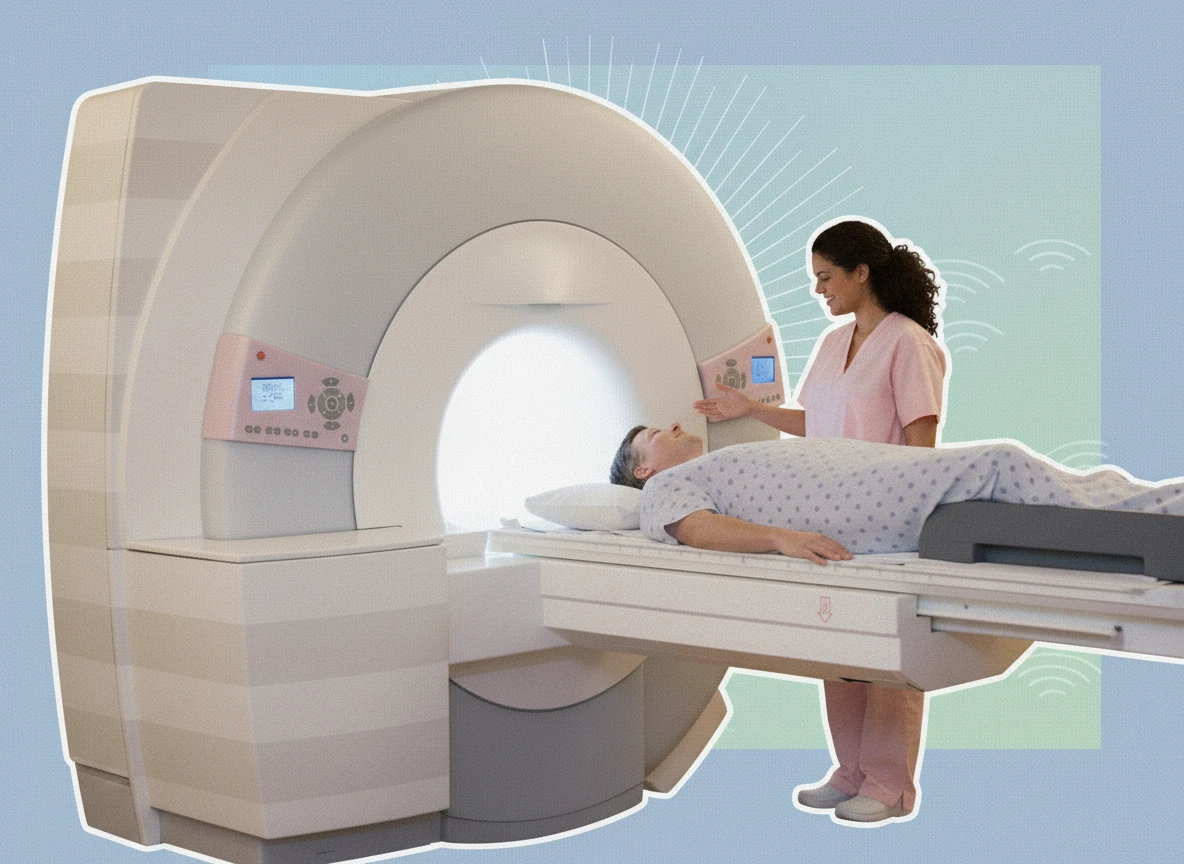
Lung cancer remains the leading cause of cancercancer death in the United States, causing about 160,000 deaths annually, more than colon, breast, and prostate cancers combined1. Early detection through screening is crucial because most lung cancers are diagnosed at advanced stages when treatment options are limited1. Current guidelines recommend yearly lung cancer screening with low-dose computed tomography (LDCT) for adults at high risk due to age and smoking history, aiming to catch cancer early and improve survival23.
Key Changes in Lung Cancer Screening Guidelines: What's New?
Recent updates to lung cancer screening guidelines have expanded eligibility criteria to include more individuals at risk. The U.S. Preventive Services Task Force (USPSTF) 2021 update and the American Cancer Society (ACS) 2023 update both lowered the starting age for screening from 55 to 50 years and reduced the minimum smoking history from 30 pack-years to 20 pack-years4. Unlike the USPSTF, the ACS removed the requirement that former smokers must have quit within the past 15 years to be eligible for screening54.
“Lung cancer screening has been shown to reduce deaths because you can find many of them at an earlier stage when they’re potentially curable as opposed to finding them in advanced stages when they are symptomatic and incurable.”
— Christopher Seder, MD, Rush University Medical Center1
These changes reflect evidence that lung cancer risk persists or even increases with age after quitting smoking, justifying the removal of the quit-time restriction6. Removing this criterion could increase the number of lung cancer deaths prevented by approximately 20%4. The updated ACS guidelines emphasize three main eligibility changes:
- Lowering the starting age for screening eligibility to 50 years from 55 years4
- Reducing the minimum smoking history to 20 pack-years from 30 pack-years4
- Removing the requirement that former smokers must have quit within 15 years to be eligible54
The 2013 USPSTF guidelines recommended annual screening for adults aged 55 to 80 years with a 30 pack-year smoking history who currently smoke or quit within the past 15 years4. The updated guidelines aim to nearly double the population eligible for screening, potentially increasing early detection and reducing mortality764.
Impact of Screening on Early Lung Cancer Diagnosis & Outcomes
Lung cancer screening with LDCT detects tumors at earlier, often asymptomatic stages, allowing for curative treatment options such as surgery89. Randomized controlled trials, including the National Lung Screening Trial (NLST), have shown that LDCT screening reduces lung cancer mortality by identifying cancer before symptoms develop910. Early detection significantly improves five-year survival rates compared to late-stage diagnosis, where survival is poor811.
Despite these benefits, about 70% of lung cancers are still diagnosed symptomatically at advanced stages, limiting treatment success11. The expanded screening eligibility is expected to increase the number of cancers detected early, improving outcomes and reducing deaths612.
💡 Did You Know?
The American Cancer Society recommends yearly screening for lung cancer with a low-dose CT (LDCT) scan for people aged 50 to 80 years2.
Key points about lung cancer diagnosis and screening impact include:
- Lung cancer screening aims to reduce mortality by detecting cancer early when it is more treatable10
- Low-dose CT screening identifies lung cancer at early stages, often before symptoms develop10
- Most lung cancers are detected late, after symptoms appear, limiting curative treatment options10
- Early-stage lung cancer has a cure rate exceeding 70% with appropriate treatment, while advanced-stage five-year survival is around 10%811
- Screening leads to better treatment outcomes by enabling earlier intervention8
Estimated Lives Saved: The Public Health Impact of Lung Cancer Screening
The updated screening guidelines are projected to nearly double the number of eligible individuals, potentially preventing tens of thousands of lung cancer deaths annually764. Modeling studies estimate that increasing screening participation could save between 20,000 and 60,000 lives each year in the U.S.713.
LDCT screening reduces lung cancer mortality by approximately 20% in high-risk populations, with a number needed to screen (NNS) of about 300 to prevent one lung cancer death9. Despite this, screening uptake remains low, with only 3–10% of eligible individuals undergoing screening147.
The effectiveness of screening depends on early detection and timely follow-up care. Screening programs that integrate smoking cessation interventions further enhance mortality reduction915.
- Lung cancer screening with LDCT reduces mortality by about 20%9
- The number needed to screen to prevent one lung cancer death is approximately 3009
- Screening uptake in the U.S. is low, with less than 10% of eligible individuals screened14
- Increasing screening participation could prevent tens of thousands of lung cancer deaths annually7
- Smoking cessation combined with screening improves outcomes15
Despite proven benefits, lung cancer screening remains underused. Expanding eligibility and increasing screening rates could save tens of thousands of lives annually1479.
Who Should Not Get Lung Cancer Screened: Contraindications & Risks
Current lung cancer screening guidelines focus on adults aged 50 to 80 years with a significant smoking history, excluding never-smokers and those with limited life expectancy or severe comorbidities114. Screening is not recommended for individuals who:
- Are younger than 50 years or older than 80 years4
- Have smoked fewer than 20 pack-years4
- Quit smoking more than 15 years ago (per USPSTF; ACS removed this limit)54
- Have comorbidities that limit life expectancy or ability to undergo curative lung surgery1116
- Are symptomatic for lung cancer (screening is for asymptomatic individuals)16
Screening is also not advised for never-smokers due to low incidence and cost-effectiveness concerns, although research is ongoing to refine risk models that may broaden eligibility in the future6174. Family history and environmental exposures are recognized risk factors but are not currently included in eligibility criteria1817.
- Screening is not recommended for patients with severe comorbidities or limited life expectancy1116
- Never-smokers are excluded from current screening guidelines despite some lung cancers occurring in this group6
- Risk prediction models incorporating family history may expand eligibility in the future17
| Benefit | Description | Reference |
|---|---|---|
| Early detection | Detects lung cancer at asymptomatic, treatable stages | 89 |
| Mortality reduction | Approximately 20% reduction in lung cancer deaths | 9 |
| Smoking cessation support | Screening programs provide counseling and interventions | 91 |
| Minimally invasive surgery | Early-stage cancers can be treated with less invasive methods | 1 |
| Low radiation exposure | LDCT uses lower radiation than standard CT scans | 1 |
At very severe stages of a comorbid condition it can be clear that low-dose CT screening is not indicated because competing mortality limits the potential benefit, and harms are magnified16.
Benefits of Lung Cancer Screening: Early Detection & Improved Survival
Lung cancer screening with low-dose CT is the only method proven to reduce lung cancer mortality by detecting tumors at early, asymptomatic stages892. Early detection enables curative treatments such as minimally invasive surgery, which has fewer complications and faster recovery1. Screening also provides opportunities for smoking cessation counseling, further reducing lung cancer risk91.
The benefits of lung cancer screening include:
- Early detection of lung cancer before symptoms develop, improving survival rates89
- Identification of lung nodules that can be monitored or biopsied for diagnosis16
- Reduction in lung cancer mortality by approximately 20% in eligible populations9
- Opportunity to provide smoking cessation interventions alongside screening91
- Use of advanced LDCT technology with lower radiation doses than diagnostic CT scans1
Screening programs emphasize shared decision-making, discussing potential benefits, risks, and follow-up procedures with patients16. False-positive results and overdiagnosis are potential harms but are outweighed by the mortality benefit in high-risk individuals16.