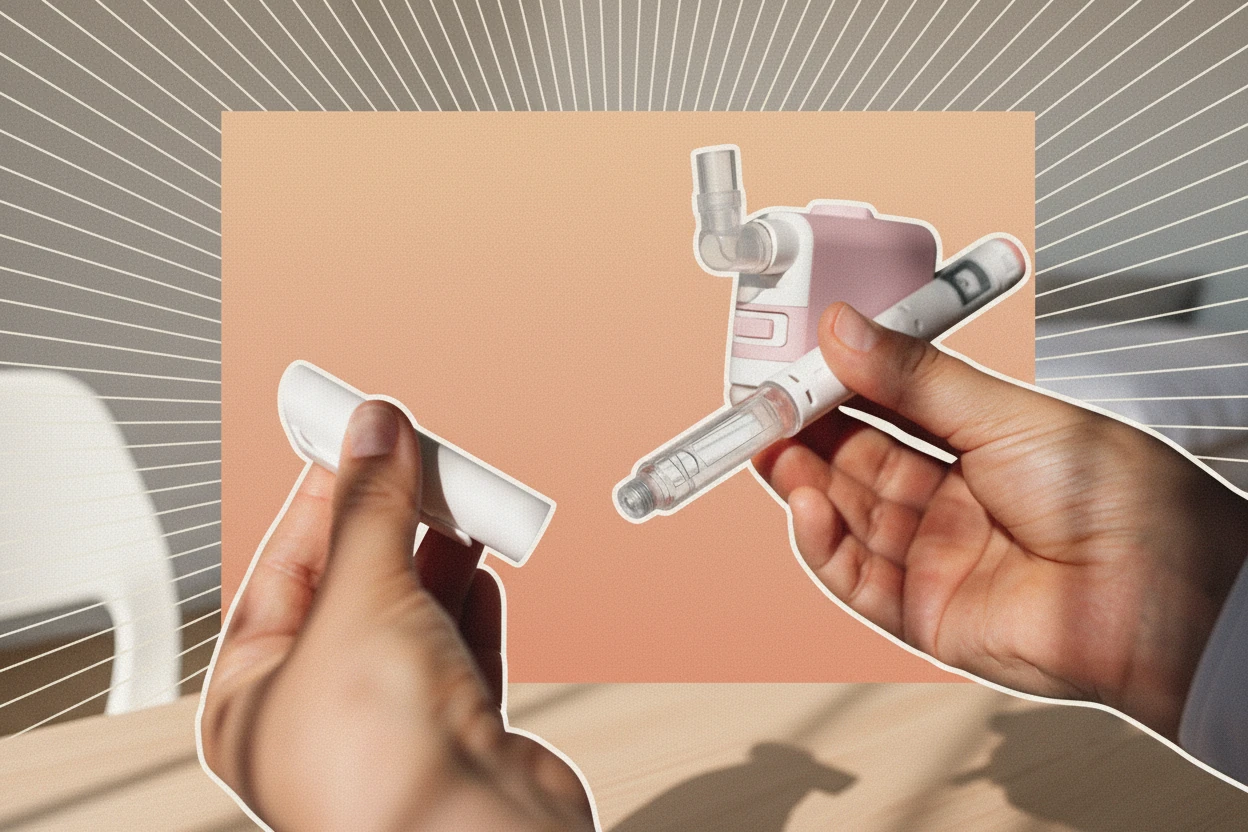
Type 2 diabetes affects about 8% of adults in the United States, posing significant health risks if not properly managed12. Maintaining blood sugar within target ranges is essential to prevent complications such as cardiovascular disease, kidney damage, and vision loss34. Effective blood sugar control involves a combination of lifestyle changes, medication, and regular monitoring to reduce the risk of long-term health problems56.
Long-Term Blood Sugar Management: Diet, Exercise & Lifestyle Strategies
Sustained blood sugar control is crucial for preventing diabetesdiabetesdiabetes-managementdiabetes-managementdiabetes-related complications. Lifestyle factors including diet, physical activity, and weight management play a central role in managing blood glucose levels over time12. Combining these with medication often yields the best outcomes6.
Be Mindful of Your Carbohydrate Intake
Carbohydrates are the primary dietary source of glucose, which directly impacts blood sugar levels7. Managing carbohydrate intake by focusing on quality and quantity is key to controlling blood sugar.
- Carbohydrates break down into glucose during digestion, causing blood sugar to rise7.
- Total carbohydrate elimination is not recommended; instead, balanced intake tailored to individual needs is advised89.
- Eating most carbohydrates earlier in the day and balancing them with protein and fat can improve glycemic control109.
- Replacing processed grains with whole grains and legumes reduces inflammation and improves blood sugar regulation1112.
- Monitoring carbohydrate portions helps prevent excessive glucose spikes13.
Add Fiber to Your Diet
Dietary fiber slows carbohydrate absorption, leading to more stable blood sugar levels1415. Increasing fiber intake is associated with reductions in HbA1c (a measure of long-term blood sugar control) and fasting glucose1416.
- Whole grains, legumes, fruits, and vegetables are rich sources of fiber913.
- Fiber forms a protective "shell" around carbohydrates, delaying glucose absorption into the bloodstream13.
- Consistent fiber intake supports improved glycemic control and reduces post-meal glucose spikes149.
- High-fiber diets also support heart health and reduce inflammation1112.
Eat Smaller, More Frequent Meals
Consuming smaller meals more frequently throughout the day helps maintain steady blood sugar levels and prevents large fluctuations1017. This approach can reduce postprandial (after eating) blood sugar spikes and improve overall glucose control.
- Smaller portions reduce the glucose load entering the bloodstream at once18.
- Eating at regular intervals prevents hypoglycemia (low blood sugar) that can trigger rebound spikes17.
- Balanced meals combining carbohydrates with protein and healthy fats enhance blood sugar stability13.
Snack on Pistachios
Nuts like pistachios provide protein, healthy fats, and fiber, which help slow glucose absorption and improve insulin sensitivity13. Including pistachios as snacks can support better blood sugar management.
- Pistachios have a low glycemic index and contribute to satiety13.
- Their nutrient profile helps blunt blood sugar rises after meals13.
- Incorporating nuts into snacks balances carbohydrate intake and reduces glycemic variability13.
Drink Plenty of Water
Adequate hydration supports kidney function, helping to flush excess glucose from the bloodstream through urine1917. Drinking water instead of sugary beverages prevents additional blood sugar spikes.
- Water intake promotes glucose excretion and prevents dehydration-related blood sugar elevation19.
- Avoid sugary drinks like soda and juice, which rapidly increase blood glucose20.
- Staying hydrated may also reduce cravings and support weight management17.
Prioritize Sleep
Quality sleep influences blood sugar regulation by affecting insulin sensitivity and hormone balance17. Poor sleep is linked to higher blood glucose levels and increased diabetes risk.
- Adequate sleep supports metabolic health and glucose metabolism17.
- Sleep deprivation can worsen insulin resistance and elevate blood sugar17.
- Establishing consistent sleep routines aids long-term glycemic control17.
Engage in Mindfulness, Meditation, or Yoga
Stress management through mindfulness practices can positively impact blood sugar by reducing stress hormones that raise glucose levels17. Incorporating relaxation techniques supports overall diabetes management.
- Chronic stress elevates cortisol, which can increase blood sugar17.
- Mindfulness and yoga reduce stress and improve insulin sensitivity17.
- Regular practice may help maintain stable blood glucose levels17.
Consume Probiotics
Emerging evidence suggests that probiotics may improve glucose metabolism by modulating gut microbiota and reducing inflammation9. Including probiotic-rich foods or supplements can complement blood sugar management.
- Gut health influences insulin resistance and systemic inflammation9.
- Probiotics may enhance glycemic control when combined with dietary changes9.
- More research is needed, but probiotics are a promising adjunct9.
Consider Taking Supplements
Certain nutrients support insulin function and blood sugar regulation. Supplements such as vitamin D, chromium, magnesium, and alpha-lipoic acid have shown potential benefits in diabetes management21.
- Vitamin D deficiency correlates with poor glycemic control2221.
- Chromium and magnesium improve insulin sensitivity and glucose metabolism21.
- Antioxidants like alpha-lipoic acid reduce oxidative stress linked to diabetes21.
- Supplementation should be personalized and supervised by healthcare providers21.
Take Diabetes Medication
Medications remain a cornerstone of blood sugar management, especially when lifestyle changes alone are insufficient6. Metformin is typically the first-line drug, with insulin and other agents added as needed236.
- Medication combined with lifestyle modification improves glycemic control6.
- Rapid-acting insulin provides immediate blood sugar reduction in acute settings23.
- Medication regimens should be individualized based on patient needs and response6.
High blood sugar can occur from foods you eat, but it can also be caused by certain medications, infection, stress, or pain19.
Quick Ways to Lower High Blood Sugar: Immediate Actions & Solutions
Rapid blood sugar reduction is sometimes necessary to prevent acute complications. Combining immediate lifestyle actions with medication can effectively lower glucose levels2425.
Our society is not really set up to support people trying to control their blood sugar. Many of the foods we buy are processed and contain a lot of sugar. Carbs are quick and easy and delicious. It can be pretty hard to break these habits and learn how to manage blood sugar13.
Eat Raspberries With Your Meal
Berries like raspberries contain fiber and antioxidants that may modestly reduce post-meal blood sugar spikes919. Although evidence is limited, consuming raspberries with meals can be a helpful dietary strategy.
- Low glycemic index fruits, including berries, slow glucose absorption9.
- Fiber in raspberries blunts rapid blood sugar rises after eating9.
- Combining berries with protein enhances blood sugar stability9.
Get Active
Physical activity is one of the most effective immediate methods to lower blood sugar. Exercise increases muscle glucose uptake and insulin sensitivity, reducing circulating glucose2426.
- Muscle contractions during exercise consume glucose independently of insulin24.
- Post-exercise improvements in glycemic control can last several hours2426.
- Even short walks after meals significantly reduce blood sugar spikes18.
- Regular activity complements medication and dietary interventions2425.
Take Insulin
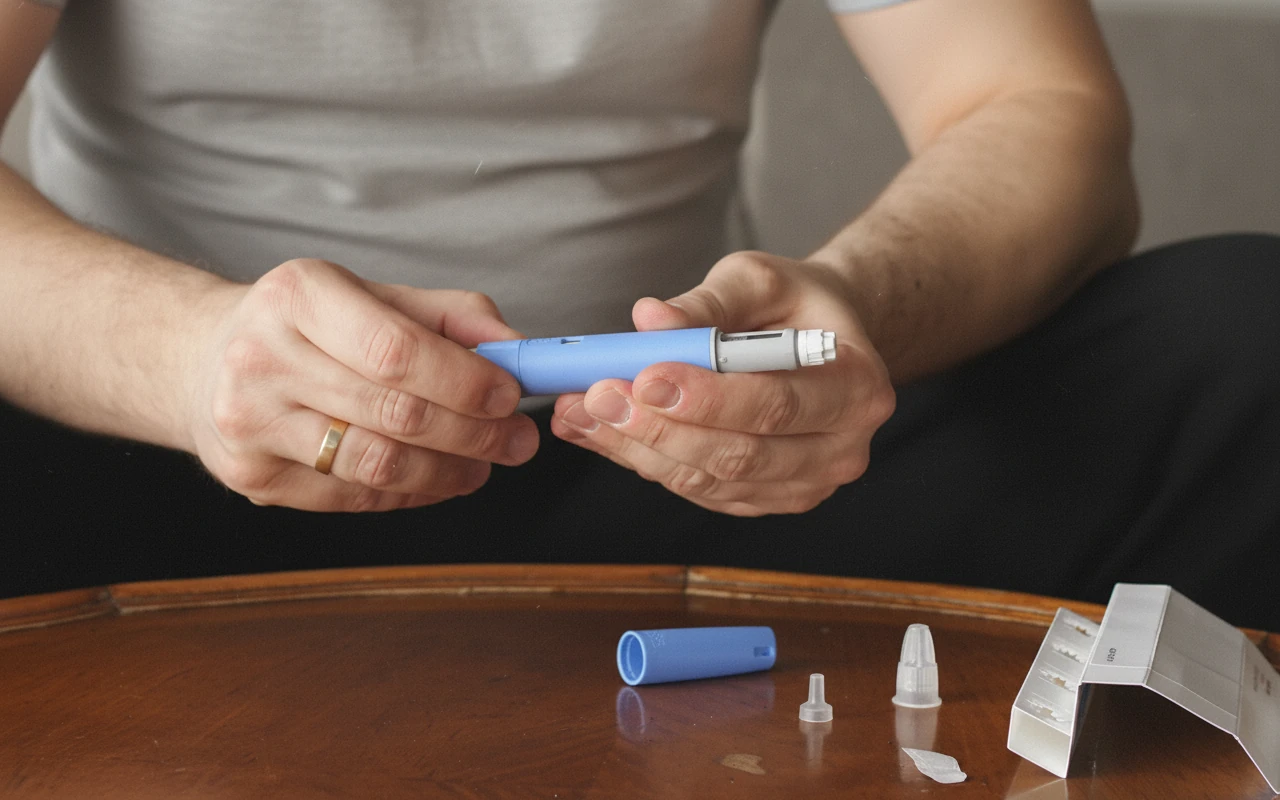
For individuals with diabetes requiring pharmacologic intervention, rapid-acting insulin provides prompt blood sugar lowering2327.
- Insulin helps glucose enter cells, reducing blood sugar quickly23.
- Proper timing and dosing are essential to avoid hypoglycemia17.
- Insulin therapy is often combined with lifestyle changes for optimal control6.
When to Seek Medical Help for High Blood Sugar & Diabetes Concerns
Early detection and management of abnormal blood sugar are vital to prevent serious complications34. Symptoms such as excessive urination, thirst, blurred vision, and fatigue warrant prompt medical evaluation28.
- Persistent high blood sugar (>240 mg/dL) may require ketone testing to rule out diabetic ketoacidosis (DKA)323.
- DKA is a life-threatening emergency characterized by high ketones and respiratory distress23.
- Regular monitoring of blood glucose and ketones helps guide treatment adjustments2328.
- Contact healthcare providers if blood sugar remains elevated despite lifestyle changes or medication1917.
Key Takeaways: Essential Tips for Blood Sugar Control
- Long-term blood sugar control relies on balanced carbohydrate intake, increased fiber, hydration, and consistent physical activity9124.
- Small, frequent meals and mindful snacking with protein and fiber help stabilize glucose levels1318.
- Rapid blood sugar reduction can be achieved through exercise, dietary choices like berries, and insulin when prescribed232419.
- Monitoring blood sugar regularly and recognizing symptoms of high glucose or ketoacidosis are essential for safety32328.
- Combining lifestyle interventions with medication provides the most effective approach to managing type 2 diabetes625.