The KP.3 variant of SARS-CoV-2 has rapidly increased in prevalence worldwide, becoming a dominant strain in many regions by mid-20241. This rise is linked to its enhanced ability to evade immune defenses and increased transmissibility, raising concerns about ongoing COVID-19 waves despite widespread vaccination2. Understanding KP.3’s characteristics, spread, symptoms, and vaccine protection is essential for public health efforts as the pandemic evolves.
KP.3 Variant Overview
KP.3 is classified by the World Health Organization (WHO) as a Variant Under Monitoring (VUM) as of May 20243. It belongs to the Omicron family and is a descendant of the JN.1 subvariant lineage, sharing many spike protein features with related variants such as KP.2 and LB.145. The variant contains key mutations in the receptor-binding domain (RBD) of the spike protein, notably F456L and Q493E, which work together to increase the virus’s binding affinity to the ACE2 receptor on human cells and enhance its ability to escape neutralizing antibodies64.
Structural analyses reveal that these mutations stabilize the spike protein and reduce antibody accessibility, contributing to KP.3’s increased transmissibility and immune evasion64. By early June 2024, KP.3 had overtaken KP.2 to become the dominant strain in several countries, including the United States, where it accounted for about 25% of COVID-19 cases by June 878. KP.3 and its sublineages, such as KP.3.1.1, continue to represent a significant proportion of sequenced cases globally59.
“The COVID-19 virus is chameleonic, and is characterized by its ability to mutate. However, every time the virus replicates, errors can occur in the genomic sequence.”
— Fabrizio Pregliasco, University of Milan10
KP.3 Transmission and Contagiousness
💡 Did You Know?
SARS‐CoV‐2 continues to evolve and circulate globally. In recent weeks, variants such as KP.2 and KP.3 have been rapidly increasing in many countries1.
KP.3’s rapid spread is largely due to mutations that improve viral fitness and immune escape. These mutations, including R346T, L455S, F456L, and Q493E, are recurrent in JN.1-derived subvariants and fine-tune the virus’s ability to evade neutralizing antibodies while maintaining or enhancing transmissibility411. For example, the effective reproductive number (a measure of contagiousness) of KP.3.1.1 in Spain was estimated to be approximately 1.2 times higher than that of its ancestor JN.1, indicating a clear transmission advantage9.
The variant’s enhanced ability to evade immunity is compounded by waning vaccine-induced and natural immunity in the population, creating a susceptible environment for KP.3 and its relatives to spread212. Wastewater surveillance and genomic sequencing have detected KP.3 and related FLiRT variants (KP.1, KP.2, KP.3) in multiple countries, confirming their widespread circulation1312.
- KP.3 and its subvariants have mutations that increase ACE2 receptor binding and reduce antibody neutralization64.
- The variant’s reproductive number is higher than previous Omicron subvariants, contributing to faster spread9.
- KP.3 emerged rapidly in wastewater surveillance before dominating clinical cases13.
- Waning immunity and low recent vaccination rates facilitate KP.3 transmission2.
- FLiRT variants, including KP.3, accounted for about 75% of new COVID-19 cases in the U.S. during summer 202412.
KP.3 Severity and Symptoms
Current evidence indicates that KP.3 does not cause more severe illness than other Omicron subvariants. Clinical studies have not found significant differences in disease severity or symptom profiles compared to previous variants144. KP.3 infections typically present with symptoms similar to those seen in earlier Omicron waves, often resembling a mild to moderate respiratory illness.
Common symptoms of KP.3 include fever, cough, fatigue, sore throat, congestion, headache, muscle aches, and sometimes loss of taste or smell, which has reappeared with this variant in some cases151012. Gastrointestinal symptoms such as nausea, vomiting, and diarrhea may also occur but are less common12. The duration of symptoms is generally short and comparable to other respiratory viruses, making it difficult to distinguish KP.3 infection without testing10.
People at higher risk for severe COVID-19—such as older adults, immunocompromised individuals, and those with underlying health conditions—remain vulnerable to complications from KP.3, underscoring the importance of vaccination and early treatment in these groups1012.
- KP.3 symptoms resemble typical COVID-19 symptoms: fever, cough, fatigue, and loss of taste or smell15.
- Symptoms are generally mild to moderate, similar to other Omicron subvariants1412.
- Loss of taste and smell, less common in recent variants, has reappeared with KP.310.
- Duration of illness is similar to other respiratory infections10.
- Severe disease risk remains highest in older adults and those with comorbidities12.
“KP.3 symptoms resemble typical COVID-19 symptoms, including fever, cough, fatigue, and loss of taste or smell.”
— C. Leilani Valdes, MD, MBA, FCAP15
Current COVID Case Trends
COVID-19 cases have shown a resurgence in 2024, driven in part by the emergence and spread of KP.3 and other JN.1-derived subvariants52. In the United States, KP.3 and its sublineages became dominant in the summer months, contributing to increased test positivity rates and higher numbers of emergency room visits, although hospitalizations and deaths remain relatively low compared to earlier pandemic peaks27.
This summer surge follows a winter wave dominated by JN.1 and its descendants, reflecting the virus’s ongoing evolution and the impact of waning immunity in the population513. Despite the rise in cases, the clinical severity of infections has not increased significantly, and deaths remain far below previous peaks2.
Public health surveillance continues to monitor variant proportions, with KP.3.1.1 currently the leading strain in the U.S., representing over half of sequenced viruses as of late 202416. Other variants such as XEC and MC.1, also descendants of JN.1, are increasing but have not yet surpassed KP.3.1.1 in prevalence16.
- KP.3 and related variants caused a summer 2024 surge in COVID-19 cases in the U.S.52.
- Hospitalizations and deaths remain lower than previous pandemic peaks2.
- KP.3.1.1 is the dominant variant in the U.S. as of late 2024, accounting for 54–60% of cases16.
- Other JN.1 descendants like XEC and MC.1 are rising but less prevalent16.
- Ongoing genomic surveillance is critical to track variant trends and public health impact175.
“The vaccines are still showing signatures of effectiveness, but they're not being utilized anywhere close to the level that they should be.”
— Andrew Pekosz, PhD, Johns Hopkins University12
Vaccine Effectiveness Against KP.3
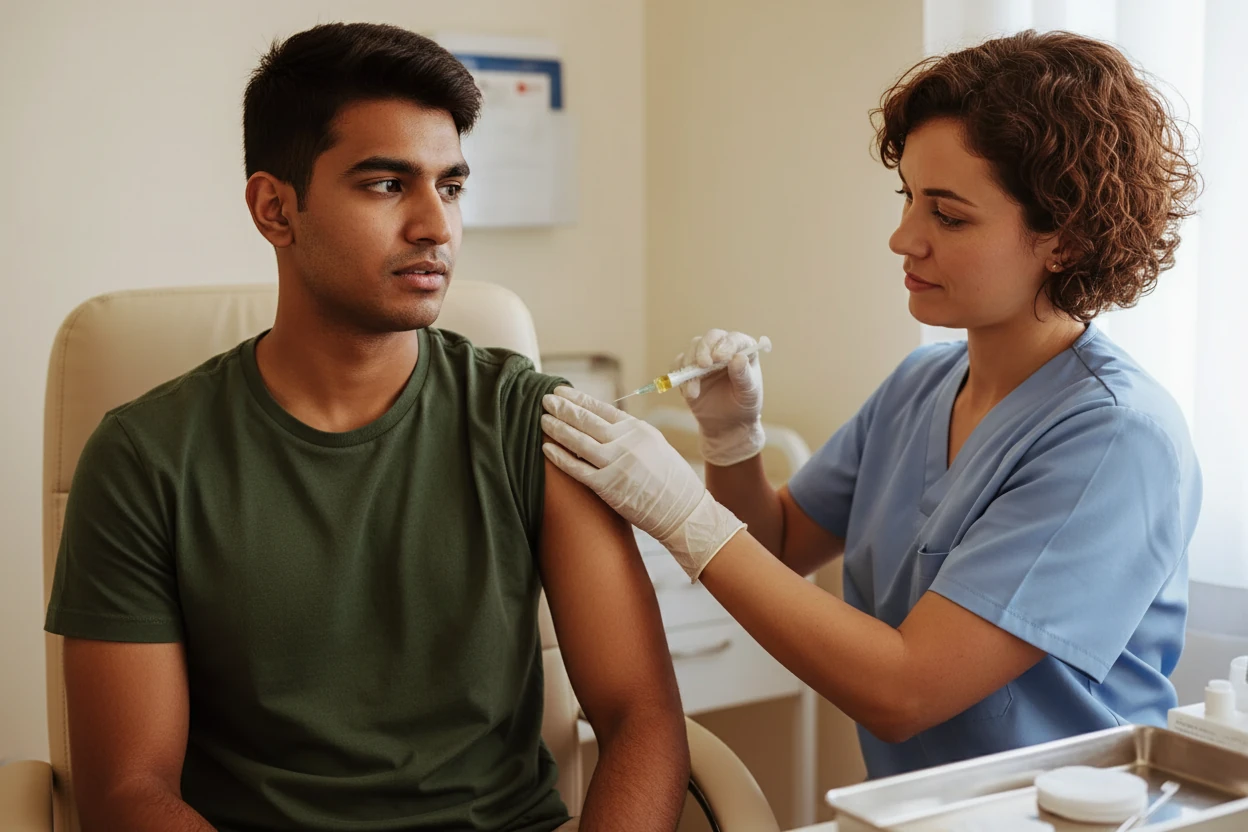
The COVID-19 vaccines recommended for the 2024–2025 season are based on the JN.1 variant, which shares many spike protein features with KP.3 and related subvariants1814. This design is expected to provide cross-protection against KP.3, although laboratory studies show that KP.3 exhibits increased antibody escape compared to earlier variants, reducing but not eliminating vaccine effectiveness319.
Updated vaccines aim to restore waning immunity, especially in high-risk populations, by inducing antibodies with some cross-reactivity to KP.3182. Neutralization studies confirm that recent booster doses improve protection, though breakthrough infections remain possible due to the variant’s immune evasion capabilities32.
“There’s very little difference among these variants [JN.1, KP.2, and KP.3], and that’s a good thing. However, all three of them have escaped immunity up to five to tenfold, compared to the XBB variant contained in last fall’s booster.”
— David Montefiori, PhD, Duke University School of Medicine2
The FDA authorized mRNA vaccines targeting KP.2, a close relative of KP.3, for the 2024–2025 season, with Novavax providing a JN.1-targeted protein-based vaccine option for those preferring non-mRNA technology182. Antiviral treatments remain effective against KP.3, as they target viral components less prone to mutation1312.
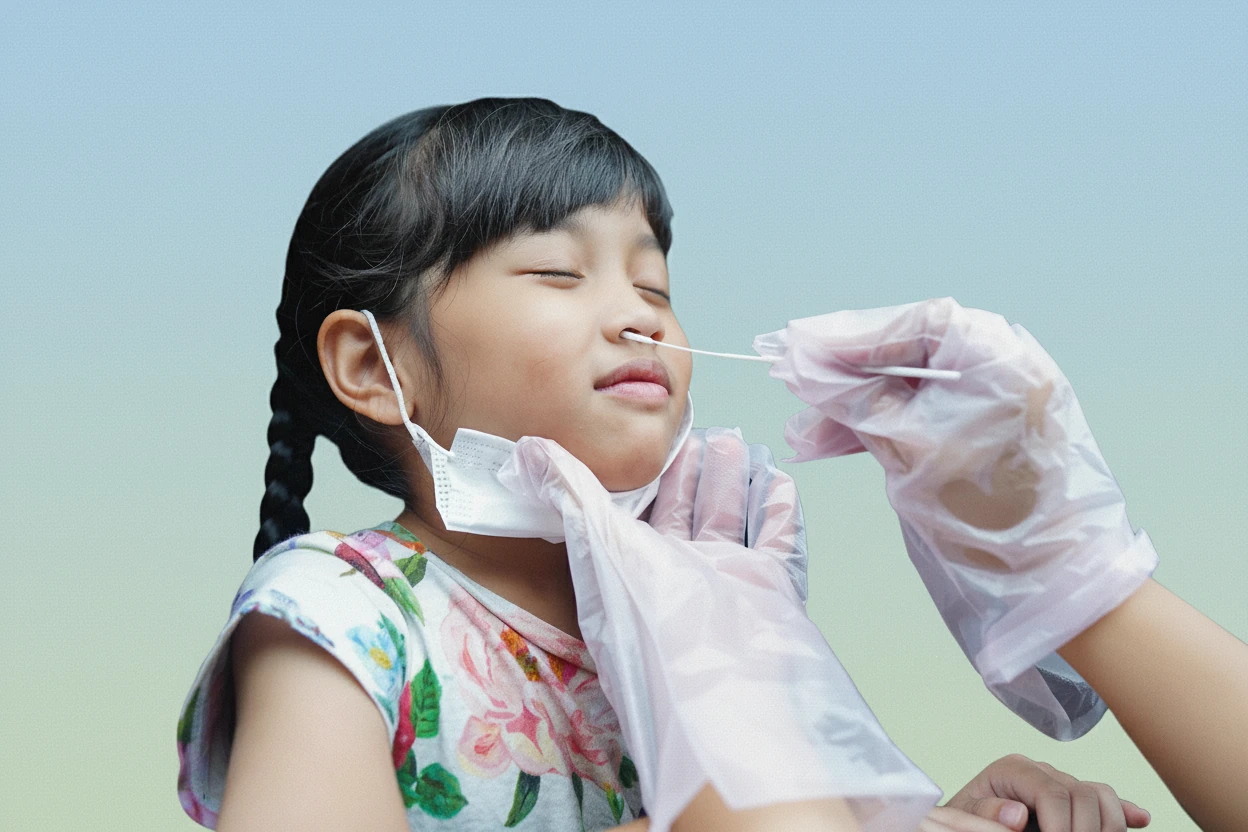
Prevention strategies recommended by health authorities include staying up to date with vaccinations, wearing masks in crowded or high-risk settings, practicing good hand hygiene, testing when symptomatic or exposed, and isolating when infected2012.
- 2024–2025 vaccines target JN.1 but provide cross-protection against KP.31814.
- KP.3 shows increased antibody escape but vaccines still induce cross-reactive antibodies319.
- Booster doses improve immunity and reduce severe disease risk182.
- FDA authorized KP.2-targeted mRNA vaccines and JN.1-targeted Novavax vaccine182.
- Prevention includes vaccination, masking, hand hygiene, testing, and isolation2012.