Jaundice is a condition marked by the yellowing of the skin, eyes, and mucous membranes due to elevated bilirubin levels in the blood. It affects people of all ages but is especially common in newborns, with about 80% of preterm and over 50% of term infants experiencing it in the first week of life12. The presence of jaundice signals an underlying problem in bilirubin metabolism or excretion, often related to liver function, blood disorders, or bile duct obstruction34.
Understanding the Different Types of Jaundice (Icterus)
Jaundice is classified based on where the defect in bilirubin metabolism occurs. The four main types are pre-hepatic, hepatic, post-hepatic, and neonatal jaundice325.
Pre-Hepatic Jaundice
Pre-hepatic jaundice arises from excessive production of bilirubin before it reaches the liver. This usually results from increased breakdown of red blood cells (hemolysis), which overwhelms the liver’s ability to conjugate bilirubin35. The bilirubin in this type is mostly unconjugated (indirect), which is not water-soluble and cannot be excreted in urine.
Hepatic Jaundice
Hepatic jaundice occurs due to impaired liver function affecting bilirubin metabolism. Liver cells (hepatocytes) lose their ability to conjugate and excrete bilirubin properly. This type often presents a mixed pattern of both unconjugated and conjugated bilirubin in the blood35. Common causes include viral hepatitis and alcoholic liver disease3.
Post-Hepatic Jaundice
Post-hepatic jaundice, also called obstructive jaundice, results from blockage of bile ducts that prevents conjugated bilirubin from being excreted into the intestines. The bilirubin accumulates in the blood, leading to conjugated hyperbilirubinemia35. Causes include gallstones, bile duct inflammation, and tumors obstructing bile flow3.
Neonatal Jaundice
Neonatal jaundice is due to the immature liver’s inability to process bilirubin efficiently. It is the most common morbidity in the neonatal period, affecting about 80% of preterm and over 50% of term infants during their first week of life12. The newborn’s liver has limited capacity to conjugate bilirubin, leading to its buildup.
Key Jaundice Signs & Symptoms: What to Look For
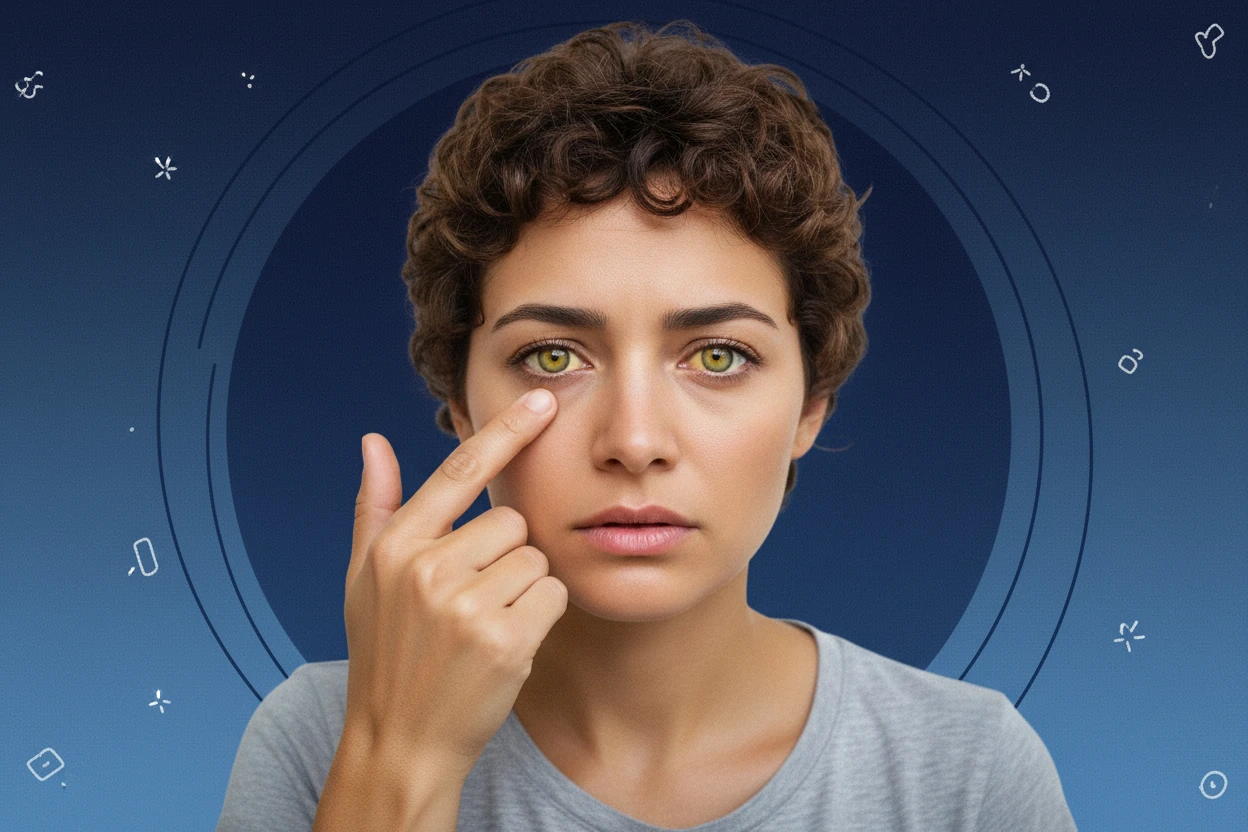
Jaundice is primarily recognized by yellow discoloration of the skin, sclera (whites of the eyes), tongue, and oral mucosa65. Additional symptoms vary depending on the underlying cause and type of jaundice.
- Yellowing of the skin and eyes is the hallmark sign65.
- Itchy skin (pruritus) often occurs due to bile salt accumulation6.
- Dark urine results from conjugated bilirubin being excreted via the kidneys65.
- Pale stools may be seen in obstructive jaundice due to lack of bile pigments in the intestines5.
- In hemolytic anemia, pallor and weakness may accompany jaundice6.
- Jaundice may be asymptomatic or accompanied by abdominal discomfort, anorexia, and nausea6.
- In individuals with darker skin tones, jaundice may be harder to detect visually; examination of the sclera and oral mucosa is important6.
Symptoms of Jaundice in Babies
In newborns, jaundice typically presents as yellowing starting on the face and moving downwards to the trunk and limbs2. Neonatal jaundice may be accompanied by poor feeding, lethargy, or irritability, although many infants show no other symptoms72. Prompt recognition is crucial to prevent complications like kernicterus.
Common Causes of Jaundice: Liver Disease, Gallstones & More
The causes of jaundice are categorized by the site of bilirubin metabolism defect: pre-hepatic, hepatic, or post-hepatic38.
Pre-Hepatic Causes
Pre-hepatic jaundice results from excessive bilirubin production, mainly due to hemolysis38.
- Hemolytic anemia, where red blood cells are destroyed prematurely3.
- Autoimmune hemolytic anemia3.
- Infections such as malaria causing red cell destruction3.
- Inherited conditions like sickle cell disease and thalassemia3.
- Resorption of large hematomas (bruises)4.
Hepatic Causes
Hepatic jaundice is due to liver dysfunction affecting bilirubin conjugation and excretion38.
- Viral hepatitis (A, B, C)39.
- Alcoholic liver disease including steatosis, hepatitis, and cirrhosis39.
- Drug-induced liver injury from medications such as penicillin, chlorpromazine, and steroids34.
- Autoimmune hepatitis and primary biliary cirrhosis3.
- Genetic disorders like Gilbert syndrome, Crigler-Najjar syndrome, and Wilson disease38.
- Nonalcoholic steatohepatitis (NASH)9.
- Sepsis and hypoperfusion states3.
Post-Hepatic Causes
Post-hepatic jaundice arises from obstruction of bile flow38.
- Gallstones blocking the bile ducts (choledocholithiasis)39.
- Biliary strictures and inflammation (cholangitis)3.
- Biliary tract cancers such as cholangiocarcinoma and gallbladder carcinoma39.
- Pancreatic tumors compressing bile ducts109.
- Parasitic infections like liver flukes3.
- Post-surgical complications causing bile duct obstruction3.
Diagnosing Jaundice: Tests & Clinical Evaluation
Diagnosis begins with a thorough history and physical examination to identify risk factors, symptoms, and signs of liver disease69. Laboratory tests and imaging studies help determine the cause and severity.
- Blood tests assess total and fractionated bilirubin, liver enzymes (AST, ALT), alkaline phosphatase, gamma-glutamyltransferase (GGT), prothrombin time, albumin, and complete blood count69.
- Fractionated bilirubin differentiates conjugated from unconjugated hyperbilirubinemia9.
- Elevated AST and ALT suggest hepatocellular injury; high alkaline phosphatase and GGT indicate cholestasis or bile duct obstruction9.
- Prothrombin time and albumin assess liver synthetic function9.
- Additional tests may include viral hepatitis serologies, autoimmune markers, and genetic tests9.
- Imaging with abdominal ultrasound is the first-line to detect bile duct obstruction or liver abnormalities69.
- Magnetic resonance cholangiopancreatography (MRCP) and endoscopic retrograde cholangiopancreatography (ERCP) visualize the biliary tree and may allow therapeutic intervention69.
- Liver biopsy is reserved for unclear cases after non-invasive testing69.
Jaundice Treatment Options: Addressing Underlying Causes
Treatment targets the underlying cause of bilirubin elevation611.
- Hemolytic anemia may require immunosuppressants or treatment of infections3.
- Viral hepatitis treatment depends on the specific virus and may include antiviral medications9.
- Obstructive jaundice often requires removal of bile duct obstruction via ERCP or surgery65.
- Symptomatic treatment for pruritus includes antihistamines and bile acid sequestrants like cholestyramine612.
- Severe liver disease may necessitate liver transplantation13.
- Supportive care includes managing coagulopathy with vitamin K or fresh frozen plasma and treating hypoglycemia5.
- In neonatal jaundice, phototherapy is commonly used to reduce bilirubin levels7.
Jaundice Prevention Tips: Lifestyle & Health Management
Preventive measures focus on reducing risk factors for liver disease and infections3.
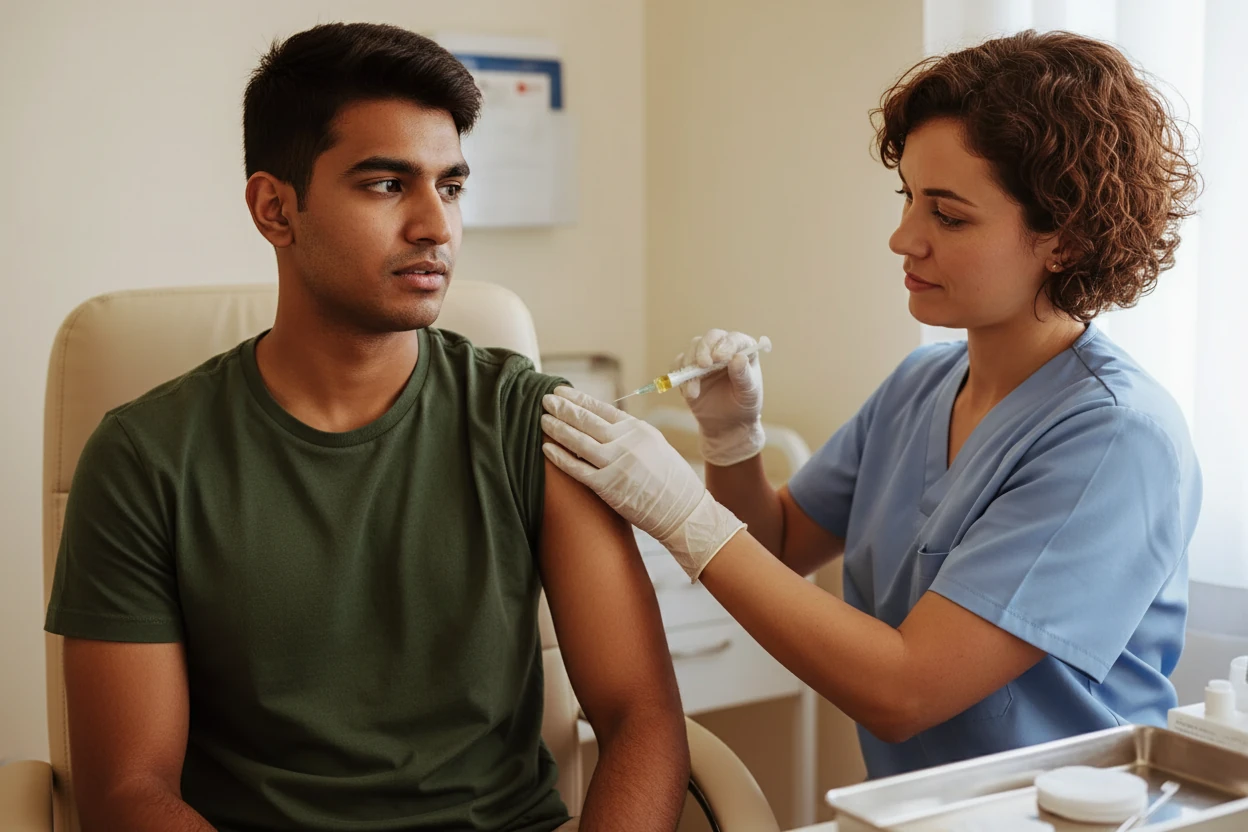
- Vaccination against hepatitis viruses3.
- Practicing good hand hygiene to prevent infectious causes3.
- Avoiding sharing needles and personal items3.
- Safe sex practices to reduce hepatitis transmission3.
- Limiting alcohol consumption to prevent alcoholic liver disease3.
- Maintaining a healthy weight and diet to reduce gallstones and fatty liver disease3.
- Avoiding unregulated herbal supplements that may harm the liver14.
Inherited conditions like Gilbert syndrome and Crigler-Najjar syndrome are not preventable3.
Potential Complications of Untreated Jaundice
If untreated, jaundice can lead to serious complications depending on the cause3.
- Cirrhosis and liver failure from chronic liver diseases3.
- Liver cancer in cases of chronic hepatitis or cirrhosis3.
- Infections, pancreatitis, and sepsis due to bile duct obstruction3.
- Kernicterus, a rare but severe brain damage caused by high bilirubin levels in newborns38.
- Coagulopathy and hepatic encephalopathy in advanced liver disease5.
Prompt diagnosis and treatment are essential to prevent these outcomes.
Frequently Asked Questions About Jaundice (Icterus)
What causes jaundice?
Jaundice results from increased bilirubin production, impaired liver processing, or bile duct obstruction. Common causes include hemolytic anemia, liver diseases like hepatitis, and gallstones39.
How is jaundice diagnosed?
Diagnosis involves clinical examination, blood tests to measure bilirubin and liver enzymes, and imaging studies like ultrasound or MRCP to detect obstruction69.
Can jaundice be treated?
Yes, treatment depends on the cause. For example, infections are treated with medications, obstructions may require surgery, and supportive care can relieve symptoms like itching611.
Is jaundice dangerous?
Jaundice itself is a sign of an underlying problem. If untreated, it can lead to serious complications such as liver failure or brain damage in newborns (kernicterus)38.
How can jaundice be prevented?
Prevention includes hepatitis vaccination, safe sex, avoiding needle sharing, limiting alcohol, and maintaining a healthy lifestyle3.