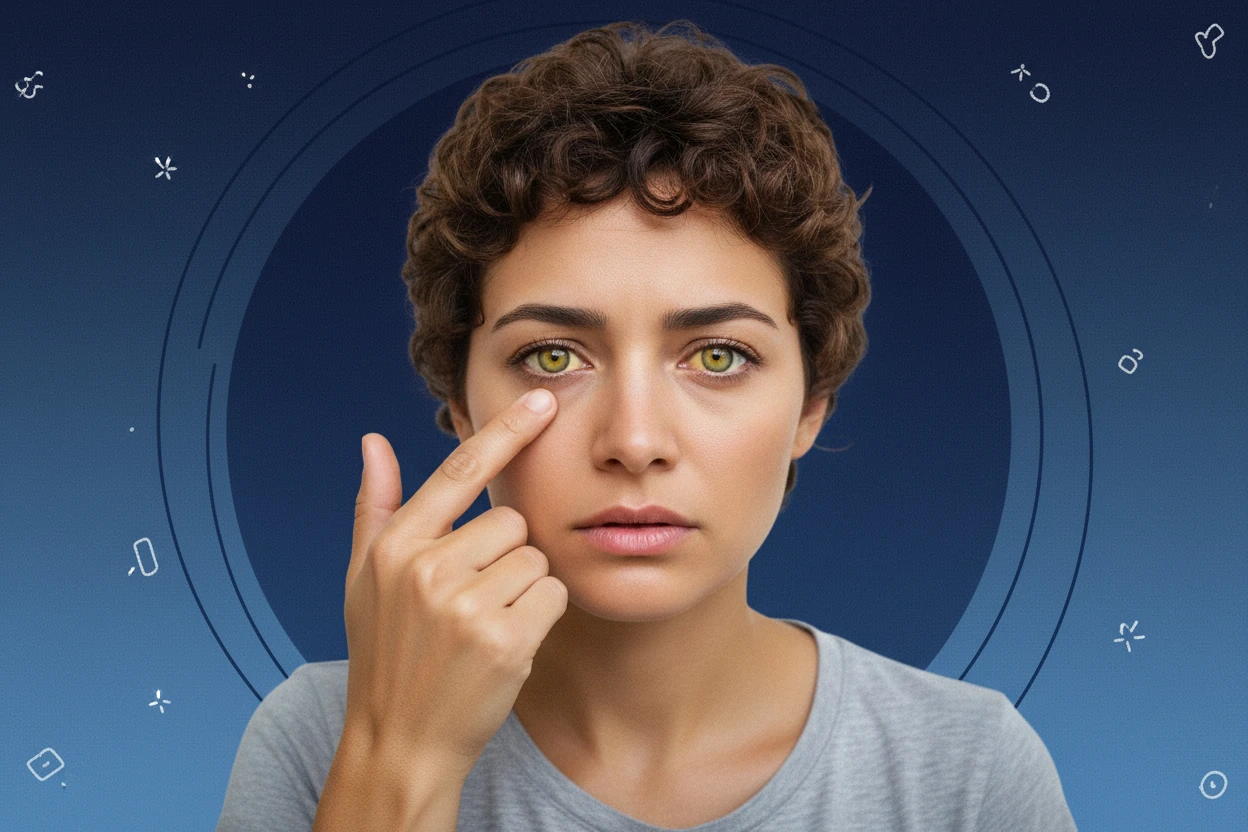
Itchy skin, medically known as pruritus, affects a large portion of the population at some point in their lives1. This uncomfortable sensation can range from mild irritation to severe distress, significantly impacting quality of life, especially when persistent2. Causes of itchiness are diverse, including dry skin, skin diseases, systemic illnesses, nerve disorders, and reactions to medications3. Understanding common triggers and their management is essential for effective relief and prevention.
Dry Skin (Xerosis)
Dry skin, or xerosis, is one of the most frequent causes of pruritus and typically presents without a rash4. It occurs when the skin loses too much moisture, resulting in rough, flaky patches that may itch5. This condition is more common in older adults due to the natural decline in skin oil production and elasticity6. Environmental factors such as cold weather, low humidity in winter, and frequent washing with harsh soaps exacerbate dryness47.
Xerosis manifests as rough, flaky skin without primary inflammatory lesions like redness or bumps7. While many patients experience itchiness, some may remain asymptomatic4. Management focuses on restoring skin hydration and protecting the skin barrier. Key strategies include:
- Regular application of emollients multiple times daily to seal in moisture7.
- Taking short, lukewarm showers instead of hot, prolonged baths to prevent further dryness4.
- Using mild, fragrance-free cleansers and avoiding irritants such as alcohol-based hand sanitizers6.
- Employing humidifiers in dry indoor environments, especially during winter months5.
- Avoiding excessive washing and abrasive scrubbing of the skin5.
If moisturizers alone are insufficient, mild topical corticosteroids may be prescribed to reduce inflammation7. Persistent xerosis with pruritus warrants evaluation by a healthcare provider to rule out underlying conditions4.
“When there is a weakness in the skin barrier, your skin can lose water, causing dry skin and accompanying symptoms of discomfort, itchiness, flaking and discoloration.”
— Walter J. Liszewski, MD6
Atopic Dermatitis (Eczema)
Atopic dermatitis is the most common type of eczema worldwide and a significant cause of chronic itch8. It is a chronic inflammatory skin condition characterized by erythematous (red), xerotic (dry), and inflamed skin, often with vesicles and oozing lesions during acute flares8. The disease commonly affects flexural areas such as the wrists, ankles, and behind the knees and elbows3.
The hallmark of atopic dermatitis is the itch-scratch cycle, where scratching worsens skin inflammation and pruritus3. Patients often have a personal or family history of allergic conditions like asthma or allergic rhinitis3. Management centers on consistent skin hydration and avoiding triggers:
- Liberal use of emollients to maintain skin moisture8.
- Avoidance of irritants such as fragrances, harsh soaps, and rough fabrics8.
- Environmental triggers like heat and sweating should be minimized8.
- Topical corticosteroids remain a mainstay for controlling inflammation8.
- Recent advances include biologic therapies targeting immune pathways for moderate to severe cases8.
Effective management reduces flare-ups, eases symptoms, and prevents secondary infections8.
Allergic Contact Dermatitis
Allergic contact dermatitis is a localized, pruritic eczema caused by delayed hypersensitivity reactions to allergens such as metals, fragrances, and chemicals9. It typically appears at sites of allergen exposure and manifests with erythema, vesicles, edema, and intense itching9. The reaction usually develops 48 to 72 hours after contact and may worsen with repeated exposure9.
Common allergens include nickel in jewelry and clothing fasteners, fragrances in cosmetics, and chemicals in detergents10. Sensitization can develop over time, causing allergic reactions to substances previously tolerated9. Diagnosis often involves patch testing to identify specific allergens9.
Management includes:
- Avoidance of identified allergens9.
- Use of emollients and low-potency topical corticosteroids for mild cases9.
- Medical evaluation and possible systemic therapy for severe or widespread dermatitis9.
Poison Ivy Rash
Poison ivy rash results from contact with urushiol, an oily resin found in poison ivy and related plants4. Urushiol triggers a delayed hypersensitivity reaction, leading to a pruritic rash characterized by linear vesicular eruptions and erythematous plaques that develop 1 to 3 days after exposure4. Burning poison ivy can release urushiol in smoke, causing severe respiratory irritation and chemical pneumonitis if inhaled4.
Avoiding contact with poison ivy and promptly washing exposed skin can reduce severity. Treatment focuses on symptom relief:
- Topical corticosteroids to reduce inflammation.
- Cool compresses and calamine lotion for itch relief.
- Medical attention if respiratory symptoms develop4.
Psoriasis and Itching
Psoriasis is a chronic immune-mediated skin disease marked by well-demarcated erythematous plaques with silvery scales11. It commonly affects extensor surfaces, the scalp, and sometimes the face11. The underlying mechanism involves keratinocyte hyperproliferation driven by immune dysregulation11.
Pruritus is a frequent symptom in psoriasis and can extend beyond visible plaques11. Management depends on disease severity and includes:
- Topical corticosteroids for localized plaques.
- Emollients to maintain skin moisture and reduce itch11.
- Systemic therapies and biologics for extensive or refractory disease11.
Medication Side Effects
Pruritus is a recognized adverse reaction to various medications and can present with or without rash12. Hypersensitivity reactions often cause pruritic rashes, while some drugs induce itch through other mechanisms12. Common offending agents include nonsteroidal anti-inflammatory drugs (NSAIDs), antibiotics, anticonvulsants, and psychotropic medications12.
Management involves:
- Medical consultation to identify the causative medication12.
- Avoiding or adjusting medications only under medical supervision12.
- Symptomatic treatment with antihistamines and emollients to alleviate itch12.
Kidney Disease and Itch
Uremic pruritus is a common complication of chronic kidney disease (CKD), especially in patients undergoing dialysis13. It typically causes generalized itching that worsens at night13. The pathogenesis involves accumulation of pruritogenic metabolites and uremic toxins due to impaired renal clearance13.
Prevalence among dialysis patients ranges from 20% to 50%13. Management strategies include:
- Optimizing dialysis efficiency13.
- Correcting metabolic disturbances13.
- Symptomatic treatments such as emollients and antihistamines13.
Liver Disease and Itching
Cholestatic pruritus occurs in liver diseases that impair bile flow, leading to accumulation of pruritogens in the skin13. It is frequently reported in chronic hepatitis C, drug-induced liver injury, and obstructive jaundice from tumors13. The itch may be generalized or localized, often affecting the palms and soles, and tends to worsen at night or with stress13.
Hormonal fluctuations and circadian rhythms influence itch severity13. Treatment options include:
- Topical emollients for skin hydration13.
- Bile acid sequestrants and rifampicin to reduce pruritogens13.
Diabetes and Skin Itch
Diabetes mellitus is associated with xerosis and pruritus due to hyperglycemia-induced skin changes4. Diabetic patients are more susceptible to superficial fungal infections, which cause localized itching4. Diabetic pruritus is often localized rather than generalized4.
Management focuses on:
- Gentle skin care regimens emphasizing cleansing and moisturization4.
- Regular use of emollients to maintain skin hydration4.
- Medical consultation for worsening symptoms or infections4.
Shingles (Herpes Zoster)
Shingles results from reactivation of the varicella-zoster virus, causing painful vesicular eruptions along a dermatome4. Postherpetic itch may persist after the acute rash resolves due to nerve damage4. This neuropathic itch can last months or years and requires specialized symptomatic management4.
Antiviral treatment reduces the severity of acute shingles prevention and risk reduction but does not cure the latent virus4. Topical agents should be avoided on open vesicles to prevent secondary infection4. Medical advice is essential for managing postherpetic symptoms4.
Multiple Sclerosis Neuropathic Itch
Multiple sclerosis (MS) is an immune-mediated demyelinating disease of the central nervous system with a female predominance14. Neuropathic itch and paresthesias are recognized symptoms of MS and other neurological disorders14. This type of itch arises from nerve damage rather than skin inflammation14.
Symptomatic therapies include pharmacologic and non-pharmacologic approaches to alleviate neuropathic itch14.
Cancer-Related Itching
Paraneoplastic pruritus is a rare but important symptom associated with hematologic malignancies such as polycythemia vera and Sézary syndrome, as well as solid tumors causing cholestasis1516. Itching may precede other symptoms and is often refractory to treatment1516. Cancer therapies can also induce pruritus as an adverse effect1516.
Early recognition and management improve patient quality of life1516. Polycythemia vera features aquagenic pruritus, a hallmark symptom16. Sézary syndrome is a cutaneous T-cell lymphoma characterized by erythroderma and intense pruritus16. Obstructive jaundice from pancreatic tumors can cause cholestatic pruritus16.
Summary and Key Takeaways
Itchy skin (pruritus) is a multifactorial symptom with dermatologic, systemic, neurologic, and psychogenic origins174. Effective management requires accurate diagnosis and tailored therapy. While topical treatments suffice for many cases, systemic or specialized interventions may be necessary for underlying diseases43.
Key points include:
- Dry skin is the most common cause of itch and responds well to moisturization and skin barrier protection46.
- Atopic dermatitis and allergic contact dermatitis involve immune-mediated skin inflammation requiring avoidance of triggers and topical corticosteroids89.
- Systemic diseases like kidney and liver failure, diabetes, and cancer can cause generalized pruritus without primary skin lesions1315.
- Neuropathic itch arises from nerve damage in conditions such as shingles and multiple sclerosis414.
- Medication side effects are a common but often overlooked cause of pruritus12.
- Early medical evaluation is essential for persistent, severe, or unexplained itch to identify and treat underlying causes3.