Insulin is a vital hormone that regulates blood sugar levels and energy use in the body1. It plays a crucial role in managing diabetesdiabetesdiabetes-managementdiabetes-managementdiabetes, a condition where the body cannot produce enough insulin or use it effectively2. Various types of insulin and delivery methods exist to tailor treatment to individual needs and improve blood sugar control34.
Insulin Purpose and Function
Insulin is a polypeptide hormone secreted by the pancreatic β-cells in response to rising blood glucose, especially after meals5. Its primary function is to promote glucose uptake into muscle, liver, and adipose tissue for energy use or storage, maintaining glucose homeostasis6. When blood glucose levels increase, insulin secretion rises to facilitate glucose entry into cells6. Conversely, insulin secretion decreases as blood glucose falls, preventing hypoglycemia7.
The secretion of insulin is tightly regulated by intracellular signaling pathways involving calcium and cyclic AMP (cAMP)89. Insulin acts on classical target tissues to promote glucose storage and utilization, thus preventing hyperglycemia107. Failure to produce or respond to insulin leads to elevated blood glucose, the hallmark of diabetes mellitus7. Insulin resistance and β-cell dysfunction are central to the development of type 2 diabetes115.
💡 Did You Know?
Insulin helps your body turn food into energy and manages your blood sugar levels by allowing glucose to enter cells where it is used as fuel1.
Reasons for Insulin Therapy
Insulin therapy becomes necessary when the body’s endogenous insulin production is insufficient to maintain glycemic control4. This insufficiency occurs in several conditions:
- Type 1 diabetes results from autoimmune destruction of pancreatic β-cells, causing absolute insulin deficiency and requiring lifelong insulin replacement11.
- Type 2 diabetes is characterized by insulin resistance in muscle, liver, and adipose tissue combined with progressive β-cell dysfunction, leading to relative insulin deficiency115.
- Gestational diabetes arises during pregnancy due to insulin resistance and may require insulin therapy if lifestyle changes are inadequate10.
- Insulin resistance is linked to ectopic lipid accumulation and inflammatory pathways, initially causing compensatory hyperinsulinemia, but eventual β-cell exhaustion leads to insulin deficiency and hyperglycemia121311.
Insulin therapy is a cornerstone treatment for type 1 diabetes and is often required in advanced type 2 diabetes when oral medications fail to maintain blood glucose targets4.
Insulin therapy is essential when endogenous insulin is insufficient to maintain glycemic control4.
Common Insulin Types
Insulin types differ based on their onset, peak, and duration of action, allowing for tailored treatment regimens3. The main categories include:
| Insulin Type | Onset | Peak Time | Duration | Typical Use |
|---|---|---|---|---|
| Rapid-acting | 10–20 minutes3 | 1–2 hours14 | 3–5 hours3 | Before meals to control postprandial glucose15 |
| Short-acting (Regular) | 30–60 minutes3 | 2–4 hours14 | 5–8 hours3 | 30–45 minutes before meals15 |
| Intermediate-acting (NPH) | 1.5–4 hours3 | 4–12 hours16 | 12–18 hours3 | Basal coverage15 |
| Long-acting | 1–2 hours3 | No pronounced peak3 | Up to 24 hours3 | Steady basal insulin3 |
| Ultra-long-acting | 6 hours3 | No peak3 | >36 hours3 | Extended basal coverage3 |
| Premixed | 5–60 minutes2 | Varies2 | 10–16 hours2 | Convenience for combined coverage |
| Inhaled (Rapid-acting) | 12–15 minutes17 | 30 minutes17 | ~3 hours17 | At start of meals, with basal insulin4 |
| Sources:23414151617 | ||||
Rapid-acting insulins, including inhaled forms like Afrezza, are used to control blood sugar spikes after meals17. Long-acting and ultra-long-acting insulins provide basal insulin levels without peaks, mimicking the body's natural insulin secretion between meals3.
💡 Did You Know?
Premixed insulin combines intermediate- and short-acting insulins and is useful for people who have difficulty managing multiple injections2.
Insulin Administration Methods
Insulin can be administered via several methods, each with advantages and considerations:
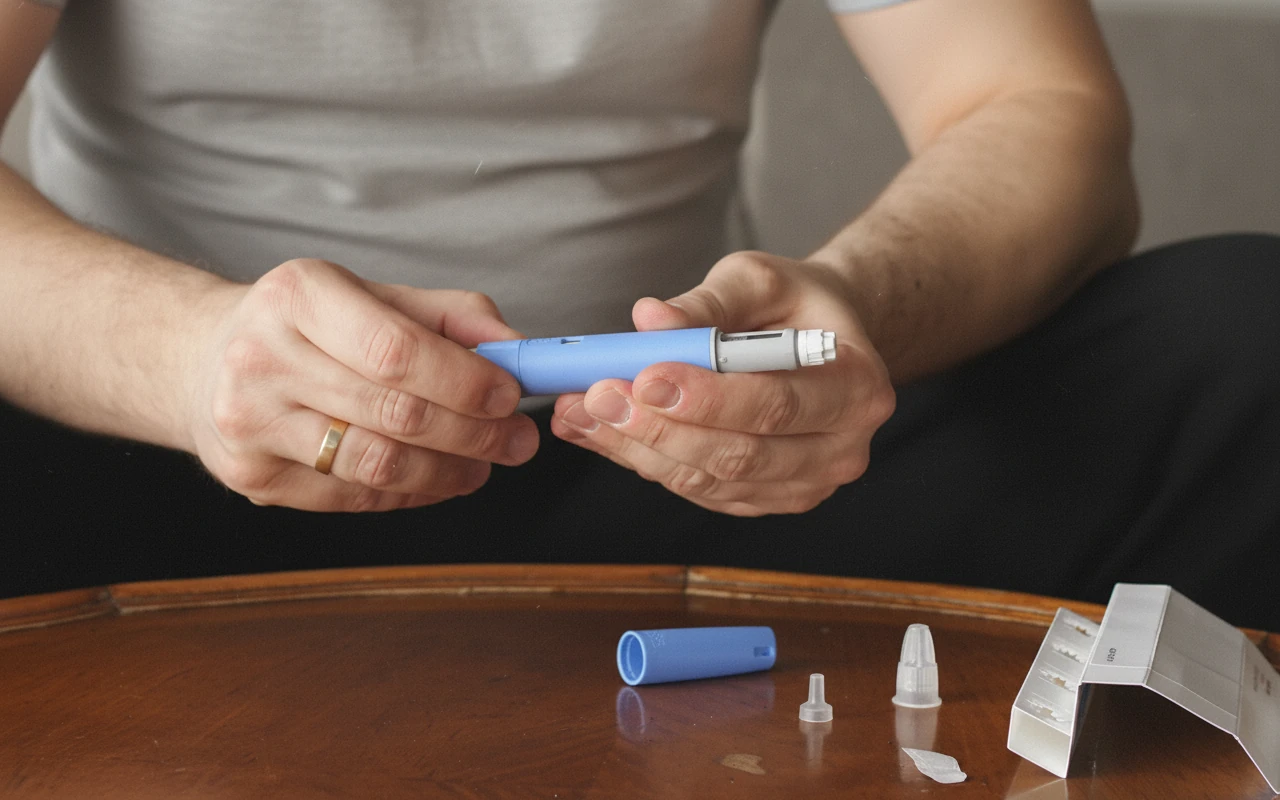
- Subcutaneous injections using syringes or insulin pens deposit insulin into the fatty layer under the skin for absorption4.
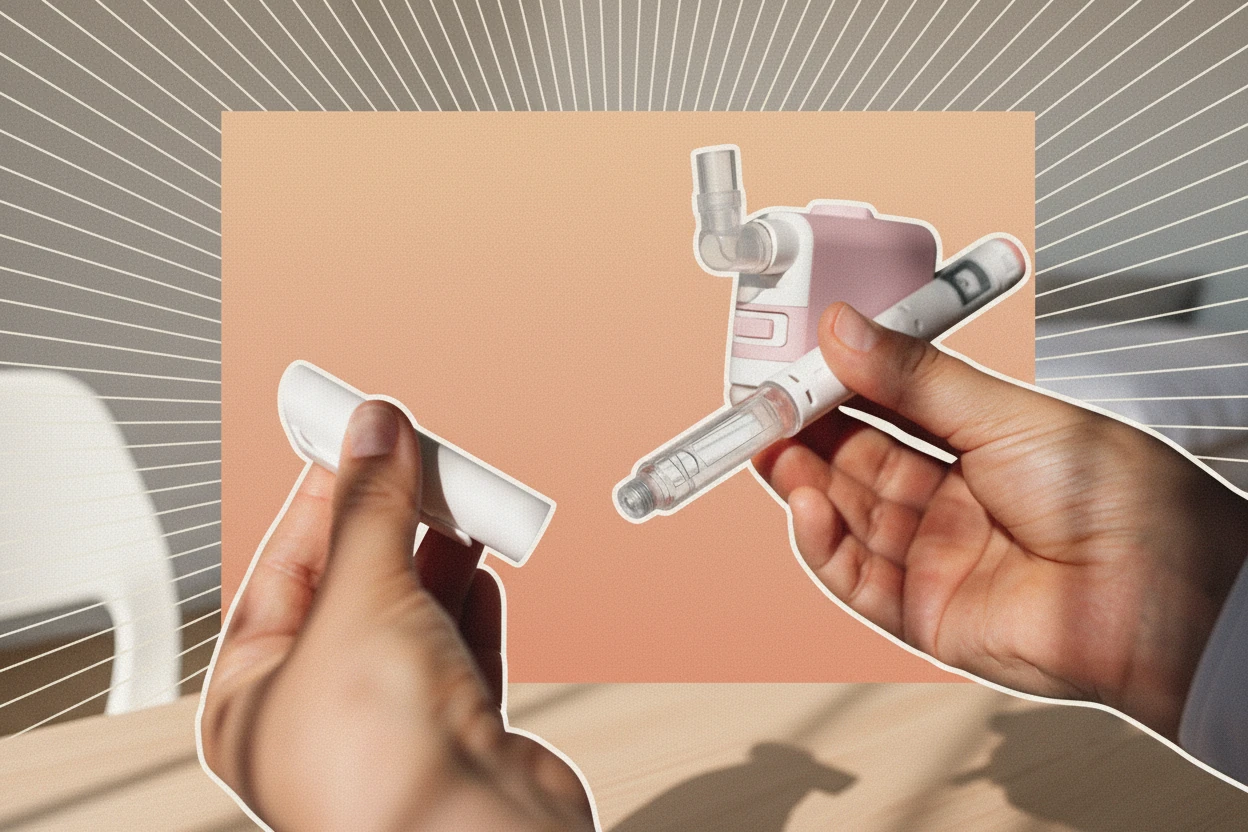
- Insulin pens are convenient, accurate, and often preferred for ease of use; they come as prefilled or reusable devices with replaceable cartridges15.
- Insulin pumps provide continuous subcutaneous insulin infusion, delivering basal rates of rapid-acting insulin and boluses at mealtime, improving glycemic control and lifestyle flexibility15.
- Inhaled insulin is a rapid-acting form delivered through an oral inhaler, used at the start of meals and requiring supplemental basal insulin injections415.
Injection sites include the abdomen, thighs, upper arms, and buttocks, with absorption rates varying by location18. Rotating injection sites within the same general area helps prevent skin complications such as lumps or fatty deposits19.
- Wash hands and prepare insulin and supplies18.
- Select and clean the injection site, avoiding scars or inflamed areas18.
- Pinch the skin and insert the needle at a 45° or 90° angle depending on skin thickness18.
- Inject insulin slowly and hold the needle in place for 5 seconds before withdrawal18.
- Dispose of needles safely and never reuse them18.
Insulin pumps deliver basal rates of rapid-acting insulin continuously and boluses at mealtime, improving glycemic control and flexibility4.
Insulin Side Effects
The most common and serious side effect of insulin therapy is hypoglycemia, which occurs when insulin levels exceed glucose availability4. Symptoms range from mild autonomic signs such as sweating and tremors to severe neuroglycopenia including confusion, seizures, or coma4. Prompt treatment with glucose or glucagon is critical4.
💡 Did You Know?
Regular blood glucose monitoring and healthcare provider engagement are critical to avoid complications from hypo- or hyperglycemia4.
Other potential side effects include:
- Local skin reactions such as pain, burning, or allergic responses at injection sites2.
- Lipohypertrophy (fatty lumps) or lipoatrophy (skin indentations) from repeated injections at the same site, which can impair insulin absorption2.
- Rarely, development of insulin antibodies that interfere with insulin action, requiring higher doses2.
Proper injection technique and site rotation reduce the risk of skin complications and improve insulin effectiveness19.
When to Seek Medical Care
Patients should contact their healthcare provider if they experience:
- Severe hypoglycemia symptoms such as loss of consciousness, seizures, or inability to self-treat4.
- Persistent hyperglycemia symptoms like excessive thirst, frequent urination, or unexplained weight loss despite treatment4.
- Signs of diabetic ketoacidosis (DKA), including nausea, vomiting, abdominal pain, rapid breathing, and fruity breath odor, which is a medical emergency4.
- Frequent or unexplained fluctuations in blood glucose levels that complicate insulin dosing19.
Early communication with healthcare providers allows timely adjustment of insulin regimens to prevent complications4.
Hypoglycemia is the most common side effect of insulin therapy and can be life-threatening if untreated. Recognizing early symptoms like sweating and shaking and treating promptly with glucose or glucagon can prevent severe outcomes4.
Key Takeaways
- Insulin is essential for regulating blood glucose by promoting glucose uptake and storage in target tissues5.
- Insulin therapy is required in type 1 diabetes and often necessary in advanced type 2 diabetes or gestational diabetes114.
- Different insulin types vary by onset, peak, and duration, allowing personalized treatment plans3.
- Insulin can be administered via injections, pens, pumps, or inhalers, each with specific benefits and considerations415.
- Hypoglycemia is a serious risk of insulin therapy; patients must recognize symptoms and seek prompt treatment or medical care4.