diabetesdiabetesdiabetes-managementdiabetes-managementDiabetes affects over 500 million people worldwide, with type 2 diabetes accounting for 90-95% of cases12. Insulin therapy is essential for managing blood sugar levels, especially in type 1 diabetes and many cases of type 2 diabetes when oral medications are insufficient12. Different types of insulin vary in how quickly they work and how long their effects last, allowing healthcare providers to tailor treatment to individual needs34. Advances in insulin formulations and delivery methods continue to improve glycemic control and reduce the risk of complications56.
The Role of Insulin in Your Body
Insulin is a hormone produced by the pancreas that helps regulate blood glucose by facilitating its uptake into cells for energy use or storage78. When insulin production or action is insufficient, as in diabetes mellitus, chronic high blood sugar (hyperglycemia) results, increasing the risk of acute complications like diabetic ketoacidosis and long-term vascular damage28. People with type 1 diabetes require lifelong insulin therapy due to autoimmune destruction of pancreatic beta cells, while many with type 2 diabetes eventually need insulin when lifestyle changes and oral medications fail to maintain blood sugar control29.
Insulin therapy aims to mimic the body's natural insulin patterns by using different types of insulin with varying onset, peak, and duration times410. Most insulin used clinically is U-100, meaning it contains 100 units of insulin per milliliter1112. Biosimilar insulins provide comparable efficacy and safety to original products, offering more options for patients13. Individualized insulin regimens often combine multiple insulin types to optimize blood glucose management and reduce complications49.
Rapid-Acting Insulin Explained
Rapid-acting insulins closely mimic the body's natural insulin release after meals, helping to control postprandial (after eating) blood glucose spikes610. Common rapid-acting insulin analogs include insulin lispro, insulin aspart, and insulin glulisine1014. These insulins start working within 10 to 20 minutes, peak between 1 and 3 hours, and last for about 3 to 5 hours1015. Afrezza is an inhaled rapid-acting insulin with an onset of 12 to 15 minutes and a shorter duration of 2 to 3 hours1015.
Rapid-acting insulin is typically taken just before meals and is often combined with basal (long-acting) insulin to provide comprehensive blood sugar control414. Adjusting the dose based on carbohydrate intake (carb counting) helps optimize glucose management14. Because rapid-acting insulins act quickly, they reduce the risk of high blood sugar after eating but require careful timing to avoid hypoglycemia (low blood sugar)16.
- Onset: 10–20 minutes1015
- Peak: 1–3 hours1015
- Duration: 3–5 hours1015
- Common types: insulin lispro, aspart, glulisine1014
- Inhaled form: Afrezza, onset 12–15 minutes, duration 2–3 hours1015
Rapid-acting insulins are essential for managing blood sugar spikes after meals and are often used alongside basal insulin for full-day coverage1014.
Short-Acting Insulin Basics
Short-acting insulin, also known as regular insulin, is the traditional form used to control blood sugar around mealtime1015. It has a slower onset and longer duration than rapid-acting insulins. Regular insulin typically begins working 30 to 60 minutes after injection, peaks between 2 and 4 hours, and lasts 5 to 8 hours1015. For optimal effect, it should be administered 30 to 60 minutes before eating1015.
Regular insulin helps reduce postprandial glucose by mimicking the body's natural insulin secretion but requires more precise timing compared to rapid-acting insulins1015. It is often used in combination with intermediate- or long-acting insulins for comprehensive glucose control4.
- Onset: 30–60 minutes1015
- Peak: 2–4 hours1015
- Duration: 5–8 hours1015
- Administration: 30–60 minutes before meals1015
- Common brands: Humulin R, Novolin R15
Intermediate-Acting Insulin Overview
Intermediate-acting insulin provides basal (background) insulin coverage for about half a day or overnight1015. The most common intermediate-acting insulin is Neutral Protamine Hagedorn (NPH) insulin1015. NPH insulin has an onset of 1 to 2 hours, peaks between 4 and 12 hours, and lasts 12 to 18 hours1015. It is often combined with rapid- or short-acting insulins to cover both basal and mealtime insulin needs4.
NPH insulin is useful for patients who require longer insulin coverage but may have a more pronounced peak, which can increase the risk of hypoglycemia if not timed properly10. It is typically administered once or twice daily depending on individual needs10.
- Onset: 1–2 hours1015
- Peak: 4–12 hours1015
- Duration: 12–18 hours1015
- Common types: NPH insulin (Humulin N, Novolin N)15
- Often combined with rapid- or short-acting insulin4
Long-Acting Insulin Characteristics
Long-acting insulins provide steady, peakless insulin levels that last about 20 to 24 hours, offering consistent basal coverage to control fasting blood glucose515. Common long-acting insulins include insulin glargine and insulin detemir51517. These insulins start working several hours after injection and maintain a relatively constant insulin level without a pronounced peak515.
Consistent daily dosing time helps maintain their efficacy, regardless of the exact time of administration5. Long-acting basal insulins improve glycemic control and reduce the risk of hypoglycemia, especially nocturnal hypoglycemia, in people with type 2 diabetes59. They are often used in combination with rapid- or short-acting insulins for full-day glucose management4.
- Onset: 1–2 hours515
- Peak: No pronounced peak; steady levels515
- Duration: 20–24 hours515
- Common types: insulin glargine, insulin detemir51517
- Benefits: reduced hypoglycemia risk, stable basal coverage5
Basal insulins provide steady background insulin levels that help control fasting glucose and reduce the risk of hypoglycemia in type 2 diabetes5.
Ultra-Long-Acting Insulin Profiles
Ultra-long-acting insulins extend basal insulin coverage beyond 36 hours, offering stable and consistent insulin levels with minimal peaks515. Insulin degludec and concentrated insulin glargine formulations (e.g., glargine U-300) are examples of ultra-long-acting insulins515. Molecular modifications in these insulins prolong their absorption and action5.
Insulin degludec has an onset of 1 to 2 hours, no pronounced peak, and a duration exceeding 42 hours, allowing for flexible dosing schedules515. These insulins provide improved glycemic control with reduced hypoglycemia risk and greater convenience for patients5.
- Onset: 1–2 hours515
- Peak: No pronounced peak515
- Duration: Over 36 hours, up to 42+ hours515
- Common types: insulin degludec, glargine U-300 (Toujeo)515
- Advantages: stable basal insulin, flexible dosing, reduced hypoglycemia5
Pre-Mixed Insulin Combinations
Pre-mixed insulins combine fixed ratios of rapid- or short-acting insulin with intermediate-acting insulin in a single injection1015. These biphasic insulin analogs provide both basal and prandial (mealtime) insulin coverage, simplifying the injection regimen10. Pre-mixed insulins are usually administered before breakfast and dinner to cover the two main meals of the day1015.
The onset, peak, and duration of pre-mixed insulins depend on the components' characteristics, covering insulin needs for about half a day1015. These formulations reduce the number of daily injections but may offer less flexibility than individualized insulin regimens410.
- Combines rapid- or short-acting with intermediate-acting insulin1015
- Provides basal and prandial coverage in one injection10
- Typically given before breakfast and dinner1015
- Onset and peak vary by insulin components10
- Reduces injection frequency but less flexible than separate insulins410
| Insulin Type | Onset | Peak Time | Duration | Typical Use |
|---|---|---|---|---|
| Rapid-Acting | 10–20 minutes | 1–3 hours | 3–5 hours | Mealtime insulin |
| Short-Acting | 30–60 minutes | 2–4 hours | 5–8 hours | Mealtime insulin |
| Intermediate-Acting | 1–2 hours | 4–12 hours | 12–18 hours | Basal coverage |
| Long-Acting | 1–2 hours | No peak | 20–24 hours | Basal coverage |
| Ultra-Long-Acting | 1–2 hours | No peak | >36 hours | Basal coverage, flexible dosing |
| Pre-Mixed | 5–60 minutes | Varies | 10–24 hours | Combined basal and prandial |
| Sources:1456910141517 | ||||
Methods of Insulin Delivery
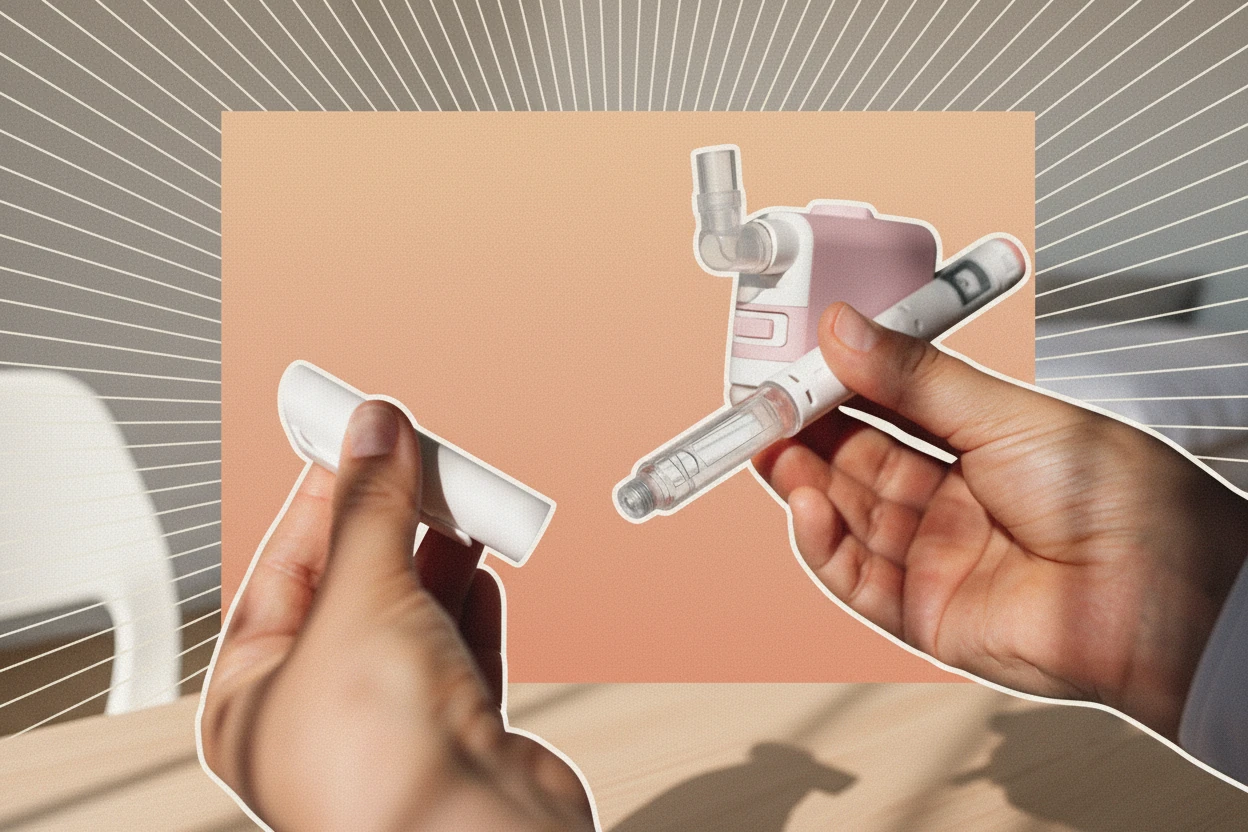
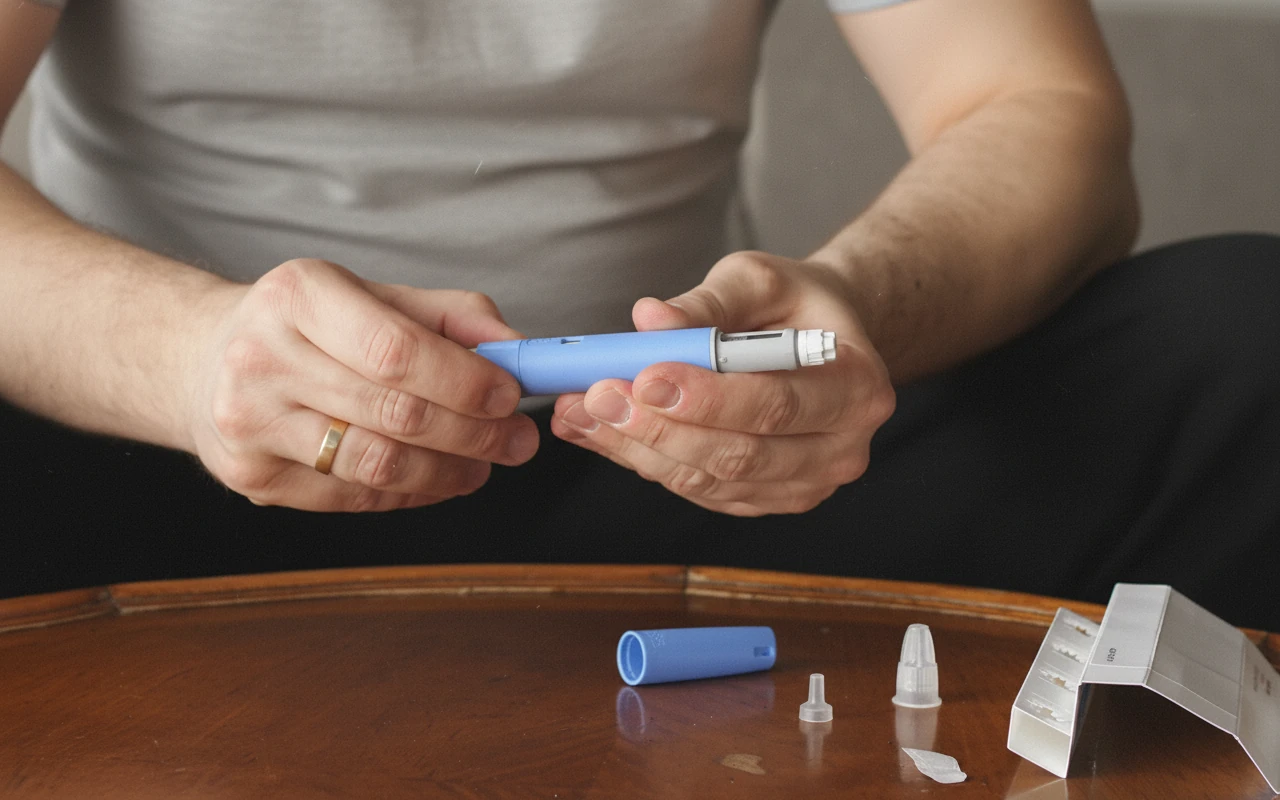
Insulin can be delivered in several ways to suit patient preferences and needs14. The most common method is subcutaneous injection using syringes, insulin pens, or cartridges14. Insulin pumps provide continuous subcutaneous insulin infusion, allowing precise basal and bolus dosing4. Inhaled insulin, such as Afrezza, offers a non-injectable rapid-acting option taken before meals1015.
Proper timing of insulin administration is critical to match insulin action with glucose absorption and to prevent hypoglycemia1015. Delivery methods continue to evolve, improving convenience and adherence, which is vital for reducing the risk of diabetic complications12.
- Subcutaneous injections via syringes, pens, or cartridges14
- Insulin pumps for continuous infusion4
- Inhaled insulin for rapid-acting coverage1015
- Timing injections to match meals and glucose absorption1015
- Adherence to regimen reduces risk of acute and chronic complications24
Advances in insulin delivery, including pumps and inhalers, enhance patient convenience and adherence, which are key to effective diabetes management14.
Key Takeaways and Summary
- Insulin is essential for regulating blood glucose and preventing diabetes complications27.
- Rapid-acting insulins act quickly to control blood sugar spikes after meals and are often combined with basal insulin1014.
- Short-acting insulin requires administration 30–60 minutes before meals and lasts longer than rapid-acting insulin1015.
- Intermediate-acting insulin provides basal coverage for about half a day and is commonly combined with mealtime insulins1015.
- Long-acting and ultra-long-acting insulins offer steady basal insulin levels with reduced hypoglycemia risk and flexible dosing options515.
- Pre-mixed insulins simplify regimens by combining basal and prandial insulin but may reduce dosing flexibility1015.
- Multiple delivery methods exist, including injections, pumps, and inhalers, improving treatment adherence and quality of life14.