Human metapneumovirus (HMPV) is a common respiratory virus that most people encounter by the age of five, often causing symptoms similar to a cold1. While many infections are mild and resolve quickly, HMPV can lead to serious illness in young children, older adults, and individuals with weakened immune systems2. The virus shows a seasonal pattern, peaking in late winter and early spring, and recent CDC reports indicate a spike in cases, raising public health concerns34. Understanding HMPV’s characteristics, symptoms, and risks is essential for managing this respiratory virus effectively.
Human Metapneumovirus Overview
Human metapneumovirus (HMPV) is a negative-stranded RNA virus belonging to the Pneumoviridae family, closely related to respiratory syncytial virus (RSV)3. Discovered in 2001, HMPV has been circulating in humans for at least 50 years, likely originating from a cross-species transmission from birds decades ago561. It causes acute respiratory infections worldwide, with a bimodal age distribution mainly affecting young children and older adults7.
HMPV infections follow a seasonal pattern, typically peaking in late winter to early spring, coinciding with other respiratory viruses such as RSV and influenza89. The virus circulates annually in temperate climates, with the median season onset in early January and peak activity in late March10. During the covid-test-accuracy-for-eg5-and-ba286-variants">covid-test-accuracy-for-eg5-and-ba286-variants">COVID-19 pandemic, circulation of HMPV declined sharply, likely impacting population immunity and contributing to recent increases in cases114.
Nearly all children are infected by age five, but immunity is incomplete, allowing reinfections throughout life312. HMPV is a significant cause of respiratory illness, ranking just behind RSV in frequency and contributing substantially to hospitalizations for bronchiolitis and pneumonia, especially in infants and the elderly1314. Studies estimate that about 10% to 12% of respiratory illnesses in children are caused by HMPV, with 5% to 16% of these cases progressing to lower respiratory tract infections like pneumonia1.
Transmission occurs primarily through respiratory droplets and contact with contaminated surfaces, followed by self-inoculation of mucous membranes159. The incubation period ranges from 3 to 6 days, with viral RNA detectable up to two weeks after symptom onset39.
Understanding HMPV and RSV co-circulation patterns could guide timing and prioritization of clinician-directed testing, prompt detection of and response to outbreaks, and help ensure preparedness of health care systems for seasonal increases in respiratory viral illnesses10.
Metapneumovirus Symptoms
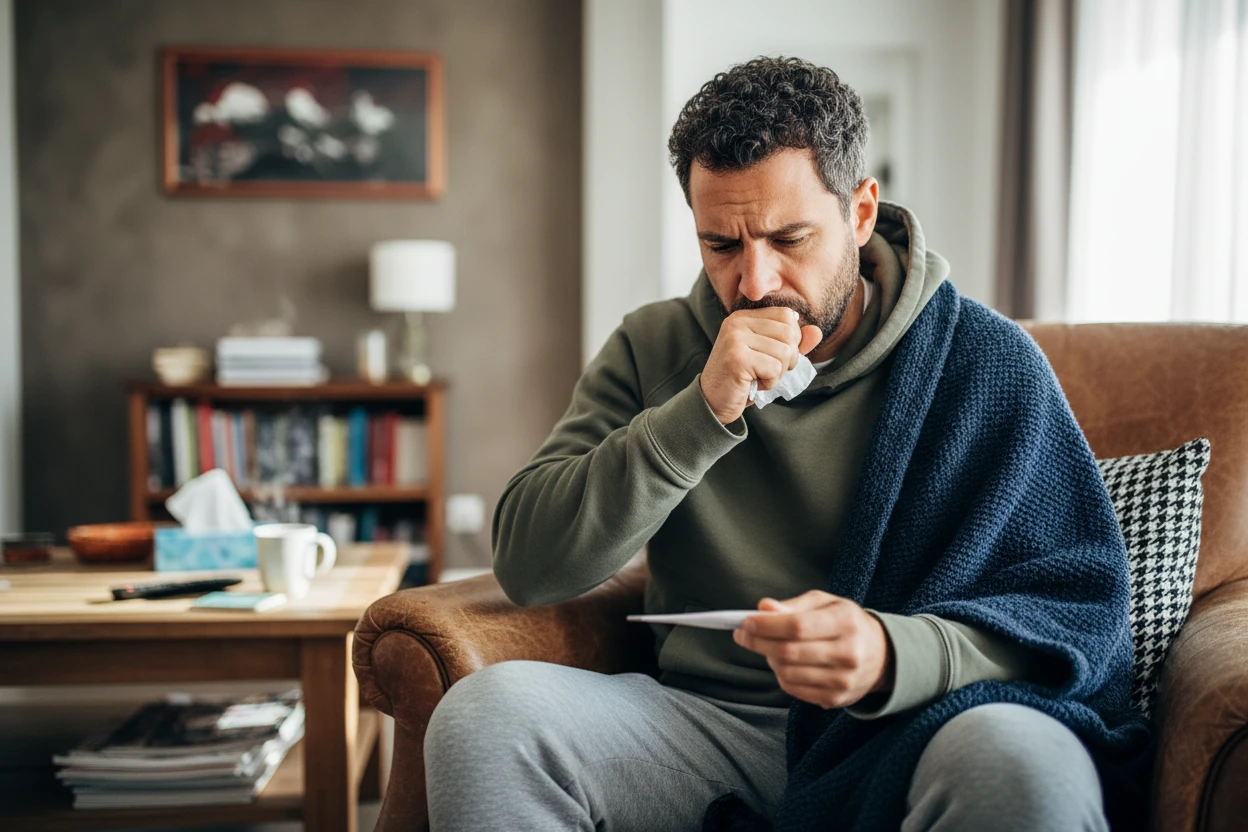
Symptoms of HMPV infection vary widely, ranging from mild upper respiratory tract illness to severe lower respiratory tract disease requiring hospitalization81. The virus commonly causes symptoms similar to a cold, including cough, fever, runny or stuffy nose, sore throat, and wheezing19. Some patients may also experience shortness of breath, voice changes, croup, eye or ear infections, and a rash that comes and goes2.
The clinical presentation can differ by age and underlying health status. Young children, especially those between 6 and 12 months, and older adults are more likely to develop severe illness110. HMPV can cause bronchiolitis, bronchitis, and pneumonia, and may exacerbate chronic respiratory conditions such as asthma and chronic obstructive pulmonary disease (COPD)1617. In children, HMPV-associated hospitalizations tend to occur at an older age compared to RSV, which more commonly affects infants younger than 6 months10.
Symptoms typically last about a week and resolve without specific antiviral therapy18. However, severe cases may require hospitalization and supportive care such as oxygen therapy, intravenous fluids, and corticosteroids2. Secondary bacterial infections can occur, especially pneumonia, which may necessitate antibiotic treatment1.
- Cough1
- Fever1
- Runny or stuffy nose1
- Sore throat1
- Wheezing or other abnormal lung sounds1
- Shortness of breath2
- Rash (less common)1
Risk Assessment and Concerns
HMPV infection poses a higher risk of severe illness in specific populations, including infants, young children, adults over 65, and immunocompromised individuals3817. The incubation period is approximately 4 to 6 days, with viral shedding lasting up to two weeks, facilitating transmission3. The virus spreads through respiratory droplets and contact with contaminated surfaces, emphasizing the importance of hygiene and infection control measures159.
Most HMPV infections are mild and self-limited, but complications such as bronchiolitis and pneumonia can occur, particularly in high-risk groups168. Hospitalizations due to HMPV peak later than RSV, typically between 6 and 12 months of age in infants13. Co-infections with other respiratory viruses, including RSV, have been associated with increased severity and higher rates of pediatric intensive care admissions10.
Human metapneumovirus infections can cause serious illness, especially in young children, older adults, and people with weakened immune systems. Most cases are mild, but vigilance is needed during peak seasons to protect vulnerable groups17191.
A recent outbreak in skilled nursing facilities reported an 11% fatality rate, highlighting the potential severity of HMPV in vulnerable elderly populations19. Globally, HMPV is attributed to millions of acute lower respiratory infections and thousands of deaths annually in young children20.
Currently, there are no licensed antiviral treatments or vaccines for HMPV, although vaccine development efforts, including mRNA platforms, are underway2113. Until vaccines become available, prevention relies on standard infection control practices.
- Wash hands often with soap and water for at least 20 seconds151
- Use alcohol-based hand sanitizer when soap and water are unavailable1
- Cover mouth and nose with elbow or tissue when coughing or sneezing15
- Avoid close contact with people who are sick1
- Clean and disinfect frequently touched surfaces regularly9
- Stay home when feeling ill to prevent spreading the virus1
- Consider wearing a mask if sick and unable to avoid close contact1