Type 2 diabetes affects millions worldwide, making nutrition a critical part of managing blood sugar and overall health1. Choosing the right snacks can help maintain energy levels and prevent blood sugar spikes between meals2. Incorporating snacks rich in protein, fiber, and healthy fats supports better glycemic control and reduces cardiovascular risk32.
Best Snack Choices for Diabetes
Selecting snacks that balance protein, fiber, and healthy fats can help stabilize blood sugar and support diabetesdiabetesdiabetes-managementdiabetes-managementdiabetes management4. Foods high in fiber slow digestion, preventing rapid glucose absorption, while protein and healthy fats promote satiety and reduce postprandial (after eating) blood sugar spikes52.
Key snack options beneficial for people with type 2 diabetes include:
- Nuts: Rich in healthy fats, protein, vitamins, and minerals, nuts like almonds and walnuts improve heart health and glucose metabolism67.
- Greek Yogurt: Plain Greek yogurt is low in carbohydrates, high in protein, and contains calcium, which supports bone health37.
- Berries: Low glycemic index fruits like raspberries provide dietary fiber and antioxidants that aid blood sugar control37.
- Cheese: Low-carb cheeses such as cottage cheese or string cheese offer protein without causing blood sugar spikes28.
- Olives and Avocado: Sources of monounsaturated fats, these foods help improve insulin sensitivity and reduce cardiovascular risk38.
- Vegetables with Hummus: Non-starchy vegetables paired with hummus provide fiber, protein, and healthy fats, supporting glycemic balance8.
- Whole-Grain Crackers: When paired with protein-rich foods like cheese or nut butter, whole-grain crackers offer fiber that slows carbohydrate absorption7.
- Hard-Boiled Eggs: High in protein with minimal carbs, eggs help prevent blood sugar spikes and promote fullness7.
Processed snacks high in refined carbohydrates and added sugars should be minimized, as they cause rapid postprandial glucose increases and contribute to obesity risk5. Choosing whole foods and balanced snacks supports better blood glucose regulation and cardiovascular health2.
Personal Snacking Experience
Incorporating a variety of nutrient-dense snacks can make diabetes management more enjoyable and effective. Here are some examples of diabetes-friendly snacks that combine protein, fiber, and healthy fats:
-
Greek Yogurt with Berries: A serving of plain Greek yogurt (150 g) provides about 170 mg of calcium and protein with a low glycemic impact. Adding berries like raspberries adds fiber (about 4 g per ½ cup) and antioxidants without excessive sugar, helping regulate blood glucose37.
-
Celery Sticks and Nut Butter: Celery is low in calories and carbohydrates, while nut butters provide protein and healthy fats. This combination slows digestion and maintains blood sugar stability97.
-
Hard-Boiled Eggs: One large hard-boiled egg contains high-quality protein with minimal carbohydrates, which helps prevent blood sugar spikes and promotes satiety78.
-
Raw Vegetables with Hummus: Pairing fresh veggies such as carrots, cucumbers, or bell peppers with hummus offers fiber, protein, and healthy fats. Hummus carbohydrates are digested slowly, reducing blood sugar spikes87.
-
Popcorn: Air-popped popcorn is a low-calorie, high-fiber snack (3 cups provide about 3 g fiber) that can be paired with protein-rich foods like nuts or cheese to balance carbohydrate intake78.
-
Handful of Almonds: Almonds provide healthy fats, magnesium (important for glucose metabolism), and fiber, which support heart health and glycemic control. A typical serving contains under 6 grams of carbs and nearly 3 grams of fiber67.
-
Apple Slices and Peanut Butter: Apples offer fiber and natural sweetness, while peanut butter adds protein and healthy fats. Together, they provide a balanced snack with moderate carbohydrates and fiber to slow glucose absorption710.
-
Tuna Salad: Canned tuna is high in protein and contains omega-3 fatty acids that reduce inflammation. Mixing tuna with Greek yogurt or light mayonnaise and adding vegetables creates a low-carb, nutrient-rich snack7.
-
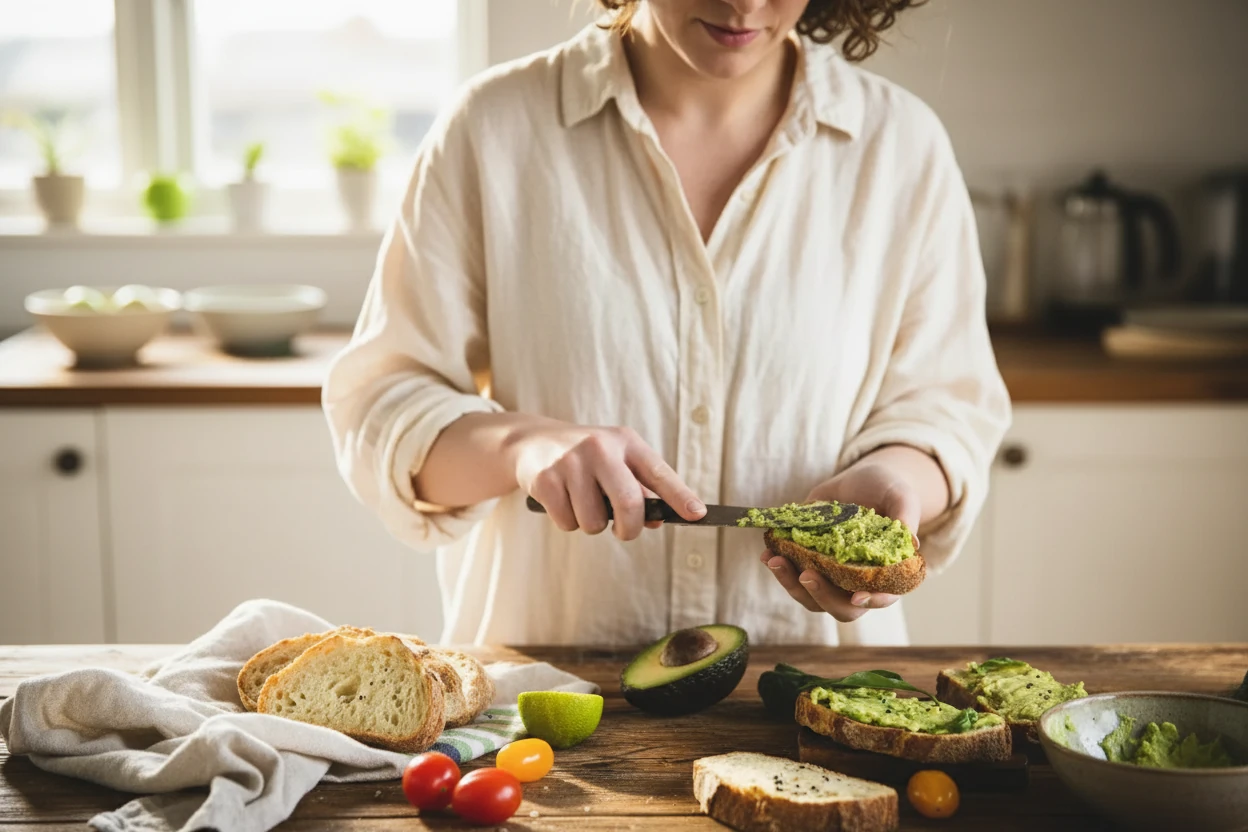
Avocado Toast: Using whole-grain bread topped with mashed avocado provides fiber, monounsaturated fats, and protein, which help improve insulin sensitivity and maintain blood sugar stability87.
Snacks to Limit or Avoid
The suitability of snacks depends on individual blood glucose levels and timing within the daily routine2. However, certain snacks are generally advised to be limited or avoided to prevent blood sugar spikes and other health risks:
-
Processed Snacks: Foods high in refined carbohydrates, added sugars, and sodium, such as chips, candy bars, and sweetened yogurts, cause rapid glucose increases and contribute to obesity and cardiovascular risk59.
-
Refined Grains: White bread, white rice, and other refined grain products lack fiber and digest quickly, leading to postprandial hyperglycemia (high blood sugar)59.
-
Sugary Beverages: Soda, fruit juices, and sweetened caffeinated drinks provide liquid carbohydrates that spike blood sugar and offer little satiety59.
-
High-Sodium Snacks: Excess sodium intake is linked to hypertension, which is common in people with diabetes and increases cardiovascular risk59.
-
Large Portions of High-Calorie Snacks: Even healthy snacks like nuts and nut butters can lead to weight gain if consumed in excess due to their calorie density710.
Limiting these foods and focusing on whole, nutrient-dense snacks helps maintain blood sugar control and supports overall health52.
Optimal Snacking Times
Snacking can help maintain energy and blood sugar balance between meals, especially when meals are spaced more than four to five hours apart210. However, current guidelines suggest that snacks are not necessary if three balanced meals are consumed daily12.
Snacks may be particularly important in the following situations:
-
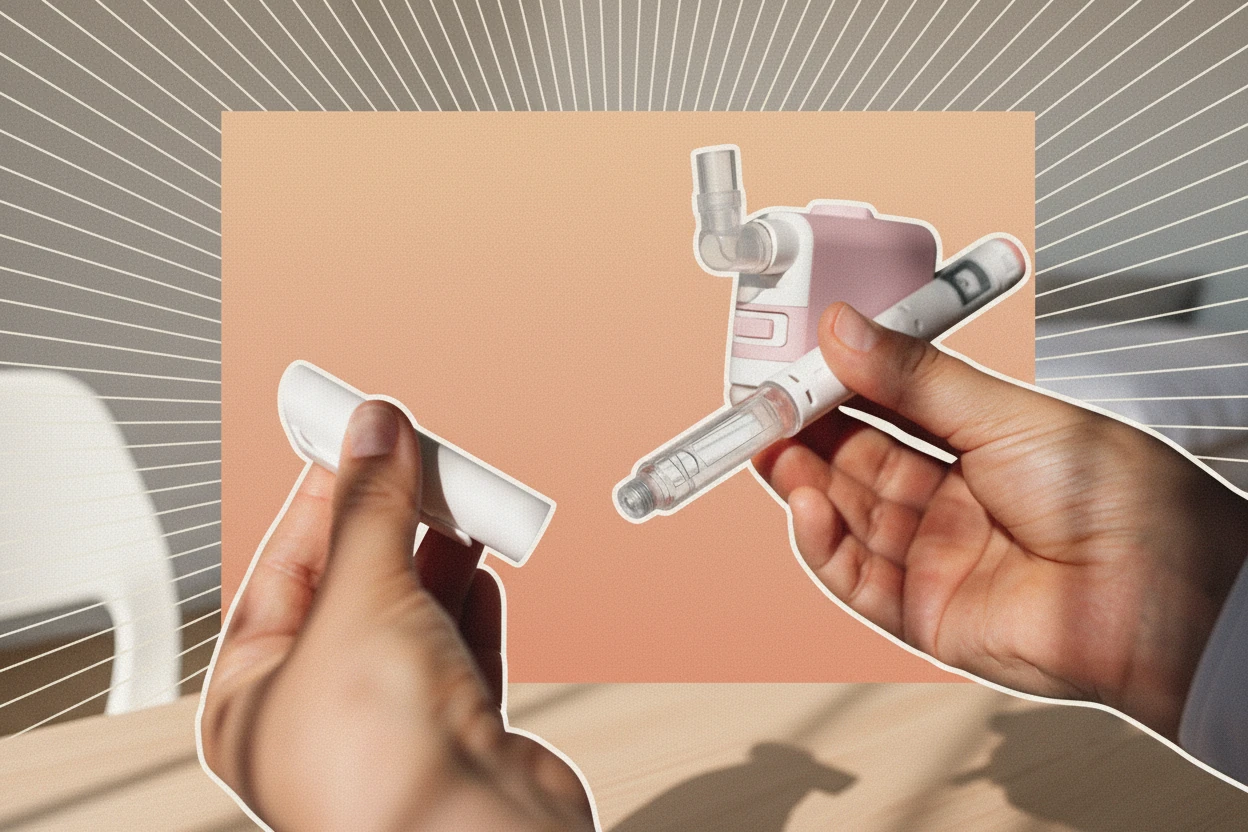
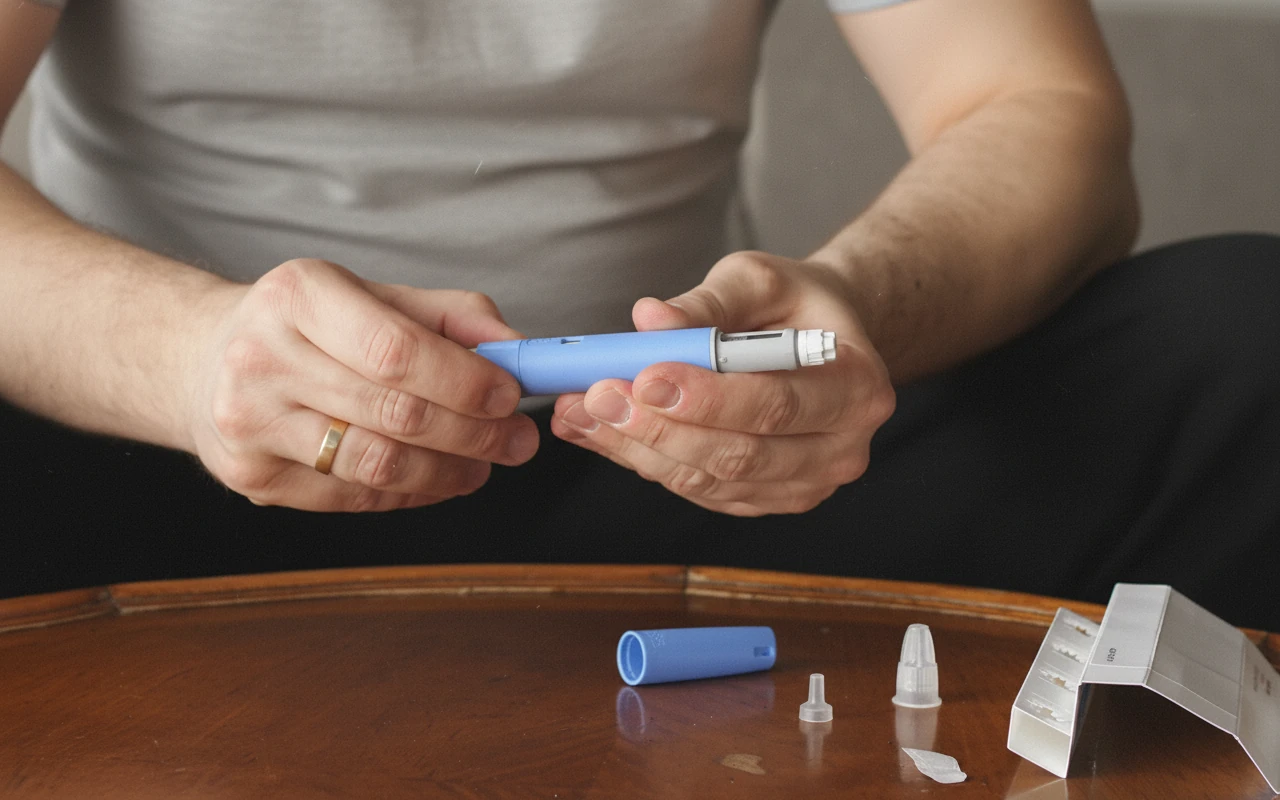
Preventing Hypoglycemia: People with type 2 diabetes on insulin or sulfonylureas may experience low blood sugar (hypoglycemia) and require snacks to prevent or treat it132.
-
Bedtime Snacks: A snack before bed can help avoid nocturnal hypoglycemia in susceptible individuals214.
-
Pre-Exercise Snacks: Consuming a snack before physical activity helps prevent exercise-induced hypoglycemia and maintains energy2.
-
Managing Hunger: Snacking can prevent excessive hunger that may lead to overeating at subsequent meals410.
Timing and portion control are essential to avoid excessive calorie intake and blood sugar fluctuations. Monitoring hunger cues and blood glucose levels can guide appropriate snacking decisions215.
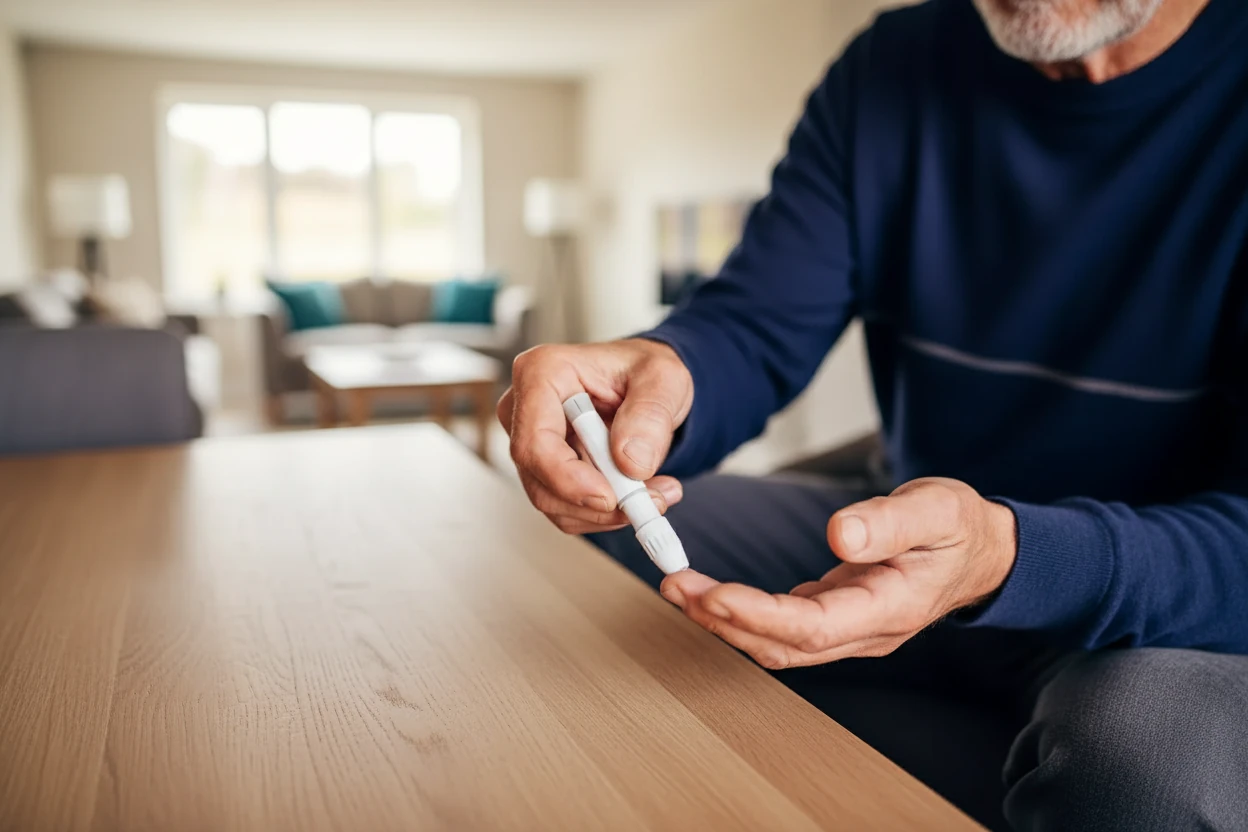
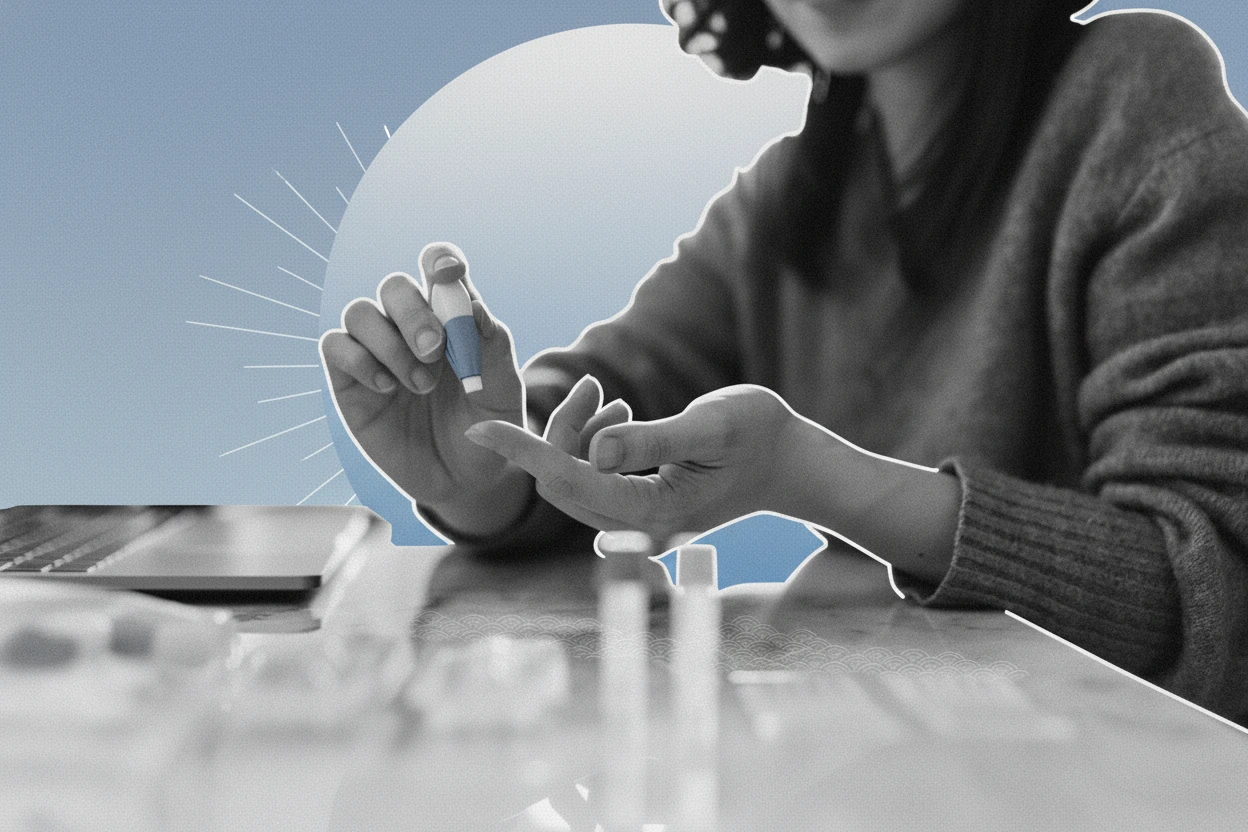
Managing hypoglycemia includes consuming 15 grams of fast-acting carbohydrates such as juice, glucose tablets, or honey, followed by rechecking blood glucose every 15 minutes until normalized. After correction, a balanced snack or meal should be eaten to maintain glucose stability13.
Key Takeaways
- Healthy snacks for type 2 diabetes combine protein, fiber, and healthy fats to stabilize blood sugar and promote satiety24.
- Nuts, Greek yogurt with berries, cheese, olives, and vegetables with hummus are excellent snack choices that support glycemic control and cardiovascular health362.
- Avoid processed snacks high in refined carbohydrates, added sugars, and sodium to prevent blood sugar spikes and reduce cardiovascular risk59.
- Snacking is not always necessary if three balanced meals are consumed, but it is important for preventing hypoglycemia in patients on insulin or certain medications1312.
- Timing snacks strategically before exercise, at bedtime, or when hunger strikes can help maintain energy and blood sugar balance210.