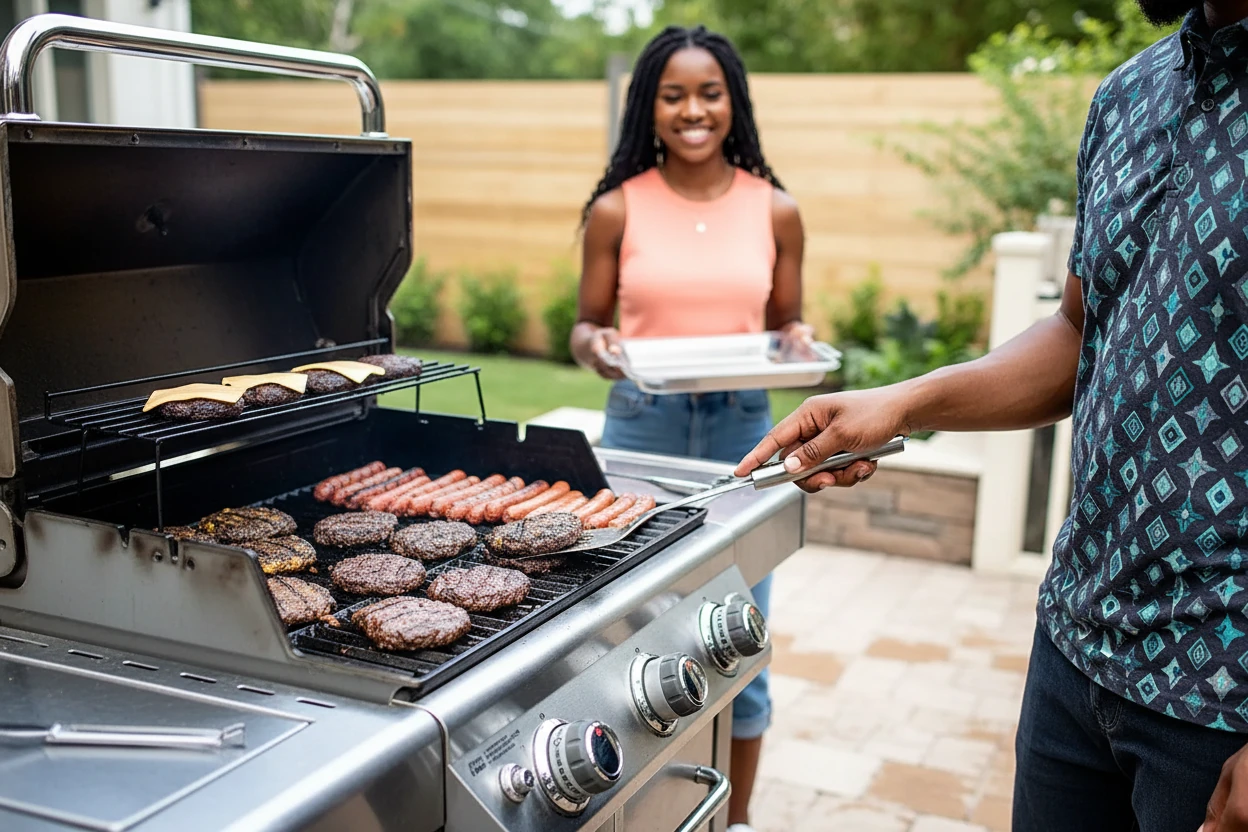
Grilling meat at high temperatures can produce chemicals that may increase cancer risk. These compounds, such as heterocyclic amines (HCAs) and polycyclic aromatic hydrocarbons (PAHs), form when meat is cooked over open flames or intense heat1 . While grilling is a popular cooking method, especially during summer, the way meat is cooked and consumed can influence long-term health outcomes2 . Understanding the risks and adopting safer grilling practices can help reduce exposure to these potential carcinogens3 .
“PhIP is a chemical formed in well-done cooked meats. It causes prostate cancer in animal models and frequent consumption of cooked meats containing PhIP is associated with human prostate cancer risk.”
— Robert Turesky, University of Minnesota College of Pharmacy2
Grilling Meat Cancer Risk
Grilling meat exposes it to high temperatures that trigger chemical reactions forming carcinogenic compounds. Heterocyclic amines (HCAs) develop when amino acids and creatine in muscle meats react under heat, especially at temperatures above 300°F4 1. Polycyclic aromatic hydrocarbons (PAHs) form when fat drips onto flames, creating smoke that deposits PAHs onto the meat surface5 1. Both HCAs and PAHs can cause DNA damage by forming DNA adducts, which may initiate carcinogenesis6 .
The risk from grilling is influenced by the amount and frequency of exposure to these chemicals. Regular consumption of well-done or charred meats increases HCA intake, which has been linked to higher cancer risk in some studies7 . PAHs are also environmental pollutants found in tobacco smoke and vehicle exhaust, contributing to overall exposure8 .
People with compromised immune systems, such as those with cancer or diabetes, may be more vulnerable to the harmful effects of these compounds9 . Genetic differences in metabolizing enzymes can also modify individual susceptibility to HCAs and PAHs, potentially altering cancer risk10 .
If you are at higher risk for getting cancer, your risk may increase from these sorts of exposures11 .
Conflicting Research on Grilling Dangers
Epidemiological studies investigating the link between grilled meat consumption and cancer risk have produced mixed results. Some cohort and case-control studies report associations between intake of grilled or well-done meats and increased risks of colorectal, pancreatic, and prostate cancers12 1314. However, other studies find no significant connection between HCAs or PAHs and certain cancers15 .
Animal models consistently show that HCAs and PAHs are carcinogenic, supporting the biological plausibility of these compounds contributing to cancer development6 16. The risk appears dose-dependent, with higher and repeated exposures increasing the likelihood of carcinogenesis12 7. One-time or occasional exposure to these mutagens poses minimal cancer risk12 .
Genetic and lifestyle factors may further influence individual risk, making it difficult to draw definitive conclusions from population studies10 . Overall, while some evidence supports a link between grilling-related carcinogens and cancer, more research is needed to clarify the magnitude and mechanisms of risk.
“It's not so much a one-time experience, such as an occasion where you kept your meat on the grill too long and it turned black. It’s more of a message about one’s lifestyle.”
— Catherine Carpenter, UCLA Jonsson Comprehensive Cancer Center17
Carcinogens in Grilled Meat
The primary carcinogens formed during grilling are heterocyclic amines (HCAs) and polycyclic aromatic hydrocarbons (PAHs). HCAs form from the reaction of creatine or creatinine, amino acids, and sugars in meat and fish cooked at high temperatures4 . PAHs arise from smoke generated when fat drips onto flames, which then deposits these chemicals onto the meat surface5 .
HCAs and PAHs can damage DNA by forming adducts that induce mutations, potentially leading to cancer6 . PAHs are also present in other charred foods but generally at lower levels than in grilled meats8 . Besides HCAs and PAHs, grilling at high temperatures produces other chemicals such as acrylamide, furan, and 4-methylimidazole, which have shown carcinogenicity in animal studies but whose human risk remains unclear16 9.
Acrylamide mainly forms in starchy foods via the Maillard reaction between sugars and the amino acid asparagine during high-heat cooking18 . It is classified as a probable human carcinogen based on animal studies, although human evidence is limited18 .
Cooking meats like chicken, fish, and red meat directly on a hot grill at temperatures of 300°F or higher can cause heterocyclic amines (HCAs) to form, which are cancer-causing chemicals1 .
| Carcinogen | Formation Mechanism | Cancer Risk Evidence |
|---|---|---|
| Heterocyclic Amines (HCAs) | Reaction of creatine, amino acids, and sugars at high heat4 | Carcinogenic in animal models; DNA damage in humans6 4 |
| Polycyclic Aromatic Hydrocarbons (PAHs) | Smoke from fat dripping onto flames deposits PAHs on meat5 | Carcinogenic; also found in tobacco smoke and exhaust8 6 |
| Acrylamide | Maillard reaction in starchy foods at high temperatures18 | Probable carcinogen in animals; unclear in humans18 |
| Sources: 1456891618 | ||
Safer Grilling Practices
Reducing exposure to carcinogens during grilling involves modifying cooking methods and food choices. Experts recommend several strategies to minimize HCA and PAH formation while still enjoying grilled foods9 163.
- Use gas or electric grills instead of charcoal to reduce carcinogenic emissions from smoke8 19.
- Trim fat from meat to decrease smoke and PAH formation caused by fat dripping onto flames6 3.
- Pre-cook meat partially in the microwave or oven to shorten grilling time and reduce mutagen formation16 3.
- Flip meat frequently during grilling to limit exposure to high heat and reduce HCA and PAH levels16 17.
- Use barriers such as aluminum foil to prevent direct contact with flames and reduce charring16 .
- Marinate meat with acidic ingredients like vinegar or lemon juice and herbs to lower HCA formation3 .
- Choose leaner cuts of meat and incorporate more vegetables and fruits, which do not form HCAs and contain antioxidants that may counteract carcinogens19 3.
| Safer Grilling Practice | Benefit |
|---|---|
| Use gas or electric grills | Less smoke and carcinogen formation8 |
| Trim fat from meat | Reduces PAH smoke exposure6 |
| Pre-cook meat | Shortens grill time, lowers HCAs16 |
| Flip meat frequently | Limits high-heat exposure16 17 |
| Use foil barriers | Prevents direct flame contact16 |
| Marinate meat | Decreases HCA formation3 |
| Choose lean cuts and grill veggies | Lowers carcinogen intake; adds antioxidants19 3 |
| Sources: 3689161719 | |