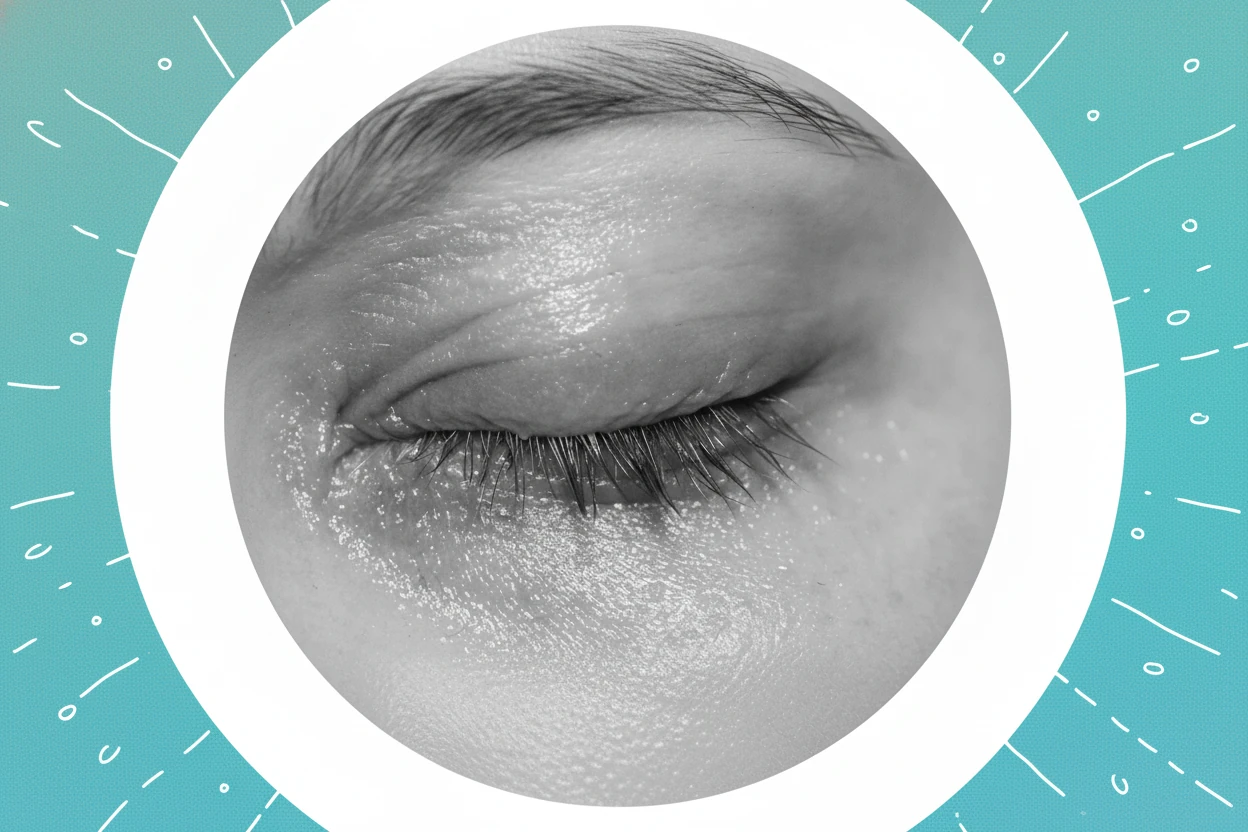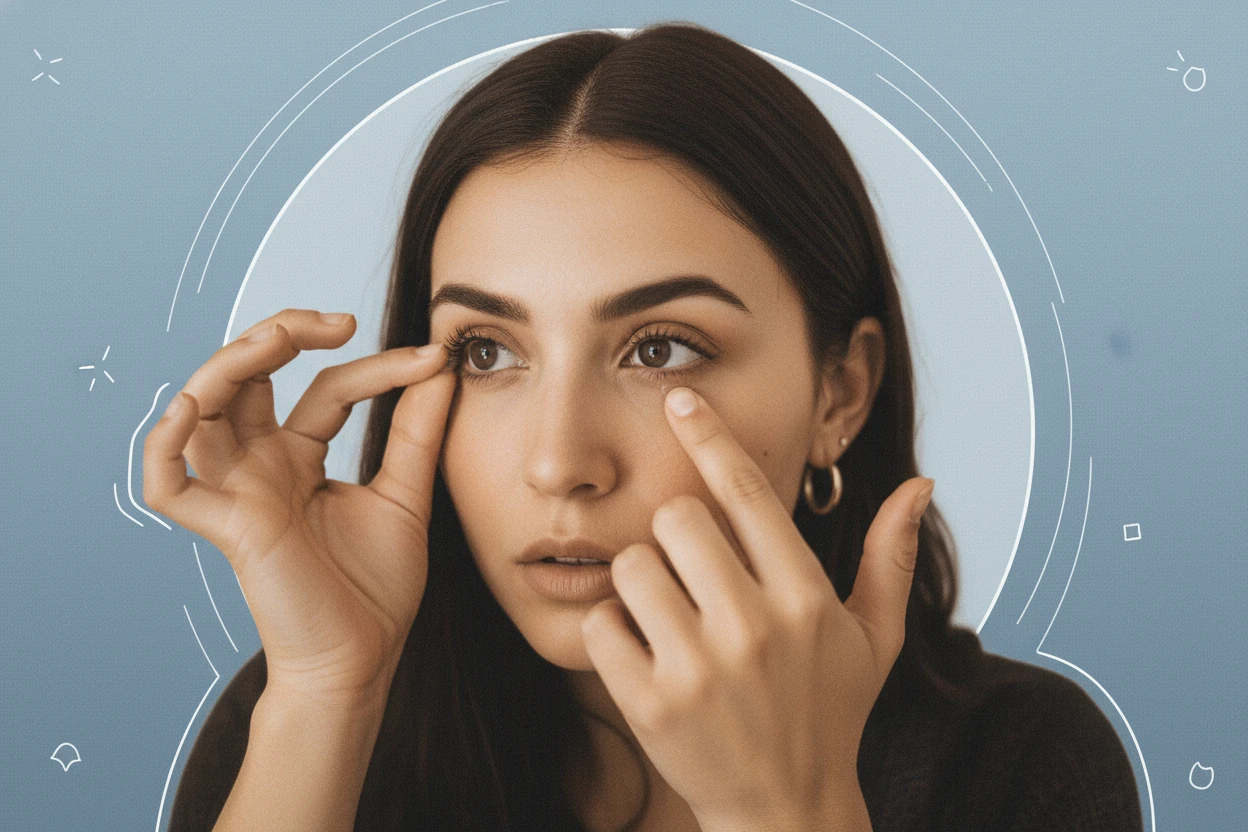
Glassy eyes are a common symptom that can signal a variety of underlying health issues, ranging from mild to serious conditions1. They often indicate changes in eye moisture or neurological function, which may affect vision and comfort2. Understanding the causes and treatments of glassy eyes can help individuals manage symptoms effectively and seek timely medical care when necessary3.
Glassy Eyes Appearance
Glassy eyes typically appear as shiny, smooth, or glazed over, giving the impression of a glossy or watery surface2. This appearance can also resemble an unfocused or blank stare, depending on the underlying cause2. The intensity and duration of glassy eyes vary widely; they may be temporary or persist for longer periods based on the condition involved2. Additional symptoms such as redness, itching, or irritation often accompany glassy eyes, providing clues to the root cause2.
Glassy Eyes Causes
Glassy eyes can result from a broad range of factors, including eye conditions, allergies, medications, lifestyle influences, and systemic health problems. These causes affect the eyes through mechanisms such as tear film disruption, inflammation, neurological changes, or infection21.
Eye Conditions
Several eye diseases are common causes of glassy eyes. Dry eye syndrome occurs when tear production is insufficient or tears evaporate too quickly, leading to dryness, burning, itching, and a glassy appearance21. Environmental factors like prolonged screen time and neurological diseases such as Parkinson’s can worsen dry eye symptoms by reducing blinking and tear stability21. Infectious conjunctivitis, commonly known as pink eye, is another frequent cause. It results from viral or bacterial infections and presents with redness, swelling, watery discharge, and a glassy look21. Symptoms often include eyelid swelling and crusty discharge around the eye2. Graves’ ophthalmopathy, an autoimmune condition linked to thyroid disease, can cause eyelid retraction and eye dryness, producing enlarged, glassy eyes456.
Allergies
Allergic conjunctivitis arises when allergens such as pollen, dust mites, pet dander, or environmental irritants trigger immune-mediated inflammation of the eyes21. This leads to redness, itching, swelling, watery discharge, and a glassy appearance21. Allergic reactions may also involve sinus irritation, contributing to eye discomfort and glassiness2. Managing exposure to allergens is key to reducing symptoms2.
Medications
Certain medications can cause glassy eyes as a side effect by affecting tear production or the nervous system1. Drugs such as isotretinoin (used for acne), antihistamines, antidepressants, antipsychotics, hormone therapies, and some blood pressure medications may reduce tear film quality or blinking frequency, leading to dryness and glassiness1. These effects occur because these drugs suppress central nervous system activity or alter the function of tear-producing glands21.
Lifestyle Factors
Lifestyle choices and environmental exposures can contribute to glassy eyes. Alcohol and drug intoxication, especially with substances like marijuana and amphetamines, affect the brain’s control of blinking, causing dry, glassy eyes78. Dehydration reduces tear production and eye lubrication, leading to dryness and a glassy look, particularly in children and the elderly219. Prolonged screen time reduces blink rate, increasing eye strain and dryness, which can manifest as glassy eyes2110.
Other Health Conditions
Systemic diseases may also cause glassy eyes. Hypoglycemia (low blood sugar) can produce glassy eyes along with symptoms like sweating, shakiness, and blurred vision1. Herpes simplex virus infections can affect the eyes, causing redness, tearing, sensitivity to light, blisters on the eyelids, and a glassy appearance1. Neurological conditions such as Parkinson’s disease and cognitive decline may alter blinking and eye focus, resulting in glassy eyes211. Stroke and other acute neurological events can cause sudden glassy or unfocused eyes, often accompanied by other severe symptoms requiring emergency care11.
When to See a Doctor
Maintaining regular eye check-ups and adopting healthy eye care habits are the best ways to keep your eyes comfortable and prevent glassy eyes3.
While occasional glassy eyes may not be serious, persistent or worsening symptoms warrant medical evaluation21. Seek prompt care if glassy eyes are accompanied by:
- Redness, pain, or swelling of the eyes21
- Eye trauma, sores, or ulcers2
- Sudden changes in vision or blurred vision21
- Discharge or crusting around the eyes21
- Systemic symptoms such as joint pain, dry mouth, or neurological signs211
Regular eye exams with an optometrist or ophthalmologist are important for early detection of eye diseases that may cause glassy eyes23. A thorough history including medication use, symptom duration, and associated signs helps guide diagnosis2. Diagnostic tests may include dilated fundus examination, tear production tests, and blood work to identify systemic causes23.
Glassy Eyes Treatment
Treatment of glassy eyes focuses on addressing the underlying cause and restoring eye moisture and comfort23. Common approaches include:
- Artificial tears and lubricating eye drops: These relieve dryness and improve tear film stability in dry eye syndrome21.
- Antihistamines and anti-allergy eye drops: Used to reduce inflammation and itching in allergic conjunctivitis21.
- Antiviral or antibiotic medications: Prescribed for infectious conjunctivitis or herpes infections to clear pathogens21.
- Lifestyle modifications: Reducing screen time, staying hydrated, and avoiding allergens support eye health and symptom relief213.
- Medication review: Adjusting or substituting drugs that cause dry eyes or glassiness may be necessary under medical supervision21.
Eye exams include vision assessment and ocular health evaluation to monitor treatment response and detect complications2. In some cases, referral to a specialist for advanced therapies or surgery may be required2.
“Regular eye exams by an eye care professional help monitor eye health and detect early symptoms, facilitating timely diagnosis and treatment of conditions presenting with glassy eyes.”
— Christine L. Larsen, MD1
Preventing Glassy Eyes
Prevention strategies aim to maintain eye hydration, reduce irritation, and avoid triggers that cause glassy eyes2123. Key preventive measures include:
- Limiting screen time and following the 20-20-20 rule (every 20 minutes, look at something 20 feet away for 20 seconds) to reduce eye strain210.
- Staying well hydrated by drinking adequate water daily to support tear production2123.
- Wearing sunglasses to protect eyes from UV rays, wind, and allergens23.
- Practicing good hygiene, including regular handwashing and avoiding sharing eye products, to prevent infections2123.
- Avoiding excessive alcohol intake and illicit drug use, which can impair eye moisture and blinking1278.
- Maintaining a diet rich in antioxidants and omega-3 fatty acids to support ocular health23.
- Proper contact lens care to prevent dryness and infections23.
💡 Did You Know?
Limiting alcohol intake and avoiding illicit drugs can help prevent glassy eyes by preserving normal eye moisture and blinking function12.
Summary
Glassy eyes are a visible symptom that can arise from various causes including eye diseases, allergies, medications, lifestyle factors, and systemic health conditions21. They often reflect changes in tear production, eye inflammation, or neurological function. Treatment depends on identifying and managing the underlying cause, with options ranging from artificial tears to medications and lifestyle adjustments23. Preventive measures such as hydration, screen breaks, and good hygiene can reduce the risk of developing glassy eyes212. Prompt medical evaluation is essential when glassy eyes are accompanied by pain, redness, vision changes, or systemic symptoms to prevent complications21.