Engaging in hobbies such as gardening and fishing has been linked to better mental well-being and cognitive function, especially in older adults1. Activities that combine physical movement, sensory engagement, and social interaction can help slow cognitive decline and improve mood1. Spending time in natural environments, including green and blue spaces, supports attention, executive function, and reduces stress, contributing to brain health2.
Research on Hobbies and Cognitive Decline
Recent research highlights the potential of hobbies to slow cognitive decline by stimulating the brain and promoting neuroplasticity—the brain’s ability to adapt and form new connections. A 2023 systematic review identified 23 studies from 2010 to 2022 showing that gardening interventions increase levels of brain-derived neurotrophic factor (BDNF), vascular endothelial growth factor (VEGF), and platelet-derived growth factor (PDGF), which are biomarkers linked to neuroplasticity and memory3. These biological changes suggest gardening supports brain health, though more randomized controlled trials are needed to confirm causality3.
Long-term exposure to greenspaces is associated with better cognitive function throughout life, likely due to the restorative effects of nature on attention and executive function4. However, most evidence is cross-sectional, and the exact mechanisms remain unclear4. Qualitative studies report that gardening groups for people with dementia provide physical and cognitive benefits, affirm identity, and foster social connection, although measurable cognitive improvements are harder to demonstrate5.
Physical activity combined with horticultural programs reduces depressive symptoms and memory problems in older adults, with exercise showing slightly stronger effects6. Gardening is a promising, cost-effective, and non-invasive intervention that can be integrated into rehabilitation for neurodegenerative conditions7. Despite these benefits, gardening activities remain understudied in low- and middle-income countries, with most research concentrated in high-income settings like the U.S. and Australia89.
Nature exposure, including both green (plants, trees) and blue (water bodies) spaces, improves mood and cognitive performance, particularly for attention and executive function, though studies often do not isolate gardening or fishing specifically2. Virtual reality cognitive training with gardening themes shows feasibility for older adults, engaging multiple cognitive domains, but real-world gardening may provide additional sensory and social benefits10.
- Increased neurotrophic factors (BDNF, VEGF, PDGF) promoting neuroplasticity and memory3
- Physical activity improving mcv blood test results meaning and normal range flow and brain function76
- Exposure to natural environments reducing stress and enhancing attention42
- Social interaction through group activities supporting mental well-being5
- Cognitive stimulation from complex tasks involved in gardening and fishing104
Gardening physical activity is a promising, cost-effective, non-invasive intervention that can easily be augmented in the rehabilitation of neurodegenerative conditions.
— Lentoor et al.7
Hobbies That Support Brain Health
Several hobbies, including gardening and fishing, have been associated with improved cognitive function and reduced risk of dementia. A large Japanese study of 50,000 adults aged 65 and older found that engaging in multiple hobbies, such as fishing and gardening, correlated with a lower risk of dementia1. These activities combine mental stimulation, physical movement, and social engagement, all of which support brain health.
Horticultural therapy, which includes gardening, has been linked to improved cognitive function in older adults, though more high-quality randomized controlled trials are needed for conclusive evidence11. Gardening activities improve mood, reduce anxiety, and enhance well-being, especially when performed in groups1213. For people with dementia, horticulture-based activities increase engagement and quality of life, even if cognitive improvements are less clear13.
Fishing, as a leisure activity, provides cognitive stimulation through planning, problem-solving, and sensory engagement. It also offers exposure to blue spaces, which have been shown to improve mental health and cognitive performance14. The combination of green and blue environments—gardens and water bodies—can amplify these benefits by reducing stress and promoting relaxation14.
Physical activity inherent in gardening and fishing improves cardiovascular health, which is closely linked to brain health. Moderate exercise during gardening can burn calories comparable to gym workouts and enhances strength, balance, and dexterity15. Gardening also increases vitamin D levels through sunlight exposure, which supports brain function15.
Engaging in hobbies that combine mental, physical, and social elements can:
- Boost memory and executive function through cognitive challenges1
- Reduce symptoms of depression and anxiety616
- Promote social connection and reduce loneliness15
- Enhance mood and life satisfaction1
- Lower the risk of chronic diseases that affect brain health, such as cardiovascular disease and diabetes1
Nature prescriptions can increase physical activity and social connection while reducing stress, which have multiple positive knock-on effects for blood pressure, blood sugar control and healthy weight, reducing the risk of diseases that can lead to dementia.
— Melissa Lem, University of British Columbia17
| Benefit | Gardening | Fishing |
|---|---|---|
| Cognitive stimulation | Planning, problem-solving, memory | Attention, sensory engagement |
| Physical activity | Moderate exercise, strength, balance | Light to moderate physical activity |
| Mood improvement | Reduces depression and anxiety | Enhances relaxation and well-being |
| Social interaction | Group gardening projects | Social fishing outings |
| Exposure to nature | Green spaces, sunlight | Blue spaces, water environments |
| Sources:126 | ||
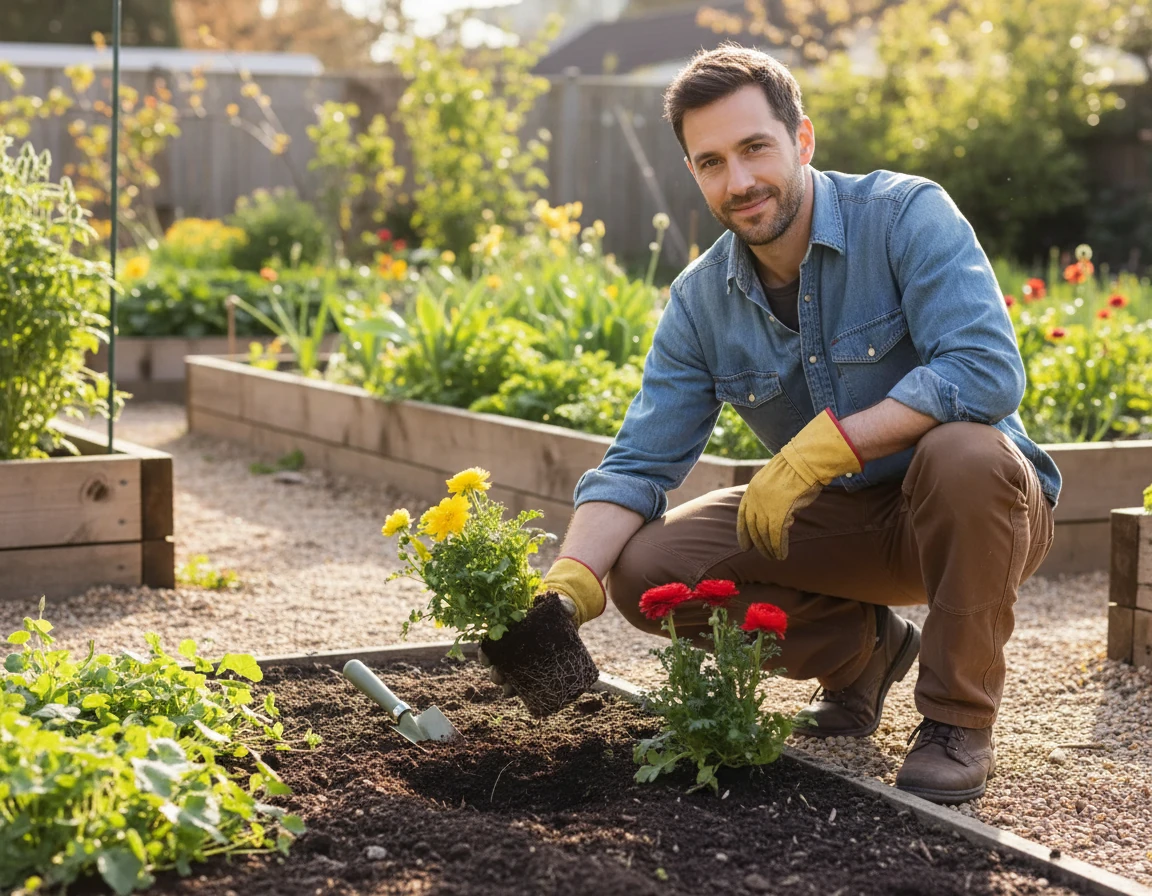
For seniors with cognitive decline, simple gardening tasks such as watering plants or potting flowers provide calming sensory stimulation without causing frustration18. These activities support memory retention, focus, and emotional well-being. Similarly, fishing offers a peaceful environment that can reduce anxiety and promote mental clarity14.
Incorporating meaningful leisure activities like gardening into cognitive training enhances engagement and outcomes in older adults10. Virtual reality gardening programs show promise for cognitive stimulation, though real-world gardening offers additional sensory and social benefits10.