Monkeypox is a viral infection that typically begins with flu-like symptoms and swollen lymph nodes, followed by a distinctive rash that can last for two to four weeks1. The incubation period—the time between exposure and symptom onset—usually ranges from 5 to 21 days, with an average of about 7 to 9 days2. Recent outbreaks have revealed some unusual symptom patterns, including lesions appearing in genital and perianal areas and cases where rash precedes other symptoms345. Understanding the early signs and progression of monkeypox is critical for timely diagnosis and management.
Monkeypox Early Stages and Symptoms
Monkeypox infection starts with an incubation period lasting between 5 and 21 days, during which individuals do not show any symptoms and are generally not contagious678. The average incubation period is around 7 to 9 days, but it can range from 3 to 20 days depending on the case289. During this time, the virus replicates silently in the body without causing illness.
Following incubation, the prodromal phase begins with non-specific flu-like symptoms such as:
- Fever107
- Headache107
- Muscle aches and back pain105
- Fatigue and exhaustion105
- Chills1112
- Swollen lymph nodes (lymphadenopathy)10713
Lymphadenopathy is a key distinguishing feature of monkeypox compared to smallpox, often involving swelling in the neck, armpits, or groin713. These symptoms may last for 1 to 4 days before the rash appears115.
In some cases, individuals may experience respiratory symptoms such as sore throat, nasal congestion, or cough during the prodrome1314. However, recent outbreaks have shown that some patients develop rash without any preceding prodromal symptoms135.
The rash typically begins 1 to 3 days after fever onset and often starts on the face before spreading to other body parts including the hands, feet, chest, and mouth1516111. The rash can also appear initially in the genital or perianal areas, especially in the current outbreak417.
Common early symptoms summary:
- Fever, chills, headache, muscle aches, fatigue1011
- Swollen lymph nodes in neck, armpits, or groin713
- Rash onset 1–3 days after fever, often starting on face1516
- Possible respiratory symptoms (sore throat, cough)1314
- Some cases with rash preceding other symptoms135
💡 Did You Know? People with monkeypox often get a rash and may have other symptoms like fever, chills, and swollen lymph nodes. Symptoms usually start within 21 days of exposure11.
Monkeypox Rash and Lesion Stages
The hallmark of monkeypox infection is the skin rash, which progresses through several distinct stages over 2 to 4 weeks16181. The lesions are characteristically firm, deep-seated, and often have a central foods for depression 7 helpful choices called umbilication13. Unlike the fragile blisters seen in chickenpox, monkeypox vesicles are rubbery and resilient1618.
The typical lesion progression includes:
- Macules: Flat, discolored spots on the skin1618
- Papules: Raised bumps that develop from macules1618
- Vesicles: Fluid-filled blisters that are firm and deep161813
- Pustules: Pus-filled lesions that are often painful1618
- Scabs (Crusts): Lesions dry up, crust over, and eventually fall off161813
Lesions usually develop simultaneously and evolve together in the same stage on any given body area13. The rash often begins on the face and then spreads to the trunk, limbs, palms, and soles1. However, in many cases, lesions may be localized to specific areas such as the genital or perianal regions417.
Oral mucosal lesions can also occur early in the infection but are not present in all cases1920. These may cause discomfort and difficulty eating or swallowing14.
The rash is typically painful during the early stages but becomes itchy as it heals413. The total illness duration is usually 2 to 4 weeks, with complete healing marked by the shedding of scabs and formation of new skin1.
| Lesion Stage | Description | Duration (approx.) | Key Features |
|---|---|---|---|
| Macules | Flat, discolored skin spots | 1–2 days | Initial rash appearance |
| Papules | Raised bumps | 1–2 days | Firm, elevated lesions |
| Vesicles | Fluid-filled blisters | 1–2 days | Deep, rubbery, firm blisters |
| Pustules | Pus-filled lesions | 3–5 days | Painful, filled with pus |
| Scabs | Crusts that dry and fall off | 7–14 days | Healing phase, lesions crust over |
💡 Did You Know? Monkeypox lesions are firm or rubbery, well-circumscribed, deep-seated, and often develop umbilication. Lesions typically develop simultaneously and evolve together on any given part of the body13.
Atypical Monkeypox Symptoms in Current Outbreak
The 2022 and ongoing monkeypox outbreaks have shown several atypical features compared to classical presentations34. These include:
- Lesions localized primarily to the genital and perianal areas rather than widespread on face and limbs417
- Lesions appearing at the site of exposure with variable spread to other body parts417
- Some patients presenting with a rash before any systemic symptoms or without any prodrome at all135
- Lesions in multiple stages simultaneously on the same body area, rather than evolving synchronously34
- Variability in lesion duration, with some lesions persisting longer or resolving more quickly than usual34
- Presence of rectal symptoms such as pain, purulent or bloody stools, and rectal bleeding, which are uncommon in classical monkeypox135
- Occasional oral mucosal lesions and rectal ulcers1920
Pain is a common symptom during the initial phase of lesions but tends to decrease as healing progresses417. Some cases have also reported bacterial superinfection of skin lesions, complicating the clinical course21.
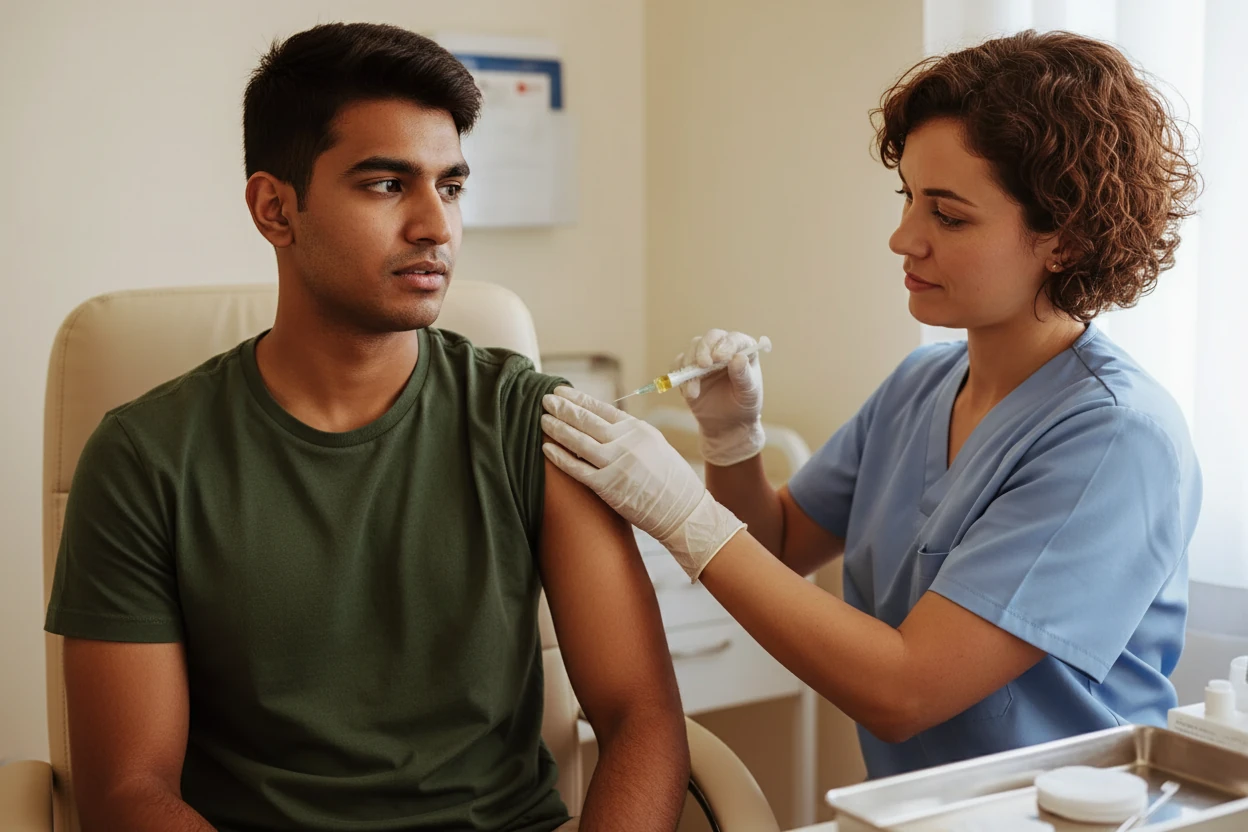
💡 Did You Know? Getting vaccinated as soon as possible after exposure to someone with monkeypox (ideally within 4 days) may help prevent the disease or make it less severe23.
These atypical features can complicate diagnosis and may lead to misidentification as other sexually transmitted infections or dermatologic conditions34.
Key atypical features summary:
- Genital and perianal lesion localization417
- Rash preceding systemic symptoms or no prodrome135
- Lesions in multiple stages simultaneously34
- Rectal pain and bleeding135
- Bacterial skin superinfection in some cases21
Monkeypox Treatment Timing and Options
Treatment for monkeypox is primarily supportive, focusing on symptom relief and preventing complications10622. Most cases resolve without specific antiviral therapy within 2 to 4 weeks15.
| Treatment Option | Indication | Timing Considerations |
|---|---|---|
| Supportive care | All patients | Throughout illness duration101 |
| Analgesics | Pain management | Adjusted to lesion pain phase617 |
| Tecovirimat (TPOXX) | Severe or high-risk cases | Early initiation preferred622 |
| Post-exposure vaccination | After exposure, before symptoms | Within 4 days optimal, up to 14 days62223 |
Supportive care includes:
- Pain management with over-the-counter or prescription analgesics depending on severity622
- Maintaining hydration and nutrition, especially if oral lesions cause difficulty eating141
- Preventing and treating secondary bacterial infections of skin lesions21
Antiviral therapy is reserved for patients at high risk of severe disease, such as immunocompromised individuals, pregnant people, or those with extensive lesions622. Tecovirimat (TPOXX) is an antiviral authorized under expanded access for monkeypox treatment but is not formally FDA-approved for this indication622.
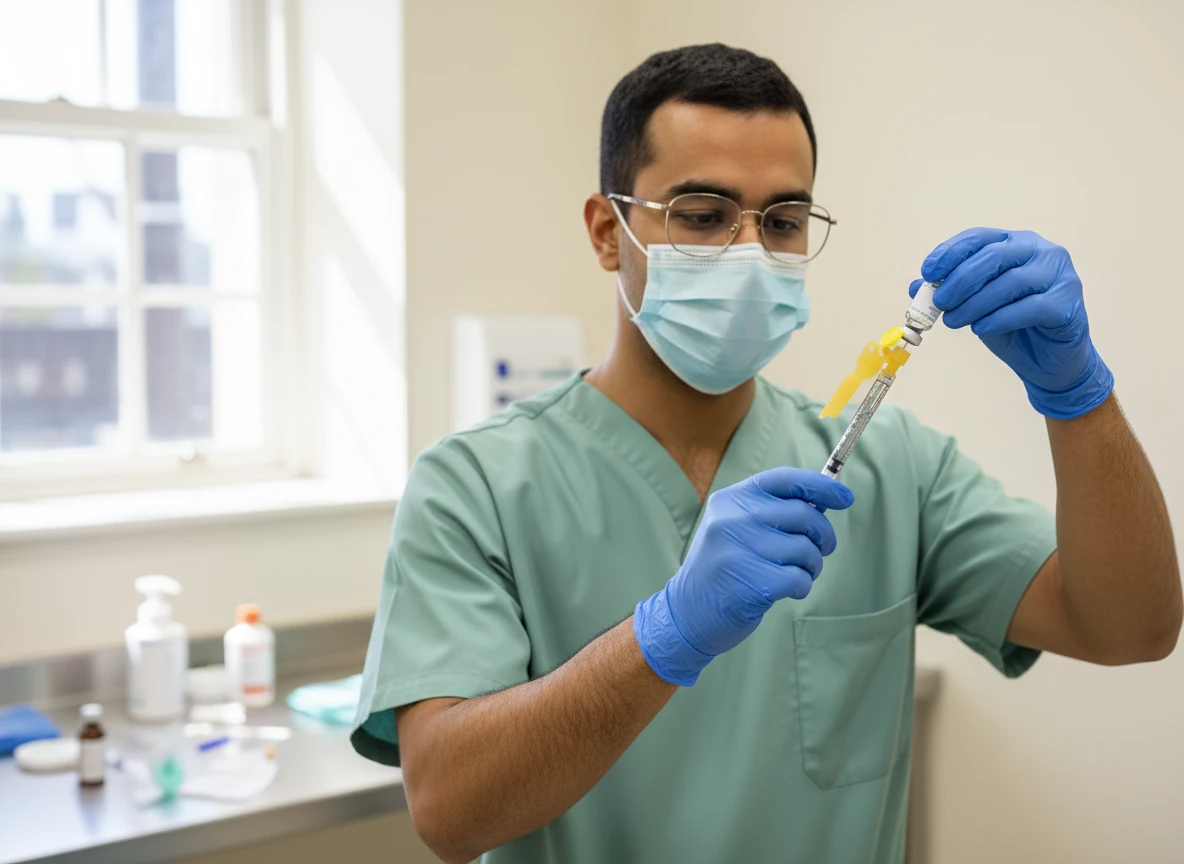
Post-exposure vaccination with smallpox vaccines JYNNEOS or ACAM2000 is recommended to prevent or reduce disease severity if given promptly after exposure62223. The vaccine is most effective when administered within 4 days of exposure, with some benefit up to 14 days622.
“Antiviral drugs developed for smallpox may be used to treat mpox infections. Antivirals, such as tecovirimat (TPOXX), may be recommended for some people who are more likely to get severely ill, like patients with weakened immune systems.”23
Lesion timing is important for treatment decisions because:
- Lesions often develop at the site of exposure and may localize to genital or perianal areas417
- Lesions are painful initially but become less so during healing, guiding analgesic needs417
- Early treatment may reduce symptom severity and prevent complications in high-risk patients622