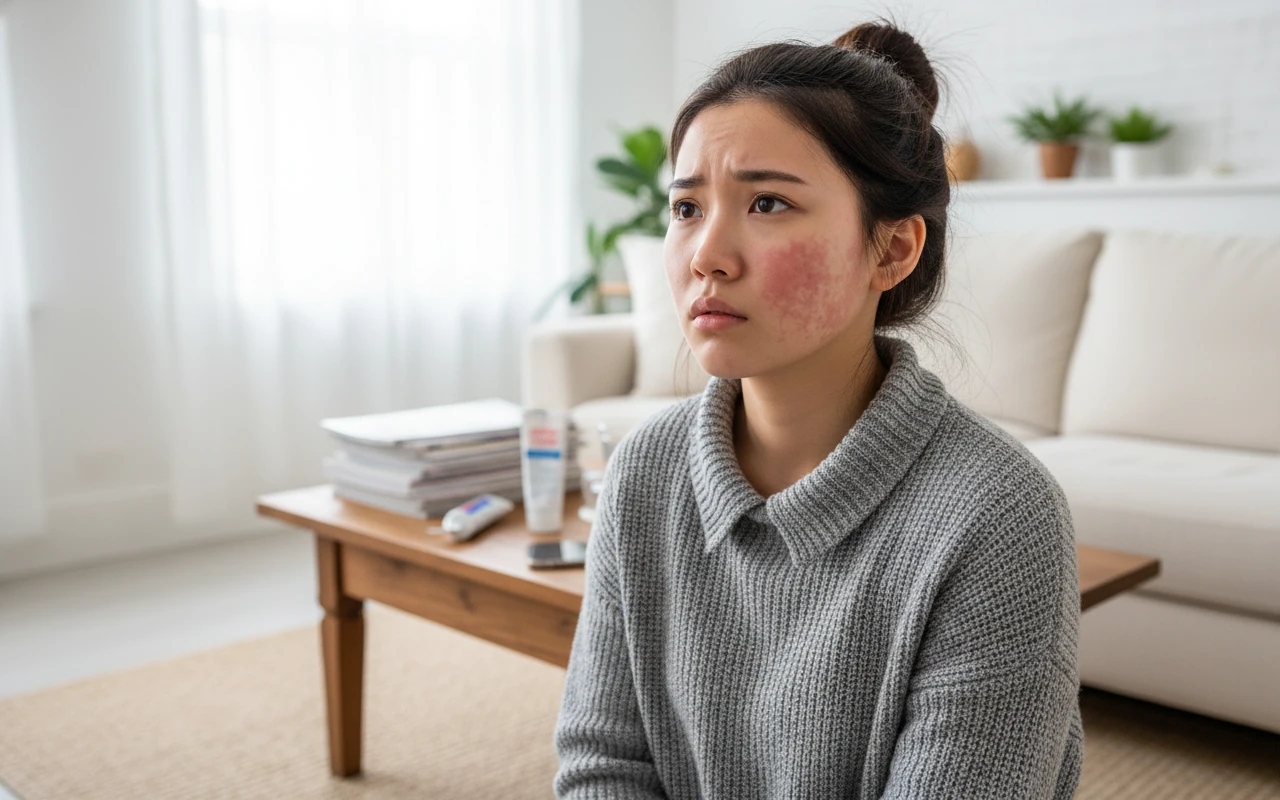
Fifth disease is a common viral illness caused by parvovirus B19, primarily affecting children aged 5 to 15 years1. It often begins with mild cold-like symptoms before developing a distinctive bright red rash on the cheeks, earning it the nickname "slapped cheek disease"2. While most cases are mild and resolve on their own, adults may experience joint pain, and certain groups, such as pregnant women and immunocompromised individuals, can face more serious complications34.
Initial Cold and Flu Symptoms
Fifth disease typically starts with nonspecific symptoms that resemble a common cold or flu. These early signs include fever, headache, and coryza (nasal congestion or runny nose)5. The incubation period—the time between exposure to the virus and symptom onset—is usually 4 to 14 days5. During this prodromal phase, the virus is highly contagious, even though symptoms are mild or sometimes absent65.
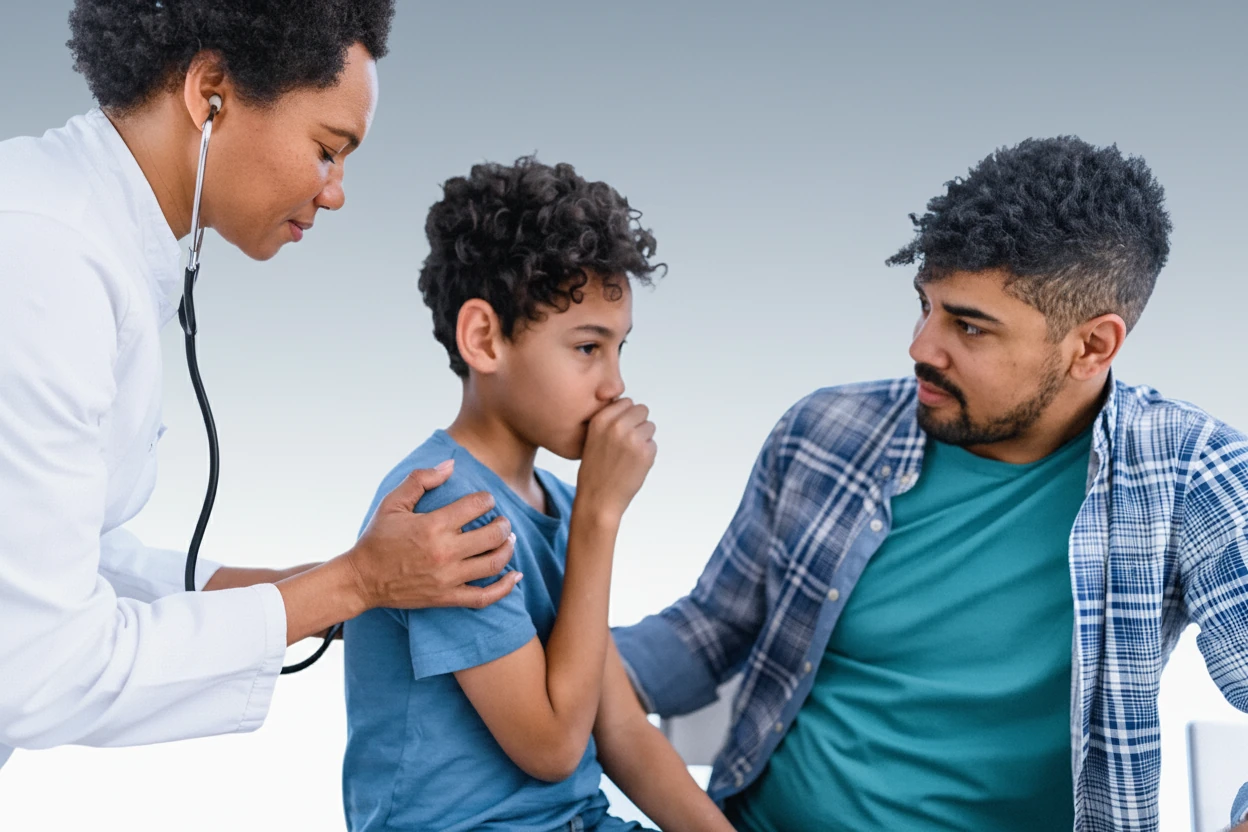
Children may experience fatigue, low-grade fever, sore throat, and cough during this phase, but about 20% show no symptoms at all while still being able to spread the virus2. Adults often have similar flu-like symptoms but may not develop the characteristic rash seen in children7. These initial symptoms generally resolve within a few days, often before the rash appears1.
- Early symptoms of fifth disease include:
- Fever5
- Headache5
- Runny or stuffy nose (coryza)5
- Fatigue and body aches2
- Sore throat and cough7
Fifth Disease Rash Characteristics
The hallmark of fifth disease is a distinctive skin rash that usually appears several days after the initial cold-like symptoms subside. The rash begins with a bright red "slapped cheek" appearance on the face, especially prominent in children82. This facial rash is often the first visible sign that differentiates fifth disease from other viral illnesses9.
Following the cheek rash, a second rash may develop on the trunk, arms, legs, and buttocks. This rash is typically pruritic (itchy) and has a lacy or reticular (net-like) pattern82. The rash can become confluent, meaning the red blotches may merge into larger patches8. It usually lasts from 7 to 10 days but can persist or recur for several weeks, especially after exposure to sunlight, heat, or exercise82.
The rash is more common and pronounced in children, while adults may rarely develop it10. Environmental factors like overheating or physical activity can cause the rash to reappear or worsen temporarily8.
- Key features of the fifth disease rash:
- Bright red "slapped cheek" rash on the face8
- Pruritic, erythematous (red) lacy rash on the body8
- Rash mainly affects children10
- Rash may become confluent and itchy8
- Rash can reappear for weeks, triggered by heat or exercise8
The "slapped cheek" rash is a strong indicator of fifth disease and usually appears after initial flu-like symptoms have resolved. While the rash is most common in children, adults may experience other symptoms such as joint pain without the rash.2
Joint Pain and Swelling
Joint pain and swelling, also known as arthropathy, are common manifestations of parvovirus B19 infection, especially in adults11. Up to 78% of adults with fifth disease experience joint symptoms, which are more frequent in women than men611. These symptoms usually develop 1 to 3 weeks after the initial infection11.
The joints most commonly affected include the hands, wrists, knees, ankles, and feet. The pain is often symmetrical, meaning it affects the same joints on both sides of the body74. Joint swelling and stiffness may accompany the pain, resembling arthritis, but these symptoms typically resolve within one to two weeks11. In some cases, joint pain can persist for several months but usually does not cause long-term damage1112.
Children are less likely to experience joint symptoms, and when they do, the symptoms tend to be milder11. Adults may sometimes have joint pain without other symptoms like rash or fever7.
- Characteristics of joint pain in fifth disease:
- More common in adults than children11
- Affects multiple joints symmetrically7
- Most frequent in women11
- Develops 1–3 weeks after infection11
- Usually resolves within weeks but can persist for months11
“Arthropathy is a typical clinical manifestation of parvovirus B19 infection, especially in adult women, and usually resolves without long-term joint damage.”
— Kumar et al.11
Fifth Disease Contagious Period
Fifth disease is most contagious during the prodromal phase, before the rash appears5. During this time, the virus spreads primarily through respiratory droplets expelled when an infected person coughs, sneezes, or talks5. The virus can also survive on surfaces, allowing transmission through contact with contaminated objects5.
Transmission can occur via mcv blood test results meaning and normal range and blood products, and pregnant women infected with parvovirus B19 can pass the virus to their unborn babies, although this is rare65. Once the characteristic rash develops, the person is usually no longer contagious because the body’s immune response has begun to control the infection5.
Good hygiene practices, such as frequent handwashing and avoiding close contact with infected individuals during the contagious phase, can help reduce the spread of the virus5.
- Contagiousness and transmission of fifth disease:
- Most contagious before rash onset5
- Spread through respiratory droplets5
- Virus can survive on surfaces and spread by contact5
- Transmission possible via blood and blood products5
- Not contagious once rash appears5
💡 Did You Know? Fifth disease is highly contagious during the early cold-like symptoms phase but is not contagious once the rash appears52.
When to Seek Medical Care
Most cases of fifth disease are mild and self-limited, resolving without medical intervention8. However, certain situations warrant contacting a healthcare provider. Severe symptoms such as persistent high fever, intense joint pain, or rash lasting longer than usual should prompt medical evaluation611.
“Parvovirus B19 infection is usually mild in otherwise healthy individuals. Common symptoms include a "slapped cheek" rash in children and joint pains in adults.”
— Centers for Disease Control and Prevention (CDC)3
People with weakened immune systems, underlying blood disorders (like sickle cell disease or thalassemia), or pregnant women should seek medical advice promptly if they suspect infection. In these groups, parvovirus B19 can cause serious complications such as severe anemia or fetal loss114.
Healthcare providers may perform blood tests to detect parvovirus antibodies or viral DNA to confirm recent infection, especially in high-risk individuals4. Treatment mainly focuses on relieving symptoms, including fever, itching, and joint pain. Severe anemia may require supportive care such as blood transfusions37.
- When to see a healthcare provider:
- Severe or persistent fever6
- Intense or prolonged joint pain11
- Rash lasting several weeks or worsening6
- Immunocompromised individuals with symptoms11
- Pregnant women with suspected infection134
Fifth Disease Summary
Fifth disease is a mild viral illness caused by parvovirus B19, most commonly affecting children aged 5 to 15 years1. It begins with cold-like symptoms such as fever, headache, and runny nose, followed by a distinctive "slapped cheek" rash and a lacy body rash62. Adults are more likely to experience joint pain and swelling rather than the rash117.
The disease is contagious during the early phase before the rash appears and spreads mainly through respiratory droplets5. Most cases resolve without treatment, but severe complications can occur in pregnant women, immunocompromised individuals, and those with blood disorders114.
Good hygiene practices help prevent transmission, and medical care should be sought if symptoms are severe or persistent. Immunity after infection usually lasts a lifetime, preventing reinfection1.
| Feature | Children | Adults |
|---|---|---|
| Common symptoms | "Slapped cheek" rash, mild fever | Joint pain, flu-like symptoms |
| Rash presence | Common and distinctive | Rare |
| Joint pain | Less common | More common, especially women |
| Contagious period | Before rash appears | Before symptoms or rash |
| Risk of complications | Usually mild | Higher in pregnant or immunocompromised individuals |