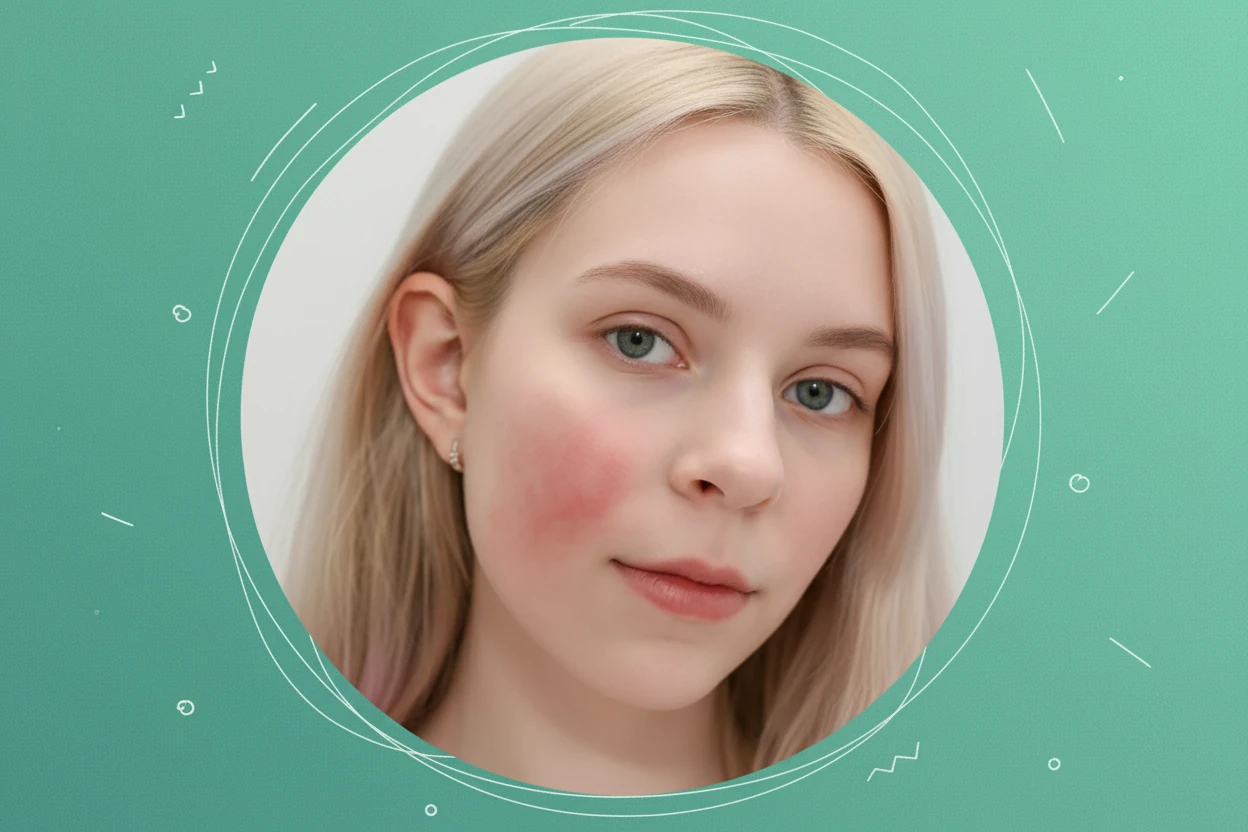
Fifth disease is a common viral infection that primarily affects children between the ages of 5 and 15 years1. It is caused by parvovirus B19 and is known for its distinctive bright red rash on the cheeks, which often spreads to other parts of the body2. Although usually mild and self-limited, fifth disease can lead to complications in certain groups, including pregnant people and those with weakened immune systems or mcv blood test results meaning and normal range disorders3.
Fifth Disease Symptoms: Recognizing the 'Slapped Cheek' Rash & Other Signs
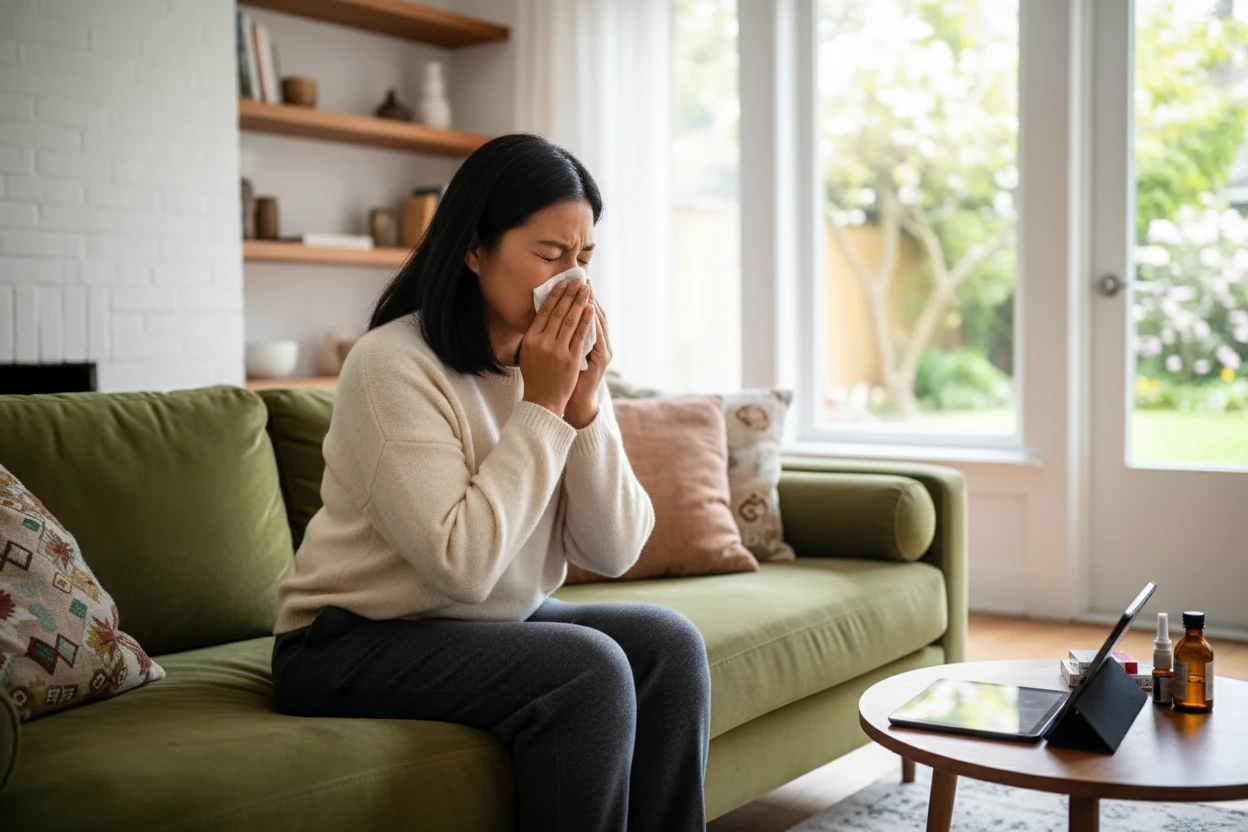
Symptoms of fifth disease typically begin within 4 to 14 days after infection with parvovirus B194. Early signs often resemble mild flu-like symptoms, such as low-grade fever, headache, runny or stuffy nose, and general fatigue45. In many children, these initial symptoms may be absent, but they can still spread the virus to others2.
The hallmark symptom in children is the "slapped cheek" rash, a bright red rash that appears on the cheeks a few days after the initial symptoms1. This rash usually spreads to the chest, back, arms, legs, and buttocks, often developing a lace-like or net-like pattern as it fades413. The rash may be itchy but generally resolves within 7 to 10 days, although it can come and go for several weeks13.
Adults infected with parvovirus B19 often do not develop the characteristic rash. Instead, they are more likely to experience symmetrical joint pain and swelling, especially in the small joints of the hands, knees, and feet45. This arthropathy can last from one to three weeks but may persist for months or even years in about 10% of adults4.
What Causes Fifth Disease? Understanding Parvovirus B19 Infection
Fifth disease is caused by infection with parvovirus B19, a virus that infects only humans4. The virus spreads primarily through respiratory droplets when an infected person coughs or sneezes, releasing virus particles into the air64. It can also be transmitted by touching contaminated surfaces, such as doorknobs or countertops, and then touching the face6. Additionally, parvovirus B19 can spread through blood and blood products and from a pregnant person to their unborn baby6.
The infection is most contagious during the prodromal phase, when nonspecific flu-like symptoms are present but before the rash appears4. Once the rash develops, patients are generally no longer infectious4. Fifth disease is most common in late winter, spring, and early summer, with mini outbreaks occurring every 3 to 4 years6.
Risk Factors
- Age: Children aged 5 to 15 years are most commonly affected12.
- Immune status: People with weakened immune systems, such as those with HIV, cancer, or organ transplants, are at higher risk of severe illness63.
- Blood disorders: Individuals with hemolytic anemias, such as sickle cell disease or thalassemia, are more susceptible to complications63.
- Pregnancy: Infection during pregnancy can lead to fetal complications, especially if it occurs in the first 20 weeks67.
Diagnosing Fifth Disease: Tests & Clinical Evaluation for Parvovirus B19
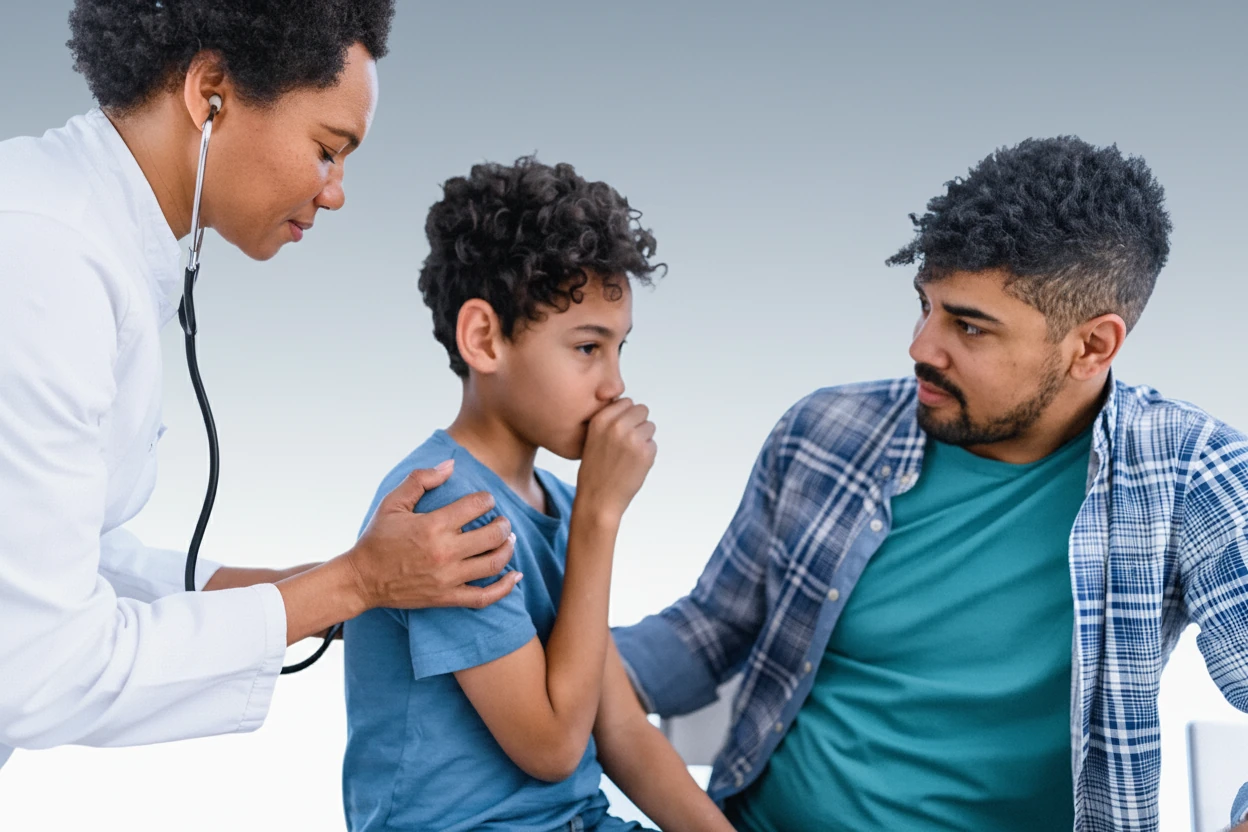
Diagnosis of fifth disease is often clinical, based on the characteristic facial rash in children and the presence of joint symptoms in adults4. Healthcare providers usually recognize the "slapped cheek" rash and the subsequent lacy rash on the body8.
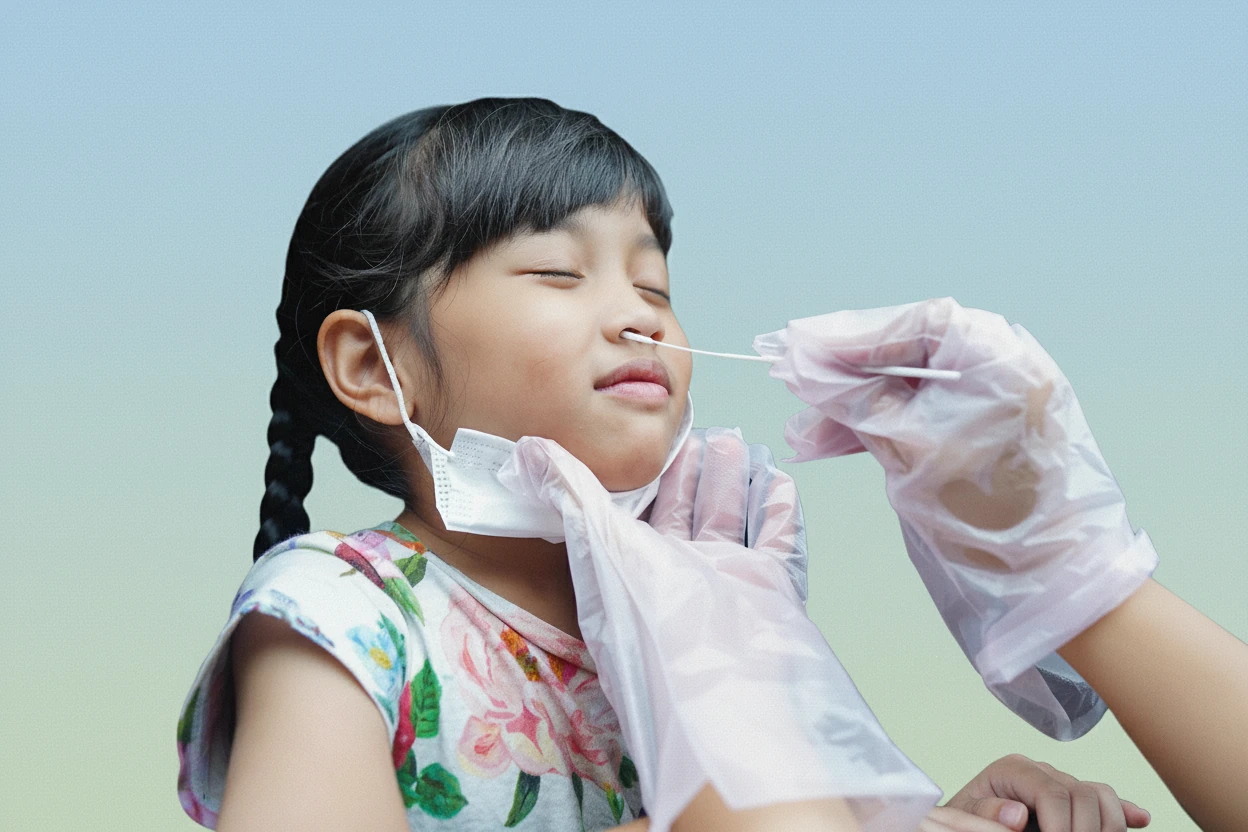
When the diagnosis is uncertain or complications are suspected, serologic testing for parvovirus B19-specific antibodies can be performed7. Detection of IgM antibodies indicates a recent infection, while IgG antibodies suggest past exposure and immunity7. IgM antibodies typically persist for 1 to 3 months after infection, whereas IgG antibodies remain detectable lifelong7.
Because parvovirus B19 is highly contagious during the early phase before rash onset, patients are usually no longer infectious once the rash appears, which helps guide isolation recommendations4.
Fifth disease is usually mild and self-limited in healthy children and adults, but it can cause serious complications in vulnerable groups such as pregnant people and those with blood disorders. Practicing good hygiene and seeking medical advice if symptoms worsen are important steps in managing the illness.39
Fifth Disease Treatment Options: Managing Symptoms & Supportive Care
Fifth disease is generally a mild illness that resolves spontaneously without specific therapy4. Treatment focuses on relieving symptoms such as fever, headache, and joint pain3. Over-the-counter pain relievers like acetaminophen (Tylenol) can help manage fever and muscle aches68. Aspirin should be avoided in children due to the risk of Reye syndrome8.
In adults with joint symptoms, rest and activity restriction may be necessary until symptoms improve4. Most joint pain resolves within weeks, but some adults may experience persistent symptoms for months4.
For individuals with severe anemia or those who are immunocompromised, more intensive treatments may be required. These include:
- Blood transfusions to replenish red blood cells if anemia develops6.
- Intravenous immunoglobulin (IVIG), which contains antibodies against parvovirus B19, to help fight the infection and reduce complications6.
“People with Parvovirus B19 should seek medical attention if a high fever occurs or their symptoms seem to worsen.”
— Dr. Biernbaum, Good Housekeeping9
Preventing Fifth Disease: Reducing Transmission of Parvovirus B19
There is no vaccine available to prevent fifth disease68. Prevention relies on good hygiene practices and limiting exposure to infected individuals. Key preventive measures include:
- Washing hands frequently with soap and water throughout the day68.
- Covering the nose and mouth with a tissue or elbow when coughing or sneezing to reduce respiratory droplet spread68.
- Avoiding close contact with people who are sick, especially during the contagious prodromal phase6.
- Regularly cleaning and disinfecting commonly touched surfaces such as doorknobs, light switches, and countertops6.
- Staying home when experiencing early symptoms of illness to prevent spreading the virus8.
💡 Did You Know? Fifth disease mainly affects children but can also infect adults, who are more likely to experience joint pain than rash1.
Fifth Disease Complications: Risks in Pregnancy, Anemia & Immunocompromised Patients
Although fifth disease is usually mild and self-limited in healthy individuals, it can cause serious complications in certain groups43. These include:
- Aplastic anemia: Parvovirus B19 can temporarily halt the production of oxygen-carrying red blood cells, leading to severe anemia, especially in people with underlying blood disorders like sickle cell anemia or thalassemia63. Symptoms include weakness, pale skin, fatigue, chills, easy bruising, bleeding, and shortness of breath6.
- Fetal complications: Infection during pregnancy can spread to the fetus, causing anemia and hydrops fetalis (fluid buildup in fetal organs and tissues), which increases the risk of miscarriage or stillbirth. These complications are more likely when infection occurs in early pregnancy67.
- Chronic joint symptoms: Up to 10% of adults may experience persistent joint pain and swelling lasting months to years after infection4.
- Increased risk in immunocompromised individuals: People with cancer, HIV, or organ transplants are more likely to develop severe or prolonged illness6.
| Complication | Affected Group | Key Features | Risk Period |
|---|---|---|---|
| Aplastic anemia | Blood disorders, immunocompromised | Severe anemia, fatigue, bleeding | During infection |
| Fetal hydrops | Pregnant people | Fetal anemia, fluid buildup, miscarriage risk | Early pregnancy |
| Chronic arthropathy | Adults | Persistent joint pain and swelling | Post-infection |
| Severe illness | Immunocompromised | Prolonged symptoms, complications | During infection |
Fifth Disease (Parvovirus B19) Summary: Key Facts & Takeaways
Fifth disease, caused by parvovirus B19, is a common viral illness primarily affecting children aged 5 to 15 years13. It typically begins with mild flu-like symptoms, followed by a distinctive bright red "slapped cheek" rash and a lacy rash on the body41. Adults often experience joint pain rather than rash4.
The virus spreads mainly through respiratory droplets and is most contagious before the rash appears4. Diagnosis is usually clinical, supported by serologic testing when needed7. Treatment is supportive, focusing on symptom relief, with blood transfusions and IVIG reserved for severe cases64.
Good hygiene and avoiding contact with infected individuals are the best ways to prevent fifth disease68. While most people recover fully without complications, pregnant people, those with blood disorders, and immunocompromised individuals are at higher risk for serious outcomes673.