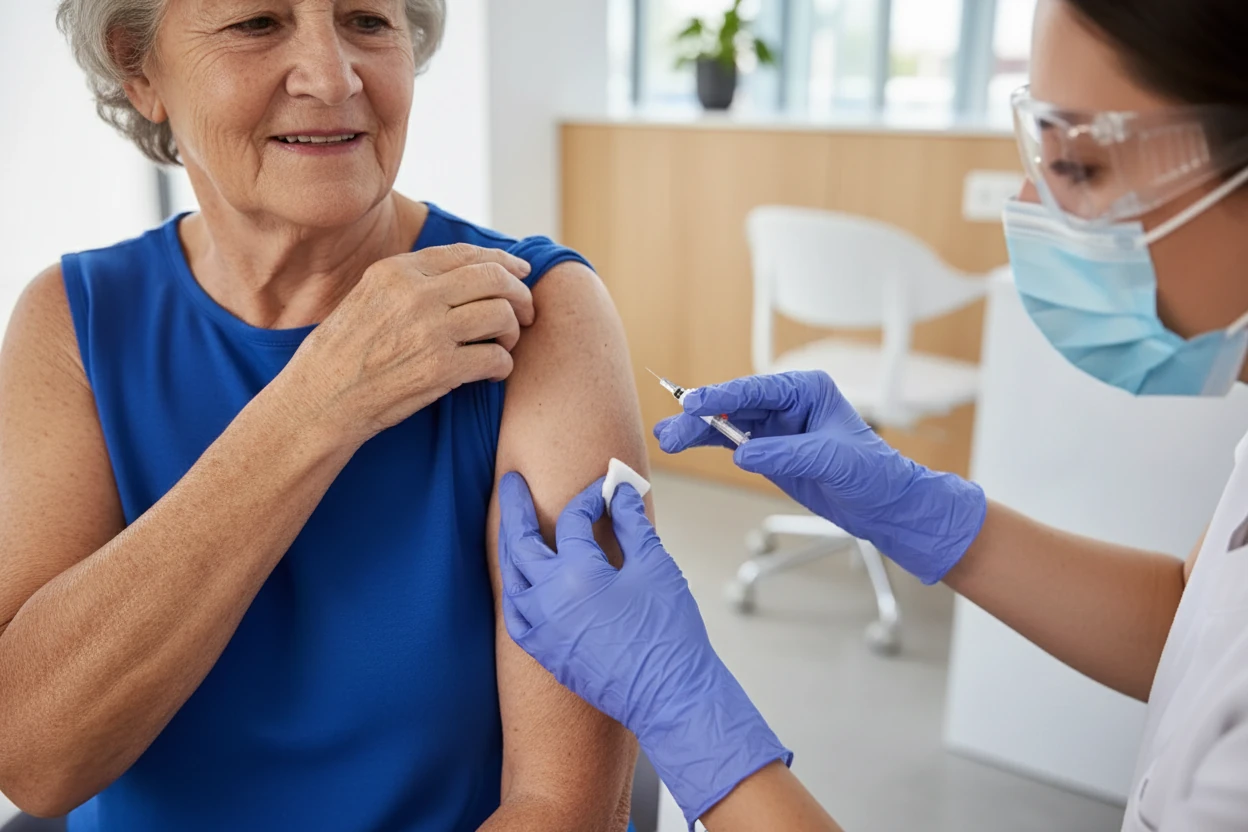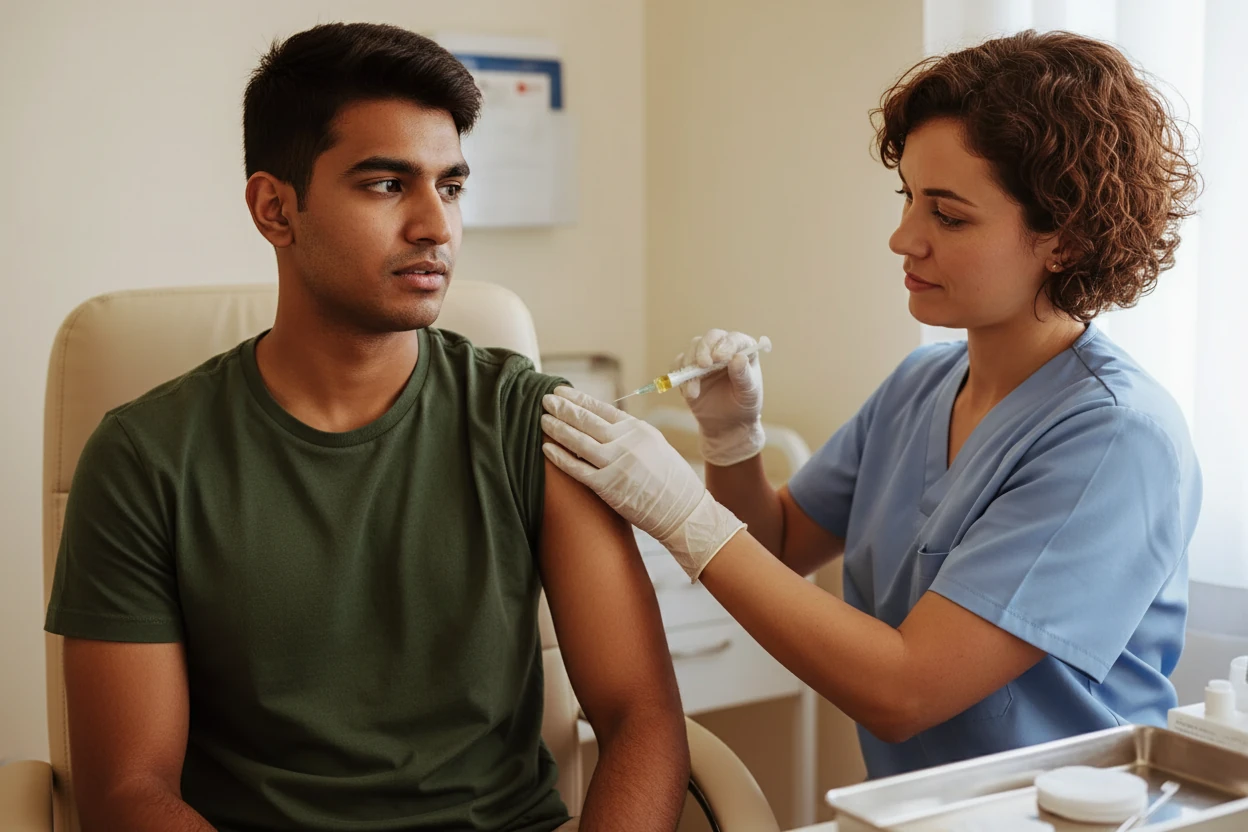
COVID-19 continues to evolve with new variants like XBB.1.5 dominating in 2024, prompting updated vaccine formulations to maintain protection against severe illness1. Updated monovalent vaccines targeting these variants have demonstrated significant effectiveness in preventing hospitalization and death, especially among older adults and immunocompromised individuals2. Despite these advances, vaccine effectiveness wanes over time, underscoring the need for ongoing vaccination efforts3. This article explores why COVID vaccines require updates and the challenges faced in vaccine distribution.
Why COVID Vaccines Require Updates
SARS-CoV-2, the virus causing COVID-19, is constantly evolving, with Omicron subvariants such as XBB.1.5 and JN.1 predominating in recent years1. This rapid evolution leads to immune evasion, where new variants can partially escape protection from prior infection or vaccination with earlier strains4. As a result, vaccine formulations must be updated regularly to match circulating variants and maintain effectiveness.
Vaccine effectiveness (VE) studies have shown that updated XBB.1.5-containing boosters provide substantial protection against severe COVID-19 outcomes, including hospitalization and death. For example, in adults aged 65 and older, the monovalent XBB.1.5 vaccine demonstrated approximately 75% effectiveness against mortality within 90 days post-booster2. However, this protection declines over time, with VE dropping significantly by the fifth month after vaccination5.
Annual variant-targeted vaccination is recommended to sustain protection against severe COVID-19 illness, similar to the approach used for seasonal influenza vaccines6. This strategy is supported by continuous monitoring of SARS-CoV-2 variants, which guides decisions on vaccine strain updates1. The vaccine composition is adjusted based on surveillance data to optimize protection against the most prevalent and antigenically distinct variants7.
Updated boosters targeting current variants have been shown to improve protection against severe disease and hospitalization8. For instance, vaccines adapted to the JN.1 lineage, which replaced XBB variants in early 2024, elicit stronger neutralizing antibody responses against circulating strains than previous XBB.1.5 vaccines98. However, emerging subvariants like LP.8.1 and LF.7 exhibit modest immune evasion, which may reduce vaccine-induced neutralization1011.
The use of mRNA technology has enabled rapid adaptation of vaccines to new variants. Monovalent XBB.1.5-adapted mRNA vaccines were approved in late 2023 for individuals aged 6 months and older, providing a tailored immune response to the dominant strain12. Subsequent updates have targeted JN.1 and KP.2 lineages for the 2024-2025 season to address ongoing viral evolution13.
| Variant/Subvariant | Vaccine Target | Effectiveness Notes | Age Group Focus |
|---|---|---|---|
| XBB.1.5 | Monovalent XBB.1.5 spike protein | ~75% effectiveness against mortality in ≥65 years (within 90 days) | Older adults2 |
| JN.1 | Included in updated vaccines | Moderate protection; some immune evasion by emerging subvariants | Adults1415 |
| BA.4/BA.5 | Included in bivalent vaccines | Moderate protection; bivalent boosters elicit higher antibody titers | General population1617 |
Protection from vaccination decreases over time, particularly against symptomatic infection with Omicron variants, which supports the need for updated boosters18. Additionally, immunity from prior infection wanes, and new variants can evade immune responses, making ongoing vaccination essential4. The Advisory Committee on Immunization Practices (ACIP) recommends annual COVID-19 vaccination to maintain protection, especially in high-risk groups719.
“Vaccination remains critical to public health and continued protection against serious consequences of COVID-19, including hospitalization and death. The public can be assured that these updated vaccines have met the agency's rigorous scientific standards for safety, effectiveness, and manufacturing quality. We very much encourage those who are eligible to consider getting vaccinated.”
— Peter Marks, M.D., Ph.D., FDA's Center for Biologics Evaluation and Research20
Challenges in Vaccine Distribution
Despite the availability of updated vaccines, several hurdles remain in achieving high booster coverage. Vaccine hesitancy continues to impact uptake, with some individuals reluctant to receive additional doses due to concerns about safety, side effects, or perceived reduced risk of severe disease21. The declining severity of COVID-19 outcomes in the general population may further reduce motivation for booster vaccination21.
“This makes things much more complicated and when things get complicated we see vaccine uptake go down.”
— Andy Pekosz, Johns Hopkins University23
Administering multiple vaccines simultaneously, such as COVID-19, influenza, and respiratory syncytial virus (RSV) vaccines, adds complexity to public health efforts and may contribute to logistical challenges22. Coordinated strategies are necessary to address these barriers and improve vaccination rates.
The FDA and CDC have updated vaccine recommendations to include monovalent vaccines targeting the XBB.1.5 variant for individuals aged 6 months and older20. However, recent regulatory changes have introduced restrictions on vaccine eligibility. For the 2025-2026 season, the FDA narrowed vaccine use for younger adults and children to those with at least one high-risk health condition, such as asthma or obesity, limiting access for many healthy individuals23. Pfizer’s vaccine emergency use authorization was revoked for children under 5, leaving Moderna as the only approved option for this age group, but only for those with serious health problems23.
These restrictions create barriers and confusion for patients, healthcare providers, and pharmacists. Pharmacists, who administer most COVID-19 vaccines, are often not equipped to verify medical risk conditions, and state laws vary on pharmacist vaccination authority23. Insurance coverage decisions based on advisory panel recommendations may further complicate access, potentially requiring out-of-pocket payments for some individuals23.
Vaccine effectiveness data support the use of updated vaccines to reduce severe outcomes. Real-world evidence indicates that XBB.1.5-adapted mRNA vaccines effectively prevent hospitalization and death, particularly in older adults and immunocompromised persons82425. However, vaccine-induced immunity wanes over months, necessitating periodic booster doses to sustain protection318.
Public health agencies emphasize the importance of vaccination, especially for high-risk groups such as older adults, immunocompromised individuals, and those with underlying health conditions26. The CDC recommends the 2024-2025 COVID-19 vaccine for most adults aged 18 and older, with discussions advised for parents of children aged 6 months to 17 years to assess vaccination benefits26.
- Vaccine hesitancy and misinformation reduce booster uptake21.
- Logistical challenges arise from administering multiple vaccines concurrently22.
- Regulatory restrictions limit vaccine access for healthy younger populations23.
- Insurance coverage and out-of-pocket costs may deter vaccination23.
- Public health messaging is critical to encourage vaccination among high-risk groups26.