Respiratory syncytial virus (RSV) is a common respiratory virus that usually causes mild, cold-like symptoms, but it can lead to severe illness, especially in older adults and infants1. Each year in the United States, RSV causes up to 180,000 hospitalizations and thousands of deaths among adults aged 50 and older2. In 2023, the U.S. Food and Drug Administration (FDA) approved the first vaccines specifically designed to protect adults aged 60 and older from severe RSV disease, marking a significant advancement in public health34.
RSV Vaccine for Older Adults: Protection Against Severe Respiratory Illness
RSV is a highly contagious virus that infects the lungs and breathing passages. While most people recover in a week or two, older adults, particularly those with underlying health conditions such as heart or lung disease or weakened immune systems, are at high risk for severe RSV disease52. RSV can cause serious lower respiratory tract infections (LRTIs) like bronchiolitis and pneumonia, which may lead to hospitalization or death in vulnerable populations67.
Annually, RSV leads to approximately 60,000 to 160,000 hospitalizations and 6,000 to 10,000 deaths among adults aged 60 years and older in the U.S.78. The risk of severe RSV disease increases sharply after age 50 and peaks in adults over 6079. Chronic respiratory and cardiac diseases, including asthma and heart failure, can worsen during RSV infection710.
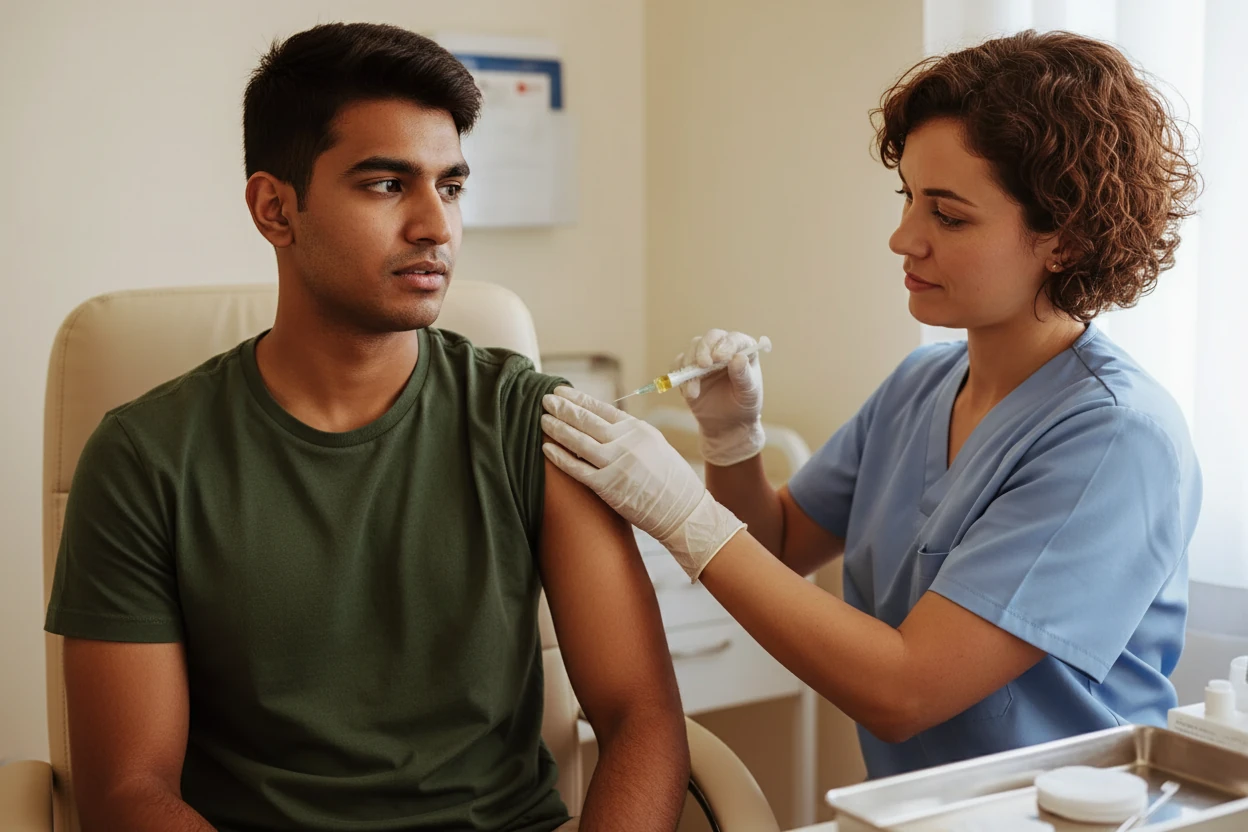
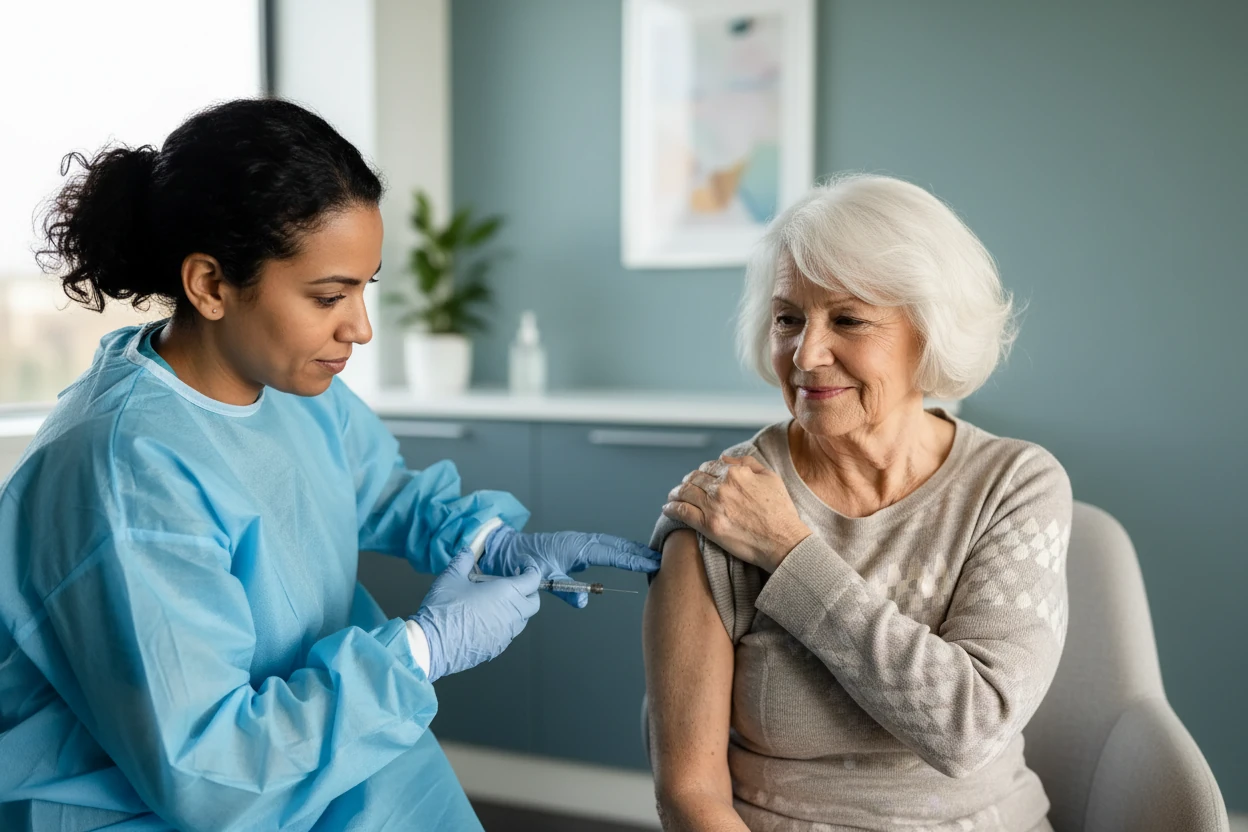
The FDA approved two RSV vaccines in 2023 for adults aged 60 and older: Arexvy by GSK and Abrysvo by Pfizer. Both vaccines target the prefusion F protein of RSV, a key viral protein involved in infection, and have demonstrated efficacy rates of about 80–90% against RSV lower respiratory tract disease111213. Moderna’s RSV vaccine, mResVax, was approved in 2024 for adults 60 years and older and is expected to be approved for younger adults at increased risk in 202514.
“Older adults, particularly those with underlying health conditions such as heart or lung disease or weakened immune systems, are at high risk for severe disease caused by RSV. Today’s approval of the first RSV vaccine is an important public health achievement to prevent a disease that can be life-threatening and reflects the FDA’s continued commitment to facilitating the development of safe and effective vaccines for use in the United States.”
— Peter Marks, M.D., Ph.D., FDA Center for Biologics Evaluation and Research5
The Centers for Disease Control and Prevention (CDC) recommends a single dose of any FDA-licensed RSV vaccine for all adults aged 75 and older, and for adults aged 50 to 74 who are at increased risk for severe RSV disease142. Conditions that increase risk include:
- Chronic cardiovascular disease
- Chronic lung or respiratory disease
- End-stage renal disease
- Diabetes mellitus with complications
- Neurologic or neuromuscular conditions
- Chronic liver disease
- Severe obesity
- Moderate or severe immune compromise
- Residence in a nursing home14
RSV vaccines can be co-administered with influenza and covid-test-accuracy-for-eg5-and-ba286-variants">covid-test-accuracy-for-eg5-and-ba286-variants">COVID-19 vaccines during the same visit, although safety data on co-administration are still emerging1514.
Clinical Trial Results: Efficacy and Safety of the RSV Vaccine in Older Adults
The approval of RSV vaccines for adults aged 60 and older was supported by data from large phase 3 randomized controlled trials involving approximately 25,000 participants1216. These trials evaluated the vaccines’ efficacy, safety, and durability over multiple RSV seasons1217.
Both Arexvy and Abrysvo vaccines demonstrated high efficacy in preventing RSV-associated lower respiratory tract disease (LRTD) in older adults:
| Vaccine | Efficacy Against RSV LRTD | Efficacy Against Severe RSV LRTD | Source(s) |
|---|---|---|---|
| Arexvy | ~83% | ~94% | 125 |
| Abrysvo | ~79% | Data consistent with high efficacy | 1418 |
| mResVax | ~80% (first 4 months) | N/A | 14 |
The vaccines showed durable protection lasting through at least two RSV seasons, with no additional benefit observed from revaccination after one year in the general population1719. The vaccines target the prefusion F protein, which is crucial for viral entry into host cells, enabling the immune system to mount a strong protective response1112.
“A lot has changed for RSV. There have been attempts to make a vaccine for decades, and they have failed for a variety of reasons.”
— Scott Roberts, MD, Yale Medicine2
Common side effects reported in clinical trials included injection site pain, fatigue, muscle pain, headache, and joint pain1220. These adverse events were generally mild to moderate and resolved quickly.
Rare but serious neurological adverse events have been reported post-vaccination, including Guillain-Barré syndrome (GBS) and acute disseminated encephalomyelitis (ADEM). For example, one participant developed GBS nine days after receiving Arexvy, and two participants developed ADEM after concomitant administration of Arexvy and influenza vaccine20215. Fatality has been reported in at least one case of ADEM following RSV vaccination21. The FDA requires postmarketing surveillance studies to monitor these rare events and potential cardiac risks such as atrial fibrillation20215.
Vaccine uptake among older adults remains limited, with only about 10–16% of adults aged 60 and older vaccinated during the first seasons of availability. Disparities in vaccine coverage exist based on race and socioeconomic status222324.
Key Points from Clinical Trials:
- Large randomized controlled trials with ~25,000 older adults confirmed vaccine efficacy1216.
- Vaccines reduced risk of RSV-associated LRTD by approximately 80–90%121613.
- Protection lasts through at least two RSV seasons without need for annual revaccination1719.
- Common side effects are mild and include injection site pain and fatigue1220.
- Rare neurological events such as GBS and ADEM require ongoing safety monitoring2021.
- Vaccine uptake is low, highlighting need for increased awareness and access2223.