Millions of people still have at-home COVID-19 test kits stored from earlier in the pandemic, many of which have passed their printed expiration dates. While these tests may seem expired, recent data show that some can remain effective beyond their original shelf life, especially when the FDA has extended expiration dates based on stability studies12. However, using expired tests without confirmed extensions can lead to inaccurate results, complicating covid-testing-before-your-omicron-booster-shot">covid-vaccine-dose-for-older-adults">COVID-19 detection and management2.
Finding Your COVID Test Expiration Date
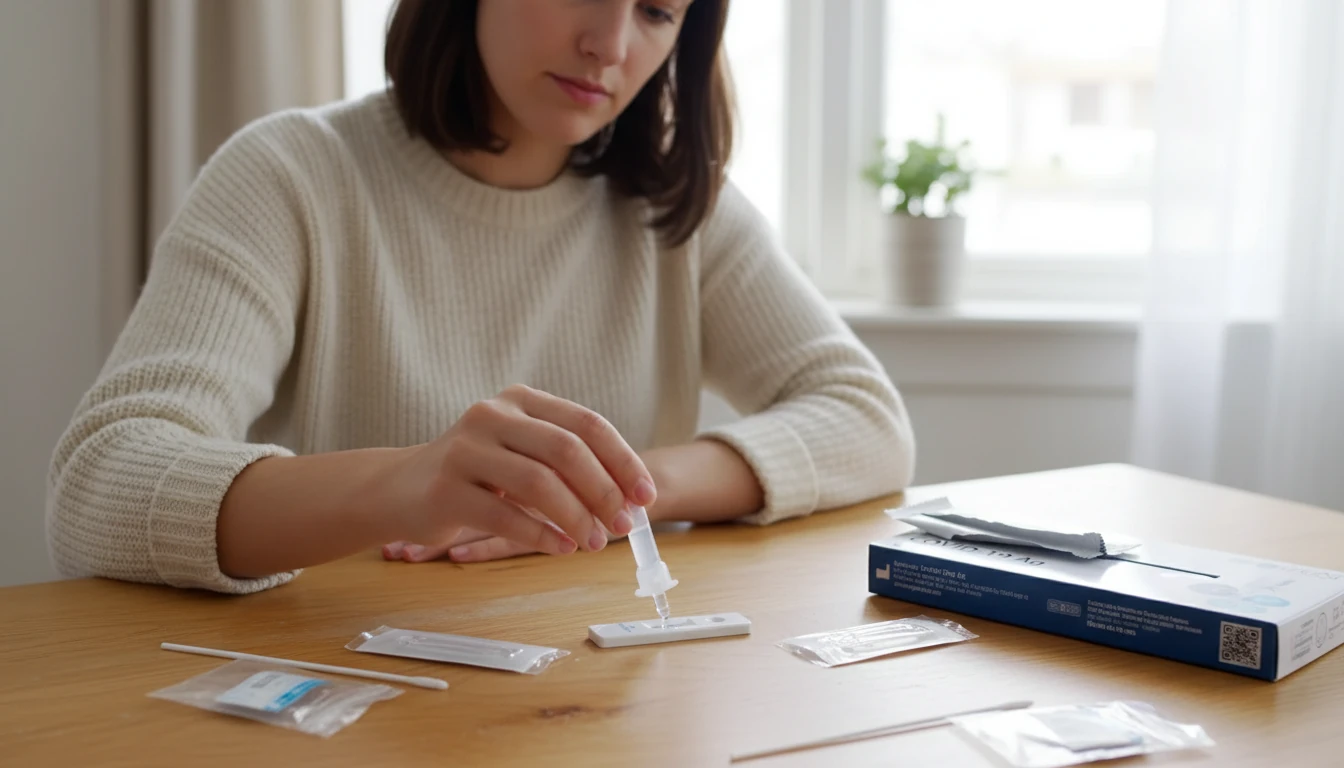
COVID-19 rapid antigen tests detect viral proteins using antibodies on test strips and reagent solutions that interact with viral antigens. These biological components degrade over time, which affects the test’s performance and shelf life3. Initially, when these tests were authorized, manufacturers and the FDA set conservative expiration dates—typically 4 to 6 months after manufacture—due to limited long-term stability data34.
As more stability data became available, the FDA began extending expiration dates for many test brands based on manufacturer-submitted evidence showing longer shelf life35. The expiration date printed on the test packaging reflects the manufacturer’s recommended shelf life under specified storage conditions, but it may not be the final word on usability3.
To determine the true expiration date of your COVID-19 test kit:
- Locate the expiration date printed on the box, often labeled as "Expiration" or "Use By"6.
- Find the lot number on the packaging, which is essential for verifying any expiration date extensions6.
- Check the FDA’s official list or website for your test brand and lot number to see if the expiration date has been extended56.
- If your test’s lot number is listed with an extended expiration date, you can use the test safely until that new date2.
- If the lot number is not listed, the printed expiration date applies, and the test should not be used past that date6.
The FDA no longer extends expiration dates for newly manufactured COVID-19 test kits, so tests made recently should be used before their printed expiration date6. For tests purchased outside the U.S., consumers may need to consult manufacturer websites or local health authorities for expiration guidance7.
“The FDA is the final authority on whether a rapid test is still valid to use. You can use what appears to be an expired rapid test if the FDA has extended its expiration date.”
— Dr. Relich8
Effectiveness of Expired COVID Tests
Expired COVID-19 tests may still work, but their effectiveness depends on whether the test components have maintained their stability. The reagent solution in antigen tests interacts with viral particles to expose antigens, while the test strips contain antibodies specific to SARS-CoV-2 antigens linked to visual indicators3. Over time, these reagents and antibodies degrade, which can reduce the test’s sensitivity and reliability32.
The FDA recommends verifying the expiration date before use and consulting their updated list of tests with extended expiration dates2. Tests that have passed their printed expiration date but have FDA-approved extensions can still be effective2. However, tests without such extensions should be considered expired and less reliable9.
Recent studies on the BinaxNOW rapid antigen test demonstrated that some expired tests retained sensitivity up to five months past their FDA-extended expiration dates1011. Despite this, the visual intensity of test lines may be fainter in expired tests, which could affect result interpretation, especially for users with limited experience7.
Factors influencing the effectiveness of expired tests include:
- Proper storage conditions (temperature and humidity)312.
- The specific test brand and lot number6.
- The time elapsed since the printed or extended expiration date107.
Using fresh, non-expired tests or molecular PCR tests remains the best practice to ensure accurate results2.
Accuracy of Expired COVID Tests
The accuracy of expired COVID-19 rapid antigen tests declines over time due to degradation of the biological components. The antibodies on the test strips and the reagent solutions are sensitive to environmental conditions and naturally lose their binding ability, which is critical for detecting viral antigens37.
Degradation leads to:
- Reduced sensitivity, increasing the risk of false-negative results2.
- Potential failure of the test to detect low viral loads, especially early in infection2.
- Fainter test lines, which may be difficult to interpret correctly7.
A false negative means the test fails to detect an active infection, which can lead to unintended virus spread if infected individuals assume they are virus-free2. Therefore, expired tests without FDA extensions should not be relied upon for definitive diagnosis.
The accuracy of any COVID test result also depends on the pre-test probability, which includes factors such as symptoms and known exposure to COVID-192. Symptomatic individuals or those with known exposure have a higher likelihood of true positive results, while asymptomatic individuals without exposure may require repeat testing to reduce false negatives212.
Can an Expired Test Give a False Positive?
False positives with expired COVID-19 antigen tests are rare. If an expired test shows a positive result, it is generally considered accurate8. The main concern with expired tests is false negatives due to loss of antibody or antigen integrity2.
“The antibodies in these tests are biological materials and, like anything with a shelf life, they degrade over time.”
— Dr. Chris Hand7
Interpreting test results should always consider clinical context:
- Positive results in symptomatic or exposed individuals are likely true positives2.
- Negative results in symptomatic individuals should be confirmed with repeat testing or PCR, especially if using an expired test212.
- Absence of known exposure does not rule out infection; testing remains important2.
Emerging variants of SARS-CoV-2 continue to influence testing dynamics, underscoring the need for reliable testing methods13.
Disposing of Expired COVID Tests
Expired COVID-19 tests without FDA-approved expiration extensions should be safely discarded to prevent misuse or accidental exposure14. Proper disposal helps avoid confusion and potential harm from inaccurate test results.
Recommendations for disposal include:
- Discard expired tests in regular household trash if no special disposal instructions are provided14.
- Ensure tests are disposed of in a way that prevents others from accessing and using them14.
- Replace expired tests with new, unexpired kits to maintain testing accuracy14.
Safe disposal is especially important because some test components contain chemicals that can be harmful if mishandled12.
Key Takeaways
- COVID-19 rapid antigen tests have expiration dates based on manufacturer stability data; initial dates were conservative but many have been extended by the FDA32.
- Always check the printed expiration date and verify any FDA-approved extensions using the test brand and lot number before using an expired test56.
- Expired tests may still detect COVID-19 but have reduced sensitivity, increasing the risk of false negatives, especially if no expiration extension exists10112.
- Positive results from expired tests are generally reliable, but negative results should be confirmed with repeat testing or PCR, particularly in symptomatic or exposed individuals28.
- Dispose of expired tests without extensions safely to prevent misuse and replace them with current, unexpired tests for accurate COVID-19 detection14.