Exercise-induced asthma (EIA), also known as exercise-induced bronchoconstriction (EIB), affects a significant portion of the population, including up to 90% of people with asthma and 12–15% of the general population12. This condition causes narrowing of the airways during or after physical activity, leading to symptoms such as coughing, wheezing, and shortness of breath21. With proper diagnosis and management, individuals with EIA can maintain an active lifestyle and participate fully in sports and exercise34.
Symptoms of Exercise-Induced Asthma
Symptoms of exercise-induced asthma typically develop during or shortly after exercise and can last for an hour or longer if untreated42. These symptoms often mimic normal exercise-induced breathlessness, which can make recognition challenging5. It is important to distinguish mild, normal breathlessness—which occurs due to increased ventilation and cardiac output during exercise to meet oxygen demand—from the prolonged and more severe symptoms of EIA67.
Common symptoms of EIA include:
- Shortness of breath or difficulty breathing that lasts longer than normal exertion89
- Persistent coughing during or after exercise, which may be the only symptom in some individuals82
- Chest tightness or discomfort often described as a persistent squeezing sensation beyond normal exercise fatigue510
- Wheezing during or after exercise, a hallmark sign of airway narrowing42
- Fatigue during exercise and poorer than expected athletic performance, especially in children2
EIA-related dyspnea (difficulty breathing) is characterized by prolonged breathing difficulty and sensations of airway constriction9. Symptoms usually begin 5–10 minutes after starting exercise and peak shortly after stopping11. In some cases, symptoms can return up to 12 hours later, known as late-phase symptoms12.
Causes of Exercise-Induced Asthma
Exercise-induced asthma occurs when the airways narrow or squeeze during or after physical activity, primarily due to airway inflammation and hyperresponsiveness triggered by exercise214. The underlying mechanism involves dehydration of the airway lining caused by breathing cold, dry air, which leads to airway narrowing and bronchoconstriction915. Environmental irritants such as chlorine, air pollution, tobacco smoke, and fumes can also contribute to airway irritation and exacerbate symptoms942.
Risk Factors
Several factors increase the risk of developing EIA:
- Having asthma or allergic conditions, as about 90% of people with asthma experience EIA82
- Exposure to cold and dry air, which dehydrates and irritates the airways915
- Breathing through the mouth during exercise, which bypasses nasal filtration and increases airway exposure to irritants9
- Environmental pollution and tobacco smoke exposure4
- Genetic predisposition and underlying allergic diseases4
- Recent respiratory infections or poorly controlled asthma3
Which Sports Are Best for EIB?
EIA is more common in sports that involve prolonged aerobic activity and exposure to cold or dry environments116. Winter sports and endurance activities such as long-distance running, swimming, and soccer are more likely to trigger symptoms due to continuous heavy breathing and environmental conditions21. Conversely, sports with intermittent activity or those performed indoors in controlled environments may pose less risk for EIA symptoms17.
Diagnosing Exercise-Induced Asthma
Diagnosing EIA requires careful evaluation because symptoms can overlap with other causes of exercise-induced breathlessness5. A thorough medical history and objective lung function testing are essential for accurate diagnosis185.
Other Conditions That Can Cause Dyspnea
Exercise-induced breathlessness may result from various cardiac, pulmonary, hematologic, or metabolic disorders. Differential diagnoses include:
- Chronic obstructive pulmonary disease (COPD)5
- Respiratory infections5
- Cardiac ischemia or heart conditions5
- iron deficiency anemia signs and symptoms5
- Metabolic disorders5
Because the differential diagnosis for exercise-induced respiratory symptoms is broad, comprehensive evaluation is necessary to exclude these other causes5.
Diagnosing EIB
The diagnosis of EIA/EIB is confirmed through objective lung function tests, as symptoms alone are insufficient185. Common diagnostic methods include:
- Exercise challenge tests, where lung function is measured before and after exercise to detect airway narrowing1918
- Eucapnic voluntary hyperpnea tests, which simulate exercise-induced hyperventilation to provoke bronchoconstriction1820
- Pulmonary function testing, including spirometry to assess airflow limitation5
A decrease of 15% or more in forced expiratory volume in one second (FEV1) or peak expiratory flow rate (PEFR) after exercise supports the diagnosis1. Early consultation with healthcare professionals is recommended for individuals experiencing exercise-related respiratory symptoms4.
Treatment for Exercise-Induced Asthma
Effective management of EIA focuses on symptom control and prevention, enabling individuals to maintain physical activity without significant limitations34.
Medication
Pharmacologic therapy is central to managing EIA and includes:
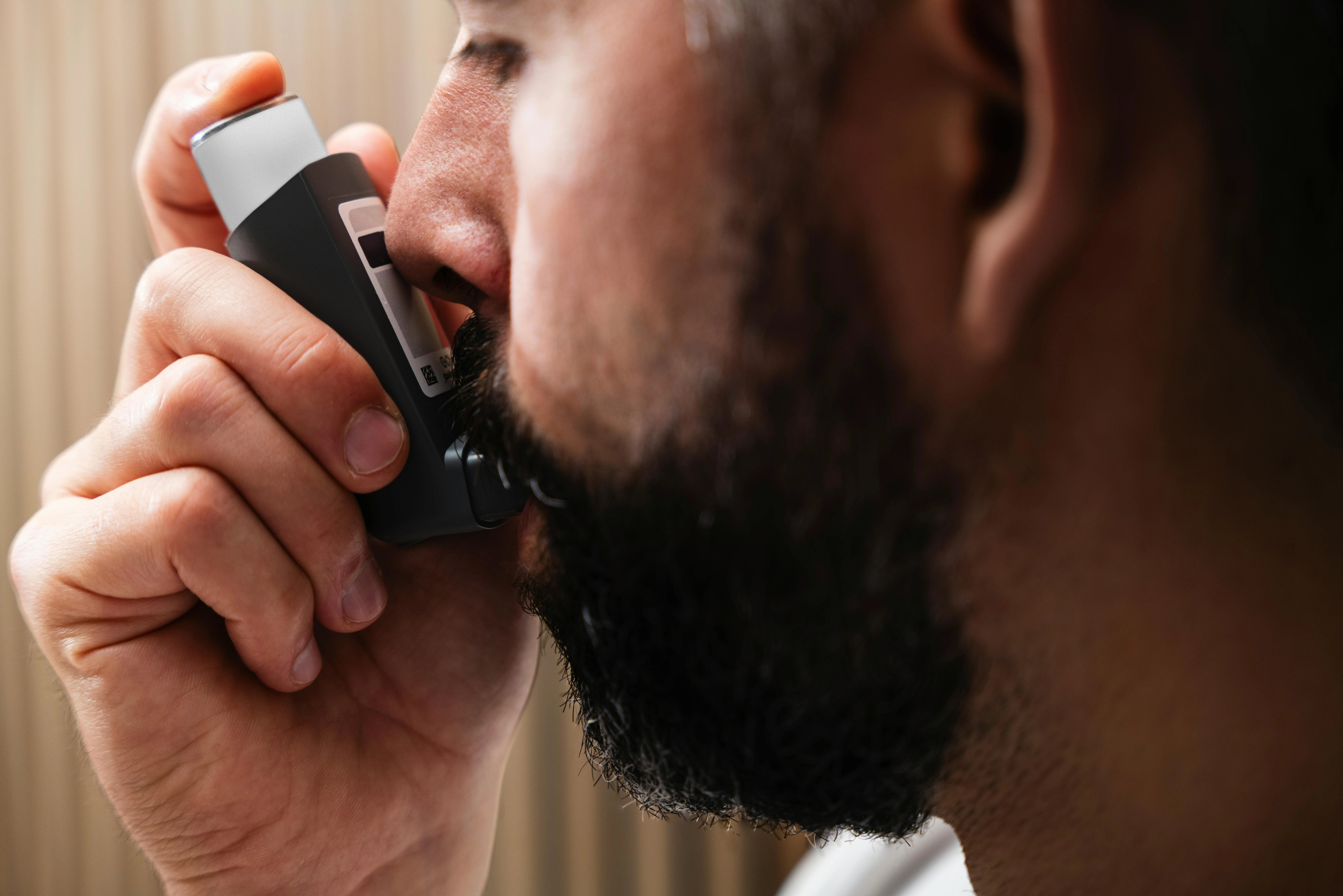
- Short-acting beta-agonists (SABAs) such as albuterol, used as rescue inhalers before exercise to relax airway smooth muscle and provide protection for 2 to 4 hours212
- Inhaled corticosteroids (ICS) to reduce airway inflammation in individuals with persistent symptoms321
- Leukotriene receptor antagonists, which reduce airway inflammation and bronchoconstriction, serving as adjunct preventive therapy21
- Long-acting beta-agonists (LABAs) combined with ICS for sustained anti-inflammatory and bronchodilator effects3
The optimal treatment aims to prevent symptomatic onset, with SABAs typically administered 15 minutes before exercise22. In acute attacks, immediate removal from activity and use of rescue inhalers are essential22.
Other Treatment Options
Non-pharmacological measures complement medication and include:
- Warm-up exercises to reduce the severity of bronchoconstriction1710
- Breathing techniques such as nasal breathing to filter and humidify inhaled air911
- Avoiding known environmental triggers like cold air, pollution, and irritants210
A multidisciplinary approach involving pulmonologists and allergists often provides the best outcomes3.
Prevention
Preventive strategies focus on minimizing exposure to triggers and preparing the airways before exercise:
- Performing adequate warm-up routines before physical activity17
- Using pre-exercise inhaled bronchodilators as prescribed21
- Exercising indoors during cold or poor air quality conditions10
- Monitoring asthma control regularly with peak-flow meters or spirometry11
These measures help reduce the frequency and severity of EIA episodes and improve exercise tolerance4.
Exercise-induced asthma is manageable with proper treatment and preventive strategies. Most individuals can maintain active lifestyles and participate fully in sports when symptoms are controlled. Early diagnosis and adherence to treatment are key to preventing serious breathing difficulties.234
Key Takeaways
- Exercise-induced asthma causes airway narrowing during or after exercise, leading to symptoms such as coughing, wheezing, chest tightness, and shortness of breath21.
- Cold, dry air and environmental irritants are major triggers, especially in individuals with asthma or allergies94.
- Accurate diagnosis requires objective lung function tests, as symptoms alone are not definitive185.
- Treatment includes pre-exercise inhaled short-acting beta-agonists, inhaled corticosteroids for persistent symptoms, and leukotriene receptor antagonists for prevention213.
- Non-pharmacological strategies such as warm-up exercises, nasal breathing, and trigger avoidance improve symptom control and exercise performance1711.