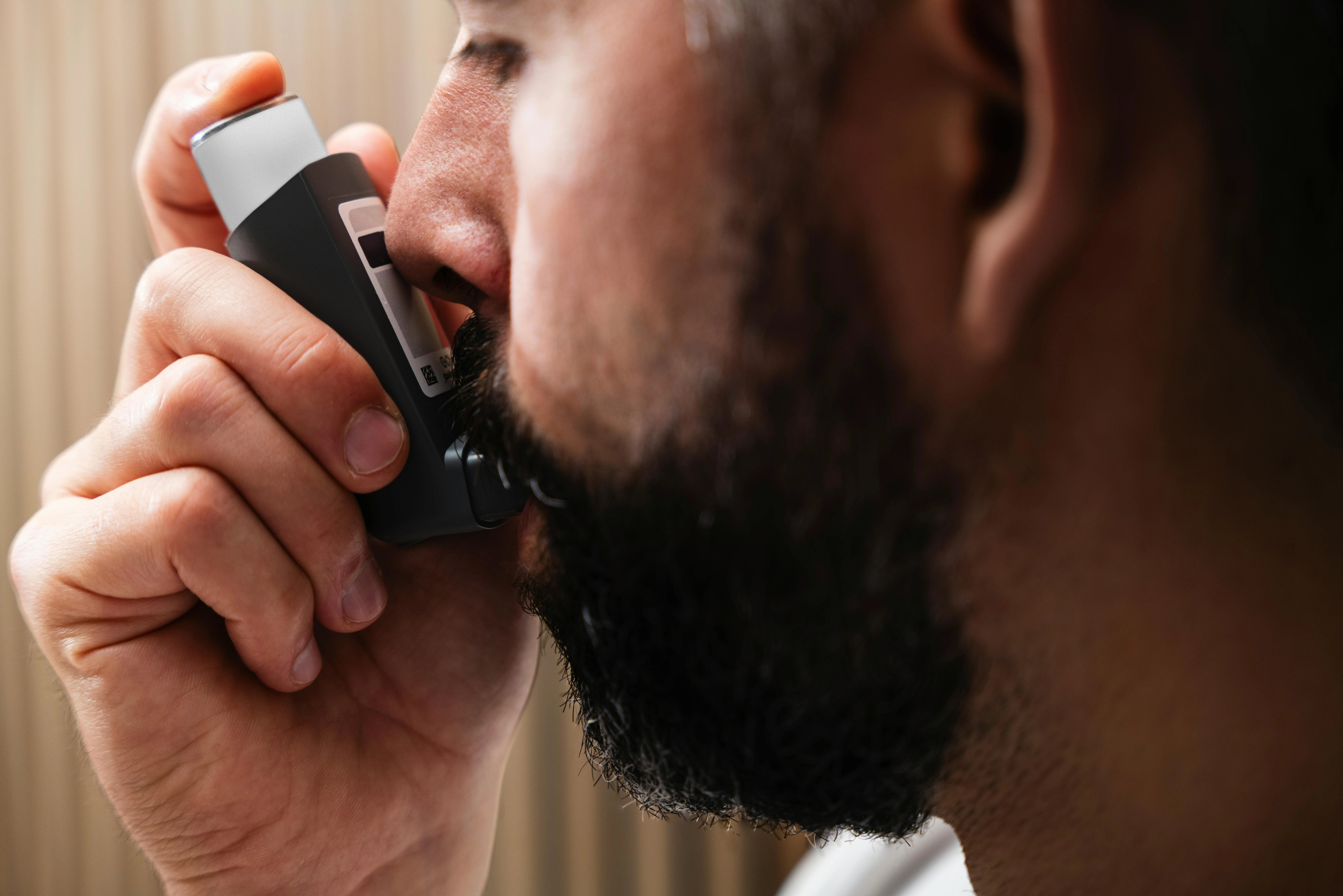
Eosinophilic asthma is a severe form of asthma that affects about half of all individuals with severe asthma, marked by high levels of eosinophils, a type of white blood cell, in the airways and mcv blood test results meaning and normal range12. This subtype involves persistent airway inflammation that can lead to frequent asthma attacks and reduced lung function despite standard treatments31. Understanding the symptoms, causes, diagnosis, and treatment options for eosinophilic asthma is essential for effective management and improving quality of life12.
Eosinophilic Asthma Symptoms in Severe Patients
Eosinophilic asthma is characterized by significant airway inflammation, hyperresponsiveness, obstruction, and remodeling, which often cause more severe symptoms than other asthma types12. The accumulation of eosinophils in the airways leads to airway narrowing and reduced lung function12. Common symptoms include:
- Wheezing, a hallmark symptom of asthma, frequently observed in eosinophilic asthma12.
- A persistent, dry cough that often worsens at night or during exercise12.
- Shortness of breath or difficulty breathing12.
- Chest pain described as tightness or pressure12.
- Chronic rhinosinusitis, presenting with nasal drainage and facial pressure12.
- Nasal polyps causing nasal obstruction and loss of smell12.
- Difficulty sleeping due to nighttime symptom exacerbation12.
- Fatigue resulting from disrupted sleep or breathing difficulties12.
- Exercise intolerance, with difficulty performing physical activities because of asthma symptoms12.
These symptoms reflect the persistent and severe airway inflammation driven by eosinophils, which can lead to tissue damage and airway remodeling over time124.
Eosinophilic asthma symptoms often include wheezing, persistent dry cough, and chest tightness. Nighttime worsening of symptoms can disrupt sleep and cause fatigue, impacting daily activities and exercise tolerance.124
What Is Eosinophilic Asthma?
Eosinophilic asthma is primarily caused by elevated eosinophil levels leading to airway inflammation throughout the respiratory tract12. Eosinophils are immune cells that release inflammatory mediators to fight infections but can cause tissue damage when excessively activated12. Chronic eosinophil-driven inflammation results in airway narrowing, increased mucus production, and typical asthma symptoms12. The exact causes are not fully understood, but genetic and environmental factors play important roles.
Genetics
Genetic predisposition influences the development of eosinophilic asthma. Certain inherited gene mutations affect eosinophil regulation, leading to higher blood eosinophil counts and airway accumulation12. These genetic alterations increase the risk of persistent eosinophilic inflammation and asthma severity12. Research continues to explore specific genetic factors involved in this condition12.
Environmental Triggers
Environmental exposures can exacerbate eosinophilic asthma symptoms, especially in individuals with allergies12. Common triggers include allergens such as pollen, dust mites, and pet dander, as well as irritants like smoke and pollutants124. Respiratory infections and psychological stressors may also contribute to symptom worsening124.
Risk Factors
Several risk factors are associated with eosinophilic asthma, including:
- Allergic conditions such as hay fever, eczema, or food allergies, which often coexist with eosinophilic asthma12.
- Obesity, which may worsen airway inflammation124.
- Adult or late-onset asthma, which is frequently eosinophilic and more severe124.
- Aspirin-exacerbated respiratory disease (AERD), characterized by eosinophilic asthma with nasal polyps and sensitivity to COX-1 inhibitors124.
These factors contribute to the complex immune dysregulation underlying eosinophilic asthma124.
Diagnosing Eosinophilic Asthma and Airway Inflammation
Diagnosis of eosinophilic asthma involves a combination of clinical evaluation, laboratory tests, and sometimes tissue analysis12. Patients with severe asthma or poor response to standard treatments are often tested for eosinophilic asthma12.
- Blood tests measure eosinophil levels, with counts of 150 cells/μL or higher suggestive of eosinophilic asthma125.
- Sputum analysis assesses eosinophil percentages in mucus samples; a sputum eosinophil count greater than 2% is characteristic126.
- Saline nebulization may be used to induce sputum if natural coughing is insufficient12.
- Bronchial biopsy, involving microscopic examination of lung tissue or fluid, can confirm eosinophilic inflammation12.
Lung function tests evaluate breathing capacity and airway obstruction, aiding diagnosis and monitoring5. It is important to confirm asthma diagnosis and assess comorbidities before diagnosing severe eosinophilic asthma7.
“They'll ask how often you cough, wheeze, or feel short of breath, and whether you've had recent asthma attacks or ER visits. A blood test (and sometimes a sputum or nasal sample) helps measure eosinophils. Lung function tests show how well you're breathing.5”
How to Stop Eosinophilic Asthma: Treatment Options
Treatment aims to reduce eosinophil levels, control airway inflammation, and improve symptoms and lung function128. A personalized plan is essential, often combining standard asthma medications with advanced biologic therapies when needed12.
Standard Asthma Treatments
Initial treatment typically involves conventional asthma medications:
- Bronchodilators relax airway muscles to open airways and relieve symptoms12.
- Short-acting beta-agonists (SABAs) provide rapid relief12.
- Long-acting beta-agonists (LABAs) offer sustained airway opening12.
- Short-acting muscarinic antagonists (SAMAs) and long-acting muscarinic antagonists (LAMAs) may be used for short- or long-term management12.
- Corticosteroids reduce airway inflammation effectively12.
- Leukotriene modifiers inhibit inflammatory chemicals that contribute to symptoms and airway swelling, beneficial in eosinophilic asthma and allergic conditions12.
These treatments are often effective but may not fully control severe eosinophilic asthma12.
Biologics
Biologic therapies target eosinophils or their regulatory cytokines and are used when standard treatments fail to control symptoms124. Common biologics include:
- Mepolizumab and benralizumab, which reduce eosinophil levels and decrease exacerbations39.
- Other biologics such as reslizumab, omalizumab, dupilumab, and tezepelumab are also used depending on patient phenotype124.
These medications are typically administered by subcutaneous injection or intravenous infusion12. Biologics have improved outcomes for many patients with severe eosinophilic asthma but are not curative and require ongoing management7.
| Treatment Type | Mechanism | Route of Administration | Purpose |
|---|---|---|---|
| Bronchodilators | Relax airway muscles | Inhaled | Rapid and sustained symptom relief |
| Corticosteroids | Reduce airway inflammation | Inhaled or oral | Control inflammation |
| Leukotriene Modifiers | Block inflammatory chemicals | Oral | Reduce airway swelling and symptoms |
| Biologics | Target eosinophils or cytokines | Subcutaneous or intravenous | Lower eosinophil levels, reduce exacerbations |
Preventing Eosinophilic Asthma
While preventing eosinophilic asthma entirely is not currently possible, symptom management and attack reduction are achievable through several strategies12:
- Identifying and avoiding known asthma triggers such as dust mites, pollen, smoke, exercise, and stress12.
- Maintaining a symptom journal to recognize and avoid personal triggers12.
- Adhering strictly to prescribed treatment plans and medications12.
- Regular follow-up visits with healthcare providers to monitor lung function and adjust treatment12.
- Using peak flow monitoring to detect early changes in lung function and prevent severe attacks12.
These measures help reduce symptom severity and improve asthma control12.
Related Health Conditions
Eosinophilic asthma often coexists with other immune-related conditions involving eosinophil-driven inflammation12. Common related health issues include:
- Chronic rhinosinusitis with nasal polyps, affecting up to 60% of eosinophilic asthma patients, causing nasal blockage, drainage, and facial pain12.
- Allergic rhinitis, characterized by nasal inflammation due to allergen exposure, frequently seen in eosinophilic asthma due to shared immune pathways1012.
- Eosinophilic esophagitis (EoE), a Th2 cell-mediated disease with eosinophil infiltration in the esophagus, causing swallowing difficulties and chest pain111212.
These conditions share underlying immune dysregulation and may require coordinated management12.
Living With Eosinophilic Asthma
Living with eosinophilic asthma requires ongoing management to maintain quality of life and prevent exacerbations12. The persistent and severe symptoms can disrupt daily activities and sleep, leading to fatigue and reduced productivity1312.
- Adherence to treatment and regular communication with healthcare providers are essential for symptom control12.
- Support from healthcare teams, family, and support groups can improve coping and disease management12.
- Referral to ear, nose, and throat specialists is recommended soon after diagnosis due to frequent upper airway involvement14.
- Monitoring symptoms and lung function helps guide treatment adjustments and prevent attacks12.
“A task force has identified key consensus issues for defining, diagnosing and treating severe eosinophilic asthma.”
— Johann C. Virchow, European Consensus Meeting for Severe Eosinophilic Asthma7
Eosinophilic Asthma Definition, Facts, and FAQ
What causes eosinophilic asthma?
Eosinophilic asthma is caused by elevated eosinophil levels leading to airway inflammation. Genetic predisposition, environmental triggers, and allergic conditions contribute to its development124.
How is eosinophilic asthma diagnosed?
Diagnosis involves assessing symptoms, medical history, blood eosinophil counts (≥150 cells/μL), sputum eosinophils (>2%), and sometimes bronchial biopsy. Lung function tests also aid diagnosis1256.
What treatments are available?
Treatment includes standard asthma medications like bronchodilators and corticosteroids, plus leukotriene modifiers. Biologic therapies targeting eosinophils are used for severe cases unresponsive to standard treatments128.
Can eosinophilic asthma be prevented?
While it cannot be fully prevented, avoiding triggers, adhering to treatment, and regular monitoring can reduce symptom severity and attack frequency12.
Is eosinophilic asthma linked to other conditions?
Yes, it commonly coexists with chronic rhinosinusitis with nasal polyps, allergic rhinitis, and eosinophilic esophagitis, which share immune system involvement111012.