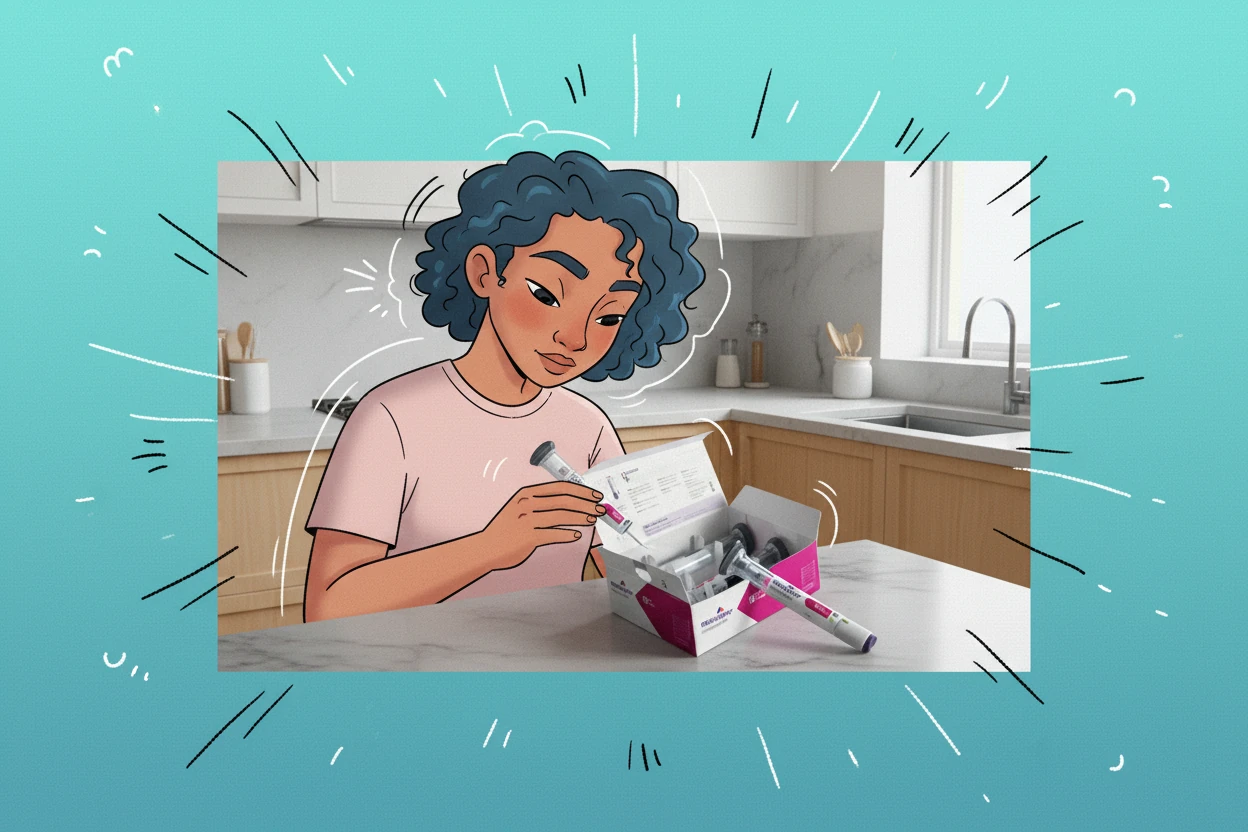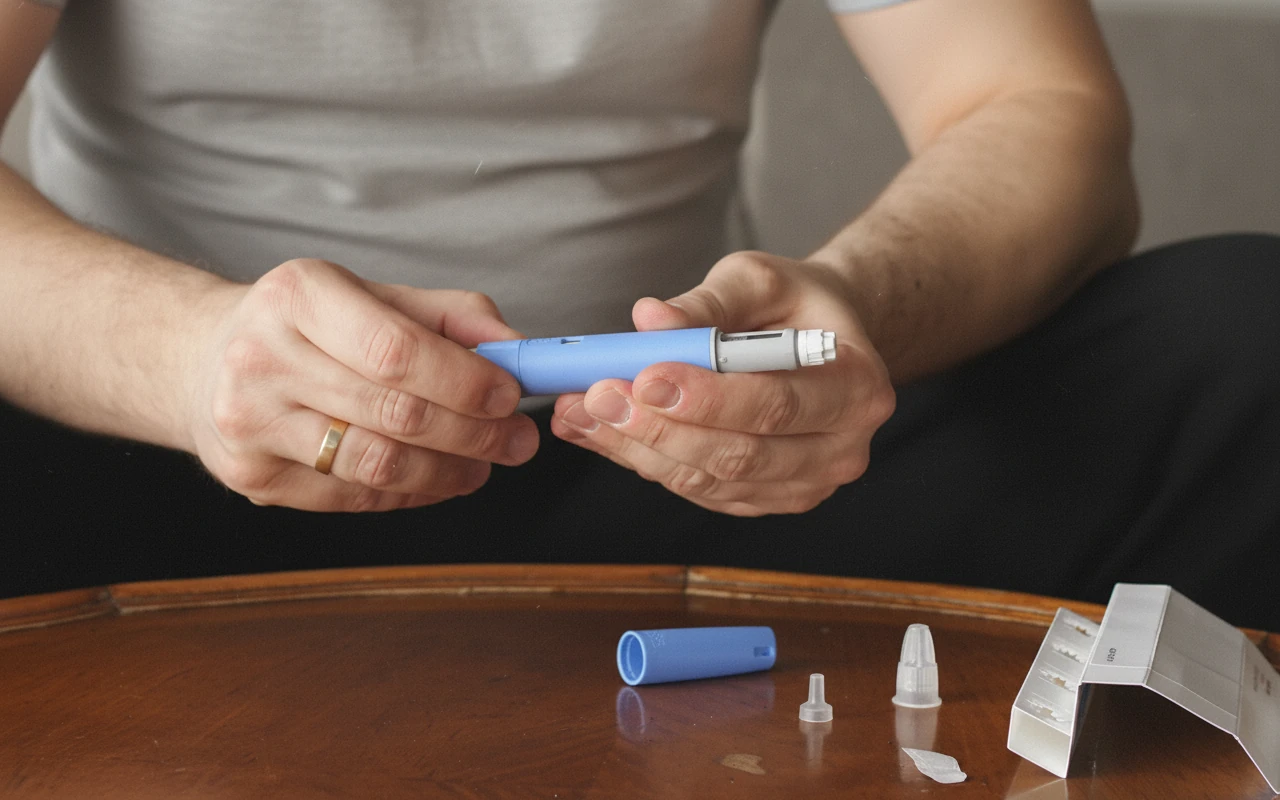
Insulin prices in the United States have surged dramatically over the past two decades, placing a heavy financial burden on millions of people with diabetes1. Despite recent legislative efforts like the Inflation Reduction Act, which caps Medicare insulin out-of-pocket costs at $35 per month, many Americans still face high insulin expenses, leading to dangerous rationing and non-adherence2. In response, Eli Lilly has announced significant price reductions on key insulin products, aiming to improve affordability and access3. However, challenges remain in ensuring insulin reaches all who need it.
Insulin Medications With New Prices
Eli Lilly has introduced substantial price cuts on several of its insulin products to address affordability concerns. Starting May 1, 2023, the company’s authorized generic insulin lispro will be priced at $25 per vial, making it the lowest list-priced mealtime insulin available in the U.S.34. Additionally, Eli Lilly plans to reduce the list prices of its major insulins, Humalog and Humulin, by 70% beginning in the fourth quarter of 202335.
Another notable addition is Rezvoglar, a biosimilar insulin glargine that is interchangeable with Sanofi’s Lantus. Rezvoglar will be available at $92 for a five-pack of KwikPens starting April 1, 2023, representing a 78% price reduction compared to Lantus36. This biosimilar option offers a more affordable basal insulin alternative, potentially increasing competition in the insulin market.
“Even though they're dropping their list price by 70% and capping their cost to patients at $35, it’s important for us to make this very, very clear—the company is still making a profit.”
— Grace Fernandez, Johns Hopkins Bloomberg School of Public Health1
| Insulin Product | Price Reduction/Cap | Effective Date | Notes |
|---|---|---|---|
| Insulin lispro (generic) | $25 per vial | May 1, 2023 | Authorized generic by Eli Lilly |
| Humalog & Humulin | 70% list price reduction | Q4 2023 | Major Eli Lilly insulins |
| Rezvoglar (biosimilar) | $92 per five-pack KwikPens | April 1, 2023 | 78% discount vs. Lantus, interchangeable |
These price reductions are part of Eli Lilly’s broader Insulin Value Program, which caps patient out-of-pocket costs at $35 per month for those with commercial insurance and uninsured patients at participating pharmacies5. This initiative aims to ease the financial strain on insulin users who often face high deductibles or coinsurance payments.
However, it remains uncertain whether Eli Lilly’s price cuts will prompt other insulin manufacturers to follow suit promptly7. Experts suggest that competitive pressure from Lilly’s actions could eventually lead to broader price reductions across the market, but some analysts remain skeptical about the speed of such changes89. Advocacy groups emphasize that list prices must decrease across all manufacturers to significantly improve insulin affordability9.
Improving Insulin Access and Affordability
Despite Eli Lilly’s aggressive price cuts, insulin access challenges persist beyond pricing. Many people with diabetes in the U.S. continue to face high out-of-pocket costs, which often lead to financial hardship and dangerous rationing of insulin210. A significant minority of insulin users spend over 40% of their income on insulin after essentials, a threshold considered catastrophic health expenditure10.
Lower prices alone may not resolve access issues due to systemic barriers such as limited pharmacy stocking of affordable insulins and insurance coverage restrictions6. Additionally, high healthcare visit costs and complex insurance formularies can prevent patients from obtaining the insulin they need6.
Efforts to improve insulin affordability and access must therefore address multiple factors:
-
Expand Legislative Reforms: Federal and state legislation is underway to cap insulin prices and improve access. Senator Bernie Sanders has proposed legislation to cap insulin prices at $20 per vial nationwide9. Seventeen states have enacted laws allowing pharmacists to dispense emergency insulin without prior doctor approval, known as Kevin’s Law, with advocacy groups pushing for nationwide expansion911.
-
Increase Market Competition: The introduction of biosimilar and authorized generic insulins, such as Rezvoglar and Lilly’s insulin lispro, aims to create competition and drive prices down367. However, pharmacy benefit managers (PBMs) and insurance formularies often favor higher-priced drugs due to rebate structures, limiting the impact of biosimilars1.
💡 Did You Know? Insulin prices in the U.S. have increased by more than 300% in the last 20 years, leading many Americans to ration or forgo insulin due to cost1.
-
Enhance Patient Assistance Programs: Manufacturers, including Eli Lilly, offer patient assistance programs that cap out-of-pocket costs or provide free insulin to eligible patients5. Grassroots organizations like Mutual Aid Diabetes also provide insulin and supplies to those in need while systemic solutions are pursued11.
-
Improve Health System Support: Ensuring affordable insulin must be accompanied by access to affordable blood glucose monitoring devices and diabetes care services12. Strengthening health system capacity, especially at the primary care level, is critical to managing diabetes effectively12.
-
Increase Transparency and Regulation: The Endocrine Society recommends greater transparency across the insulin supply chain, limiting list price increases to inflation rates, and allowing government negotiation of drug prices to reduce costs13.
The complex relationship between insulin manufacturers, PBMs, and insurers contributes to the high list prices. PBMs negotiate rebates that favor higher list prices, which can increase premiums and out-of-pocket costs for patients1. Eli Lilly’s price cuts also reflect strategic business decisions to maintain market share amid growing competition and regulatory pressure1415.
Advocates stress that sustained insulin affordability requires coordinated efforts among manufacturers, policymakers, insurers, healthcare providers, and patient groups. Only through comprehensive reforms can insulin become truly accessible and affordable for all who rely on it.