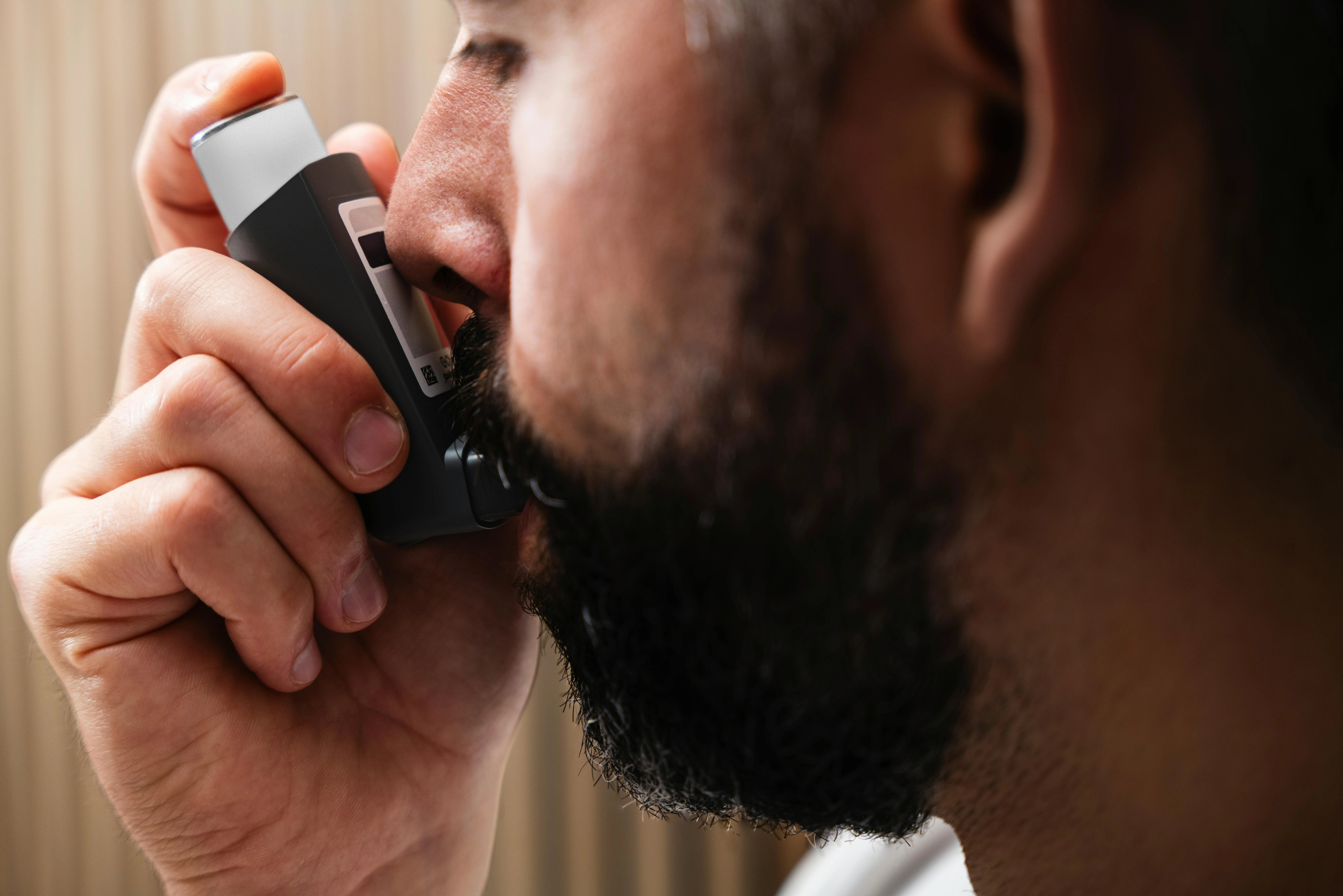
Dyspnea, commonly known as shortness of breath, affects up to 25% of patients in outpatient settings and can range from mild discomfort to severe breathing difficulty12. It is a symptom that signals various underlying health issues, most often related to the heart and lungs, but also involving other systems23. Understanding the types, causes, symptoms, and treatments of dyspnea is essential for timely diagnosis and effective management4.
Types of Dyspnea
Dyspnea is classified primarily based on the duration of symptoms into acute and chronic types5. Acute dyspnea refers to shortness of breath lasting less than four weeks, often with sudden onset and severe symptoms56. Chronic dyspnea persists for more than four weeks and usually develops gradually, worsening over time57. This distinction is critical as it guides the diagnostic and therapeutic approach1.
Healthy individuals may experience transient dyspnea during intense exercise, at high altitudes, or stressful situations, which typically resolves with rest82. However, acute dyspnea is a frequent cause of emergency room visits, while chronic dyspnea is commonly seen in adults presenting to primary and tertiary care95.
Common Symptoms
Dyspnea manifests as a subjective sensation of breathing discomfort that varies in intensity and quality104. Patients often describe it as a feeling of air hunger or an unsatisfied need to breathe deeply112. Symptoms can include:
- Chest tightness or heaviness2
- Difficulty breathing deeply or rapidly2
- Wheezing or noisy breathing12
- Heart palpitations or rapid heartbeat2
- Coughing or stridor (high-pitched breathing sounds)13
- Sensation of suffocation or inability to catch breath213
Acute dyspnea may be accompanied by agitation, fear, diaphoresis (cold sweats), and cyanosis (bluish discoloration of lips or nails), indicating severe hypoxemia69. Chronic dyspnea can limit daily activities, causing breathlessness even with minimal exertion or at rest72.
Primary Causes
Dyspnea arises from a complex interplay of diseases affecting the respiratory, cardiovascular, neuromuscular, psychogenic, and systemic systems104. The severity and nature of dyspnea depend on the underlying cause, with acute cases often linked to sudden, life-threatening events and chronic cases associated with progressive disease76.
Common causes of acute dyspnea include:
- Respiratory tract infections such as pneumonia114
- Anaphylaxis causing airway obstruction and bronchospasm112
- Airway obstruction from choking or foreign body aspiration115
- Pulmonary embolism (blood clot in the lungs)114
- Pneumothorax (collapsed lung)113
- Anemia reducing oxygen-carrying capacity12
Chronic dyspnea is frequently caused by:
- Chronic obstructive pulmonary disease (COPD)13
- Heart failure and cardiomyopathy116
- Interstitial lung disease and pulmonary fibrosis114
- Asthma117
- Obesity and deconditioning1814
Risk Factors
Several factors increase the likelihood of developing dyspnea, including:
- Smoking and exposure to environmental irritants such as chemical fumes and dust114
- History of respiratory infections or chronic lung diseases13
- Cardiovascular diseases including arrhythmias and heart failure116
- Psychological conditions like anxiety and panic disorders212
- Obesity and lack of regular exercise leading to muscle deconditioning114
- High altitude exposure and pregnancy-related physiological changes114
Diagnosis Process
Diagnosing dyspnea requires a thorough and systematic approach, starting with a detailed medical history and physical examination118. Key aspects include the onset, duration, severity, and associated symptoms such as cough, chest pain, or fever54.
Physical examination focuses on respiratory and cardiovascular systems, including lung and heart auscultation, assessment for fluid overload, cyanosis, peripheral edema, and mental status194. Vital signs such as respiratory rate, oxygen saturation, and heart rate are essential initial measures9.
Diagnostic tests commonly used include:
- Pulmonary function tests (spirometry) to assess lung volumes and airflow114
- Chest imaging (X-ray, CT scan) to detect infections, effusions, pneumothorax, or masses113
- Electrocardiogram (EKG) to evaluate cardiac rhythm and ischemia112
- Blood tests to identify anemia, infection, or markers of cardiac dysfunction12
- Echocardiography to assess cardiac structure and function116
If initial tests are inconclusive, advanced cardiopulmonary exercise testing may be employed to evaluate oxygen utilization and cardiopulmonary function during exertion34.
Doctors often use the Modified Medical Research Council (mMRC) dyspnea scale to rate symptom severity from 0 (breathless only with strenuous exercise) to 4 (too breathless to leave the house or breathless when dressing)1912.
Treatment Options
Treatment of dyspnea focuses on stabilizing the patient and addressing the underlying cause93. Management strategies include medication, oxygen therapy, pulmonary rehabilitation, and surgery when indicated.
Medication
Pharmacologic treatments target the specific cause of dyspnea:
- Bronchodilators and corticosteroids for asthma and COPD to improve airflow and reduce airway inflammation917
- Antibiotics for bacterial pneumonia or respiratory infections914
- Diuretics and nitrates for heart failure to reduce fluid overload and improve cardiac function916
- Anxiolytics and relaxation techniques for anxiety-induced dyspnea1220
Oxygen Therapy
Supplemental oxygen is essential for patients with hypoxemia to maintain adequate tissue oxygenation912. It is administered via nasal cannula, mask, or mechanical ventilation in severe respiratory failure9. Oxygen therapy improves symptoms and prevents complications related to low blood oxygen levels9.
Pulmonary Rehabilitation
Pulmonary rehabilitation programs include exercise training, breathing techniques, and education to improve lung function and reduce dyspnea severity2120. Techniques such as pursed-lip breathing and diaphragmatic breathing help patients manage symptoms and enhance quality of life2220.
Surgery
“People who experience dyspnea feel short of breath. Dyspnea can range from mild to severe. If this condition is chronic and persistent, it may seriously limit activity and reduce quality of life. Dyspnea can be a result of lung, heart, vascular, neuromuscular, and metabolic diseases.”
— Brigham and Women's Hospital Medical Team, Brigham and Women's Hospital3
Surgical interventions may be necessary for structural causes of dyspnea, such as:
- Drainage of pleural effusions to relieve lung compression314
- Removal of bronchogenic cysts or lung masses causing airway obstruction23
- Cardiac surgery for valvular defects, cardiomyopathy, or chronic blood clots43
Surgery is typically reserved for cases where medical management is insufficient or when anatomical abnormalities are identified4.
Prevention Strategies
Preventing dyspnea involves managing underlying health conditions and reducing exposure to triggers114. Key prevention strategies include:
- Smoking cessation and avoiding secondhand smoke114
- Avoiding environmental irritants such as chemical fumes, dust, and pollution114
- Maintaining a healthy weight and engaging in regular exercise to improve cardiovascular and respiratory health114
- Managing chronic diseases like asthma, COPD, and heart failure with adherence to treatment plans118
- Using protective masks in environments with airborne irritants1
These measures help reduce the frequency and severity of dyspnea episodes and improve overall lung function1.
“Dyspnea, commonly referred to as shortness of breath, is the subjective sensation of uncomfortable breathing comprised of various sensations of varying intensity. It is a common symptom impacting millions of people and may be the primary manifestation of respiratory, cardiac, neuromuscular, psychogenic, systemic illness, or a combination of these.”
— Muhammad F. Hashmi, National Health Service4
Managing Chronic Dyspnea
Living with chronic dyspnea can be distressing and significantly impact quality of life223. Effective management includes:
- Regular medical follow-up and adherence to prescribed treatments2218
- Coping strategies such as pacing activities and energy conservation to prevent symptom exacerbation22
- Breathing exercises and relaxation techniques to reduce anxiety and improve breathing efficiency2220
- Use of assistive devices to aid mobility and reduce exertion-related dyspnea22
- Stress management and psychological support to address anxiety-related symptoms2212
Prompt medical evaluation is crucial for sudden or worsening dyspnea to adjust treatment and prevent complications53.