Maintaining balanced blood sugar levels is crucial for preventing and managing diabetesdiabetesdiabetes-managementdiabetes-managementdiabetes, a condition affecting millions worldwide. Certain beverages, including water, teas, and vegetable juices, can support blood sugar control by improving insulin sensitivity and reducing glucose spikes12. Choosing the right drinks and limiting sugary beverages can help reduce the risk of type 2 diabetes and promote overall metabolic health34.
Hydration & Blood Sugar: How Water Impacts Glucose Levels
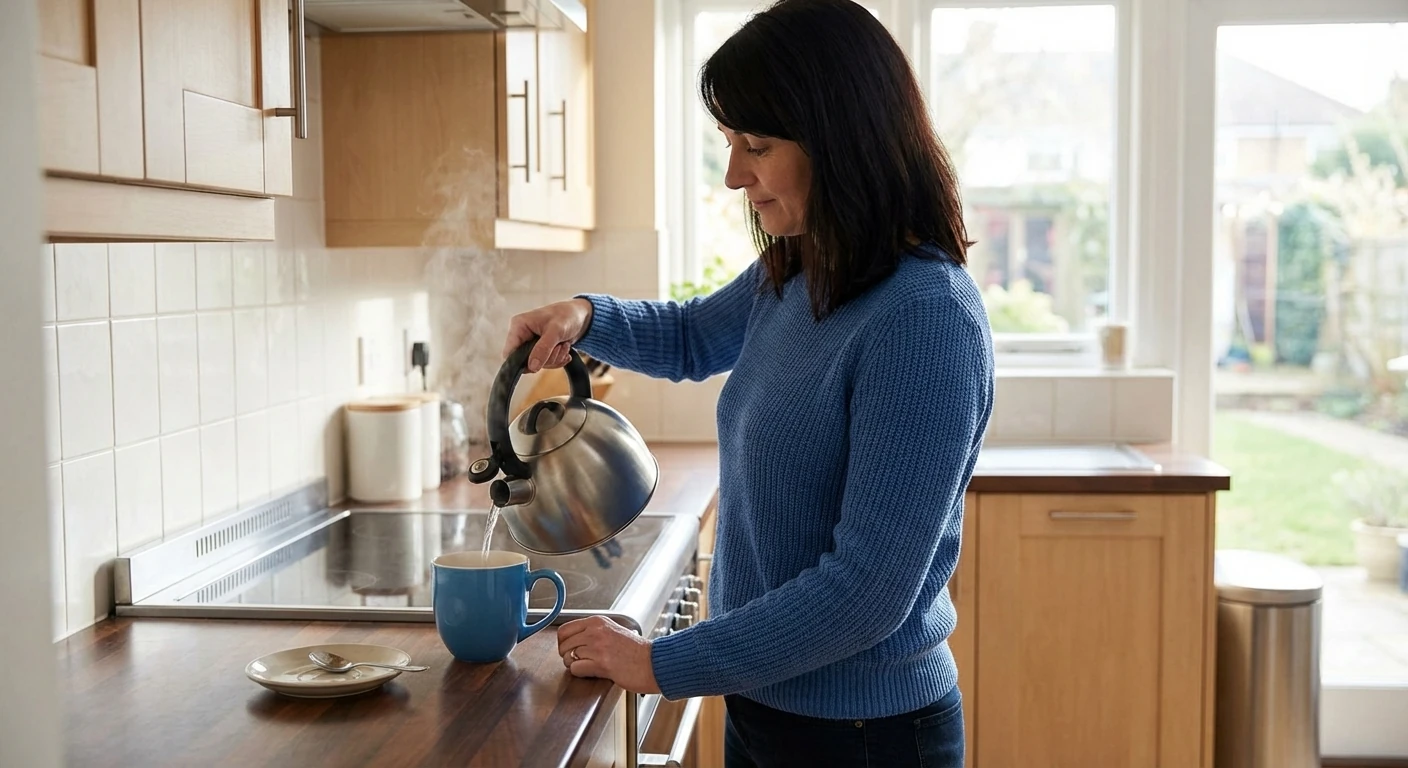
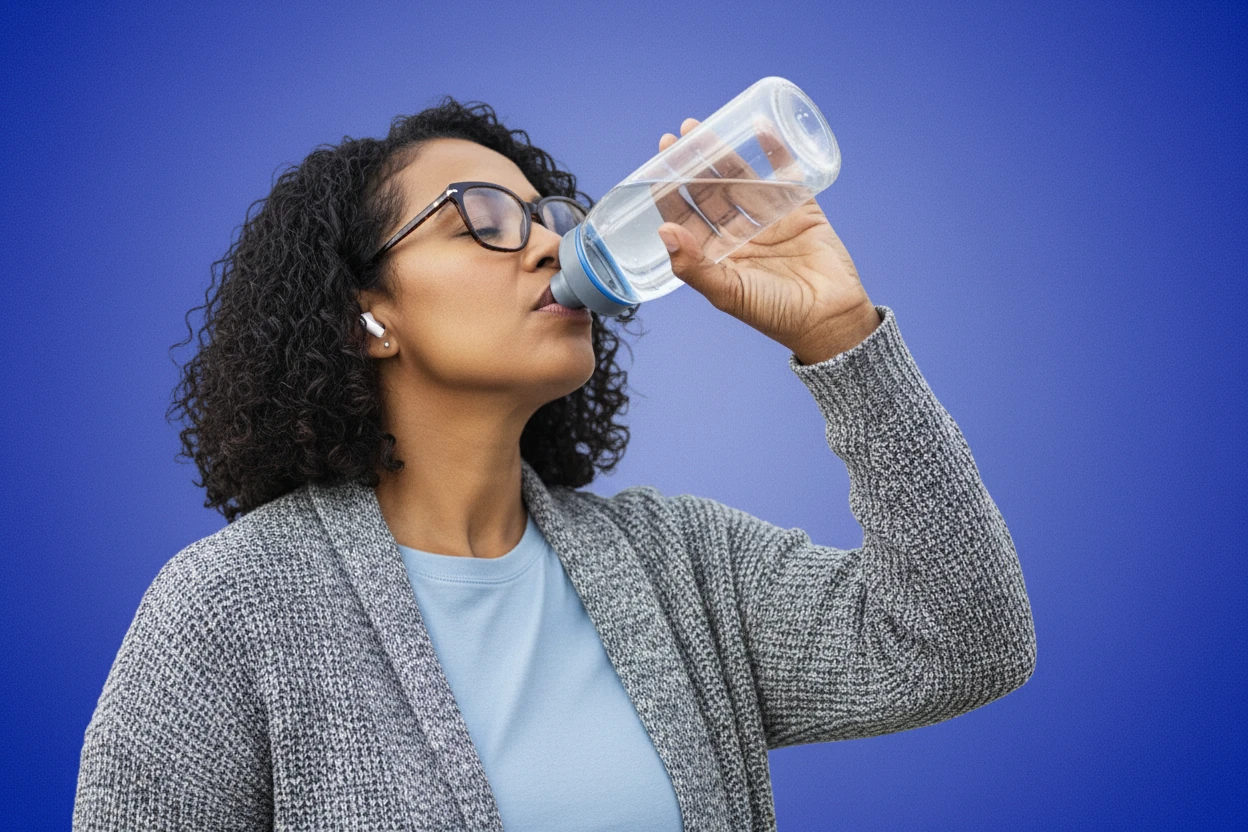
Water is essential for hydration and plays a supportive role in blood sugar regulation. Although direct evidence linking plain water intake to improved glycemic control is limited, substituting water for sugar-sweetened beverages (SSBs) or fruit juices is associated with a modestly lower risk of developing type 2 diabetes53. This substitution reduces intake of added sugars and calories, which helps maintain a healthy weight and supports blood sugar balance3.
The Institute of Medicine recommends daily fluid intake of approximately 3.7 liters for men and 2.7 liters for women from all beverages and foods combined5. Mineral water, in particular, may have additional benefits due to its content of bicarbonate and magnesium, which have shown probable positive effects on glycemic parameters in some studies5.
Drinking water also promotes kidney function, increasing blood circulation and helping to filter out excess glucose through urine. This mechanism may contribute to lowering blood sugar levels in people with diabetes1.
- Substituting one serving of sugar-sweetened beverages or fruit juices with one cup of plain water daily is linked to a 7-8% lower risk of type 2 diabetes3.
- Plain water intake alone is not significantly associated with diabetes risk, but replacing sugary drinks with water offers protective benefits3.
- Excessive water intake can lead to water toxicity, a rare condition causing symptoms like nausea and confusion, so moderation is important1.
“This ultimately reduces our intake of carbohydrates and sugars. Drinking more water will also increase blood circulation through our kidneys and filter out excess glucose (blood sugar) in our urine.”
— Vatche Zohrabian, DO, Hartford HealthCare Medical Group6
Green Tea Benefits: EGCG & Blood Sugar Regulation
Green tea contains catechins, natural plant compounds that may improve insulin sensitivity and help regulate blood sugar levels7. Studies have shown that green tea ingestion can lower serum triglycerides and total cholesterol levels following high-fat or high-cholesterol meals, which supports metabolic health8.
A meta-analysis of 27 studies found an association between green tea consumption and a reduced risk of type 2 diabetes7. The effect on fasting blood glucose was statistically significant particularly in populations younger than 55 years old7. However, more rigorous research is needed to confirm the extent of green tea’s impact on blood sugar control.
Catechins in green tea may block some carbohydrate absorption during digestion and reduce oxidative stress, which contributes to improved glucose metabolism2.
- Green tea is a zero-calorie beverage with no added sugar, making it a healthy choice for blood sugar management2.
- The antioxidant properties of green tea may also reduce inflammation linked to insulin resistance7.
“Green tea, specifically, decreases long-term markers of diabetes (called hemoglobin A1C) by reducing our body’s insulin resistance.”
— Vatche Zohrabian, DO, Hartford HealthCare Medical Group6
Tomato Juice & Blood Sugar: Lycopene's Role in Glucose Control
Tomato juice is a flavorful, low-sugar beverage that can contribute to daily vegetable intake and support blood sugar control. Tomatoes are rich in lycopene, a carotenoid with antioxidant properties that may help reduce fasting blood glucose levels and prevent diabetic complications9.
A systematic review with meta-analysis found that lycopene intake is associated with lower fasting blood glucose9. Antioxidants like lycopene help reduce oxidative stress and inflammation, which are factors in insulin resistance and diabetes progression9.
The U.S. Department of Agriculture recommends that adult women consume 2-3 cups of vegetables daily, and men consume 3-4 cups. Drinking 2-3 cups of tomato juice can help meet these guidelines10.
- Drinking tomato juice 30 minutes before a carbohydrate-rich meal may lower post-meal blood sugar spikes2.
- Tomato juice’s fiber content slows digestion, contributing to more stable blood glucose levels2.
“Our bodies digest sugary drinks more easily than other sources of carbohydrates, which leads to a rapid rise in our blood sugar.”
— Vatche Zohrabian, DO, Hartford HealthCare Medical Group6
Black Tea for Blood Sugar: Improving Insulin Sensitivity Naturally
Black tea consumption has been linked to a lower risk of type 2 diabetes, with one meta-analysis reporting a 14% reduction in risk among regular drinkers11. Theaflavins, antioxidant compounds found in black tea, reduce oxidative stress by neutralizing free radicals—unstable molecules that can damage cells and increase chronic disease risk, including diabetes11.
These antioxidants may improve insulin sensitivity and reduce inflammation, both important factors in blood sugar regulation11. Despite promising findings, further rigorous studies are needed to fully understand black tea’s effects on blood glucose levels11.
- Drinking more than one cup of black tea daily may help lower diabetes risk11.
- Black tea is a calorie-free beverage when consumed without added sugar, making it suitable for blood sugar management2.
“Drinking black coffee in moderation improves our body’s ability to metabolize sugar, reducing our long-term blood sugar levels.”
— Vatche Zohrabian, DO, Hartford HealthCare Medical Group6
Beyond Beverages: Holistic Strategies to Lower Blood Sugar Naturally
Beyond choosing beneficial drinks, several lifestyle strategies can help maintain healthy blood sugar levels:
- Regular physical activity: Engaging in at least 150 minutes of moderate-intensity aerobic exercise per week improves blood sugar control, especially in type 2 diabetes12.
- Balanced diet: Eating whole foods rich in fiber, protein, and healthy fats slows carbohydrate absorption and reduces glucose spikes13.
- Stress management: Reducing stress through relaxation techniques can prevent blood sugar fluctuations caused by stress hormones14.
- Limiting sugary foods and drinks: Avoiding sugar-sweetened beverages and processed snacks reduces excess sugar intake and inflammation4.
- Vitamin D supplementation: For those with deficiency, vitamin D may help lower fasting blood glucose levels14.
These combined approaches support better insulin sensitivity and glucose metabolism, reducing the risk of diabetes complications.
When to See a Doctor: Seeking Medical Advice for High Blood Sugar
If you experience symptoms such as frequent urination, headaches, or fatigue, which may indicate high blood sugar, it is important to seek medical advice14. Early diagnosis and management can prevent complications.
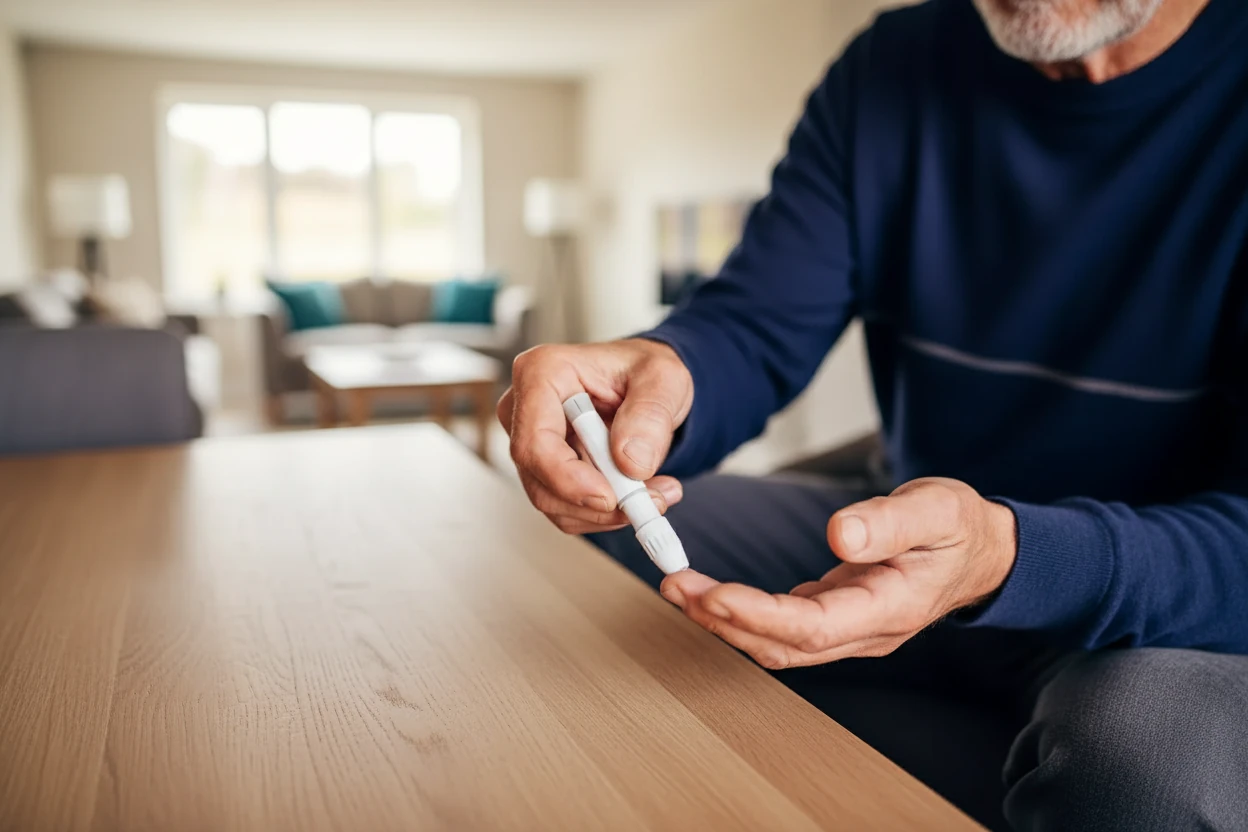
Healthcare providers recommend regular monitoring of blood sugar levels and adherence to prescribed treatment plans. They also emphasize the importance of lifestyle modifications, including exercise and dietary changes, to improve glycemic control12.
- Consult an endocrinologist or diabetes specialist if blood sugar levels remain consistently high or symptoms worsen14.
- Regular check-ups help adjust treatment and prevent long-term complications14.
Key Takeaways: Natural Drinks & Blood Sugar Management Summary
- Drinking water instead of sugary beverages reduces the risk of type 2 diabetes by lowering sugar and calorie intake3.
- Green tea’s catechins may improve insulin sensitivity and reduce blood sugar, especially in younger adults7.
- Tomato juice provides lycopene antioxidants that help lower fasting glucose and prevent diabetic complications9.
- Black tea antioxidants reduce oxidative stress and improve insulin sensitivity, lowering diabetes risk11.
- Lifestyle changes such as regular exercise, balanced diet, and stress management complement beverage choices for optimal blood sugar control124.